海峡城市的活态文明
芽笼士乃、族群迁徙与新加坡多元社会的空间生成
LIVING CIVILISATION OF A STRAITS CITY
Geylang Serai, Human Mobility and the Spatial Making of Multicultural Singapore
中英文图文合订本 · Bilingual Illustrated Collected Edition
李宏斌 文颜
Li Hongbin · Wen Yan
2026年9月 · September 2026
资料与图版说明 / Note on Sources and Illustrations
本书以国家档案馆、国家图书馆、建屋发展局、市区重建局、国家文物局、公用事业局、UNESCO及所列学术研究为主要依据。本版所用历史图片、地图、建筑与社区资料页主要取自李宏斌编著的《Geylang Serai Heritage Trail 2025 Edition》,经作者授权收入本书;图版页内原有馆藏号、摄影者与机构署名保持不变。 / This volume draws principally on records of the National Archives of Singapore, National Library Board, HDB, URA, NHB, PUB, UNESCO and the scholarship listed in the notes. Historical photographs, maps, buildings and community record pages are drawn principally from Li Hongbin’s Geylang Serai Heritage Trail 2025 Edition and are included with the author’s permission. Original archival, photographer and institutional credits printed on the reproduced pages are retained.
中文摘要
本书讨论芽笼士乃进入世界遗产视野的可能性。与其从“文化丰富”“多族群和谐”或“历史悠久”等一般性判断出发,本书更关心这个地区在长期变化中如何形成:早期水域交通、庄园土地、商品生产、地名、甘榜、宗教慈善、道路、市场、电影院、节庆、公共住房以及国家文化政策,先后在同一城市空间中留下了什么,又怎样彼此影响。
本书认为,芽笼士乃最值得关注的,不是某一种从未改变的建筑形态,而是海峡社会经历征地、迁移、公共住房建设和市场重建之后,仍然借助市场、住宅、宗教场所、社团、学校与节庆维持公共生活。这种连续既包含真实的延续,也包含断裂、替代和重新组织,不能用单一的“原真”或“消失”概括。
比较部分以马六甲与乔治市、甘榜格南及其他城市遗产为参照。本书将标准(ii)作为主要比较命题,以标准(iii)说明迁移中的社群文化见证;由于土地、水系与生产聚落的物质完整性已明显削弱,本版不建议以标准(v)作为申报核心。
本书既说明芽笼士乃为什么值得进入申遗研究,也说明这一论证可能在哪里不能成立:重要地方未必具有突出普遍价值,文化记忆也不能代替物质遗存。全书希望为新加坡国内讨论、社区参与、预备清单研究与预评估准备提供一部可核查的中英文历史著作。
Abstract
This book considers whether Geylang Serai merits discussion within the World Heritage framework. Rather than beginning with general claims about cultural richness, multicultural harmony or antiquity, it asks how the district was historically made. Waterborne mobility, estates, commodity production, place names, kampung settlement, religious charity, roads, markets, cinemas, festivals, public housing and state cultural policy all left traces in the same urban landscape and altered one another over time.
The book argues that Geylang Serai is significant less for unchanged fabric than for the survival of public life through acquisition, relocation, public housing and market reconstruction. Markets, housing estates, places of worship, associations, schools and festivals continued to connect residents, although continuity was accompanied by rupture, substitution and institutional reorganisation. Neither “authentic survival” nor “total disappearance” adequately describes this history.
The comparative chapters examine Melaka and George Town, Kampong Gelam and other urban heritage properties. On present evidence, criterion (ii) deserves the closest attention, criterion (iii) may offer supporting grounds, and criterion (v) depends on whether the historical relations among land, waterways and settlement remain sufficiently legible. Any eventual case must also satisfy authenticity, integrity, legal protection, community participation and practical management.
The book examines both the historical grounds for considering Geylang Serai within the World Heritage framework and the material, comparative and administrative constraints on such a case. Local importance is not identical with Outstanding Universal Value, and cultural memory cannot replace material evidence. The result is a bilingual historical study for scholarly, community and national discussion in Singapore.
目录 / Contents
第一编 公共断裂与修复 / Part I · Public Rupture and Repair
导言 变化中的城市为何能够成为遗产
Introduction: How Can a City of Change Become Heritage?第一章 1964年的市场:国家建设、族群关系与芽笼士乃公共空间的形成
Chapter One: The Market of 1964: Nation-Building, Ethnic Relations and Public Space第二章 冲突之后:公共空间、媒体叙事与族群关系的修复
Chapter Two: After Conflict: Public Space, Media Narratives and the Repair of Ethnic Relations
第二编 海峡世界与地方生成 / Part II · Straits World and Local Formation
第三章 在莱佛士之前 Orang Laut、河流系统与芽笼士乃的海峡世界起源
Chapter Three · Before Raffles: Orang Laut, River Systems and the Straits-World Origins of Geylang Serai第四章 Alsagoff Estate 阿拉伯穆斯林土地网络与新加坡东部空间的形成
Chapter Four · Alsagoff Estate: Hadhrami Muslim Land Networks and the Making of Eastern Singapore第五章 名称留下之后 “Serai”、消失的香茅景观与芽笼士乃地方身份的形成
Chapter Five · After the Landscape Vanished: “Serai”, Toponymic Memory and the Making of Geylang Serai第六章 从庄园到甘榜 人口迁徙、马来聚落与芽笼士乃日常社会的形成
Chapter Six · From Estate to Kampung: Migration, Malay Settlement and the Making of Everyday Society第七章 信仰的街区 清真寺、宗教教育与多族群邻接
Chapter Seven · A Neighbourhood of Faith: Mosques, Religious Learning and Multi-Religious Adjacency
第三编 城市制度与文化再生产 / Part III · Urban Institutions and Cultural Reproduction
第八章 道路上的公共领域 交通、影院、店屋与跨族群商业网络
Chapter Eight · A Public Sphere on the Road: Transport, Cinemas, Shophouses and Cross-Community Commercial Networks第九章 节庆中的城市 斋月市集、开斋节与马来公共文化的制度化
Chapter Nine · The City in Festival: Ramadan Bazaar, Hari Raya and the Institutionalisation of Malay Public Culture第十章 被展示的马来性 Malay Village、Wisma Geylang Serai与遗产治理
Chapter Ten · Malayness on Display: The Malay Village, Wisma Geylang Serai and Heritage Governance第十一章 迁移中的真实性 征地、公共住房、SERS与社区连续
Chapter Eleven · Authenticity in Migration: Land Acquisition, Public Housing, SERS and Community Continuity
第四编 从地方史到世界遗产 / Part IV · From Local History to World Heritage
第十二章 世界遗产的比较门槛 芽笼士乃与海峡城市遗产的不可替代性检验
Chapter Twelve · The Comparative Threshold for World Heritage: Testing the Irreplaceability of Geylang Serai第十三章 边界不是画线 核心区、缓冲区与关联遗产网络
Chapter Thirteen · A Boundary Is Not a Line: Core Property, Buffer Zone and Associated Heritage Network第十四章 谁来保护活态遗产 国家规划、社区权利与共同治理
Chapter Fourteen · Who Protects Living Heritage?: State Planning, Community Rights and Shared Governance第十五章 活态遗产的风险不是一场灾难 气候、重建、旅游与渐进性流失
Chapter Fifteen · Risk to Living Heritage Is Not a Single Disaster: Climate, Redevelopment, Tourism and Slow Loss第十六章 从地方价值到突出普遍价值 标准(ii)、(iii)、(v)与属性证明
Chapter Sixteen · From Local Significance to Outstanding Universal Value: Criteria (ii), (iii), (v) and the Proof of Attributes第十七章 从学术命题到国家提名 预评估、史料准备与申报路径
Chapter Seventeen · From Scholarly Proposition to State Nomination: Preliminary Assessment, Historical Preparation and the Nomination Route第十八章 保护不是冻结 共同治理与活态海峡城市的未来
Chapter Eighteen · Conservation Is Not Freezing: Shared Governance and the Future of a Living Straits City
第五编 档案、空间与申遗论证 / Part V · Archives, Space and the Nomination Argument
第十九章 档案中的芽笼士乃 / Chapter Nineteen · Geylang Serai in the Archives
第二十章 水、地与道路:历史空间图谱 / Chapter Twenty · Water, Land and Roads: A Historical Spatial Atlas
第二十一章 宗教、学校与社团:制度载体的长时段 / Chapter Twenty-One · Religion, Schools and Associations: Institutional Durations
第二十二章 市场与节庆:商品、食物与跨境网络 / Chapter Twenty-Two · Market and Festival: Commodities, Food and Transregional Networks
第二十三章 比较城市档案:海峡世界与全球多元城市遗产 / Chapter Twenty-Three · Comparative Urban Archives
第二十四章 从研究文本到提名文件 / Chapter Twenty-Four · From Research Text to Nomination Dossier
附录一 芽笼士乃历史年表 / Appendix I · Historical Chronology
附录二 地点志:核心地点与关联空间 / Appendix II · Gazetteer
附录三 机构、人物与社区角色 / Appendix III · Institutions, People and Community Roles
附录四 世界遗产提名框架 / Appendix IV · World Heritage Nomination Framework
附录五 四十四项档案与史料说明 / Appendix V · Archival and Documentary Notes
第一编 公共断裂与修复
PART I · PUBLIC RUPTURE AND REPAIR
导言:变化中的城市为何能够成为遗产
导言说明全书的问题、方法与史料边界。具体日期和数量以可核查材料为依据;二次汇编资料均回溯其原始出处,并在注释中说明引用关系。
一、为什么芽笼士乃值得重新书写 / 1. Why Geylang Serai Must Be Rewritten
芽笼士乃并不是一座被时间封存的古城。它没有连片宫殿,没有由单一王朝留下的纪念性轴线,也很难以“原状保存”的方式与传统遗产地竞争。它最显著的特征恰恰是变化:河流被整治,庄园被分割,甘榜被清拆,居民被安置,市场被拆除重建,电影院转作他用,宗教、教育和社团机构不断迁移或扩建。若沿用以古老材料、完整街区和建筑风格为核心的遗产尺度,芽笼士乃似乎处处都是损失;然而,如果把城市理解为由人口、土地、制度、道路、市场、宗教、语言和记忆共同维持的运行系统,变化本身便成为必须解释的历史事实。
本书要回答的不是“芽笼士乃有没有文化”,也不是为一个地方寻找更多值得骄傲的故事。真正的问题是:在新加坡东部这一片不断被重划、征用、安置和现代化的空间里,哪些关系穿越了剧烈的物质替换,仍然组织着人们对地方的识别和使用?这些关系是否具有超出国家与族群边界的比较意义?它们能否由可定位、可核查、可保护的物质载体和社会实践表达?只有这三个问题得到同时回答,地方记忆才可能上升为世界遗产论证。
Geylang Serai is not a city fossilised in time. Its defining historical condition is change: waterways were engineered, estates subdivided, kampungs cleared, residents rehoused, markets rebuilt and institutions relocated. If heritage is judged only by ancient fabric and intact monuments, this history appears to be a record of loss. If the city is understood as a system sustained by people, land, roads, markets, religion, language and memory, however, change itself becomes evidence. This book therefore asks which relationships survived material replacement, whether they carry significance beyond national and ethnic boundaries, and whether they remain legible through verifiable places and practices.
二、从“马来文化区”到海峡城市文明系统 / 2. From a “Malay Cultural District” to a Straits Urban-Civilisation System
通常的介绍把芽笼士乃称为新加坡马来文化与商业中心。这一判断有现实基础:战后马来人口集中、清真食品市场、开斋节市集、Wisma Geylang Serai及相关文化机构,使这里成为全国马来社会高度可见的公共节点。但若申遗叙事止于“马来文化区”,它既会缩窄地区的历史,也会陷入与大量族群街区、传统市场和节庆空间的同质竞争。芽笼士乃的形成远早于今天的文化品牌,其空间还包含Orang Laut与河流世界、殖民土地测量、阿拉伯穆斯林庄园资本、华人商业和教育网络、印度与欧亚社群、公共住房、国家族群治理和夜间经济。
因此,本书提出一个更具解释力的对象:芽笼士乃—芽笼—如切关联走廊,是海峡城市多族群社会生成和重组的一套运行系统。这里的“系统”不是把所有事物并列罗列,而是追踪它们之间的因果连接:河流与道路如何决定聚落方向,产权如何塑造居住安全,宗教和会馆如何组织互助,市场如何将家庭消费、清真规范和跨境贸易连接起来,公共住房如何改变邻里结构,冲突与修复又如何重新定义公共空间。世界价值若存在,只能存在于这些关系的长期叠加之中。
Geylang Serai is rightly recognised as a major centre of Malay cultural and commercial life, but that description alone narrows its history and makes it comparable to many ethnic quarters. Its formation also involved Orang Laut and riverine worlds, colonial surveying, Arab-Muslim landed capital, Chinese commercial and educational networks, Indian and Eurasian communities, public housing and state governance. This book treats the Geylang Serai–Geylang–Joo Chiat corridor as an interacting urban system, tracing how waterways and roads directed settlement, ownership shaped security, institutions organised mutual aid, markets linked halal practice to trade, and rehousing transformed neighbourhood life.
三、全书的核心命题 / 3. The Central Proposition
本书认为,芽笼士乃见证了一种非纪念碑性的海峡城市文明。它并非由单一权力中心规划完成,而是由海洋流动、殖民产权、移民资本、宗教伦理、市场交换、居民实践和国家建设持续协商而成;它的连续性主要体现为结构与功能的迁移,而不是材料与形态的静止。地名可以从生产景观转入市场和文化机构,甘榜社会可以部分转入公共住房和社团服务,传统市场可以在建筑替换后继续维持清真消费与节庆节律。
这一命题的边界同样明确:现存建筑并不完整承载历史过程,部分连续性只能由机构、市场功能与节庆实践说明。因此,本书不把“多元文化”或“历史悠久”当作自足理由,而把可定位的道路、市场、宗教与社群机构、住房及年度仪式作为实际比较对象。
The book proposes that Geylang Serai bears witness to a non-monumental Straits urban civilisation. It emerged not from one sovereign plan but through continuing negotiation among maritime mobility, colonial tenure, migrant capital, religious ethics, market exchange, residents’ practices and nation-building. Its continuity lies chiefly in the migration of structures and functions rather than the immobility of fabric. This claim is falsifiable: if continuity proves to be recent branding, if spatial relationships are no longer readable, or if global comparison reveals stronger and more complete counterparts, Geylang Serai should not be presented as a World Heritage candidate.
四、遗产属性:保护的不是抽象精神 / 4. Heritage Attributes: Protecting More than Abstractions
世界遗产不能只保护“多元”“和谐”“传统”这些抽象词。每一项价值都必须找到可定位的属性。本书初步提出六组可能的遗产属性:河流—道路的空间骨架;庄园—甘榜—市场的土地层积;清真寺、庙宇、教会、学校和会馆组成的制度节点;市场、咖啡店、餐馆及夜间经济构成的日常商业;地名、开斋节和年度市集形成的时间节律;以及冲突、安置和公共空间修复的记忆载体。
这些属性并不天然具有同等地位。幸存建筑需要核对年代、材料和改建;持续使用需要辨析由谁使用、功能是否改变;节庆需要判断是否仍由社区生产,还是已经成为外部策划的消费活动;地名连续需要说明其空间指向如何迁移。没有载体的记忆可以进入解释与教育,但不能冒充保存完整的物质遗产。
World Heritage cannot protect abstractions such as diversity, harmony or tradition without locatable attributes. Six preliminary groups are tested here: the waterway–road framework; the estate–kampung–market land palimpsest; religious, educational and associational institutions; markets, coffee shops and night economies; place-names and annual festive rhythms; and the memory-bearing sites of conflict, rehousing and public-space repair. Buildings, uses, festivals and names must each be tested for date, continuity, producers and changing spatial reference. Memory without a surviving carrier may inform interpretation, but it cannot be passed off as intact material heritage.
五、真实性与完整性的困难 / 5. The Difficulty of Authenticity and Integrity
芽笼士乃申遗最困难的并非证明文化丰富,而是面对真实性和完整性。大规模清拆、征用、道路改造和重建,使“完整历史街区”难以成立。2003年旧市场拆除后,新市场以马来建筑意象重建,便提出一个尖锐问题:新建筑延续了市场功能和族群认同,却不延续原有材料与形态;它究竟是遗产属性、解释设施,还是现代身份建构?本书不会用“活态遗产”四个字取消这一矛盾。
本书将真实性分为位置、材料、形态、用途、组织、功能、名称、记忆和精神关联等维度分别判断;将完整性理解为表达核心机制所需的节点与关系是否仍然足够。分维度不等于降低标准,而是防止以一种连续性掩盖另一种断裂。若最终采用系列遗产或历史城市景观路径,也必须公开说明缺失、迁移和重构,而不是用扩大的边界稀释损失。
Large-scale clearance, acquisition, road works and redevelopment make authenticity and integrity the hardest questions. The market rebuilt after 2003 retained function and communal identification but not the earlier building’s materials or form. This book therefore assesses authenticity separately through location, fabric, form, use, organisation, function, name, memory and spiritual association, and asks whether enough nodes and relationships survive to express the central mechanism. A serial property or historic urban landscape approach must disclose absence, relocation and reconstruction rather than dilute loss through a larger boundary.
六、全球比较与候选标准 / 6. Global Comparison and Candidate Criteria
芽笼士乃不能依靠“多种族共存”“美食丰富”或“节庆热闹”进入世界遗产讨论。马六甲与乔治市已经呈现海峡港口贸易和多元建筑遗产,东南亚及世界各地也存在大量市场、族群街区和移民城市。真正的比较问题是:世界遗产名录是否充分呈现那些没有纪念碑核心、经历大规模公共住房与现代化改造、却仍保持多族群社会运行结构的普通城市?
现阶段最有可能检验的是标准(ii):不同文化、资本、宗教和国家制度在空间与城市生活中的长期交换。标准(iii)可用于检验芽笼士乃是否对现代马来城市生活提供特殊见证;标准(v)则涉及传统聚落与市场面对城市化的适应,但完整性风险最高。任何标准都只能在全球比较、属性清单和保护制度完成后确定。
Claims of multicultural coexistence, food culture or festive vitality are insufficient. Melaka and George Town already represent Straits trading settlements, while markets and migrant quarters are widespread. The comparative question is whether the World Heritage List adequately represents ordinary modern cities that lack a monumental core, underwent mass public housing and modernisation, yet retained multi-ethnic social operating structures. Criterion (ii) is presently the strongest hypothesis; criteria (iii) and (v) remain testable but face substantial evidentiary and integrity risks.
七、空间范围:拒绝先画边界、后找理由 / 7. Spatial Scope: Attributes before Boundaries
“芽笼”“芽笼士乃”“如切”在不同时期具有不同边界,行政称谓、道路名称、地产范围与居民认知并不完全一致。把今天的规划边界直接投射到十九世纪,会制造虚假的历史连续;把所有相关地点收入申报范围,又会使候选地失去清晰性。本书暂不预设单一核心区,而是比较三个方案:以芽笼士乃市场及文化机构为核心的集中遗产;以若干宗教、教育、市场和道路节点构成的系列遗产;以水系、道路和生活网络为基础的历史城市文化景观。
边界最终由属性决定。只有那些直接表达核心命题、具有足够真实性并能纳入有效保护的地点,才应进入候选范围;其余地点可以作为缓冲区、关联景观或解释网络。这个原则能够避免申遗成为地方资源打包。
Geylang, Geylang Serai and Joo Chiat have carried different administrative, cadastral and vernacular boundaries over time. The book therefore compares a concentrated property around the market and cultural institutions, a serial property of religious, educational, market and road nodes, and a wider historic urban cultural landscape. Only places that directly express the central proposition, retain adequate authenticity and can be effectively protected should enter a nomination boundary; other sites may belong to a buffer zone or interpretive network.
八、图像、档案与版权纪律 / 8. Images, Archives and Copyright Discipline
图像在本书中不是装饰。每一幅历史地图和照片都必须说明来源、日期、创作者或收藏者、档案号、版权状态、图中可见事实及其申遗功能。同一地点的历史图像与当代固定机位摄影将用于判断形态变化;地籍图与道路图用于重建产权和空间关系;报刊图像用于分析公共叙事,而不能被当作完全透明的现场记录。
《Geylang Serai Heritage Trail (2025 Edition)》用于识别地点、事件与馆藏入口;关键日期和机构叙述另与NAS、NLB、HDB、URA及同期报刊交叉。本版直接收入李宏斌编著《Geylang Serai Heritage Trail 2025 Edition》中与各章论证相关的图版,经作者授权使用,并保留页内原始来源和馆藏署名。
Images are treated as historical arguments rather than decoration. The historical plates reproduced in this edition are selected from Li Hongbin’s Geylang Serai Heritage Trail 2025 Edition with his permission. They are used as visual evidence rather than decoration; original credits remain visible on each plate and the accompanying captions explain the historical claim for which the image is relevant.
十、全书结构与写作伦理 / 10. Structure and Ethics of the Book
全书将从四条时间线展开:海峡水域和早期聚落;庄园资本、生产景观与移民社群;道路、市场、学校、宗教和娱乐构成的多元城市;战后安置、1964年冲突、国家建设和文化制度化。最后一编把地方历史转换为遗产属性、全球比较、突出普遍价值、真实性、完整性和共同治理方案。
写作坚持两条伦理。第一,不为申遗目的制造一个从来没有存在过的和谐过去;冲突、贫困、非正规居住、性产业、劳工和边缘经济都是城市真实的一部分。第二,不把居民变成遗产展示的背景。保护若导致生活成本上升、传统行业退出和社区失去解释权,便破坏了它声称保护的运行机制。
The book follows four timelines: early waterways and settlement; estate capital, production landscapes and migration; the multi-ethnic city formed by roads, markets, schools, worship and entertainment; and post-war rehousing, the violence of 1964, nation-building and cultural institutionalisation. Its ethics are equally explicit: it will not invent an unbroken harmonious past, and it will not reduce residents to scenery. Protection that raises living costs, removes traditional trades or denies communities interpretive authority would damage the very system it claims to preserve.
第一章 1964年的市场:国家建设、族群关系与芽笼士乃公共空间的形成
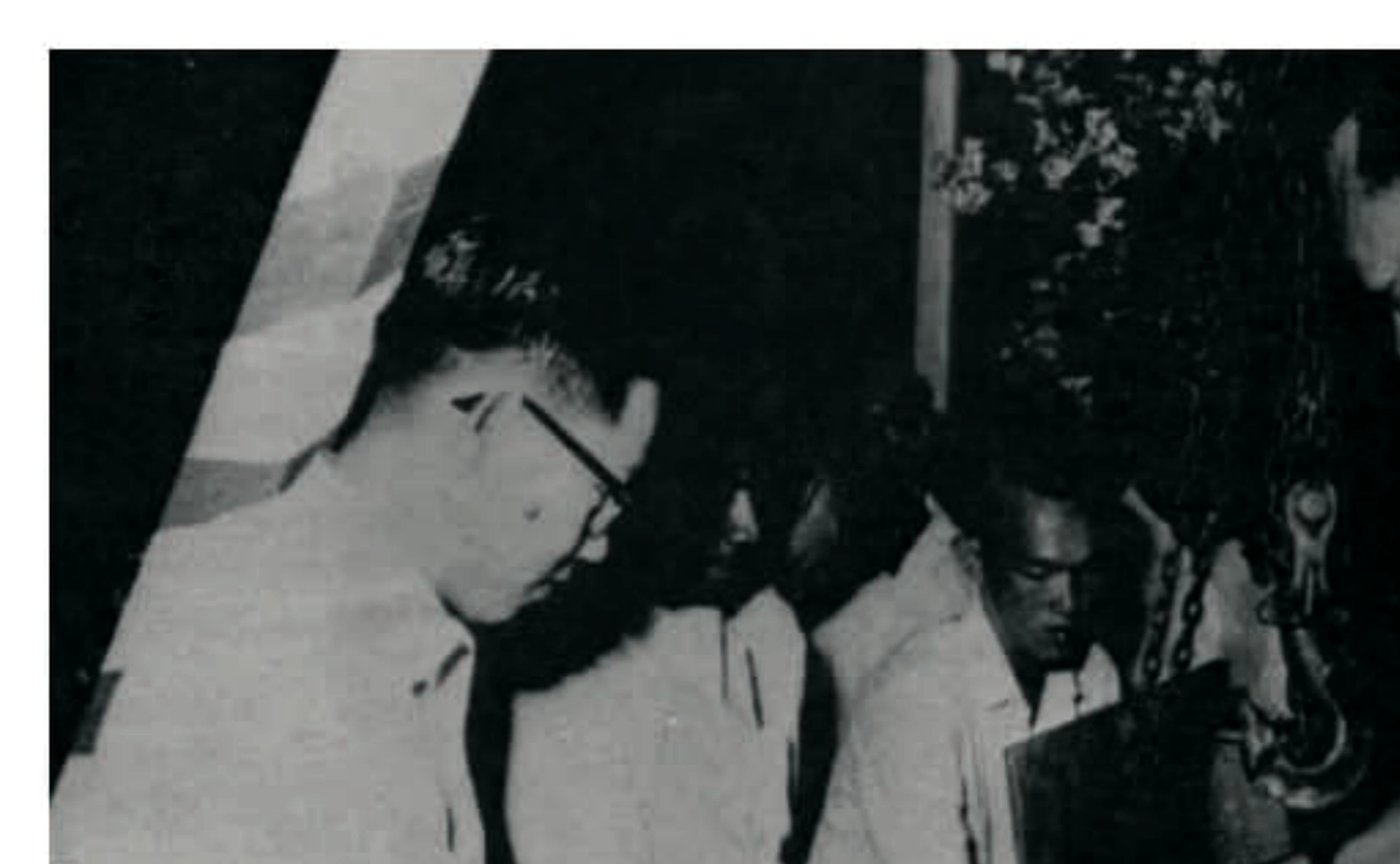
图1.1 1963年8月5日,李光耀为芽笼士乃发展项目奠基。 / Figure 1.1. Lee Kuan Yew laying the foundation stone for the Geylang Serai development, 5 August 1963.
图版来源 / Plate source: 李宏斌,《Geylang Serai Heritage Trail 2025 Edition》,2025;经作者授权收入本书,页内原始馆藏与摄影署名保持不变。 / Li Hongbin, Geylang Serai Heritage Trail 2025 Edition (2025), reproduced with the author’s permission; original archival and photographic credits remain on the plate.
本章核心问题:一座由国家重建计划产生的市场,如何在土地不安全、人口安置、跨国暴力和族群冲突交织的1964年以后,逐渐成为马来公共文化的全国性节点,并为多族群城市提供可重复进入的日常公共空间?
一、把1964年放回一条更长的时间线 / 1. Returning 1964 to a Longer Timeline
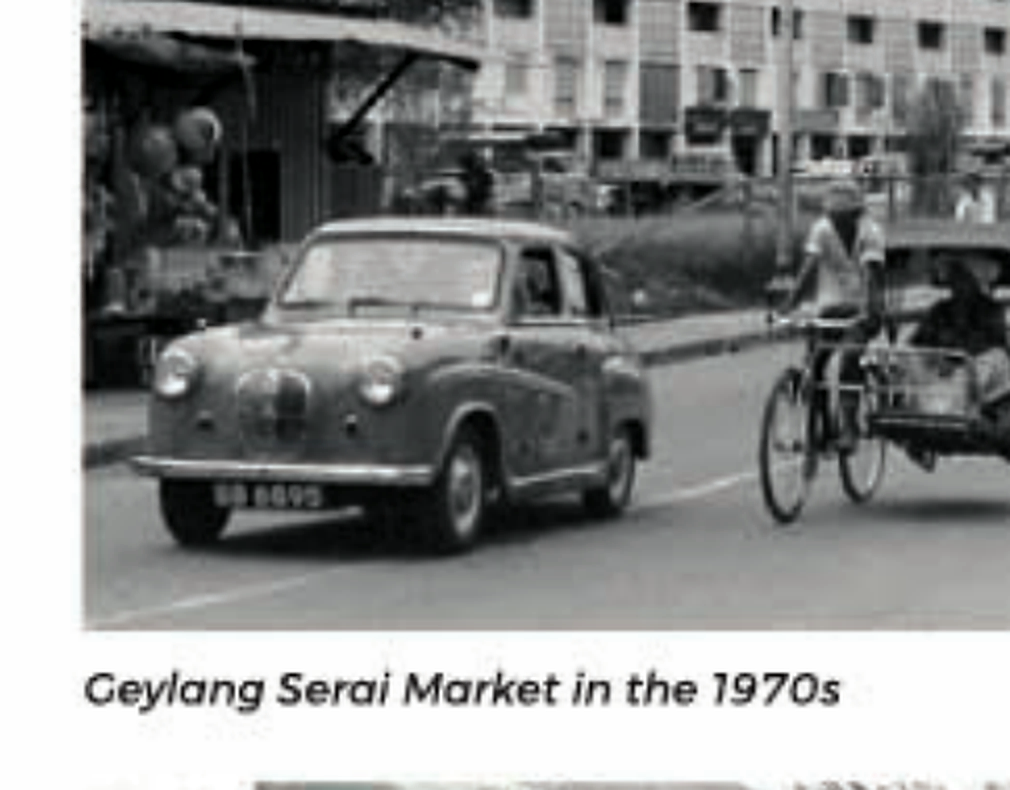
图1.2 1980年代芽笼士乃市场的人流与交易空间。 / Figure 1.2. Crowd and trading space at Geylang Serai Market in the 1980s.
图版来源 / Plate source: 李宏斌,《Geylang Serai Heritage Trail 2025 Edition》,2025;经作者授权收入本书,页内原始馆藏与摄影署名保持不变。 / Li Hongbin, Geylang Serai Heritage Trail 2025 Edition (2025), reproduced with the author’s permission; original archival and photographic credits remain on the plate.
1964年之所以成为芽笼士乃历史的高密度节点,并非因为市场、炸弹和族群冲突偶然发生在同一年,而是因为几条此前长期积累的结构变化在此交汇:庄园土地所有权悬而未决,甘榜人口密集而基础设施不足,政府启动大规模征地和公共住房,摊贩经济需要重新组织,马来人口的城市集中与国家族群政治同时进入新的阶段。市场开业只是其中最可见的一项工程。
如果把1964年市场写成政府赐予社区的现代设施,居民便只剩被动接受者;如果把它写成自发传统的自然延续,又会忽略征地、规划、搬迁和监管。市场的真实历史位于两者之间:它是国家建设的制度空间,也是居民通过交易、饮食、宗教规范和日常交往重新占用的社会空间。
The market, bombing and communal violence did not merely coincide in 1964. They marked the convergence of insecure estate tenure, dense kampung settlement, deficient infrastructure, compulsory acquisition, public housing, hawker reorganisation and a new phase of ethnic politics. The market was both a state-built institutional space and a social space repeatedly appropriated through trade, food, religious norms and everyday encounter.
二、从卫生问题到土地安全 / 2. From Sanitation to Security of Tenure
二十世纪中期的芽笼士乃仍有大量亚答屋、非正规居住和基础设施不足。1940年代末至1950年代初,政府讨论修建排水、管线和道路,并处理未经授权的住宅、土地征用和重新安置。官方现代化话语常把地区描述为需要清理的拥挤空间;但对居民而言,问题不仅是卫生,更是是否能够继续留在熟悉的社区。
1955年前后,居民关切明显转向土地所有权。听闻Alsagoff Estate可能拍卖后,居民要求政府购地,担心土地落入私人买家手中会使居住更加不稳定。这一诉求说明,“改善”不能只理解为工程投入。道路和排水提高生活条件,产权和征用却决定居民是否还能分享改善后的空间。1959年道路与排水工程推进时,土地未来仍未完全解决。
Mid-century improvement debates concerned drains, utilities, roads, unauthorised housing, acquisition and resettlement. For residents the question was not sanitation alone but whether they could remain to benefit from improvement. “40,000 may protest in Empress Place,” published by The Straits Times on 12 December 1955, reports the meeting, the proposed appeal for government purchase of the Alsagoff Estate land and residents’ fear that a private sale would deepen insecurity. The chapter cites this contemporaneous report and does not present it as the text of the petition itself.
三、400,000平方英尺:规划如何落地 / 3. 400,000 Square Feet: Planning on the Ground
1962年,政府取得约400,000平方英尺土地,范围据现有二次资料包括Changi Road、Jalan Alsagoff、Jalan Rebong和Jalan Turi之间的部分Perseverance Estate。这一地块把庄园史、道路史和国家住房工程连接起来。HDB随后提出3.7 million新元的芽笼士乃重建计划,包含住房、购物和康乐设施,被称为新加坡东部早期重要的政府住房工程。
1963年8月5日,李光耀为项目奠基。仪式照片一方面呈现国家领袖、工程和群众组成的现代化视觉;另一方面也提醒我们,典礼不能代表所有受影响者的经验。现有资料明确提到最初存在反对意见,居民、店主和摊贩后来接受替代住房、临时摊位和摊贩位置。所谓“同意”需要通过会议记录、安置条件、补偿和口述史进一步分析,不能只从项目完成倒推。
In 1962 the government acquired about 400,000 square feet, reportedly bounded by Changi Road, Jalan Alsagoff, Jalan Rebong and Jalan Turi. HDB then advanced a S$3.7 million scheme combining housing, shopping and recreation, and Lee Kuan Yew laid its foundation stone on 5 August 1963. Ceremony photographs document the public language of development, but project files, compensation terms and residents’ records are required to establish how consent and opposition were negotiated.
四、搬迁不是空间的空白过渡 / 4. Resettlement Was Not an Empty Interval
1960至1970年代,芽笼士乃居民被安置到Bedok、Haig Road、Marine Parade、Aljunied和Queenstown等地。搬迁改变的不只是住址,也改变赊账、照料、宗教活动、工作距离和顾客关系。对摊贩而言,临时摊位能否接近原有客流,决定了家庭经济能否持续;对居民而言,公共住房改善了卫生和设施,却可能分散亲属与邻里网络。
1965年,Geylang Serai Housing Scheme在原Great Eastern Park、Jalan Pasar Baru一带兴建住宅。Syarikat Perumahan Kebangsaan Singapore购入其中一座,以较低价格向迁移的马来家庭出售或出租。这个细节说明国家住房并非单一机构的垂直配置,还包含社群合作组织对族群安置问题的介入。市场、住房和社群组织必须放在同一张关系图中研究。
During the 1960s and 1970s residents moved to Bedok, Haig Road, Marine Parade, Aljunied and Queenstown. Relocation altered credit, care, worship, travel-to-work and customer networks even when housing conditions improved. NHB’s historical account of the 1965 Geylang Serai Housing Scheme and the purchase of a block by Syarikat Perumahan Kebangsaan Singapore supports the narrower conclusion that a communal organisation participated in rehousing; the text makes no claim about unrecorded individual transactions.
五、市场作为清真公共基础设施 / 5. The Market as Halal Public Infrastructure
1964年启用的芽笼士乃市场位于Changi Road与Sims Avenue之间,拥有四百多个摊位。2025年版遗产步道称其当时为新加坡唯一的Halal wet market and hawker centre。即使这一“唯一性”仍需回到同期执照与市场名录复核,它已经指出市场区别于一般零售设施的关键:清真规范把商品来源、屠宰、处理、摊位组合和消费者信任组织在一起,使市场成为宗教伦理、食品治理与城市经济的接口。
清真并不意味着市场只服务单一族群。交通位置、批零网络、价格、节庆需求和摊贩关系,使市场同时连接马来家庭、其他新加坡居民与马来西亚顾客。到了1970年代末和1980年代初,它成为全岛马来家庭与跨境购物者的重要目的地。市场由邻里设施升级为全国性节点,依靠的不是象征设计,而是长期交易形成的可信度与规模。
六、1964年的双重暴力 / 6. Two Forms of Violence in 1964
市场开业的同一年,芽笼士乃遭遇两种不同性质的暴力。1964年4月12日,在印尼“对抗”背景下,一枚炸弹在当地住宅楼爆炸,造成两人死亡。7月21日,在纪念先知穆罕默德诞辰的游行期间,新加坡爆发马来人与华人之间的族群骚乱,芽笼士乃成为相关事件和国家记忆的重要地点。两者不能混为一谈:前者属于跨国对抗与城市安全,后者涉及殖民末期政治、族群动员、谣言、路线和街道秩序。
把冲突纳入市场史,并不是声称市场导致或终止冲突,而是观察同一地区如何同时承载交易、居住、政治动员与恐惧。市场不是天然和谐的空间;它的公共性建立在差异群体愿意反复进入、规则能够维持、供应能够恢复以及安全感被重新建立的条件上。
A bomb exploded in a local residential block on 12 April 1964 during Indonesian Confrontation, killing two people. Communal riots began on 21 July during a procession marking the Prophet Muhammad’s birthday, with Geylang Serai becoming a major site in the events and their national memory. The incidents must not be conflated: one concerned transnational confrontation and urban security, the other late-colonial politics, mobilisation, rumour, routes and street order.
七、7月24日:国家进入社区 / 7. 24 July: The State Enters the Neighbourhood
遗产步道收录一幅1964年7月24日李光耀在骚乱后听取芽笼士乃居民意见的照片,图像来自新加坡国家档案馆所藏Ministry of Communications & Information Collection。照片的重要性不在于重复领袖慰问的叙事,而在于显示冲突之后“恢复信心”成为国家治理的公开任务。电视讲话、现场访问、警务、救济和日常交易恢复共同构成公共空间修复。
然而,国家在场不能替代社区修复。家庭如何恢复出行,摊贩何时重新营业,不同族群如何判断道路安全,宗教与社团领袖如何传递信息,这些过程需要口述史和报刊日程补充。只有把国家行动与微观生活并置,才能解释市场后来为何成为共享的城市节点,而不是把历史写成一场自上而下的成功。
A photograph reproduced in the heritage trail shows Lee Kuan Yew listening to residents in Geylang Serai on 24 July 1964 after the riots; its caption attributes the image to a National Archives collection. It demonstrates that restoring confidence became a visible task of governance. Yet official visits cannot stand for community repair. Newspaper chronologies, police records and oral histories are still needed to reconstruct when families resumed travel, stalls reopened and religious or civic leaders restored information and trust.
八、从设施到公共生活核心 / 8. From Facility to Centre of Public Life
市场的公共性不是开幕时一次性授予,而是在成千上万次重复交易中形成。顾客知道何时可以买到特定食材,摊贩建立稳定供应,家庭把节庆采购安排到此,交通经营者围绕客流调整,餐饮和街边商业随之聚集。市场因此产生“可预期的相遇”:人们不必共享身份和观点,也会因食物、价格、工作和家庭需要进入同一空间。
这类公共性比纪念性广场更日常,也更脆弱。它依赖可负担租金、摊位代际传承、供应链、卫生规定、交通和顾客信任。申遗若只保存市场外观,却使原有摊贩退出或商品结构完全旅游化,便会保留容器而损害机制。
The market’s public character was not conferred once at its opening. It emerged through repeated transactions, dependable supplies, festive purchasing, transport adaptation and surrounding food and street commerce. This “predictable encounter” allowed people without a common identity to share space through household need. It depended on affordable rents, succession between generations, regulation, transport and trust—mechanisms that preservation must sustain rather than merely retaining an architectural shell.
九、“马来中心”是如何形成的 / 9. How a “Malay Centre” Was Made
战后华人中较富裕者迁出、马来人口增加,使芽笼士乃在1950年代逐渐呈现马来人口集中的特征。公共住房和安置进一步改变人口空间。市场通过清真食品、马来商品和节庆消费巩固了这一中心性,但它不是一个与其他族群隔绝的飞地。Geylang Road及其lorongs仍由华人会馆、学校、庙宇、教会、餐饮和娱乐节点共同构成。
因此,市场的遗产意义不是证明“一个族群拥有一个地方”,而是说明马来公共文化如何在多族群城市走廊中获得稳定而可见的中心。中心性与混合性并存,正是芽笼士乃区别于封闭民族村展示模式之处。
Post-war demographic change and public-housing resettlement strengthened Geylang Serai’s Malay concentration. Halal food, Malay goods and festive consumption made that centre publicly visible, while the broader Geylang corridor continued to contain Chinese associations, schools, temples, churches, restaurants and entertainment. Its significance therefore lies not in exclusive ethnic possession but in the consolidation of Malay public culture within a mixed urban corridor.
十、1970—1980年代:全国与跨境节点 / 10. The 1970s–1980s: National and Cross-Border Networks
到1970年代末和1980年代初,芽笼士乃市场吸引来自新加坡各地的马来家庭以及马来西亚购物者。其影响范围超出邻里,形成连接家庭消费、节庆经济和跨境文化亲近性的网络。这里的“跨境”不是抽象全球化,而是语言、饮食、亲属、商品和交通共同缩短国家边界的具体实践。
这一阶段也是市场声望最适合通过口述史复原的时期。不同代际会记住气味、叫卖、拥挤、布料、肉类、香料、交通和节日前的购物节律。记忆材料需要与摊位名录、租金、执照、商品来源和客流数据相互校验,才能从怀旧转化为城市经济史。
By the late 1970s and early 1980s the market attracted Malay families from across Singapore and shoppers from Malaysia. Language, food, kinship, goods and transport made the border practically permeable. This period must now be reconstructed from stall directories, licences, rent records, commodity origins and oral testimony. Sensory memory is valuable, but only cross-checking can turn nostalgia into urban economic history.
十一、2003年拆除:连续性是否中断 / 11. Demolition in 2003: Was Continuity Broken?
旧市场在2003年被拆除并重建,属于老旧组屋区更新的一部分。这一事件构成真实性判断的分水岭。原有建筑材料、摊位布局和与周边住宅的视觉关系发生变化;若仅以建筑本体为遗产对象,完整性显然受到重大损失。新市场采用高斜屋顶、木质意象、织物纹样和廊道等“传统马来建筑”语言,并更名为Pasar Geylang Serai。
这种设计创造了更强的文化可见性,却也可能把历史复杂性压缩为风格符号。旧市场的历史价值来自国家规划、安置、清真治理和日常使用,并不来自仿传统外观。新建筑能否继承遗产意义,必须从功能、摊贩、顾客、位置、节律和记忆分别判断,不能用文化风格自动证明真实性。
The old market was demolished in 2003 as part of estate renewal. The replacement Pasar Geylang Serai used steep roofs, timber effects, weaving motifs and verandas to project Malay architectural identity. This created cultural visibility but could compress a complex history into style. Continuity must therefore be tested separately through function, traders, customers, location, rhythms and memory; vernacular imagery alone cannot authenticate a reconstructed building.
十二、市场与开斋节的年度时间 / 12. Market Time and Hari Raya
市场周边的Hari Raya Bazaar使芽笼士乃进入全国年度文化日历。斋月与开斋节将日常市场放大为夜间消费、亲友往来、服饰、食品和公共照明组成的季节性城市。年度重复使离开本区居住的人仍会返回,形成超越常住人口的文化社区。
但节庆成功也会带来租金、拥挤、同质商品和表演化风险。遗产管理不能以访客数字作为唯一指标,应追踪本地摊贩比例、传统商品链、居民可达性、宗教时间与商业时间的平衡。节庆的遗产价值在于文化再生产,而不是灯饰规模。
The Hari Raya bazaar places Geylang Serai within Singapore’s annual cultural calendar. Ramadan and Eid expand the everyday market into a seasonal city of food, clothing, visiting, night commerce and illumination, drawing back people who no longer live locally. Management should monitor local-trader participation, traditional supply chains, resident access and the balance between religious and commercial time, rather than using visitor numbers as the sole measure of success.
十三、作为世界遗产属性的市场 / 13. The Market as a World Heritage Attribute
若芽笼士乃进入世界遗产候选体系,市场可承担四种属性功能。第一,它是战后公共住房与城市现代化的物质见证;第二,它是清真食品治理与马来公共生活的功能节点;第三,它连接本地、多族群和跨境消费网络;第四,它承载1964年前后国家建设、冲突与公共空间修复的记忆。四项功能必须分别有证据,不能由“地标”一词笼统覆盖。
其最大弱点是原建筑已不存在。可能的论证路径不是宣称建筑连续,而是把市场作为系列遗产网络中的重构节点:与道路、原庄园边界、住宅、宗教和文化机构共同表达一套仍可读的关系。若这些关系已被交通、商业和更新完全切断,则市场只能作为解释与记忆场所,不能承担核心属性。
The market may express four distinct attributes: post-war public housing and modernisation; halal food governance and Malay public life; local, multi-ethnic and cross-border consumption; and memories of nation-building, violence and repair. Its principal weakness is the loss of the original structure. A credible route would treat it as a reconstructed node within a serial network of roads, former estate boundaries, housing, religious sites and cultural institutions—provided those relationships remain legible and protectable.
十四、第一章的结论 / 14. Chapter Conclusion
1964年的市场并不是从无到有创造马来公共生活的建筑,也不是未经制度介入自然延续的传统。它产生于土地不安全、卫生工程、征地、安置、摊贩治理和国家建设的交叉处;又在炸弹袭击和族群冲突的同一年,被置于安全、信任和公共秩序的压力之下。市场后来成为全国性文化与商业节点,说明规划空间能够被居民实践重新定义。
对世界遗产研究而言,这一章给出一个关键原则:芽笼士乃的价值不应以“最古老”或“保存最完整”证明,而应检验一种普通城市设施如何在剧烈变化中承载制度转换、文化规范和跨群体共同生活。它的说服力取决于我们是否敢于同时呈现建设与清拆、改善与迁移、冲突与修复、文化中心性与多族群混合。
The 1964 market neither created Malay public life from nothing nor continued untouched tradition. It emerged where insecure tenure, sanitation, acquisition, resettlement, hawker governance and nation-building met, and was tested in the same year by bombing and communal violence. Its later national role shows how residents can redefine planned space. The heritage argument must therefore present construction with clearance, improvement with displacement, conflict with repair, and Malay centrality with multi-ethnic urban mixture.
本章史料基础 / Documentary Basis of the Chapter
| 论题 / Question | 直接资料 / Direct sources | 本书结论 / Finding | 表述边界 / Scope |
|---|---|---|---|
| 1963年方案 | The Straits Times, 21 Apr & 14 Nov 1963; HDB town history | 约40万平方英尺、分期建设与Contract II可相互印证 | 不将报道范围写成法定地籍边界 |
| 1964年市场开业 | NAS PressR19640414b; PressR19640506b | 17 Apr开幕;5月有摊位抽签安排 | 不虚构未公开的全部摊主名单 |
| 清真市场功能 | NHB Roots market history | 清真食品、纺织与节庆采购构成地区中心性 | 不将“唯一”作为无时限的绝对断言 |
| 1964年爆炸与冲突 | NAS broadcasts; NLB; Hansard | 两类暴力的背景与机制不同 | 伤亡数据均注明统计时点 |
| 市场成为公共中心 | NHB Roots; market chronology | 功能通过重复交易、节庆与交通逐步建立 | 这是制度性解释,不是单一事件的结果 |
| 2003—2009年更新 | NAS 2003000277; NAS 2006003248; Archnet | SERS补偿、旧市场关闭与新项目设计可连续追踪 | 功能回归不等于原建筑材料延续 |
表1 第一章核心命题的证据成熟度。
原始记录与交叉印证 / Primary Records and Corroboration
1. Li Hongbin, Geylang Serai Heritage Trail, 2025 Edition, pp. 11–14。本文关于1930年代边界、战后人口、1955年土地关切、1959年道路排水、1962年征地、1963年奠基、1964年爆炸与冲突、1965年住房、1971年后续征地、市场规模及2003年重建的基础事实,现阶段主要据此整理。
2. 该步道资料将1963年8月5日奠基、1964年7月24日骚乱后访问等照片,与新加坡国家档案馆馆藏相联系。正式出版必须回查NAS原始记录、档案号、图片说明和使用许可。
3. 国家文物局Roots的市场史料记载,骚乱后的恐惧使部分原定迁入的街头摊贩却步,新市场一度被称为“White Elephant”;其后摊贩逐渐入驻,并于1975年完成首次升级。该叙述与本章有关市场恢复的分析相互印证。
4. “唯一Halal wet market and hawker centre”的表述目前来自2025年版步道资料。该主张涉及同期全岛市场比较,须以营业执照、市场名录或政府档案独立复核。
6. 1962年土地与地块范围:1963年4月21日《The Straits Times》对HDB方案的报道记载约400,000平方英尺的开发范围;HDB城镇沿革页确认芽笼士乃重建始于1963年并分三阶段进行。本书不把报道中的范围当作已核定的法定地籍边界。 / Land and project extent: The Straits Times of 21 April 1963 reported an HDB scheme of about 400,000 square feet; HDB’s town history confirms that redevelopment began in 1963 and proceeded in three phases. The reported extent is not presented as a legally surveyed cadastral boundary.
7. 1963年HDB工程:1963年11月14日《The Straits Times》刊载Geylang Serai Shopping Centre Contract II招标,内容包括两座十一层住宅及商店楼、325个单位以及道路、停车场和排水。该记录与HDB三阶段沿革相互印证。 / HDB works in 1963: The Straits Times of 14 November 1963 published the tender for Geylang Serai Shopping Centre Contract II, including two eleven-storey blocks with shops, 325 units, roads, car parks and drains. This contemporary record corroborates HDB’s three-phase history.
8. 市场开幕与摊位分配:NAS新闻稿PressR19640414b记录市场于1964年4月17日晚开幕;PressR19640506b保留了随后摊位抽签安排。两份同期政府文件分别固定了仪式时间与市场运作起点。 / Market opening and stall allocation: NAS PressR19640414b records the opening on the evening of 17 April 1964; PressR19640506b preserves the subsequent ballot arrangements for stalls. Together they establish the ceremonial and operational beginnings of the market.
10. 1965年住房与社群介入:NHB的芽笼士乃历史资料记述了Syarikat Perumahan Kebangsaan Singapore购入住宅楼、为迁移的马来家庭提供出售或出租住房的安排。本书以此说明社群组织介入安置的制度现象,不延伸至未由公开记录证实的个别交易。 / Housing and communal intervention in 1965: NHB’s Geylang Serai history records the purchase of a residential block by Syarikat Perumahan Kebangsaan Singapore for sale or rental to displaced Malay families. The account supports the institutional role of communal organisation in rehousing, not unrecorded details of individual transactions.
11. 1970—1980年代市场网络:NHB资料显示,芽笼士乃市场通过清真食品、纺织品与节庆采购吸引全岛顾客,并在1975年首次升级。本书据此讨论市场的区域中心性,不虚构未公开的摊位租金或供应商数列。 / Market networks in the 1970s and 1980s: NHB records island-wide patronage through halal food, textiles and festive shopping, as well as the first market upgrade in 1975. These sources support regional centrality, not invented stall-rent or supplier series.
12. 2003年SERS与新市场:NAS News 5 Tonight 2003000277记录2003年10月4日HDB完成Jalan Pasar Baru与Geylang Serai居民的SERS补偿方案;NAS 2006003248记录旧市场关闭;Archnet对项目的记录则说明Surbana设计、住宅楼、种植庭院及马来乡土建筑意象。 / SERS and the replacement market: NAS News 5 Tonight 2003000277 records HDB’s finalised compensation package on 4 October 2003; NAS 2006003248 records the old market’s closure; Archnet identifies Surbana’s design, housing blocks, planted courts and Malay vernacular references.
第二章 冲突之后:公共空间、媒体叙事与族群关系的修复
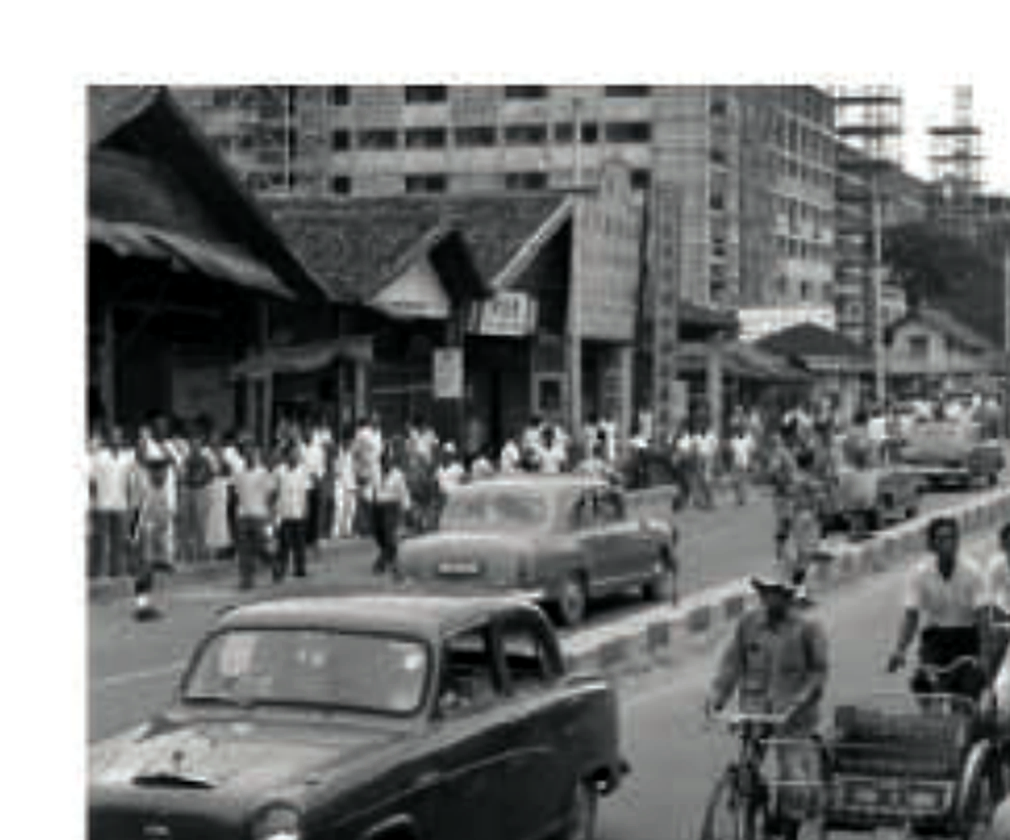
图2.1 1960年代的芽笼士乃市场与道路交通。 / Figure 2.1. Geylang Serai Market and its road traffic in the 1960s.
图版来源 / Plate source: 李宏斌,《Geylang Serai Heritage Trail 2025 Edition》,2025;经作者授权收入本书,页内原始馆藏与摄影署名保持不变。 / Li Hongbin, Geylang Serai Heritage Trail 2025 Edition (2025), reproduced with the author’s permission; original archival and photographic credits remain on the plate.
Chapter Two · After Conflict: Public Space, Media Narratives and the Repair of Communal Relations
本章核心问题 / Core question:1964年的暴力之后,国家制度、媒体传播、社区中介和日常市场如何共同恢复公共空间的可进入性与社会信任;这种修复过程能否由可核查、可定位的遗产属性表达?
一、冲突不是地方的永久身份 / 1. Conflict Is Not a Permanent Local Identity
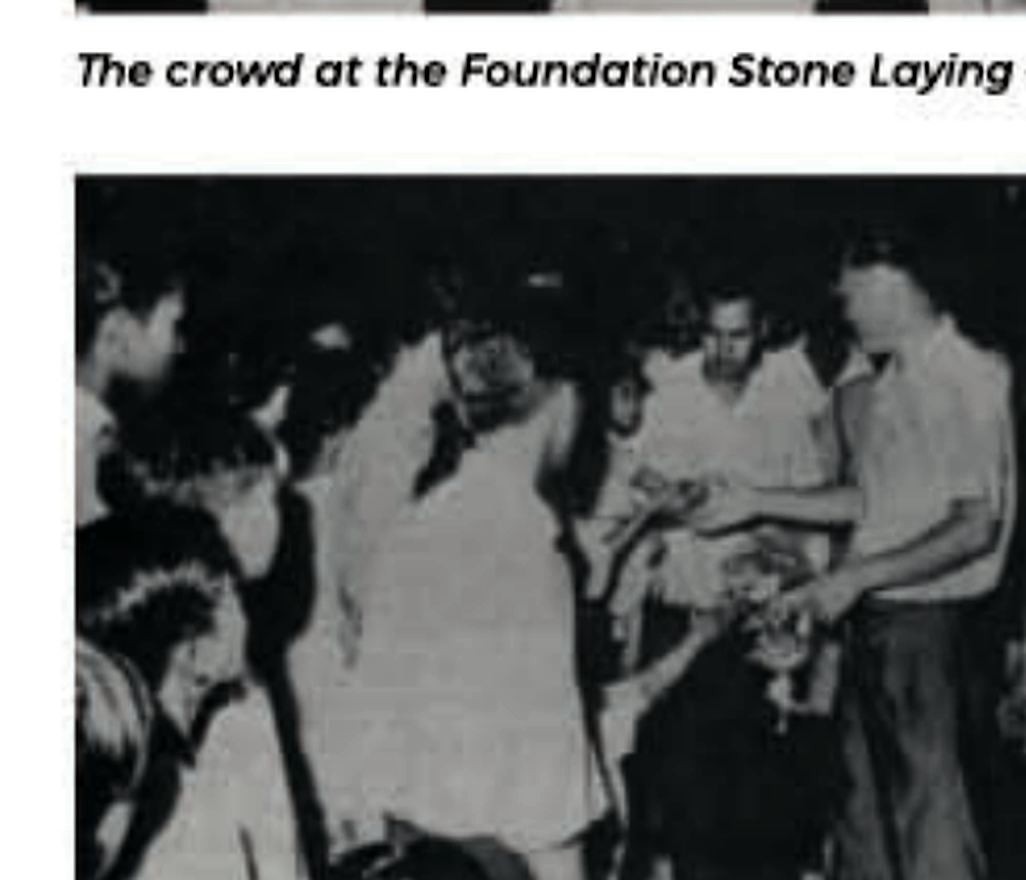
图2.2 1964年7月24日冲突后,李光耀在芽笼士乃听取居民意见。 / Figure 2.2. Lee Kuan Yew listening to residents in Geylang Serai after the riots, 24 July 1964.
图版来源 / Plate source: 李宏斌,《Geylang Serai Heritage Trail 2025 Edition》,2025;经作者授权收入本书,页内原始馆藏与摄影署名保持不变。 / Li Hongbin, Geylang Serai Heritage Trail 2025 Edition (2025), reproduced with the author’s permission; original archival and photographic credits remain on the plate.
1964年7月的族群冲突使芽笼士乃进入新加坡国家史,但“发生过冲突”不能成为地区唯一的历史标签。事件地点、促成事件的结构条件、当时人的行动以及后来形成的公共记忆属于不同层次。若把它们混在一起,街道会被写成暴力的天然容器,马来居民则会被固定为国家叙事中的问题对象。
本章关注的是冲突之后公共生活如何重新开始。修复并不意味着社会立即恢复原状,也不等于所有人接受同一解释;它是宵禁、警务、救济、广播、新闻、善意委员会、宗教与社群中介、市场复业和家庭路线选择共同作用的过程。芽笼士乃的遗产意义,正可能存在于这种“经历断裂但仍重建共同使用”的能力之中。
The violence of July 1964 placed Geylang Serai within Singapore’s national history, but it must not become the district’s sole identity. Event sites, structural conditions, contemporary actions and later memory belong to different analytical levels. This chapter asks how public life resumed through curfew, policing, relief, broadcasting, newspapers, Goodwill Committees, religious and community intermediaries, market reopening and household route choices. Heritage significance may lie in the capacity to rebuild shared use after rupture, not in an invented absence of conflict.
二、21日的游行、路线与街道秩序 / 2. The Procession, Its Route and Street Order
1964年7月21日,纪念先知穆罕默德诞辰的游行与随后爆发的冲突相连。对历史研究而言,必须分别核对获准路线、实际行进路线、最初冲突位置、消息传播、警力部署及人群分流。游行的宗教意义、政治语境与街道事件不能被一个简单因果句取代。
The procession of 21 July marking the Prophet Muhammad’s birthday preceded the violence. The sources used here establish the date, general area, curfew chronology and subsequent official responses, but not a reliable street-by-street reconstruction of the first confrontation. The chapter therefore analyses the documented spatial scale—procession, Geylang Serai and neighbouring kampungs—and excludes an unverified micro-route.
三、7月22日的广播:国家如何命名危机 / 3. The Broadcast of 22 July: Naming the Crisis
新加坡国家档案馆保存了李光耀于1964年7月22日晚九时通过Radio Singapore发表广播讲话的正式记录,文件号lky19640722。它不是对现场的透明复制,而是国家在危机第二天组织事实、责任、秩序与公众情绪的重要文本。
广播把分散的街头经验转化为全岛同时接收的政治语言。分析它时需要区分已核实事实、政府判断、安抚性表达与行动指令,并与马来文、中文和英文报刊互校。多语传播并不是同一信息的机械翻译:词汇、标题、版面和受众预设可能塑造不同的危机理解。
NAS preserves the formal record of Lee Kuan Yew’s Radio Singapore broadcast at 9 p.m. on 22 July 1964, document lky19640722. The broadcast is not a transparent copy of the street; it is a state text that organised facts, responsibility, order and public emotion on the second day of crisis. It must be separated into verified statements, governmental interpretation, reassurance and instruction, then compared across Malay-, Chinese- and English-language newspapers whose wording, headlines and audiences may have produced different understandings.
四、7月24日的访问:倾听作为公共治理 / 4. The Visit of 24 July: Listening as Governance
第一章所用照片显示,7月24日李光耀在芽笼士乃听取居民意见。把这幅照片放入连续时间线后,其意义不只是“领袖到访”,而是国家需要在具体社区重新建立可信的接触面。访问、广播与安全措施一起,将恢复信心变成可见的治理任务。
图像仍有明确边界:镜头选择谁站在中心、谁能够发言、谁被挡在画面之外。正式研究必须寻找同一场访问的完整照片序列、新闻影片、行程记录和居民回忆,避免以单幅官方影像替代社区的多重经验。
A photograph used in Chapter One shows Lee listening to residents in Geylang Serai on 24 July. In sequence with the broadcast and security measures, it demonstrates the need to restore credible contact within a specific community. Yet a photograph selects its centre and excludes voices beyond the frame. The complete photographic sequence, newsreel, itinerary and residents’ recollections must be retrieved before a single official image can support a fuller account.
五、善意委员会:制度化的中介空间 / 5. Goodwill Committees as Institutional Intermediaries
冲突后成立或动员的Goodwill Committees被官方历史视为恢复族群关系的重要机制。它们把国家政策带入选区和邻里,也把居民的安全、救济与交通问题带回行政体系。委员会的关键不在名称所表达的道德愿望,而在成员构成、覆盖范围、会议频率、处理事项与公众信任。
若缺少会议记录和当事人口述,“善意”容易成为无法检验的结果性词汇。本书将把委员会视作中介制度:考察它是否跨越语言与社群边界、能否处理谣言和具体纠纷、与警方及宗教组织如何分工,以及其活动何时由紧急响应转为长期社区治理。
Official histories identify Goodwill Committees as important mechanisms of communal repair. They carried public policy into neighbourhoods and brought local safety, relief and mobility concerns back into administration. Their significance depends not on the moral force of the name but on membership, reach, meeting frequency, cases handled and public trust. Minutes and oral histories are needed to test whether they crossed linguistic boundaries, managed rumours and disputes, and evolved from emergency response into durable community governance.
六、市场为何一度成为“白象” / 6. Why the Market Became a “White Elephant”
Roots官方市场史指出,新市场开业与1964年骚乱相遇,部分原定迁入的街头摊贩因担心遭到袭击而没有入场,市场因此一度被称为“白象”;街头摊贩仍在周边经营,后来摊位才逐步被占用。这个材料修正了把市场开幕直接等同于公共生活成功的线性叙事。
The official Roots history records that fear after the riots discouraged intended street hawkers from entering the newly opened market; surrounding street trading continued and the building was called a “white elephant” for a period. This corrects any linear equation of opening with success. Vacancy reflected the temporary misalignment of security, footfall, stall location, rent and established trading networks. The market’s later prosperity must therefore be explained from this interval of uncertainty.
七、报刊不是事件的镜子 / 7. Newspapers Are Not Mirrors
1964年的英文、马来文与中文报刊为逐日重建提供关键材料,但报道同时受到新闻时限、官方消息来源、宵禁、编辑立场和族群受众影响。标题对“riot”“disturbance”“clash”等词的选择,伤亡数字的更新速度,以及对地点和行动者的命名,都可能改变读者对责任与危险范围的判断。
本书不从单一报纸抽取一句话来证明总体结论,而将建立多语种事件矩阵:日期、版面、消息来源、地点、行动者、伤亡、管制措施和修复行动逐项对齐。矛盾之处不应被消除,而应成为理解信息环境的证据。
English-, Malay- and Chinese-language newspapers are essential to daily reconstruction but were shaped by deadlines, official sources, curfew, editorial positions and imagined readerships. Terms such as “riot”, “disturbance” and “clash”, revisions to casualty numbers, and the naming of places and actors could alter perceptions of blame and danger. The book will build a multilingual event matrix aligning date, page, source, place, actor, casualty, control measure and repair action; contradictions will remain evidence rather than being edited away.
八、口述史中的恐惧、沉默与互助 / 8. Fear, Silence and Mutual Aid in Oral History
官方记录通常能够提供命令、时间和机构行动,却难以说明居民怎样判断能否出门、从哪里购买食物、如何照顾儿童与老人,或如何从邻居处获得安全消息。口述史可以恢复这些生活尺度,也可能记录跨族群保护、避难与互助。
回忆并非未经加工的事实。访问年代、公共纪念框架、家庭叙事和后来身份都会影响讲述。访谈必须保留语言、停顿和不确定性,并与同期住址、道路、报刊和行政记录互校。沉默本身可以是创伤或政治谨慎的结果,但不能被研究者擅自解释。
Official files record orders and institutions more readily than decisions about leaving home, finding food, caring for relatives or trusting a neighbour’s warning. Oral history can restore those scales and record cross-communal shelter or assistance. Memory is nevertheless shaped by interview date, public commemoration, family narrative and later identity. Language, hesitation and uncertainty must be preserved and checked against addresses, roads, newspapers and administrative records; silence cannot be assigned a meaning by the researcher.
九、从紧急修复到日常共处 / 9. From Emergency Repair to Everyday Coexistence
公共空间的修复最终要在日常生活中完成:市场重新营业,公交路线恢复,儿童上学,宗教活动与家庭探访重新展开。它不是一场仪式,而是人们在一次次低风险接触中恢复可预期性。市场、咖啡店、道路和社区机构因此成为和平的基础设施。
这种共处也不是没有差异的和谐。不同群体可以保留各自语言、宗教与记忆,同时共同遵守交易、安全和邻里规则。芽笼士乃若具有超越地方的比较价值,就不在于它从未冲突,而在于普通城市设施如何承载冲突后的社会复原。
Repair was completed through ordinary acts: stalls reopened, buses resumed, children returned to school, worship and family visits recommenced. Repeated low-risk encounters restored predictability, making markets, coffee shops, streets and community institutions infrastructures of peace. Coexistence did not erase difference. The comparative value of Geylang Serai may lie in showing how ordinary urban facilities sustained social recovery after violence.
十、谁在讲述1964年 / 10. Who Narrates 1964?
1964年后来被纳入国家多元种族教育、纪念活动、博物馆展示和地方步道。不同媒介选择不同起点:有的强调外部煽动,有的强调国内政治,有的突出国家领导,有的保存居民互助。遗产化不是把其中一种叙事固定为唯一答案,而是公开证据来源、形成时间和叙事目的。
芽笼士乃社区应拥有解释自身经历的权利,但“社区”也不是单一声音。亲历者、迁出者、摊贩、不同语言群体、后代居民和国家机构都可能持有不同记忆。共同治理的前提,是让这些位置能够被识别和比较,而非在和谐口号下消失。
The events later entered multiracial education, commemoration, museums and heritage trails. Some accounts stress external agitation, some domestic politics, some state leadership and some neighbourly help. Heritage should disclose when, by whom and for what purpose each narrative was made. “Community” is not one voice: eyewitnesses, relocated families, traders, language groups, descendants and state institutions hold different positions that shared governance must make comparable.
十一、申遗属性:修复关系的可见载体 / 11. Nomination Attributes: Visible Carriers of Relational Repair
冲突后的修复若要成为世界遗产论证,必须依附于可定位载体:游行和管制所涉及的道路;市场及周边商业;接触居民、救济和组织会议的地点;广播、照片、报刊和口述史组成的档案群;以及延续社区服务的制度节点。
这些载体的真实性各不相同。道路位置可能仍在而尺度已变;市场功能持续但建筑重建;委员会制度可能转型;档案保存了行动却脱离原现场。系列遗产方法可以表达关系,但前提是每个节点都对核心机制不可替代,而不是把所有相关地点无差别打包。
Potential carriers include roads involved in procession and control; the market and surrounding commerce; sites of meetings, relief and resident contact; the archival ensemble of broadcasts, photographs, newspapers and oral histories; and institutions that continued community service. Their authenticity varies—roads survive with changed scale, the market retains function in a replacement building, institutions transform and archives are removed from site. A serial approach is credible only when each node is indispensable to the central mechanism.
十二、本章结论:和平也有城市史 / 12. Conclusion: Peace Has an Urban History
1964年后的芽笼士乃并非从暴力自动回到和谐。国家通过广播、访问、治安与委员会介入,居民则通过谨慎出行、互助、复业和反复交易恢复生活。市场一度空置,正说明制度空间必须重新取得社会信任才能成为公共空间。
本章由此提出全书第二个核心判断:和平不是冲突史的空白结尾,而是一种由传播、制度、基础设施与日常实践共同生产的城市过程。它可以被研究,也应被保护;但只有在警方、报刊、委员会和口述史原件进一步到位后,才能转化为成熟的世界遗产证据。
Geylang Serai did not move automatically from violence to harmony. The state acted through broadcasting, visits, security and committees; residents restored life through cautious movement, mutual aid, reopening and repeated exchange. Temporary market vacancy shows that institutional space becomes public only by regaining social trust. Peace is therefore an urban process jointly produced by communication, institutions, infrastructure and daily practice. It becomes mature World Heritage evidence only when police, press, committee and oral-history originals are secured.
第二章事件—证据时间线 / Event–Evidence Timeline
| 日期 / Date | 事件 / Event | 主要资料 / Principal source | 可支持的结论 / Supported finding |
|---|---|---|---|
| 12-04-1964 | 住宅楼爆炸,两人死亡 | NHB historical account | 与7月族群冲突分开叙述 |
| 21-07-1964 | 游行期间爆发冲突 | NLB account; NAS broadcasts | 确立日期、一般地区与宵禁次序;不虚构微观路线 |
| 22-07-1964 21:00 | 李光耀Radio Singapore广播 | NAS lky19640722 | 八人死亡、三百余人受伤是该广播时点的数字 |
| 24-07-1964 | 政府访问与社区接触 | NAS lky19640724; Founders’ Memorial chronology | 芽笼士乃与Kampong Kembangan被明确列为修复联络地点 |
| 26-07-1964 | 善意联络委员会与生活供给 | NAS lky19640726; NHB Roots | 委员会协调安全与复市,组成也曾被调整 |
表2 / Table 2 第二章关键事件及证据成熟度。 / Key events and evidentiary maturity for Chapter Two.
第二章主要史料 / Principal Sources for Chapter Two
1. 1964年7月22、24、26日的Radio Singapore广播稿(NAS文件lky19640722、lky19640724、lky19640726)直接记录了宵禁、伤亡、生活供给与Goodwill Liaison Committees的组建,且显示委员会并非没有政治争议。 / Radio Singapore scripts of 22, 24 and 26 July 1964 (NAS lky19640722, lky19640724 and lky19640726) directly record the curfew, casualties, supply arrangements and formation of Goodwill Liaison Committees, while also showing that committee composition was contested.
2. NLB《1964年族群骚乱》条目、英国上议院1964年7月29日辩论与NAS 1964年9月29日Emergency Civil Disturbance Plan为伤亡数字和政府应对提供了不同时点的交叉记录。本书因此按日期标示数字,不将不同统计时点混为一个总数。 / The NLB account, the House of Lords debate of 29 July 1964 and the NAS Emergency Civil Disturbance Plan of 29 September preserve casualty and response figures from different dates. Figures in this book are therefore dated rather than collapsed into a single total.
3. NHB Roots对芽笼士乃及其市场的条目,记录了居民响应善意委员会、部分小贩因恐惧延迟迁入、市场一度成为“white elephant”及1975年升级。这些记述在本章中与同期广播和市场文件并读,而非单独承担因果结论。 / NHB Roots records resident participation in goodwill committees, delayed hawker entry, the market’s temporary “white elephant” reputation and its 1975 upgrade. The chapter reads this account alongside contemporary broadcasts and market records rather than treating it as a self-sufficient causal explanation.
4. 鉴于本版不复制上述档案影像,文中仅作精确文号与链接引用;对于未能由现有记录支持的委员名单、个人动机与医院细目,正文不作断言。 / The edition cites document numbers and links without reproducing restricted archival images. It makes no claims about committee rosters, individual motives or hospital-level particulars that the identified record set cannot support.
第二编 海峡世界与地方生成
PART II · STRAITS WORLD AND LOCAL FORMATION
第三章 在莱佛士之前
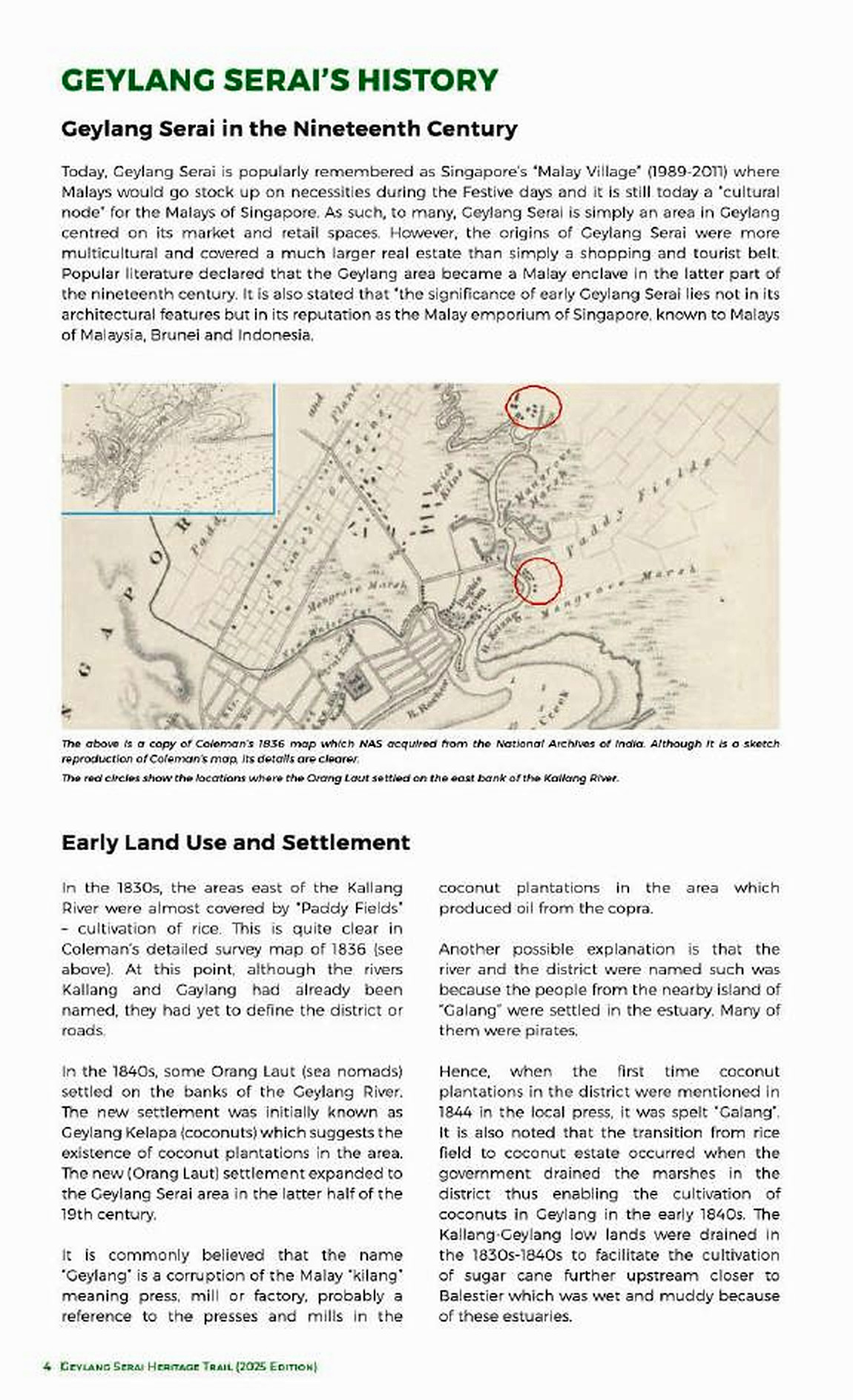
图3.1 十九世纪芽笼地区历史地图与早期土地使用 / Figure 3.1. Nineteenth-century maps and early land use
图版来源 / Plate source: 李宏斌,《Geylang Serai Heritage Trail 2025 Edition》,2025;经作者授权收入本书,页内原始馆藏与摄影署名保持不变。 / Li Hongbin, Geylang Serai Heritage Trail 2025 Edition (2025), reproduced with the author’s permission; original archival and photographic credits remain on the plate.
Orang Laut、河流系统与芽笼士乃的海峡世界起源
Chapter Three · Before Raffles
Orang Laut, River Systems and the Straits-World Origins of Geylang
Serai
芽笼士乃的前史应被理解为“水域空间向陆地城市的制度转换”,而不是从Orang Laut到今日社区的未经证明的族群直系延续。 / The prehistory of Geylang Serai is best understood as an institutional conversion from aquatic space to a terrestrial city, not as an unproven line of ethnic descent from the Orang Laut to the present community.
一、问题的重新提出:不是寻找一条直线祖先史 / Reframing the Question: Not a Linear Ancestry
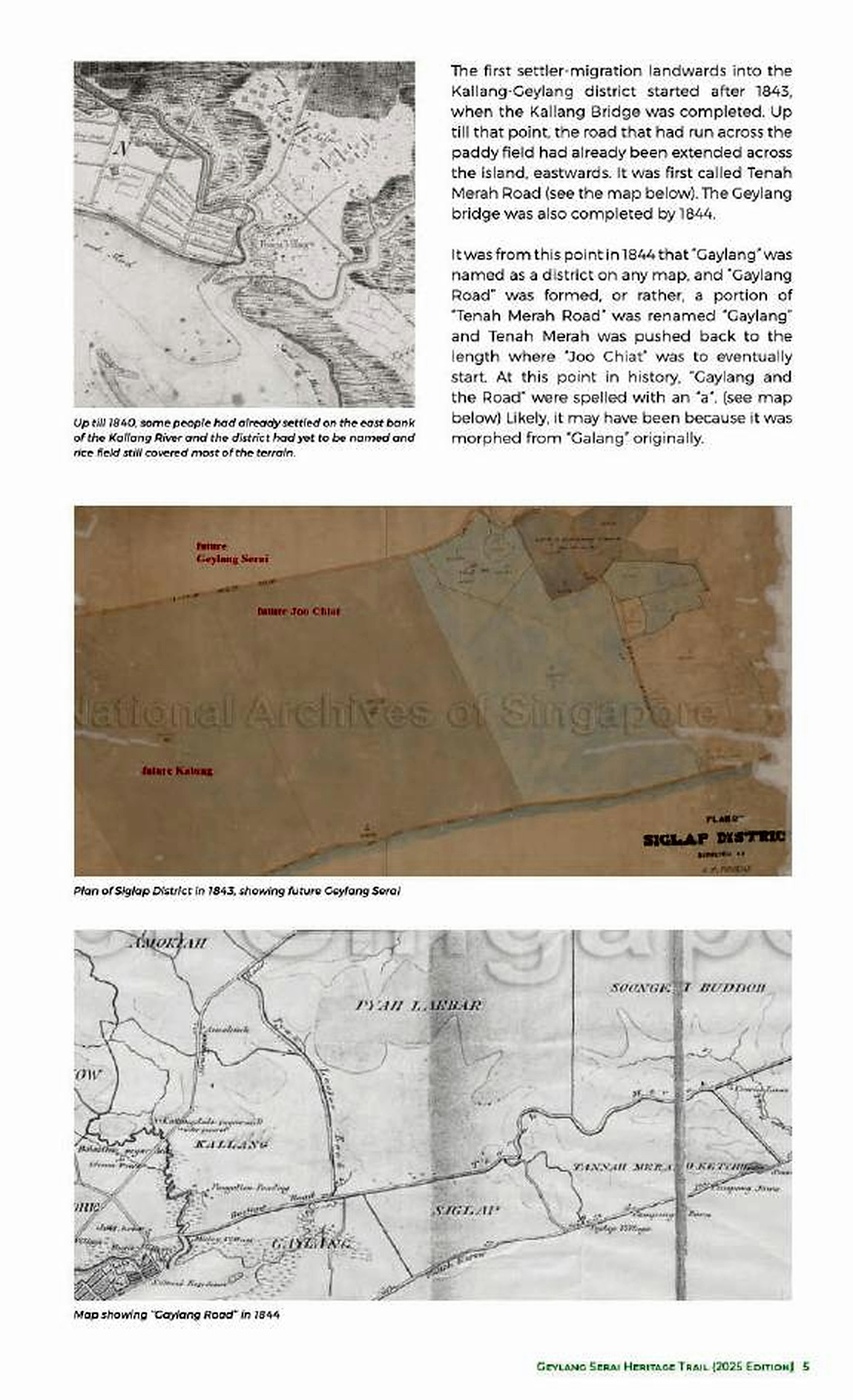
图3.2 早期地图中的河流、村落与岸线 / Figure 3.2. Rivers, villages and shorelines in early maps
图版来源 / Plate source: 李宏斌,《Geylang Serai Heritage Trail 2025 Edition》,2025;经作者授权收入本书,页内原始馆藏与摄影署名保持不变。 / Li Hongbin, Geylang Serai Heritage Trail 2025 Edition (2025), reproduced with the author’s permission; original archival and photographic credits remain on the plate.
把芽笼士乃的历史写到1819年以前,最大的危险,是为了获得更古老的起点而制造一条并不存在的连续谱系。现有证据可以证明,新加坡在殖民港口建立以前已经属于柔佛—廖内海峡世界;河口、潮滩、岛屿与近岸水道并非城市的空白背景,而是Orang Laut诸群体生活、航行、捕鱼、交换与政治服务的空间。现有证据也可以证明,Orang Kallang与加冷河口之间存在明确联系。然而,这两项判断并不能自动推出“今天的芽笼士乃就是Orang Kallang聚落的直接延续”。本章因此拒绝以族源神话代替地方史,而把研究对象界定为一种空间生成关系:今日芽笼士乃所在的新加坡东部,如何从以水为路、以河口为节点的海峡环境,转化为道路、地块、庄园和市场所组织的陆域城市。
这一转换的意义不在于给芽笼士乃安置一个遥远祖先,而在于恢复被现代地图遮蔽的第一层城市逻辑。1849年地图已经标出Gaylang村、Pulo Gelang以及椰林;后来填海与加冷盆地工程使岛屿、潮滩和旧岸线消失。由此可见,今天看似稳定的陆地边界,是长期水文改造的结果。申遗叙事若只从建筑或市场开始,就会把造成这些建筑与市场的更深层空间条件遗漏掉。
Extending the history of Geylang Serai to the period before 1819 carries a major risk: the temptation to manufacture an unbroken genealogy merely in order to secure an ancient origin. The available evidence supports two narrower propositions. First, pre-colonial Singapore formed part of the Johor–Riau straits world, in which estuaries, tidal flats, islands and near-shore channels were lived, navigated, fished and governed spaces associated with diverse Orang Laut communities. Second, the Orang Kallang were specifically connected with the Kallang River estuary. Neither proposition, however, proves that present-day Geylang Serai is the direct continuation of an Orang Kallang settlement. This chapter therefore rejects an origin myth and examines a spatial transformation: how eastern Singapore moved from a water-oriented landscape of estuarine nodes to a terrestrial city ordered by roads, surveyed parcels, estates and markets.
The significance of this transition is not that it supplies Geylang Serai with a remote ancestor. It restores the earliest layer of urban logic obscured by the modern map. An 1849 map identifies Gaylang village, Pulo Gelang and extensive coconut cultivation; later reclamation and works around the Kallang Basin erased islands, tidal margins and earlier shorelines. Apparently stable land boundaries are therefore historical products of hydrological engineering. A heritage account beginning only with surviving buildings or the market would omit the spatial conditions from which they emerged.
二、海峡不是边缘:水域政治与移动社会 / The Straits Were Not a Margin: Aquatic Politics and Mobile Societies
在陆地国家的地图上,海面常被处理成聚落之间的空白;在海峡世界的历史中,情况恰好相反。海面是通道,河口是接口,岛屿是停泊、补给、侦察和控制航线的节点。Orang Laut不是悬浮在国家之外的“原始海民”,而是与马来王权、港口交换和区域安全相联系的多种社群。其政治作用随时间和地点而异,不能以单一身份概括。把他们重新放回历史,不只是补充一个被遗漏的族群,而是改变我们理解空间的单位:历史的基本单元不再只是村庄和土地,也包括航路、季风、浅滩、河口知识与跨岛亲缘。
这一视角使芽笼地区获得新的解释。它在十九世纪被测量为村庄、种植园和道路之前,东南岸与加冷盆地并不是等待开发的边缘。水域将这一地区连接到新加坡河口、南部岛屿、柔佛海岸与廖内群岛。所谓“前城市”,并非没有社会组织,而是其组织方式较少留下砖石遗迹,更依赖船只、口述知识、季节性行动和可变岸线。世界遗产研究必须承认这种证据不对称:殖民测绘保存了土地占有者的边界,却很少保存移动者的空间。
On land-centred maps, the sea is often represented as empty space between settlements. In the historical straits world, the opposite was true. Water was a route; an estuary was an interface; an island could be an anchorage, supply point, lookout and instrument of passage control. The Orang Laut should not be reduced to a timeless category of ‘primitive sea nomads’. They comprised differentiated communities linked, in changing ways, to Malay rulership, port exchange and regional security. Restoring them to the narrative does more than add an omitted people. It changes the unit of historical analysis: routes, monsoons, shoals, estuarine knowledge and inter-island kinship become as important as villages and landed parcels.
This perspective alters the interpretation of the Geylang area. Before nineteenth-century surveys rendered it as villages, plantations and roads, the southeastern shore and Kallang Basin were not undeveloped margins. Water connected them with the Singapore River mouth, the southern islands, the Johor coast and the Riau Archipelago. A ‘pre-urban’ landscape was not socially unorganised; its organisation simply left fewer masonry remains and depended more heavily on vessels, oral knowledge, seasonal movement and mutable shorelines. World Heritage research must recognise this evidentiary asymmetry: colonial surveys preserved the boundaries of landholders far more readily than the spaces of mobile communities.
三、Orang Kallang:可以证明什么,不能证明什么 / The Orang Kallang: What the Evidence Can and Cannot Establish
较晚的殖民记录、地方记忆和现代研究普遍把Orang Biduanda Kallang置于加冷河及其河口环境,并将其纳入更广义的Orang Laut世界。相关研究还讨论了1819年前后的迁移、部分群体前往柔佛Pulai河,以及疾病与人口衰减。然而材料大多经过殖民官员、后来的民族志作者或现代学者转述,名称本身也可能把不同时间的群体固化为一个稳定“部族”。因此,本书采用最低充分结论:十九世纪初存在与加冷河口密切相关、以船居和水域生计见称的人群;他们构成新加坡前殖民及殖民初期社会的一部分。
本书不作三种越界推论。第一,不把所有新加坡海上居民统称为同质的Orang Laut。第二,不把Orang Kallang与后来芽笼士乃的马来居民建立未经族谱、口述史与连续居住记录支持的血缘直线。第三,不因现代芽笼河与加冷河在同一盆地汇合,就把整个盆地视为单一历史聚落。严格限制结论,反而增强申遗可信度:遗产价值可以来自空间制度的转换与记忆断裂,不必依赖虚构的连续性。
Later colonial records, local memories and modern scholarship generally associate the Orang Biduanda Kallang with the Kallang River and its estuary, and place them within the wider world of Orang Laut communities. The literature also discusses movements around 1819, the relocation of some families towards the Pulai River in Johor, and demographic decline associated with disease. Much of this evidence, however, was mediated by colonial officials, later ethnographers or modern scholars. The name itself may freeze communities from different periods into a single stable ‘tribe’. This book therefore adopts a minimum sufficient conclusion: in the early nineteenth century, a boat-dwelling and water-oriented population was closely associated with the Kallang estuary and formed part of Singapore’s pre-colonial and early colonial society.
Three stronger claims are excluded. The book does not treat all maritime inhabitants of Singapore as a homogeneous Orang Laut population. It does not construct a direct genealogical line between the Orang Kallang and later Malay residents of Geylang Serai without genealogies, oral histories and continuous residence records. Nor does it treat the entire basin as a single historical settlement merely because the modern Geylang and Kallang rivers meet within it. Such restraint strengthens rather than weakens a nomination: heritage significance may lie in the transformation of spatial regimes and in remembered rupture, without depending upon invented continuity.
四、河流系统:从海岸接口到殖民地块 / River Systems: From Coastal Interfaces to Colonial Parcels
Geylang的早期地图证据提示,村庄、岛屿、河道与生产景观曾构成一个彼此联结的整体。1849年图上的Gaylang village与Pulo Gelang证明,当时的岸线和地貌不同于今日;椰林则显示水域系统已经与定居农业及市场交换结合。河流不仅排水,也为人员、农产和小型船只提供通行条件。随着道路铺设、土地测量、庄园扩展与后来的排水、渠道化和填海,水面逐渐从生活网络的中心退为城市基础设施。
这种变化并非简单的“自然变城市”。它至少包含四种相互作用:权属制度把可变环境固定为地块;工程制度把潮汐与洪水转译为排水问题;交通制度以道路替代部分水路;视觉制度则在地图上删除旧岛、旧湾和沼泽。Pulo Gelang的消失尤其重要:一个地名仍可在文献中被检索,而承载该名称的地貌却已被并入陆地。对芽笼士乃而言,真实性不能只按原物质是否完整保存来判断,还应辨认旧水系在道路走向、地势、市场流线、地名和集体记忆中的残余。
Early cartographic evidence for Geylang suggests that village, island, channel and productive landscape once formed an interconnected whole. The appearance of Gaylang village and Pulo Gelang on an 1849 map demonstrates a shoreline and topography different from those of today; the mapped coconut plantation indicates that water systems were already combined with settled agriculture and market exchange. Rivers did not merely drain land. They enabled the movement of people, produce and small craft. With road construction, cadastral survey, estate expansion, drainage, canalisation and reclamation, water gradually shifted from the centre of a lived network to the status of urban infrastructure.
This was not a simple progression from nature to city. At least four regimes interacted: property law fixed a mutable environment into parcels; engineering translated tide and flood into drainage problems; transport systems substituted roads for some waterways; and cartographic conventions removed former islands, bays and marshes from the visible city. The disappearance of Pulo Gelang is especially revealing. A name may remain searchable in documents after the landform that carried it has been absorbed into the mainland. For Geylang Serai, authenticity therefore cannot be judged only through intact original fabric. Residues of earlier waterscapes must also be sought in street alignments, topography, market circulation, place names and collective memory.
五、从水域知识到陆地城市:一次非对称转换 / From Aquatic Knowledge to the Terrestrial City: An Unequal Transition
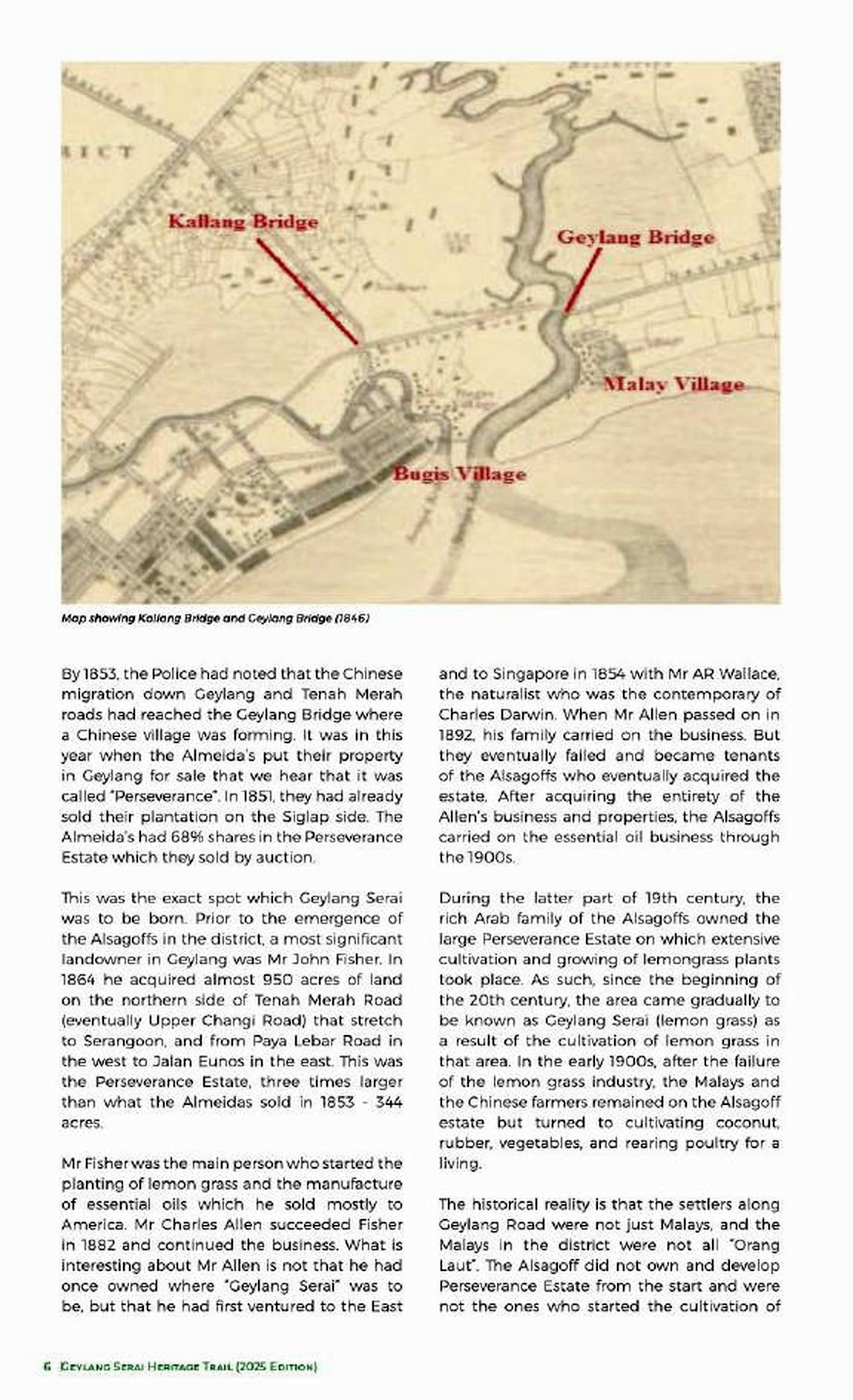
图3.3 加冷、芽笼与马来村落的空间关系 / Figure 3.3. Spatial relations among Kallang, Geylang and Malay settlements
图版来源 / Plate source: 李宏斌,《Geylang Serai Heritage Trail 2025 Edition》,2025;经作者授权收入本书,页内原始馆藏与摄影署名保持不变。 / Li Hongbin, Geylang Serai Heritage Trail 2025 Edition (2025), reproduced with the author’s permission; original archival and photographic credits remain on the plate.
殖民城市并不是在空地上建成的,而是把既有环境知识选择性地吸收进新的制度。航道与河口知识可被用于勘测、运输和港务,但知识的持有者未必获得土地权利、公共纪念或档案主体地位。随着岸线整治与土地价值上升,移动生活方式越来越难与固定产权、卫生规制和警务分类兼容。水域居民由空间的使用者逐渐变成行政记录中的问题人口,继而从核心城市叙事中消失。
这一过程是本书所称的“空间翻译”:一种以关系、季节和通行为核心的空间,被翻译成以边界、地址和所有权为核心的空间。翻译并非完全抹除旧系统;河流仍决定低地与洪水,旧路线影响后来的道路和聚落,马来语地名继续携带环境记忆。但翻译改变了什么能够被看见、登记和继承。芽笼士乃后来成为马来公共生活的重要中心,不能被简单说成海上社会的延续;更准确的说法是,它在已被陆地化、测量化的东部空间中重新组织了马来社会、贸易和公共文化。
The colonial city was not built on empty ground. It selectively incorporated existing environmental knowledge into new institutions. Knowledge of channels and estuaries could be used for surveying, transport and port administration, while its holders did not necessarily receive land rights, public commemoration or archival agency. As shorelines were engineered and land values rose, mobile lifeways became increasingly incompatible with fixed property, sanitary regulation and police classification. Water-oriented inhabitants moved from being users of space to being administrative ‘problems’, and then disappeared from the city’s dominant narrative.
This is a process of spatial translation: a space organised through relations, seasons and passage was translated into one organised through boundaries, addresses and ownership. The translation did not entirely erase the earlier system. Rivers continued to determine low ground and flood risk; earlier routes influenced later roads and settlements; Malay place names retained environmental memory. Yet it changed what could be seen, registered and inherited. Geylang Serai’s later emergence as a major centre of Malay public life should not be described simply as the continuation of a maritime society. More precisely, it reorganised Malay sociality, trade and public culture within an eastern landscape that had already been terrestrialised and surveyed.
六、申遗意义:把缺席转化为可证明的历史属性 / World Heritage Significance: Turning Absence into a Demonstrable Attribute
世界遗产申报不能依靠已经消失的海岸和无法精确定位的移动社群来替代现存属性,但也不能因为物质形态变化巨大而删去整个水域历史。正确的方法,是把早期海峡世界作为解释现存城市结构的深层层位,并寻找可识别、可测绘、可管理的承载物:Geylang River及其与加冷盆地的关系;历史岸线与Pulo Gelang的复原范围;延续至今的马来地名;历史道路与旧水系的交叉;市场、宗教空间和节庆流线对区域网络的再组织;以及博物馆、社区记忆与口述史中关于水域生活的证词。
由此,本章对突出普遍价值作出有限但关键的贡献。它不单独证明标准(ii)、(iii)或(v),而是建立一个长时段机制:海峡移动网络经过殖民测绘、土地制度和水利工程,被转换为近现代多族群城市空间。若后续章节能够证明这一转换在芽笼士乃形成了具有区域代表性、仍可辨识且由活态社区持续使用的属性组合,那么早期水域层将成为申遗论证的必要起点。若无法找到足够的现存承载物,则这部分只应作为重要历史背景,而不应被夸大为核心遗产属性。
A World Heritage nomination cannot substitute vanished shorelines and imprecisely located mobile communities for present attributes. Nor should it erase the aquatic past merely because material transformation has been extensive. The appropriate method is to treat the early straits world as a deep historical layer that explains surviving urban structure, and to identify attributes that can be located, mapped and managed: the Geylang River and its relation to the Kallang Basin; reconstructed historic shorelines and the former extent of Pulo Gelang; surviving Malay place names; intersections between historic roads and former waterways; the reorganisation of regional networks through markets, religious spaces and festival routes; and testimony concerning water-oriented life preserved in museums, community memory and oral history.
The chapter thus makes a limited but essential contribution to Outstanding Universal Value. It does not independently prove criteria (ii), (iii) or (v). It establishes a long-duration mechanism: straits mobility networks were transformed through colonial survey, property systems and hydraulic engineering into a modern multicultural urban space. If subsequent chapters demonstrate that this transformation produced a regionally representative, still legible and continuously used combination of attributes in Geylang Serai, the aquatic layer becomes a necessary starting point for nomination. If sufficient present-day carriers cannot be identified, it must remain significant historical context rather than being inflated into a core heritage attribute.
七、本章结论:城市从水中生成 / Conclusion: A City Generated from Water
芽笼士乃的前史不是一条可以从Orang Laut直接画到今日市场的族群直线,而是一场空间制度的长转换。加冷河口的Orang Kallang证明殖民以前的新加坡东南水域已有社会与政治生活;Gaylang村、Pulo Gelang和椰林证明十九世纪中叶水域、聚落与生产并存;其后的测量、道路、排水与填海,则把这种关系重新编码为陆地城市。今日芽笼士乃的意义,正是在这片被重新编码的空间上,进一步形成庄园、宗教、商业、住房、市场和国家公共文化的多层叠加。
因此,本章真正恢复的不是一个浪漫化的“海民祖先”,而是城市形成中被遗忘的水域变量。只有承认岸线曾经移动、岛屿曾经存在、河流曾经是道路、移动社群曾经拥有空间知识,我们才能理解后来土地为何如此划分、道路为何如此延伸、公共中心为何在此形成。芽笼士乃的世界遗产潜力若成立,不会因为它保存了一座冻结的古城,而将因为它仍能展示:海峡社会如何在剧烈现代化中改变介质、重组关系,并把部分旧世界带入新的城市生活。
The prehistory of Geylang Serai is not an ethnic line that can be drawn directly from the Orang Laut to today’s market. It is a long transformation of spatial institutions. The Orang Kallang at the Kallang estuary demonstrate social and political life in Singapore’s southeastern waters before colonial rule. Gaylang village, Pulo Gelang and coconut cultivation demonstrate the coexistence of water, settlement and production by the mid-nineteenth century. Survey, roads, drainage and reclamation subsequently recoded those relations as a terrestrial city. The significance of Geylang Serai lies in the later superimposition, upon that recoded space, of estates, religion, commerce, housing, markets and national public culture.
What this chapter restores is therefore not a romanticised maritime ancestor but a forgotten aquatic variable in urban formation. Only by recognising that shorelines moved, islands existed, rivers functioned as roads and mobile communities possessed spatial knowledge can we understand why land was later divided as it was, why routes extended in particular directions and why public centres formed where they did. If the World Heritage potential of Geylang Serai is ultimately sustained, it will not be because the district preserves a frozen ancient town. It will be because the place can still demonstrate how a straits society changed its material medium, reorganised its relationships under intense modernisation, and carried portions of an older world into new forms of urban life.
证据结论表 / Evidentiary Findings
| 判断性质 / Nature of finding | 史料所见 / Reading of the sources | 与申遗讨论的关系 / Relevance to nomination research |
|---|---|---|
| 文献记录 / Established | 1849年地图标示Gaylang村、Pulo Gelang及椰林。 / The 1849 map marks Gaylang village, Pulo Gelang and coconut cultivation. | 证明历史岸线、聚落与生产景观不同于今日。 / Establishes a former shoreline–settlement–production configuration. |
| 史料支持 / Supported with limits | Orang Kallang与加冷河口密切相关,并属于更广海峡水域社会。 / The Orang Kallang were closely associated with the Kallang estuary and the wider straits world. | 构成区域前史;不证明与今日芽笼士乃居民的直接血缘连续。 / Regional prehistory; not direct genealogy. |
| 历史解释 / Interpretation | 现代化把水域网络转译为地块、道路与排水基础设施。 / Modernisation translated aquatic networks into parcels, roads and drainage infrastructure. | 连接早期水域层与后续庄园、市场及公共空间。 / Links the aquatic layer to later estates, markets and public space. |
| 资料不足 / Excluded | 芽笼士乃是Orang Kallang聚落未经中断的直接延续。 / Geylang Serai is an uninterrupted continuation of an Orang Kallang settlement. | 证据不足,不进入OUV陈述。 / Insufficient evidence; excluded from the OUV statement. |
注释与参考文献 / Notes and References
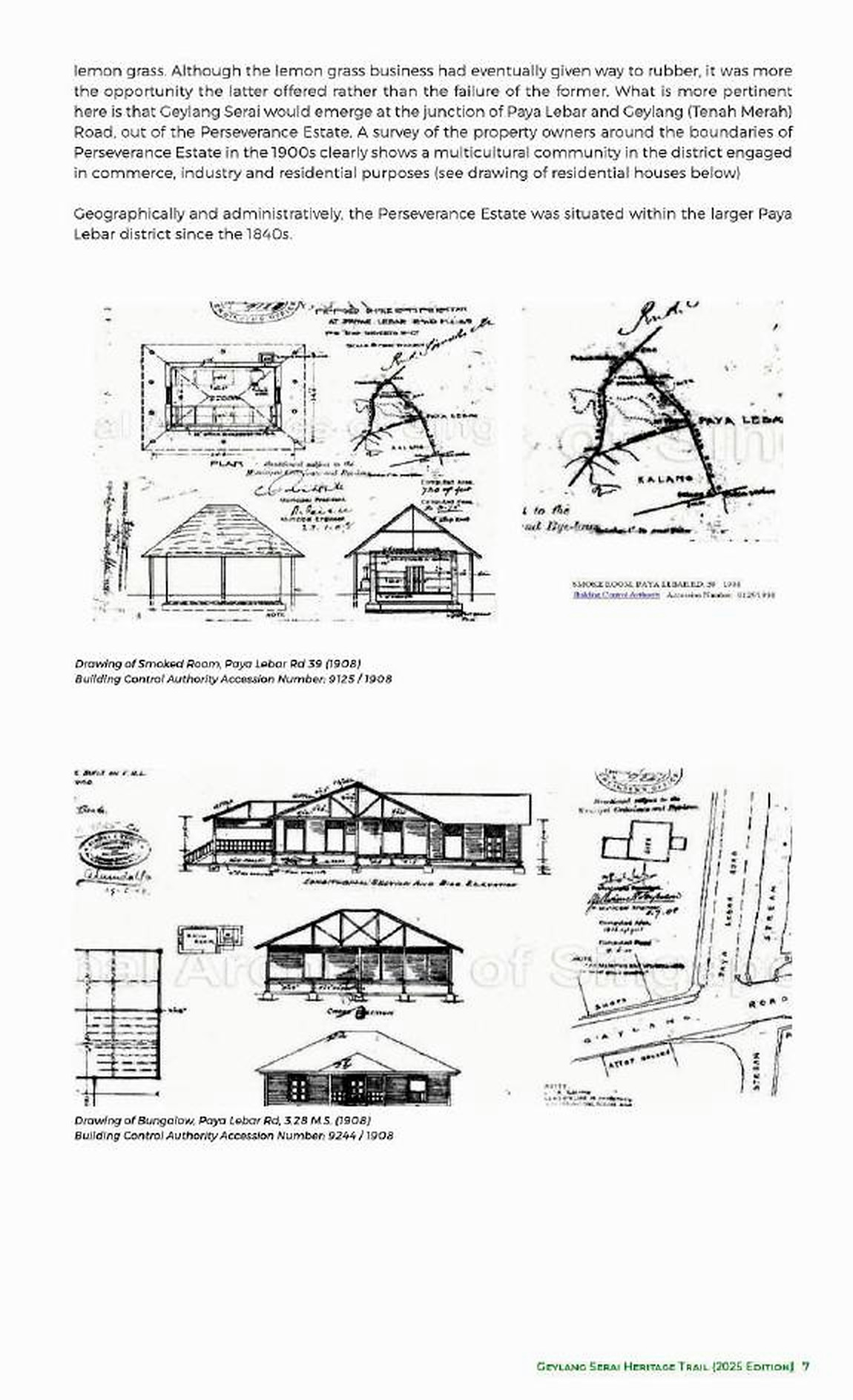
图3.4 早期聚落与建筑形式的测绘记录 / Figure 3.4. Surveyed records of early settlement and building forms
图版来源 / Plate source: 李宏斌,《Geylang Serai Heritage Trail 2025 Edition》,2025;经作者授权收入本书,页内原始馆藏与摄影署名保持不变。 / Li Hongbin, Geylang Serai Heritage Trail 2025 Edition (2025), reproduced with the author’s permission; original archival and photographic credits remain on the plate.
1. National Library Board Singapore, ‘Geylang’, Singapore Infopedia (notes the 1849 references to Gaylang village and Pulo Gelang, and the mapped coconut plantation).
2. Brenda Man Qing Ong and Francesco Perono Cacciafoco, ‘Singapore’s Forgotten Stories: The Orang Kallang Tribe of Kallang River’, Humans 2, no. 3 (2022): 138–147, https://doi.org/10.3390/humans2030009.
3. National University of Singapore Libraries, Historical Maps of Singapore, digitised collection, https://libmaps.nus.edu.sg/.
4. National Archives of Singapore, ‘Map of the Island of Singapore and its Dependencies, 1911’, Archives Online record b6e89656-57a3-11e6-b4c5-0050568939ad.
5. PUB, Singapore’s National Water Agency, ‘Geylang River’ (official account of the contemporary engineered waterway and heritage references to kelong forms).
6. Peter Borschberg, ‘Singapore as a Port City, c.1290–1819: Evidence, Frameworks and Issues’, Journal of Southeast Asian Studies 50, no. 1 (2019).
7. National Heritage Board, ‘Selat Sembilan: Orang Laut, Bugis, and the Place Names They Left Behind’, Roots, 19 May 2026.
8. UNESCO World Heritage Centre, Songkhla and its Associated Lagoon Settlements, Tentative List ref. 6756 (comparative reference only; inclusion on a Tentative List does not constitute inscription).
第四章 Alsagoff Estate
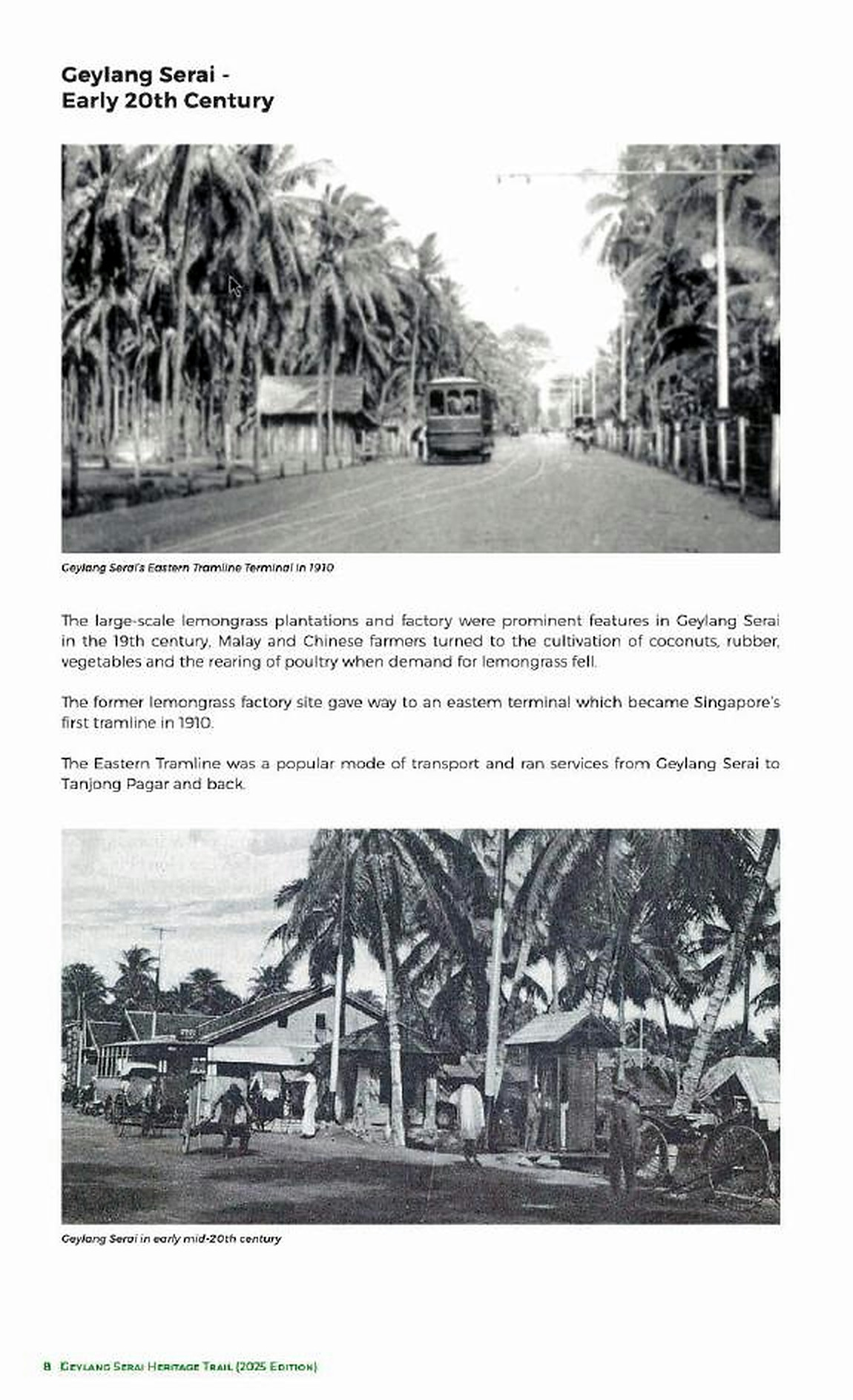
图4.1 二十世纪初的芽笼士乃道路与椰林聚落 / Figure 4.1. Roads and coconut-settlement landscape in early twentieth-century Geylang Serai
图版来源 / Plate source: 李宏斌,《Geylang Serai Heritage Trail 2025 Edition》,2025;经作者授权收入本书,页内原始馆藏与摄影署名保持不变。 / Li Hongbin, Geylang Serai Heritage Trail 2025 Edition (2025), reproduced with the author’s permission; original archival and photographic credits remain on the plate.
阿拉伯穆斯林土地网络与新加坡东部空间的形成
Chapter Four · Alsagoff Estate
Hadhrami Muslim Land Networks and the Making of Eastern
Singapore
Perseverance Estate不是芽笼士乃历史中的家族逸闻,而是把海峡贸易资本转化为土地、商品景观、地名和穆斯林公共制度的关键空间机制。 / Perseverance Estate was not a family anecdote but a spatial mechanism that converted straits commerce into land, commodity landscape, place-name and Muslim public institutions.
一、土地不是背景,而是城市生成机制 / Land Was Not a Backdrop but an Urban Mechanism
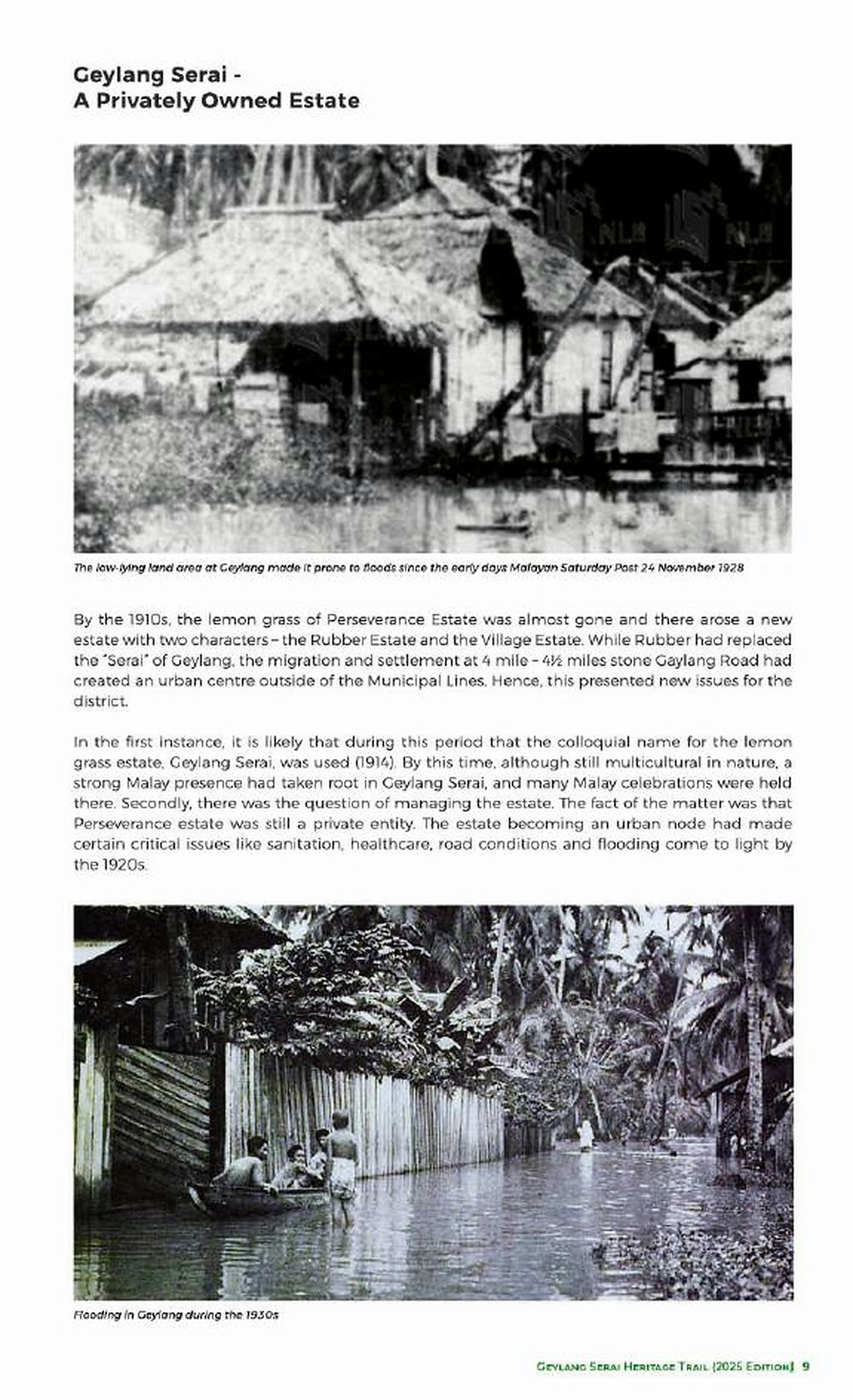
图4.2 Perseverance Estate相关私人庄园与农业地景 / Figure 4.2. Private-estate and agricultural landscape associated with the Perseverance Estate era
图版来源 / Plate source: 李宏斌,《Geylang Serai Heritage Trail 2025 Edition》,2025;经作者授权收入本书,页内原始馆藏与摄影署名保持不变。 / Li Hongbin, Geylang Serai Heritage Trail 2025 Edition (2025), reproduced with the author’s permission; original archival and photographic credits remain on the plate.
前章说明,芽笼东部首先是河流、潮滩、岛屿与水路共同构成的空间。十九世纪中叶以后,决定这一地区形态的关键变量逐渐从水域通行转向土地占有、测量、经营和交通连接。1848年,Alsagoff and Company购入芽笼士乃附近土地;有关官方和国家图书馆资料称,该地后来与Ahmed Alsagoff拥有的约一千英亩土地合并,形成Perseverance Estate,并向Jalan Eunos方向延展。这个庄园的重要性不只是面积大,而是它把资本、农业、劳动力、道路和区域市场组织在一个可持续经营的空间单位中。
因此,本章不把Alsagoff家族写成孤立的“富有阿拉伯商人”,也不把庄园史缩减为名人传记。核心问题是:一个来自印度洋—东南亚贸易网络的穆斯林商人家族,如何通过土地经营参与新加坡东部的城市生成;庄园如何把全球商品需求转化为地方生产景观;商业财富又如何经由慈善、宗教、教育与waqf制度进入公共领域。这里的“阿拉伯”不是单一族群标签,而是跨越Hadhramaut、荷属东印度、马来王权与英属新加坡的网络位置。
The previous chapter showed eastern Geylang as a space structured by rivers, tidal margins, islands and waterborne passage. From the mid-nineteenth century, a decisive variable shifted towards landholding, survey, commercial cultivation and transport connectivity. In 1848, Alsagoff and Company acquired land near Geylang Serai. Official heritage and National Library accounts state that this holding was subsequently combined with approximately one thousand acres associated with Ahmed Alsagoff to form Perseverance Estate, extending towards Jalan Eunos. Its significance lies not merely in size. The estate organised capital, agriculture, labour, roads and regional markets within a durable territorial unit.
This chapter therefore does not portray the Alsagoffs simply as wealthy Arab merchants, nor reduce estate history to family biography. It asks how a Muslim mercantile family embedded in Indian Ocean and Southeast Asian networks participated in making eastern Singapore; how a plantation translated global commodity demand into a local productive landscape; and how commercial wealth entered public life through philanthropy, religion, education and waqf. ‘Arab’ is used here not as a self-contained ethnic label but as a network position spanning Hadhramaut, the Dutch East Indies, Malay courts and British Singapore.
二、从Hadhramaut到新加坡:商业网络与关系资本 / From Hadhramaut to Singapore: Commerce and Relational Capital
新加坡的Hadhrami商人并非从一个封闭故乡直接移入殖民港口。他们通常经由爪哇、苏门答腊、苏拉威西和马来世界的港口形成商业、婚姻、宗教与亲缘连接。Alsagoff家族进入新加坡后所积累的优势,也不只来自贸易资本,而来自多重关系资本的叠加:跨港口信息、信用安排、香料及其他商品贸易、与本地马来—Bugis精英的婚姻关系,以及对殖民土地和公司制度的运用。
这种结构解释了家族为何能够同时活跃于远距离贸易、地产与公共事务。若只把他们称作“外国商人”,会遮蔽其在本地社会中的婚姻与慈善联系;若只把他们称作“本地地主”,又会切断土地资本背后的跨区域流动。Perseverance Estate正是两种尺度相遇的地点:跨海网络积累的资本在这里固定为土地,而土地生产的收益、声望与社会关系又反过来增强家族的区域能力。芽笼士乃由此不是全球化到来后的被动接受者,而是十九世纪跨区域网络落地、转译与再生产的空间。
Hadhrami merchants in Singapore did not move directly from an isolated homeland into a colonial port. Their commercial, marital, religious and kinship ties were commonly formed through ports in Java, Sumatra, Sulawesi and the Malay world. The Alsagoffs’ position in Singapore similarly rested on more than trading capital. It combined inter-port information, credit, commodity commerce, marriage with Malay–Bugis elites, and strategic use of colonial company and property institutions.
This structure explains how the family could operate simultaneously in long-distance trade, landed property and civic affairs. To describe them only as ‘foreign merchants’ would obscure local marriage and philanthropy; to treat them only as ‘local landlords’ would sever land capital from its transregional origins. Perseverance Estate was where these scales met. Capital accumulated through maritime networks became fixed in land; income, prestige and social relations generated from land then reinforced regional capacity. Geylang Serai was therefore not a passive recipient of globalisation but a place where nineteenth-century transregional networks were grounded, translated and reproduced.
三、Perseverance Estate:庄园的范围、功能与证据边界 / Perseverance Estate: Extent, Function and Evidentiary Limits
现有权威二手资料一致把Perseverance Estate置于芽笼士乃至Jalan Eunos之间,并称其在该地区规模最大。Roots的芽笼士乃遗产展资料把香茅和香茅油生产的核心区进一步定位在Paya Lebar Road与Jalan Eunos之间,且一度主要通过Geylang Road进入。由此可以较有把握地确认庄园的区域位置、主要生产及与道路的关系。
但“约一千英亩”“整个地区皆为Alsagoff所有”或“今日某一边界完全等于庄园边界”等强结论,仍不能仅凭通俗历史介绍写死。本章把庄园视为具有变化边界的经营体系,而非一幅永恒不变的地籍图。土地可能经历购入、合并、分割、租佃、抵押、出售和征收;Estate在公司、家族、信托和日常语言中也可能指不同范围。因此,本章只使用可交叉核对的区域尺度结论,不把后来的道路名或社区记忆当作精确权属证据。
这种谨慎并不留下研究“尾巴”,而是给出可成立的最终判断:Perseverance Estate足以证明Alsagoff土地经营对芽笼士乃—Jalan Eunos轴线的形成具有结构性影响;现阶段证据不足以把所有后来城市地块逐一归因于同一庄园。前者进入本书主论证,后者明确排除。
Authoritative secondary accounts consistently locate Perseverance Estate between Geylang Serai and Jalan Eunos and describe it as the largest estate in the vicinity. The Roots heritage account more specifically places the principal lemongrass and citronella landscape between Paya Lebar Road and Jalan Eunos, for a time accessed mainly through Geylang Road. These sources support the estate’s regional location, principal production and relationship to transport.
Stronger claims—an exact one-thousand-acre boundary, ownership of the entire district, or perfect correspondence between the estate and a present planning boundary—cannot be fixed solely from public historical summaries. The estate is therefore treated as an operating system with changing boundaries, not an immutable cadastral polygon. Land could be acquired, consolidated, subdivided, leased, mortgaged, sold or acquired by the state; ‘estate’ might also refer to different extents in corporate, family, trust and vernacular usage. Road names and memory are not used as precise title evidence.
This caution yields a final, usable finding rather than an unfinished task: Perseverance Estate demonstrates that Alsagoff landholding structurally influenced the Geylang Serai–Jalan Eunos axis. Available evidence does not justify attributing every later urban parcel to a single estate. The first proposition enters the book’s main argument; the second is expressly excluded.
四、香茅:全球商品如何制造地方名称 / Lemongrass: How a Global Commodity Made a Local Name
Perseverance Estate最具历史后果的经营,并非一般意义上的“种植园”,而是十九世纪后期香茅与香茅油产业。香茅油可进入肥皂、香水与药用产品的制造,因而把芽笼的土地、劳动力和加工设施连接到殖民贸易市场。Roots资料称,这项产业在1860年代至1890年代之间取得显著成功;NLB资料则记载Citronella Press Factory在产业衰退后关闭,厂址后来转作新加坡早期电车线路的东部终点。即使具体年代和功能转换仍需在不同档案中细辨,整体机制已经清楚:农业生产催生加工节点,加工节点加强道路与交通需求,交通又使地区成为更稳定的城市端点。
更重要的是,商品失败后,名称没有失败。油料产业在1890年代衰落,居民转向椰子、橡胶、蔬菜和家禽等生计,但“Serai”继续黏附在地方记忆上,最终进入正式地名。这里出现一种罕见的遗产机制:物质生产体系消失,其语义产物却持续存在。地名因此不是装饰性的传统,而是已经消失的土地利用方式留在现代城市中的压缩档案。
The historically consequential activity of Perseverance Estate was not plantation agriculture in the abstract but the late-nineteenth-century lemongrass and citronella-oil industry. Citronella oil entered the manufacture of soap, scent and medicinal products, linking Geylang’s land, labour and processing facilities to colonial markets. Roots describes marked success between the 1860s and 1890s. NLB records that the Citronella Press Factory closed after the industry declined and that the site later became an eastern terminus of Singapore’s early tram system. Even where exact dates and functions require careful separation, the mechanism is clear: cultivation produced a processing node; processing increased demand for roads and transport; transport stabilised the district as an urban endpoint.
More importantly, the commodity failed but its name did not. After the oil industry declined in the 1890s, residents shifted towards coconut, rubber, vegetable cultivation and poultry, yet ‘Serai’ adhered to local memory and eventually entered the official place name. This is a distinctive heritage mechanism: a material production system disappeared while its semantic product endured. The name is therefore not decorative tradition but a compressed archive of a vanished land use within the modern city.
五、土地资本如何进入穆斯林公共领域 / How Landed Capital Entered the Muslim Public Sphere
Alsagoff家族的历史意义不能由Perseverance Estate单独概括。商业和地产积累经由waqf、遗嘱、受托管理与慈善机构,被转化为学校、孤儿照护、医疗和宗教公共品。Syed Mohamed bin Ahmed Alsagoff的遗产支持1912年成立的Madrasah Alsagoff Al-Arabiah;学校官方史称,其早期为殖民地穆斯林提供伊斯兰知识、阿拉伯语以及英语和马来语读写教育。Engku Aman后来担任S.M.A. Alsagoff Waqf Funds的早期受托人之一,相关基金收益的一部分用于学校、诊疗和男女孤儿院。
这些机构并非全都位于芽笼士乃,不能作为申遗边界内的建筑属性直接申报;但它们说明了形成芽笼士乃地方秩序的资本伦理。土地财富不是只被私人消费,而被部分重新编码为跨代公共义务。其治理形式既不同于殖民政府财政,也不同于纯粹临时捐赠:waqf以受托、收益和指定用途把财富的时间延长。对世界遗产论证而言,这一制度网络可作为关联性背景和比较框架;只有位于候选地边界内、与地方生活存在持续联系的具体属性,才进入核心属性清单。
The historical significance of the Alsagoffs cannot be reduced to Perseverance Estate. Commercial and property wealth was converted through waqf, wills, trusteeship and philanthropy into schools, orphan care, medical assistance and religious public goods. The estate of Syed Mohamed bin Ahmed Alsagoff supported Madrasah Alsagoff Al-Arabiah, opened in 1912. The school’s official history describes instruction in Islamic knowledge, Arabic, and literacy in English and Malay for Muslims in the colony. Engku Aman later served as one of the early trustees of the S.M.A. Alsagoff Waqf Funds, part of whose income supported the school, a dispensary and orphanages for boys and girls.
Not all these institutions stand within Geylang Serai and they cannot be claimed as architectural attributes inside a nomination boundary. They nevertheless reveal the capital ethic behind the local order. Landed wealth was not only consumed privately; part of it was recoded as an intergenerational public obligation. Waqf governance differed both from colonial public finance and from occasional charity: trusteeship, revenue and designated purpose extended wealth through time. For World Heritage purposes, this network belongs to associative context and comparative analysis. Only concrete attributes within the candidate property and continuously connected to local life belong in the core attribute inventory.
六、Engku Aman:庄园、日常慈善与地方记忆 / Engku Aman: Estate, Everyday Philanthropy and Local Memory
Syed Abdulrahman bin Taha Alsagoff(1880—1955),即Engku Aman,为宏观土地网络提供了一个地方生活的尺度。NLB资料记载,他是地主、地产经营者和穆斯林慈善机构管理者,并在1922年至1951年间居住于芽笼一座砖屋;与周围attap屋相比,这座建筑在村落景观中十分醒目。他每逢星期四宴请村民的记忆,把精英慈善从制度基金带回到邻里交往。Lorong Engku Aman在1989年关闭;1994年,新设Engku Aman Road以其命名。
这里的遗产连续性并不依靠原住宅仍然保存,而通过三种载体延续:道路名称、居民记忆和档案图像。NAS保存的一张1981年Jalan Alsagoff照片,画面中kampong房屋与后方HDB组屋并置,准确捕捉了旧土地秩序被国家住房城市取代的过渡瞬间。该图的价值不是证明家族对所有房屋的所有权,而是证明Alsagoff地名、kampong形态和HDB现代化曾在同一视野内共存。它把家族史转化为城市变迁的可见证据。
Syed Abdulrahman bin Taha Alsagoff (1880–1955), known as Engku Aman, brings the large land network to the scale of local life. NLB records describe him as a landowner, developer and administrator of Muslim charitable institutions. Between 1922 and 1951 he lived in a brick house in Geylang that stood out among surrounding attap dwellings. Memories of his Thursday feasts for villagers brought elite philanthropy from institutional funds into neighbourly exchange. Lorong Engku Aman closed in 1989; a new Engku Aman Road was named for him in 1994.
Continuity here does not depend on the survival of his original residence. It persists through three carriers: a road name, resident memory and archival imagery. A 1981 NAS photograph of Jalan Alsagoff places kampong houses and HDB blocks within a single frame, capturing the moment when an older landed order was being replaced by state-housing urbanism. The image does not prove Alsagoff ownership of every house. It demonstrates that an Alsagoff place name, kampong morphology and HDB modernisation coexisted in the same visual field. Family history thereby becomes visible evidence of urban transition.
七、其他可能的解释:是家族造城,还是殖民市场自然扩张? / Competing Explanations: Family-Made City or Colonial Market Expansion?
必须检验一个其他可能的解释:芽笼的发展是否只是新加坡港口扩张、人口增长和道路建设的自然结果,Alsagoff Estate并无不可替代作用?如果没有Perseverance Estate,东部仍可能出现其他种植园、村落和交通端点。由此,不能把芽笼士乃“归功”于一个家族。
但是,反事实不等于家族无关紧要。证据显示,这个庄园在三个环节产生了具体作用:它以大规模土地经营组织了Paya Lebar—Jalan Eunos之间的生产空间;以香茅及加工产业为地方提供了长期名称;以家族—waqf—慈善网络把地产财富连接到穆斯林公共生活。港口增长解释了为什么东部开发具有经济条件,Alsagoff网络则解释了开发采取了何种地方形式,以及为何某些名称、机构与记忆得以留下。两种因果不是互斥,而是结构条件与具体路径的关系。
A competing explanation must be tested: was Geylang’s development simply the result of port expansion, population growth and road construction, with no indispensable role for the Alsagoff Estate? Even without Perseverance Estate, other plantations, villages and transport endpoints might have emerged. Geylang Serai cannot therefore be credited to a single family.
The counterfactual does not make the family irrelevant. Evidence identifies three specific effects. Large-scale land operation organised productive space between Paya Lebar and Jalan Eunos; lemongrass cultivation and processing gave the district an enduring name; and family–waqf–philanthropic networks connected property wealth to Muslim public life. Port growth explains the structural economic conditions for eastern development. The Alsagoff network explains the particular local form development took and why certain names, institutions and memories endured. These are not mutually exclusive causes but structural conditions and path-shaping mechanisms.
八、遗产意义:网络遗产而非家族纪念碑 / Heritage Significance: Network Heritage, Not a Family Monument
Alsagoff Estate对芽笼士乃申遗的贡献,不是提供一座保存完好的“阿拉伯庄园”,而是揭示一个由跨海贸易、土地资本、商品生产、穆斯林慈善和城市记忆连接起来的网络遗产。它对候选标准(ii)尤其重要:不同地区的资本、植物、知识、宗教制度和社会关系在新加坡东部交换并形成新的地方景观。它也为标准(v)提供历史机制:生产性庄园在道路、交通、住房与国家城市化压力下消失,但地名、公共中心和社会记忆继续承载部分旧结构。
本章最终确认四项可进入申遗证据体系的结论:第一,Perseverance Estate对芽笼士乃—Jalan Eunos轴线具有结构性土地影响;第二,1860年代至1890年代的香茅—香茅油经济塑造了“Serai”地方身份;第三,Alsagoff资本通过waqf与慈善进入更广的穆斯林公共领域;第四,Engku Aman Road、Jalan Alsagoff档案影像和地方记忆保存了土地秩序向HDB城市转换的痕迹。
同时排除三项过度主张:不把整个芽笼视为单一家族所有;不把边界外的学校、清真寺和慈善机构计入候选地物质属性;不把现代道路命名等同于产权连续。经过这种限制,Alsagoff不再是申遗故事中的装饰性名门,而成为解释芽笼士乃为何以这种方式形成的一项可核验历史机制。
The contribution of Alsagoff Estate to a Geylang Serai nomination is not a surviving ‘Arab plantation monument’. It is a network heritage connecting maritime commerce, landed capital, commodity production, Muslim philanthropy and urban memory. It is particularly relevant to proposed criterion (ii): capital, plants, knowledge, religious institutions and social relations from different regions were exchanged in eastern Singapore and produced a new local landscape. It also supplies a mechanism relevant to criterion (v): the productive estate disappeared under roads, transport, housing and state urbanisation, while place names, public centrality and social memory continued to carry parts of the earlier structure.
Four findings enter the nomination evidence system. First, Perseverance Estate exerted a structural land influence along the Geylang Serai–Jalan Eunos axis. Second, the lemongrass and citronella economy from the 1860s to the 1890s shaped the ‘Serai’ identity. Third, Alsagoff capital entered the wider Muslim public sphere through waqf and philanthropy. Fourth, Engku Aman Road, the archival image of Jalan Alsagoff and local memory preserve traces of the transition from an estate-and-kampong order to the HDB city.
Three overclaims are excluded: the whole of Geylang is not treated as one family’s property; schools, mosques and charities outside the candidate boundary are not counted as its physical attributes; and modern road naming is not equated with continuity of title. Under these controls, the Alsagoffs cease to be a decorative elite family and become a verifiable mechanism explaining why Geylang Serai took the form it did.
核心属性判定 / Core Attribute Determination
| 证据对象 / Evidence | 史料所见 / Reading of the sources | 在申遗论证中的作用 / Role in nomination research |
|---|---|---|
| Perseverance Estate | 文献记录区域性影响;不虚构精确不变边界。 / Regional influence established; no invented immutable boundary. | 历史形成机制 / Formation mechanism |
| Serai cultivation | 官方资料支持1860s–1890s成功期及地名关联。 / Official sources support the 1860s–1890s success and naming link. | 核心关联属性 / Core associative attribute |
| Waqf institutions | 证明资本转化为穆斯林公共品;多数建筑在候选边界外。 / Shows conversion into Muslim public goods; most buildings lie outside the candidate boundary. | 比较与关联背景 / Comparative and associative context |
| Jalan Alsagoff, 1981 | NAS照片证明kampong与HDB同框;不证明全部产权。 / NAS image demonstrates kampong–HDB coexistence, not universal ownership. | 转型证据 / Evidence of transition |
| Engku Aman Road | 地名与社会记忆连续;不等于地契连续。 / Continuity of name and memory, not title. | 活态记忆属性 / Living-memory attribute |
注释与参考文献 / Notes and References
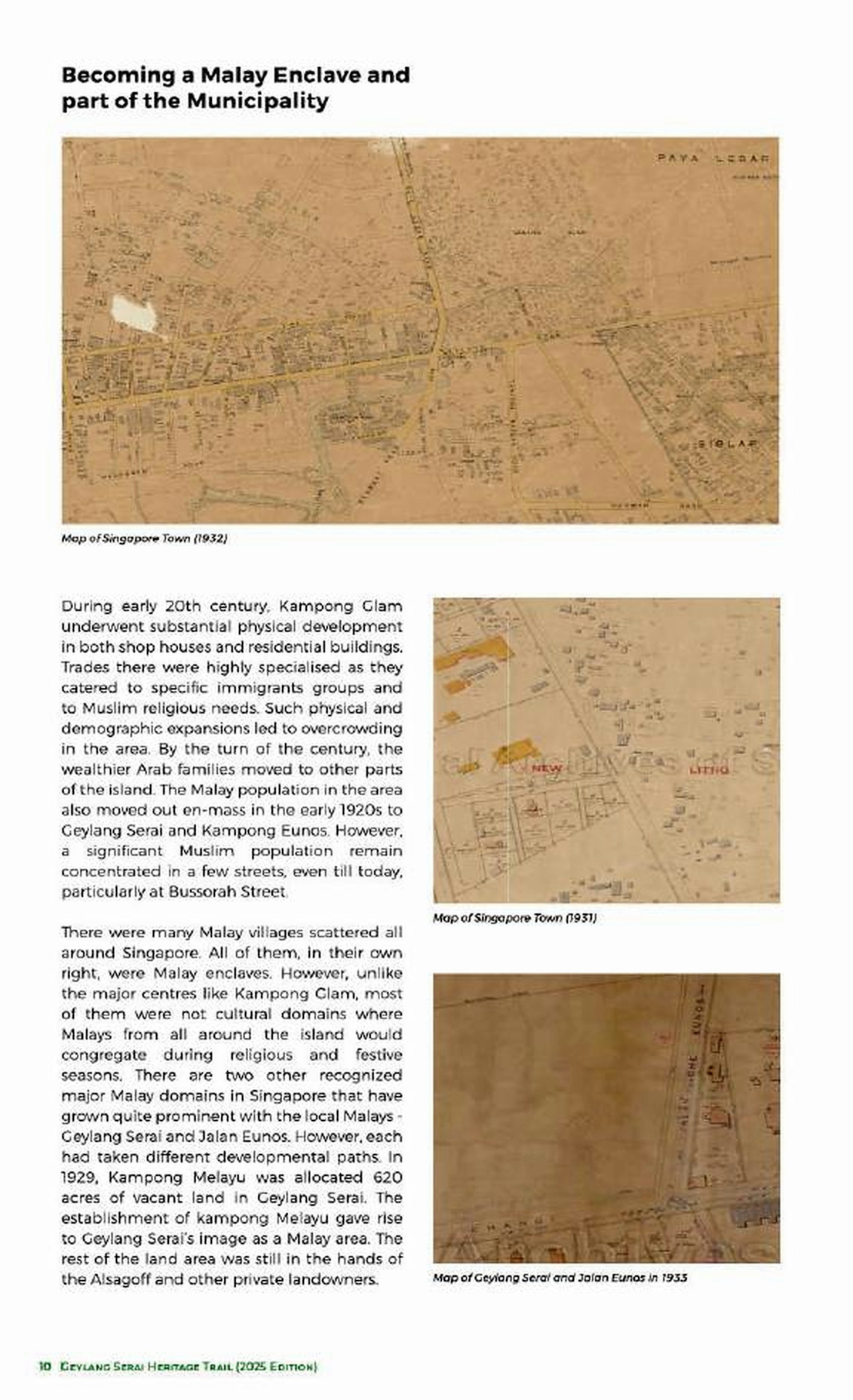
图4.3 马来聚居区、地图与公共交通的形成 / Figure 4.3. Malay settlement, mapping and the emergence of public transport
图版来源 / Plate source: 李宏斌,《Geylang Serai Heritage Trail 2025 Edition》,2025;经作者授权收入本书,页内原始馆藏与摄影署名保持不变。 / Li Hongbin, Geylang Serai Heritage Trail 2025 Edition (2025), reproduced with the author’s permission; original archival and photographic credits remain on the plate.
1. National Library Board Singapore, ‘Geylang’, Singapore Infopedia (1848 acquisition, estate consolidation, lemongrass and Citronella Press Factory).
2. National Heritage Board, ‘Geylang Serai Heritage Gallery’, Roots (Perseverance Estate, 1860s–1890s cultivation and place-name memory).
3. National Library Board Singapore, ‘Jalan Eunos’, Singapore Infopedia (Perseverance Estate from Geylang Serai to Jalan Eunos).
4. National Library Board Singapore, ‘Arab Community’, Singapore Infopedia (Arab mercantile property and civic history).
5. National Library Board Singapore, ‘Syed Abdulrahman Taha Alsagoff’, Singapore Infopedia (Engku Aman, waqf trusteeship, Geylang residence and road naming).
6. Madrasah Alsagoff Al-Arabiah, ‘About Us’ (official institutional history; foundation in 1912 under the founder’s will).
7. National Archives of Singapore, ‘Jalan Alsagoff in Geylang Serai’, 1981, image no. 19980005511-0055, photo accession no. 40440, Quek Tiong Swee Collection. Viewing permitted; use and reproduction require permission.
8. S. P. O. Yin Chung, ‘The Alsagoffs in Singapore, 1824–2009’, Journal of the Malaysian Branch of the Royal Asiatic Society 91, no. 1 (2018).
9. Singapore High Court, [2009] SGHC 281 (legal evidence concerning the wills and trustees associated with the Alsagoff estates; used only for the stated succession structure).
第五章 名称留下之后
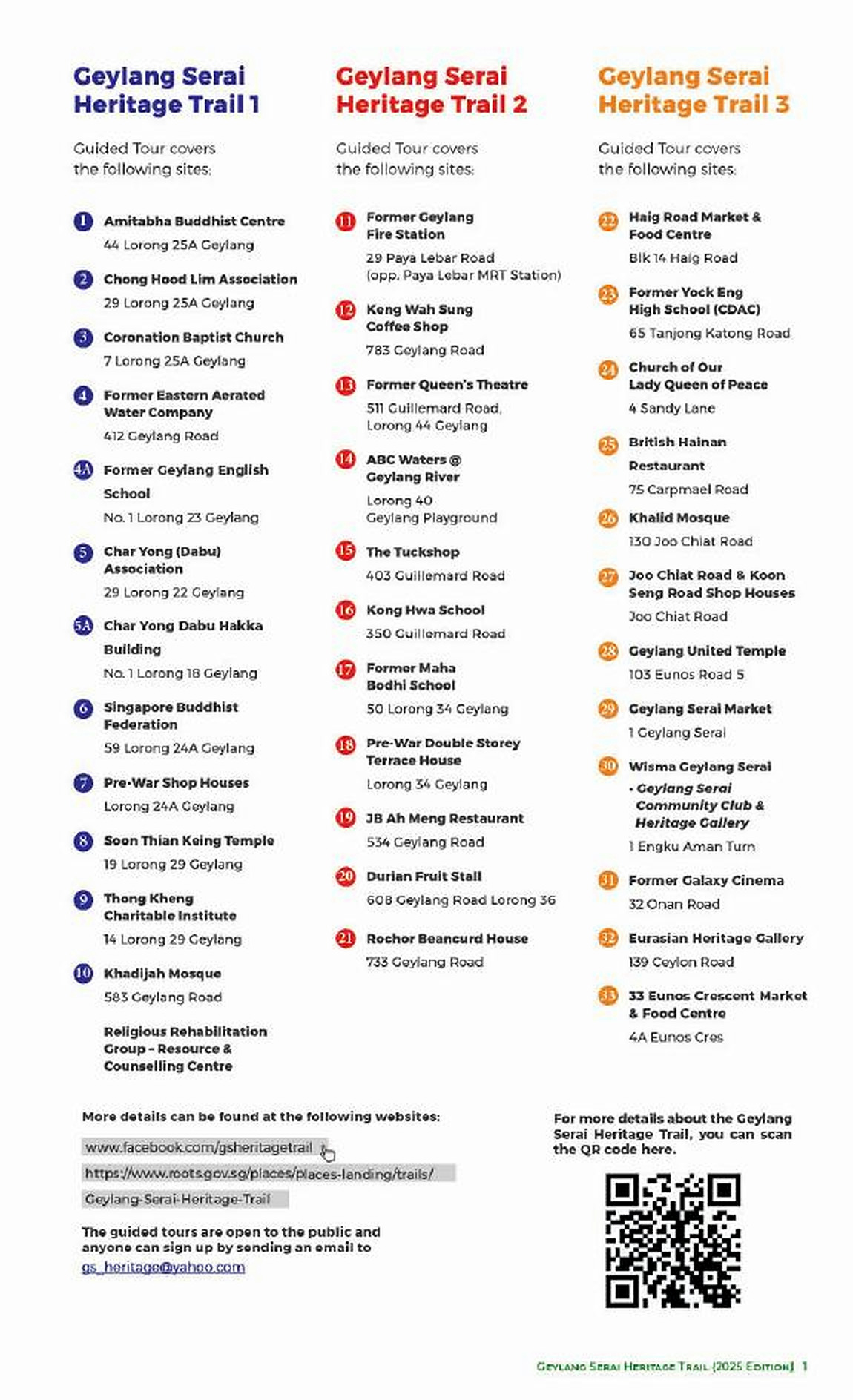
图5.1 Geylang Serai名称与区域历史的官方导入地图 / Figure 5.1. Official introductory mapping of the name and regional history of Geylang Serai
图版来源 / Plate source: 李宏斌,《Geylang Serai Heritage Trail 2025 Edition》,2025;经作者授权收入本书,页内原始馆藏与摄影署名保持不变。 / Li Hongbin, Geylang Serai Heritage Trail 2025 Edition (2025), reproduced with the author’s permission; original archival and photographic credits remain on the plate.
“Serai”、消失的香茅景观与芽笼士乃地方身份的形成
Chapter Five · After the Landscape Vanished
“Serai”, Toponymic Memory and the Making of Geylang Serai
“Geylang Serai”是一条从生产景观、地方使用、行政确认到国家文化中心的连续变义链;它不是静态词源,而是活态城市档案。 / “Geylang Serai” is a chain of semantic transformation from productive landscape through vernacular and municipal use to national cultural centrality: not a static etymology, but a living urban archive.
一、生产消失之后,为什么名称仍然存在 / Why the Name Survived the Production System
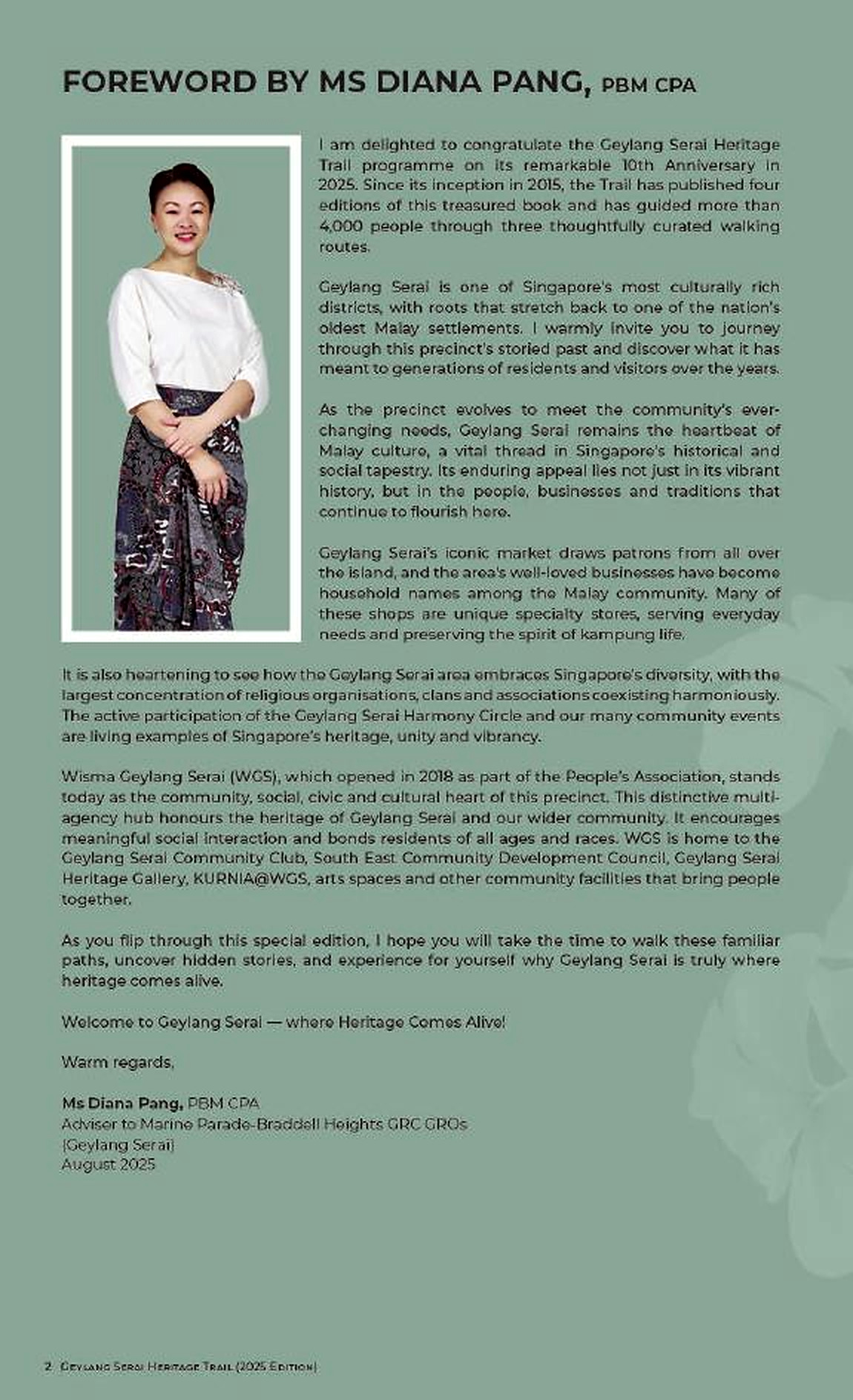
图5.2 早期地图中的道路、水系与聚落位置 / Figure 5.2. Roads, waterways and settlement positions in early maps
图版来源 / Plate source: 李宏斌,《Geylang Serai Heritage Trail 2025 Edition》,2025;经作者授权收入本书,页内原始馆藏与摄影署名保持不变。 / Li Hongbin, Geylang Serai Heritage Trail 2025 Edition (2025), reproduced with the author’s permission; original archival and photographic credits remain on the plate.
芽笼士乃最值得世界遗产研究重视的,并不是“serai”在马来语中意为香茅这一常识,而是一种更复杂的历史现象:香茅及香茅油产业在十九世纪末衰退以后,生产景观消失,名称却没有随之消失。Roots资料把Perseverance Estate的成功期置于1860年代至1890年代,并指出地方与香茅、香茅油的联系已经深入公共记忆。名称由此脱离原来的商品周期,成为一种可传递的地方标识。
这表明地名不是被动标签。它能把已经不再可见的劳动、气味、植物、加工和交通关系压缩在两个词中,并在后来完全不同的市场、住房与节庆环境里重新获得意义。本章研究的不是一个词源谜语,而是名称如何跨越物质断裂,成为地方共同体组织记忆的制度。
What matters for World Heritage research is not the elementary fact that serai means lemongrass in Malay, but a more complex historical phenomenon: when lemongrass and citronella production declined in the late nineteenth century, the productive landscape disappeared while the name survived. Roots places the successful phase of Perseverance Estate between the 1860s and 1890s and notes that the association with lemongrass and citronella became deeply embedded in public memory. The name escaped the commodity cycle and became a transmissible place-marker.
A place name is therefore not a passive label. It compresses vanished labour, smell, vegetation, processing and transport relations into two words, and acquires new meanings in later landscapes of markets, housing and festivals. This chapter is not a puzzle about etymology. It examines how naming crosses material rupture and becomes an institution through which a community organises memory.
二、“Geylang”与“Serai”:两种时间叠加 / ‘Geylang’ and ‘Serai’: Two Temporal Layers
Geylang早于Geylang Serai。1849年地图已经出现Gaylang village与Pulo Gelang;十九世纪早期荷兰地图也记录Keylang与Gellang等拼写。不同拼写反映马来语、Jawi文字和欧洲测绘者之间的转写,而不宜仓促归结为单一词源。相比之下,“Serai”明确指向十九世纪后期的生产景观。复合地名因此把两个历史层叠在一起:较早的河流—村落—海岸名称,与较晚的种植园商品名称。
这一区分非常重要。若把Geylang完全解释为香茅产业的产物,便抹去了早期地理名称;若把Geylang Serai简单追溯到殖民前时代,又会把较晚的农业层错误前置。严格的申遗叙事应承认复合地名内部存在时间差,它本身就是地方历史多层积累的证据。
Geylang predates Geylang Serai. An 1849 map records Gaylang village and Pulo Gelang, while early nineteenth-century Dutch cartography includes forms such as Keylang and Gellang. Variant spelling reflects transliteration among Malay, Jawi and European surveyors and should not be prematurely reduced to one etymology. ‘Serai’, by contrast, points clearly to the later nineteenth-century productive landscape. The compound name therefore joins two temporal layers: an earlier river–village–coast name and a later plantation commodity.
This distinction is essential. To derive Geylang wholly from lemongrass erases the earlier geography; to project the complete name Geylang Serai into the pre-colonial period misplaces a later agricultural layer. A rigorous nomination recognises the chronological seam inside the compound name. The seam is itself evidence of cumulative local history.
三、从口头使用到行政确认:1930年的命名 / From Vernacular Usage to Administrative Confirmation: 1930
1930年6月的《Straits Budget》报道,市政委员会议委员会建议,将Geylang Road以北、Paya Lebar Road与Jalan Eunos之间地区命名为“Geylang Serai”。这条同期报刊记录比后来的通俗回忆更关键,因为它证明1930年发生的不是名称凭空发明,而是地方称谓进入市政分类。报道所用recommended表明当时是行政程序的一部分;后续地图与政府记录的稳定使用,完成了从建议到正式空间名称的制度化。
行政命名改变了名称的效力。此前的“Geylang Serai”可以指庄园、村落、市场附近或居民日常认知的模糊地区;一旦被市政系统采用,它就获得道路、服务、新闻报道和统计上的可重复性。但行政边界不应被倒推为历史庄园的精确边界。名称制度化扩大了地方的公共可见性,同时也把本来柔性的生活空间压缩为治理对象。
The Straits Budget reported in June 1930 that a committee of the Singapore Municipal Commissioners recommended the name ‘Geylang Serai’ for the area north of Geylang Road between Paya Lebar Road and Jalan Eunos. This contemporary newspaper record is more consequential than later popular recollection. It shows not an invented name but a vernacular designation entering municipal classification. The wording ‘recommended’ marks a stage in an administrative process; stable use in later maps and records completed institutionalisation.
Administrative naming changed the force of the term. Previously, Geylang Serai could refer flexibly to an estate, village, market vicinity or lived district. Municipal adoption made it repeatable in roads, services, journalism and statistics. Yet the administrative area cannot be projected backwards as the exact plantation boundary. Institutionalisation increased public visibility while compressing a flexible social landscape into a governable object.
四、市场与交通:名称如何获得日常密度 / Market and Transport: How the Name Acquired Everyday Density
一个行政名称能否成为地方身份,取决于人们是否反复使用它。芽笼士乃市场、街头摊贩、巴士和早期电车终点,使名称进入买卖、问路、通勤和家庭采购。Citronella Press Factory关闭后,其地点被记述为早期电车线路的东部终点,这一功能转换具有象征意义:生产设施退出,交通节点接替;“Serai”不再只表示种什么,而表示到哪里去。
市场进一步把名称社会化。商品来自全岛乃至马来世界,顾客和摊贩通过日常交换不断重画地方范围。市场不需要保存香茅田的外观,也能继承庄园时代形成的中心性。名称由农业标识转为城市方向,再转为公共生活品牌。正是这种连续变义,而非词义冻结,构成活态遗产。
A municipal name becomes local identity only through repeated use. Geylang Serai Market, street hawkers, buses and the early tram terminus brought the name into buying, wayfinding, commuting and household provisioning. After the Citronella Press Factory closed, its site was described as the eastern terminus of an early tramline. The functional conversion is emblematic: production withdrew and transport took over; ‘Serai’ ceased to indicate only what was grown and began to indicate where one travelled.
The market socialised the name further. Goods arrived from across Singapore and the Malay world, while customers and hawkers repeatedly redrew the district through exchange. The market did not need to preserve the appearance of lemongrass fields in order to inherit the centrality created during the estate era. The name shifted from agricultural marker to urban direction and then to a brand of public life. Such semantic continuity-through-change, rather than frozen meaning, constitutes living heritage.
五、战争与“Ubi”:替代名称为什么没有取代Serai / War and ‘Ubi’: Why an Alternative Name Did Not Displace Serai
日占时期及战后粮食短缺改变了地方生产。相关历史叙述指出,部分椰子和橡胶地转种木薯,地区也出现Kampong Ubi这一名称。Ubi和Serai同样来自植物,却代表不同的历史压力:Serai关联商品化精油、出口市场和庄园经营;Ubi关联战争、短缺和生存农业。两个植物名称并存,说明地方记忆不是一个来源取代另一个来源,而是危机不断在原有空间上叠加新标识。
最终Geylang Serai保持更强公共地位,与市场、交通、行政和后来马来文化中心的持续强化有关。Kampong Ubi则在道路和邻里名称中保留另一层记忆。申遗文本不应把二者竞争简化为“哪个名称才是真的”,而应展示同一地区如何用植物词汇记录不同经济制度。
The Japanese Occupation and post-war shortages changed local production. Historical accounts state that parts of the coconut and rubber landscape were converted to tapioca, producing the designation Kampong Ubi. Ubi and serai are both plant names but encode different pressures: serai evokes essential-oil commerce, export markets and estate management; ubi evokes war, scarcity and subsistence cultivation. Their coexistence shows that local memory is additive rather than a contest in which one origin simply replaces another.
Geylang Serai ultimately retained greater public force because markets, transport, administration and later Malay cultural centrality repeatedly reinforced it. Kampong Ubi preserved another layer in road and neighbourhood nomenclature. A nomination should not ask which name is ‘true’; it should show how plant vocabulary recorded different economic regimes in the same landscape.
六、从马来村到国家文化中心:名称的再政治化 / From Malay Settlement to National Cultural Centre: The Name Reframed
战后人口迁移、住房重建和市场建设,使芽笼士乃逐渐被全国理解为马来公共文化的重要中心。这里必须避免倒果为因:名称最初源于生产景观,并非一开始就代表“马来文化区”;其文化代表性是在居民聚集、商业网络、宗教生活、节庆和国家公共政策中逐渐形成。名称因此先从庄园进入地方,再由地方进入国家想象。
2012年,新的市民中心定名Wisma Geylang Serai。选择保留Geylang Serai,而非创造一个完全新的品牌,说明名称已成为公共资产。Wisma、开斋节灯饰、斋月市集和市场共同把名称转化为可反复表演的文化中心性。但活态性不等于可以把节庆景观商业化为唯一形象;真正的遗产对象包括居民、摊贩、语言、宗教时间、采购网络和日常服务,而不仅是年度盛典。
Post-war migration, housing redevelopment and market construction gradually made Geylang Serai nationally legible as an important centre of Malay public culture. Cause and consequence must not be reversed. The name originated in a productive landscape; it did not initially denote a ‘Malay cultural district’. Cultural representation emerged through residential concentration, commerce, religion, festivals and public policy. The name moved first from estate to locality and then from locality into national imagination.
In 2012, the new civic centre was named Wisma Geylang Serai. Retaining Geylang Serai rather than inventing a new brand demonstrates that the name had become a public asset. Wisma, Hari Raya light-ups, Ramadan bazaars and the market repeatedly perform cultural centrality. Living heritage, however, cannot be reduced to a commercial festival image. Its bearers include residents, hawkers, language, religious time, provisioning networks and everyday services—not only an annual spectacle.
七、真实性:消失的植物能否成为世界遗产属性 / Authenticity: Can a Vanished Plant Landscape Be a Heritage Attribute?
如果真实性只等于原始物质保存,那么香茅景观显然已经失去;今日重种几片香茅也不能自动恢复十九世纪庄园。世界遗产语境中的真实性必须对应价值与属性。芽笼士乃可主张的不是“原香茅田仍在”,而是生产—名称—市场—文化中心这一转换链仍可由历史地图、同期报刊、道路关系、地方语言与持续使用共同证明。
因此,香茅本身属于历史关联属性,Geylang Serai地名属于持续使用属性,市场和Wisma属于后来承载名称公共意义的物质—功能属性。若未来进行景观展示,应明确是解释性复原,而非原真农业遗存。这样既承认损失,也避免因损失而把真实历史替换成主题公园。
If authenticity meant only survival of original material, the lemongrass landscape has plainly been lost; planting a few contemporary specimens cannot restore a nineteenth-century estate. In World Heritage practice, authenticity must correspond to stated values and attributes. Geylang Serai cannot claim that original fields survive. It can demonstrate a transformation chain—production, name, market and cultural centre—through historical maps, contemporary newspapers, road relationships, local language and continued usage.
Lemongrass is therefore a historical associative attribute; the name Geylang Serai is a continuously used attribute; the market and Wisma are later material-functional carriers of its public meaning. Any future landscape display should be identified as interpretive reconstruction, not original agricultural fabric. This acknowledges loss without replacing history with a theme park.
八、本章结论:地名是一部仍在运行的微型档案 / Conclusion: The Place Name as a Living Micro-Archive
Geylang Serai不是一句关于香茅的注释,而是一部仍在运行的微型档案。Geylang保存较早的河流、村落与海岸层;Serai保存十九世纪商品农业层;1930年市政命名保存殖民治理层;市场与交通保存日常城市层;Kampong Ubi保存战争生存层;Wisma与节庆保存独立后国家文化层。每一次新使用都改变名称,同时没有完全清除旧义。
对申遗而言,这一名称最强的价值并非古老,而是它展示了一个地方如何把消失的生产景观转化为持续的公共身份。这构成标准(ii)下商品、语言和制度交换的证据,也为标准(v)下快速城市化中的适应提供证据。但地名不能单独支撑世界遗产地;它必须与市场、道路、水系、宗教空间、档案图像和活态社区共同形成可定位、可保护的属性组合。
Geylang Serai is not a footnote about lemongrass but a micro-archive still in operation. Geylang carries an earlier river, village and coastal layer; Serai carries nineteenth-century commodity agriculture; the 1930 municipal naming carries colonial governance; market and transport carry everyday urbanism; Kampong Ubi carries wartime survival; Wisma and festivals carry post-independence national culture. Each new use changed the name without fully erasing earlier meanings.
For nomination purposes, the name’s strongest value is not antiquity but its demonstration of how a vanished productive landscape became a durable public identity. This supports exchange among commodity, language and institutions under criterion (ii), and adaptation under rapid urbanisation under criterion (v). A name cannot sustain a World Heritage property alone. It must operate with a locatable and protectable ensemble of market, roads, waterways, religious spaces, archival images and living community.
名称层积与申遗属性 / Toponymic Layers and Nomination Attributes
| 层积 / Layer | 可证实含义 / Demonstrable meaning | 遗产意义 / Heritage significance |
|---|---|---|
| Geylang / Gaylang | 早期河流、村落、岛屿及海岸名称。 / Earlier river, village, island and coastal name. | 深层历史属性 / Deep historical attribute |
| Serai | 十九世纪后期香茅—香茅油生产记忆。 / Memory of late-nineteenth-century lemongrass and citronella production. | 核心关联属性 / Core associative attribute |
| 1930 municipal name | 地方称谓进入行政空间。 / Vernacular name enters municipal space. | 制度连续属性 / Institutional continuity |
| Market / transit | 名称成为买卖、通勤和方向。 / Name becomes commerce, mobility and direction. | 功能属性 / Functional attribute |
| Wisma / festivals | 名称成为国家层面的马来文化中心标识。 / Name becomes a national marker of Malay cultural centrality. | 活态属性 / Living attribute |
注释与参考文献 / Notes and References
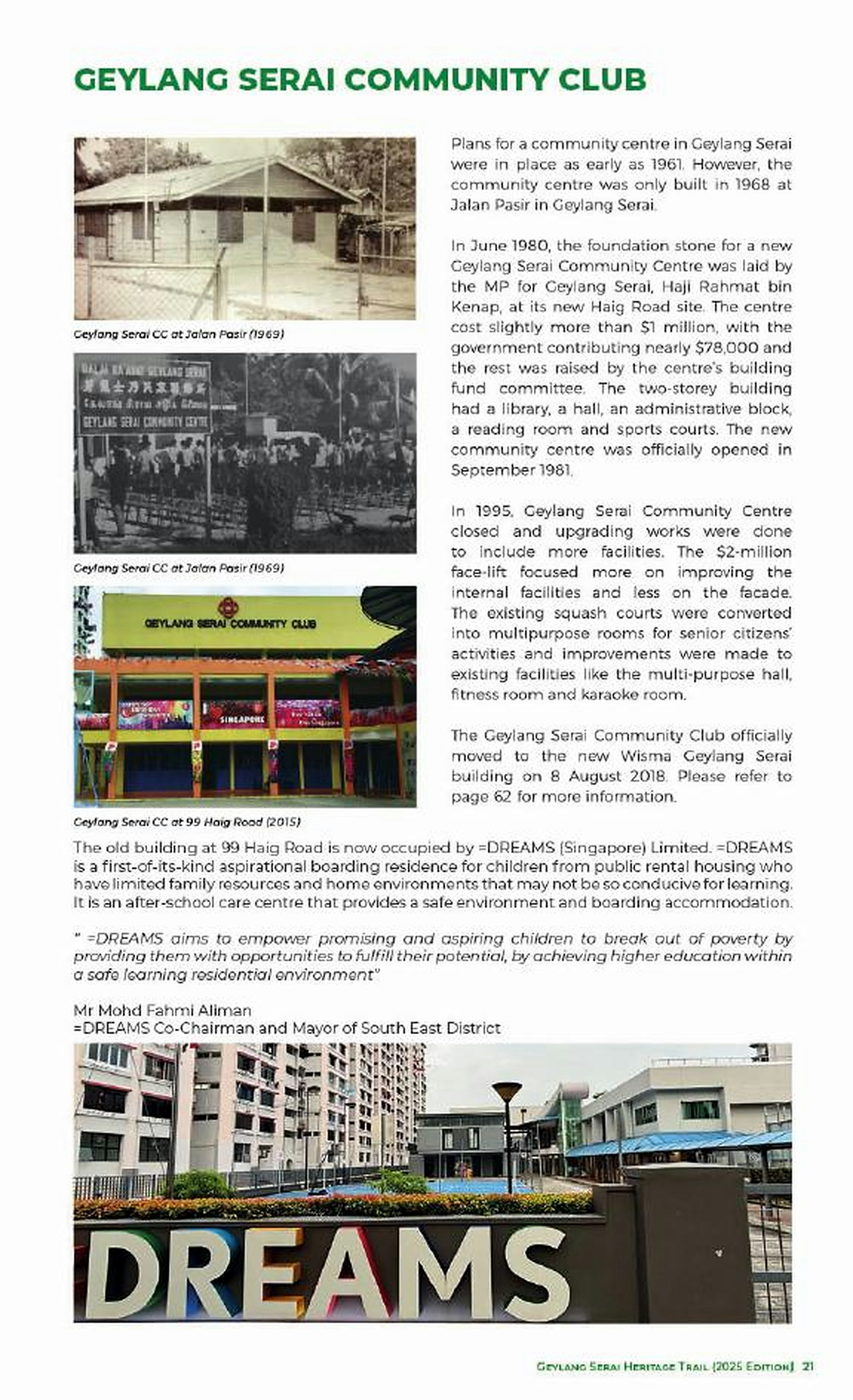
图5.3 Geylang River及其现代转换 / Figure 5.3. Geylang River and its modern transformation
图版来源 / Plate source: 李宏斌,《Geylang Serai Heritage Trail 2025 Edition》,2025;经作者授权收入本书,页内原始馆藏与摄影署名保持不变。 / Li Hongbin, Geylang Serai Heritage Trail 2025 Edition (2025), reproduced with the author’s permission; original archival and photographic credits remain on the plate.
1. National Heritage Board, ‘Geylang Serai Heritage Gallery’, Roots (Perseverance Estate, serai/citronella and the persistence of the name).
2. National Library Board Singapore, ‘Geylang’, Singapore Infopedia (1849 map, estate history, Citronella Press Factory and later land use).
3. The Straits Budget, 19 June 1930, ‘Decisions of Local Municipal Commissioners’ (recommendation to name the area north of Geylang Road between Paya Lebar Road and Jalan Eunos ‘Geylang Serai’).
4. National University of Singapore Libraries, Historical Maps of Singapore (cartographic comparison of changing place names and boundaries).
5. TODAY / Channel NewsAsia, 5 April 2012 (selection of the name Wisma Geylang Serai by the naming panel).
6. National Archives of Singapore, Geylang Serai photographic collections (used as locational and visual evidence subject to individual rights statements).
7. PUB, Singapore’s National Water Agency, ‘Geylang River’ (contemporary waterway and heritage interpretation).
第六章 从庄园到甘榜
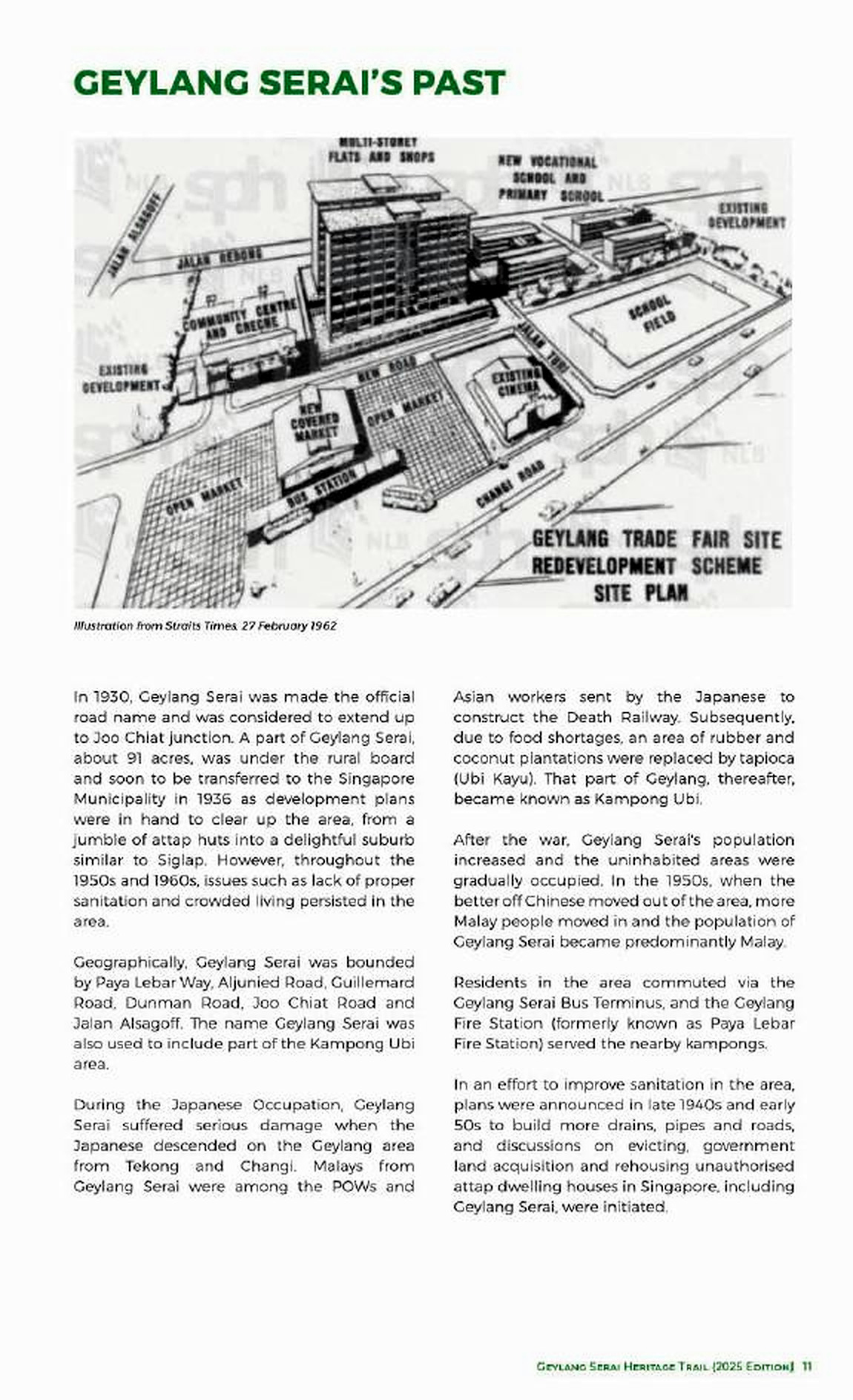
图6.1 战前及战后居民社会与人口图像 / Figure 6.1. Pre-war and post-war residents and social life
图版来源 / Plate source: 李宏斌,《Geylang Serai Heritage Trail 2025 Edition》,2025;经作者授权收入本书,页内原始馆藏与摄影署名保持不变。 / Li Hongbin, Geylang Serai Heritage Trail 2025 Edition (2025), reproduced with the author’s permission; original archival and photographic credits remain on the plate.
人口迁徙、马来聚落与芽笼士乃日常社会的形成
Chapter Six · From Estate to Kampung
Migration, Malay Settlement and the Making of Everyday Society
芽笼士乃不是封闭而同质的“马来村”,而是由早期定居、庄园劳动、海峡迁徙、郊区化与强制安置共同形成的世界性城市甘榜。 / Geylang Serai was not a closed, homogeneous Malay village but a cosmopolitan urban kampung produced by settlement, estate labour, straits mobility, suburbanisation and displacement.
一、从地图上的墓地开始 / Beginning with a Cemetery on the Map
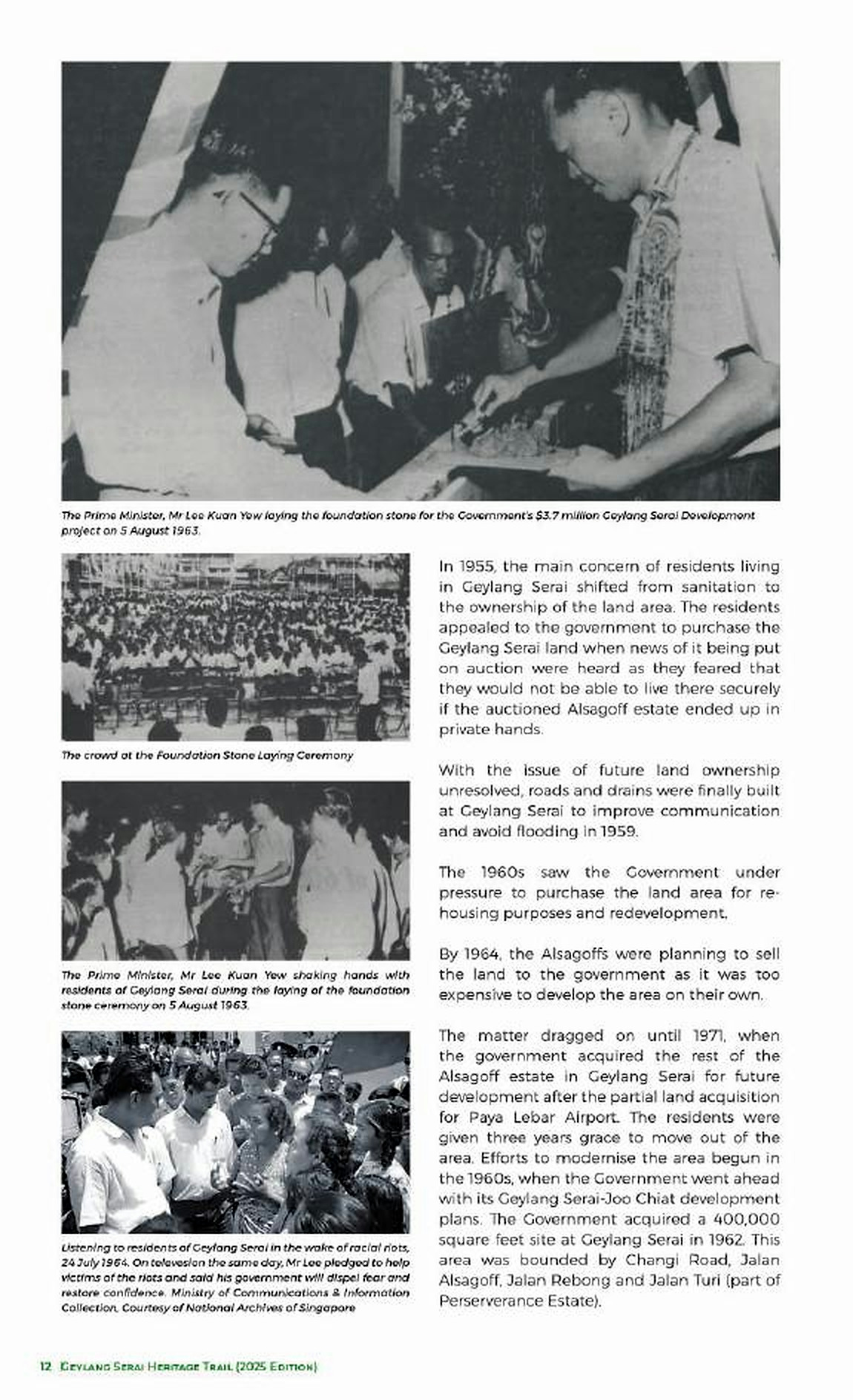
图6.2 住房、安置与公共设施的形成 / Figure 6.2. Housing, resettlement and the formation of public amenities
图版来源 / Plate source: 李宏斌,《Geylang Serai Heritage Trail 2025 Edition》,2025;经作者授权收入本书,页内原始馆藏与摄影署名保持不变。 / Li Hongbin, Geylang Serai Heritage Trail 2025 Edition (2025), reproduced with the author’s permission; original archival and photographic credits remain on the plate.
1844年《Survey Plan of Singapore Town and adjoining districts》在Gaylang Road附近标出一处“Malay Burying Ground”。Roots据此判断,Geylang River上游支流附近已经存在定居的马来社群。墓地不是人口普查,不能告诉我们居民人数、具体来源或聚落边界;但它比泛称“很早就有马来人”更有证据力,因为墓地意味着死亡、亲属、宗教仪式和持续使用土地的共同体。
这一证据改变了本章的起点。芽笼士乃并非在香茅庄园结束后才突然出现居民社会;农业扩张是在已有马来空间上叠加新的土地经营、劳动力和道路网络。后来的居民来自多重路径,不能被写成单一原住村落自然长大。
The 1844 Survey Plan of Singapore Town and adjoining districts marks a ‘Malay Burying Ground’ near Gaylang Road. Roots interprets it as evidence of a settled Malay community around the upstream tributaries of the Geylang River. A cemetery is not a census and cannot establish population, origin or settlement boundaries. Yet it is stronger evidence than a generic claim of early Malay presence, because burial implies death, kinship, religious practice and a community repeatedly using land.
This evidence changes the chapter’s starting point. Residential society did not suddenly appear after the lemongrass estate declined. Agricultural expansion was layered onto an existing Malay space and added new systems of land, labour and roads. Later residents arrived through multiple pathways; the district cannot be portrayed as the organic enlargement of one original village.
二、庄园劳动与朝觐迁徙 / Estate Labour and Pilgrimage Mobility
十九世纪后期,Perseverance Estate不仅种植植物,也吸纳人口。Roots资料指出,部分从麦加朝觐归来的爪哇穆斯林以契约劳工身份在庄园工作,并建立自己的礼拜空间。朝觐、劳作和定居在这里形成一个跨尺度循环:居民可能来自荷属东印度,经新加坡或其他港口赴麦加,返程后再进入芽笼的劳动市场。
这说明“马来社群”并非封闭族群。爪哇、Bugis、苏门答腊及本地马来人的语言、婚姻和宗教关系,在殖民分类下可能被归为Malay,却保留不同迁徙史。芽笼士乃成为马来中心,恰恰不是因为它保持人口纯一,而是因为它能把海峡世界的差异组织成共同宗教与日常生活。
In the late nineteenth century, Perseverance Estate absorbed people as well as cultivating plants. Roots notes that Javanese Muslims returning from the Hajj were employed as contract labour and established places of worship. Pilgrimage, labour and settlement formed a multi-scalar circuit: people could move from the Dutch East Indies through regional ports to Mecca and, on return, enter Geylang’s labour market.
The ‘Malay community’ was therefore not a closed population. Javanese, Bugis, Sumatran and locally rooted Malay residents carried different histories of language, marriage and migration even when colonial classification grouped them as Malay. Geylang Serai became a Malay centre not through demographic purity, but through its capacity to organise straits-world difference into shared religious and everyday life.
三、1920—1930年代:昂贵城市推动郊区增长 / The 1920s–1930s: An Expensive City Drives Suburban Growth
1920至1930年代,新加坡市区租金与生活费用上升,推动更多人口迁往芽笼士乃等外围地区。Sims Avenue于1924年完成,1926年无轨电车取代电车,1929年Paya Lebar Road与Sims Avenue交界处建成消防局。交通与公共设施不是人口增长后的附属品,而是把远离市中心的土地转化为可居住郊区的条件。
1934年报刊已把芽笼士乃形容为“very thickly populated village”。这句话揭示它不是松散田园,也还不是现代规划住宅区,而是高密度的城市甘榜。道路、沟渠、店铺、清真寺、学校、摊贩与木屋交错,人口密度和基础设施能力之间长期存在张力。
Rising rents and living costs in Singapore Town during the 1920s and 1930s encouraged settlement in outer districts including Geylang Serai. Sims Avenue was completed in 1924; trolley buses replaced electric trams in 1926; and a fire station opened at Paya Lebar Road and Sims Avenue in 1929. Transport and amenities were not merely consequences of population growth. They made peripheral land inhabitable as suburb.
A 1934 newspaper described Geylang Serai as a ‘very thickly populated village’. The phrase identifies neither a dispersed rural idyll nor a modern planned estate, but a dense urban kampung. Roads, drains, shops, mosques, schools, hawkers and timber houses intermingled, creating persistent tension between population density and infrastructural capacity.
四、甘榜不是一种建筑,而是一套社会基础设施 / Kampung Was Not a Building Type but Social Infrastructure
甘榜常被浪漫化为高脚木屋、椰树和邻里互助的静态图景。真实生活同时包含洪水、火灾、拥挤、共用水源和不稳定租住。1928年洪水照片与1960年代政府设置standpipe的档案图像说明,居民日常需要在环境风险与有限设施之间组织生活。
然而,甘榜的价值不能用住房标准低下完全否定。家庭院落、走道、店铺、宗教空间和公共空地组成了一套低成本社会基础设施:儿童被多户照看,婚礼与丧葬调动亲友网络,食物与消息沿邻里传播,小额交易和家庭生产嵌入居住空间。后来组屋改善卫生、安全与产权条件,却也改变这种开放式交往的空间基础。
Kampung life is often romanticised as timber houses on stilts, coconut trees and mutual help. The material reality also included flood, fire, crowding, shared water and insecure tenure. A 1928 flood image and archival photographs of government standpipes in the 1960s show residents organising daily life amid environmental risk and limited infrastructure.
Poor housing standards do not exhaust the value of the kampung. Household compounds, paths, shops, religious spaces and common ground constituted low-cost social infrastructure. Children were watched across households; weddings and funerals mobilised kin and neighbours; food and information circulated locally; petty trade and household production were embedded in residence. HDB housing later improved sanitation, safety and tenure while also altering the spatial basis of open-ended interaction.
五、信仰共同体:清真寺如何组织地方 / Communities of Faith: How Mosques Organised Locality
二十世纪上半叶,多座清真寺在芽笼士乃周边形成稳定节点:Masjid Khalid建于1917年,Masjid Khadijah建于1920年,Masjid Wak Tanjong则在1930年代出现。它们不仅提供礼拜,也连接婚姻登记、宗教教育、慈善、跨村交往和迁入人口。wakaf土地使宗教设施获得超越个体寿命的时间结构。
地方宗教网络并不意味着单一信仰空间。后来的道教庙宇和宗祠也进入芽笼士乃;居民在密集环境中共享道路、声音和节庆时间。申遗的关键不是用“和谐”口号抹去差异,而是证明不同制度如何在日常空间内形成可持续的邻接。
By the first half of the twentieth century, mosques formed durable nodes around Geylang Serai: Masjid Khalid in 1917, Masjid Khadijah in 1920 and Masjid Wak Tanjong in the 1930s. They provided more than prayer. They connected marriage registration, religious learning, charity, inter-kampung relations and migrant incorporation. Wakaf land gave institutions a temporal structure extending beyond individual lives.
A Muslim local network did not imply an exclusively Muslim space. Taoist temples and ancestral halls later operated within Geylang Serai, while residents shared roads, soundscapes and festival time. The nomination task is not to erase difference under a slogan of harmony, but to demonstrate how different institutions sustained practical adjacency in everyday space.
六、世界在甘榜里:职业、航行与娱乐 / The World inside the Kampung: Work, Travel and Entertainment
把芽笼士乃称为“马来村”容易制造封闭农村想象。1937年《Straits Times》却描述一名衣着普通的芽笼士乃青年熟悉纽约、旧金山和开普敦。居民从事政府、航运、新闻、娱乐、服务和贸易工作,港口劳动与朝觐使国际地理进入家庭叙事。
Bangsawan剧团、马来亚与印度尼西亚电影、印度、香港和好莱坞影片进一步构成跨语种文化消费。芽笼士乃的马来性不是与世界隔离后的保存物,而是在持续接触世界时形成的地方选择。这种“世界性甘榜”比简单的民族飞地更能解释其突出价值。
Calling Geylang Serai a ‘Malay village’ can produce an image of rural enclosure. Yet in 1937 The Straits Times described an ordinarily dressed young man from the Malay Settlement who spoke familiarly of New York, San Francisco and Cape Town. Residents worked in government, shipping, journalism, entertainment, services and trade; port labour and pilgrimage brought world geography into family narratives.
Bangsawan troupes and films from Malaya, Indonesia, India, Hong Kong and Hollywood created multilingual cultural consumption. Malayness in Geylang Serai was not an isolated survival, but a local selection formed through sustained contact with the world. This ‘cosmopolitan kampung’ offers a stronger account of significance than the notion of a simple ethnic enclave.
七、迁移与安置:Jalan Eunos Malay Settlement / Displacement and Resettlement: Jalan Eunos Malay Settlement
1920年代起,商业扩张和加冷机场建设使加冷河、芽笼河附近若干马来甘榜迁移。部分家庭成为Jalan Eunos Malay Settlement早期居民。迁移并非人口从传统自然地流向现代,而是基础设施工程重新分配居住权和空间中心。
Jalan Eunos与芽笼士乃之间因此既有地理连续,也有迁移造成的制度联系。居民保留宗教、亲属和市场往来,同时进入更明确的安置与土地治理框架。这是后来国家大规模住房重建的前奏,也说明芽笼士乃的文化中心性部分产生于周边聚落被移动后仍持续汇聚于市场和公共机构。
From the 1920s, commercial expansion and preparations for Kallang Airport displaced several Malay kampungs around the Kallang and Geylang rivers. Some affected families became early residents of the Jalan Eunos Malay Settlement. This was not a natural progression from tradition to modernity; infrastructure redistributed residence rights and spatial centrality.
Jalan Eunos and Geylang Serai were linked both geographically and institutionally through displacement. Residents retained religious, kin and market relations while entering a more explicit framework of settlement and land governance. This anticipated later mass public-housing redevelopment and shows that Geylang Serai’s cultural centrality partly arose because dispersed or relocated communities continued to converge on its market and institutions.
八、遗产意义:保护社会关系,而非复制甘榜布景 / Heritage Significance: Protect Social Relations, Not a Kampung Stage Set
本章确认,芽笼士乃的马来公共身份形成于多重人口流动,而非单一族源:1844年墓地证明早期定居;庄园劳工和朝觐网络带来爪哇等地穆斯林;高租金与交通推动1920—1930年代郊区增长;机场和基础设施建设又制造迁移;清真寺、市场、学校、婚礼、娱乐和邻里互助把差异组织为地方社会。
因此,申遗不能以仿建木屋或节庆布景代表“原真甘榜”。真正需要识别和保护的是关系属性:步行可达的市场—宗教—居住网络,小型商户和家庭技艺,居民组织,婚礼与斋月等周期性使用,以及旧道路和地名承载的迁徙记忆。物质载体可以更新,但若这些关系全部被租金、交通隔离或纯旅游消费切断,活态遗产也会消失。
Geylang Serai’s Malay public identity emerged through multiple mobilities rather than a single origin. The 1844 cemetery establishes early settlement; estate labour and pilgrimage brought Javanese and other Muslims; high rents and transport drove suburban growth in the 1920s and 1930s; airport and infrastructure works created further displacement; and mosques, markets, schools, weddings, entertainment and mutual aid organised difference into locality.
A nomination must not represent ‘authentic kampung’ through reconstructed huts or festival scenery. What requires recognition and protection are relational attributes: walkable market–religion–residence networks, small traders and household skills, resident organisations, periodic use through weddings and Ramadan, and migration memory carried by roads and names. Material carriers may change, but living heritage disappears if these relations are severed by rent, transport barriers or tourism-only consumption.
社会属性判定 / Social Attribute Determination
| 证据 / Evidence | 历史含义 / Historical meaning | 与申遗讨论的关系 / Relevance to nomination research |
|---|---|---|
| 1844 Malay Burying Ground | 早期定居,不证明单一族源。 / Early settlement, not single origin. | 深层社区证据 / Deep community evidence |
| Estate and Hajj labour | 跨海迁徙进入地方劳动与信仰。 / Maritime mobility enters labour and faith. | 标准(ii)交流机制 / Criterion (ii) exchange |
| Dense urban kampung | 高密度、低设施但强关系网络。 / Dense settlement with limited services and strong relations. | 标准(v)适应机制 / Criterion (v) adaptation |
| Mosques and wakaf | 跨代宗教、教育和互助节点。 / Intergenerational religious, educational and welfare nodes. | 持续功能属性 / Continuing functional attribute |
| Market and entertainment | 地方社会连接全球商品与文化。 / Local society connected to global goods and culture. | 世界性地方属性 / Cosmopolitan local attribute |
注释与参考文献 / Notes and References
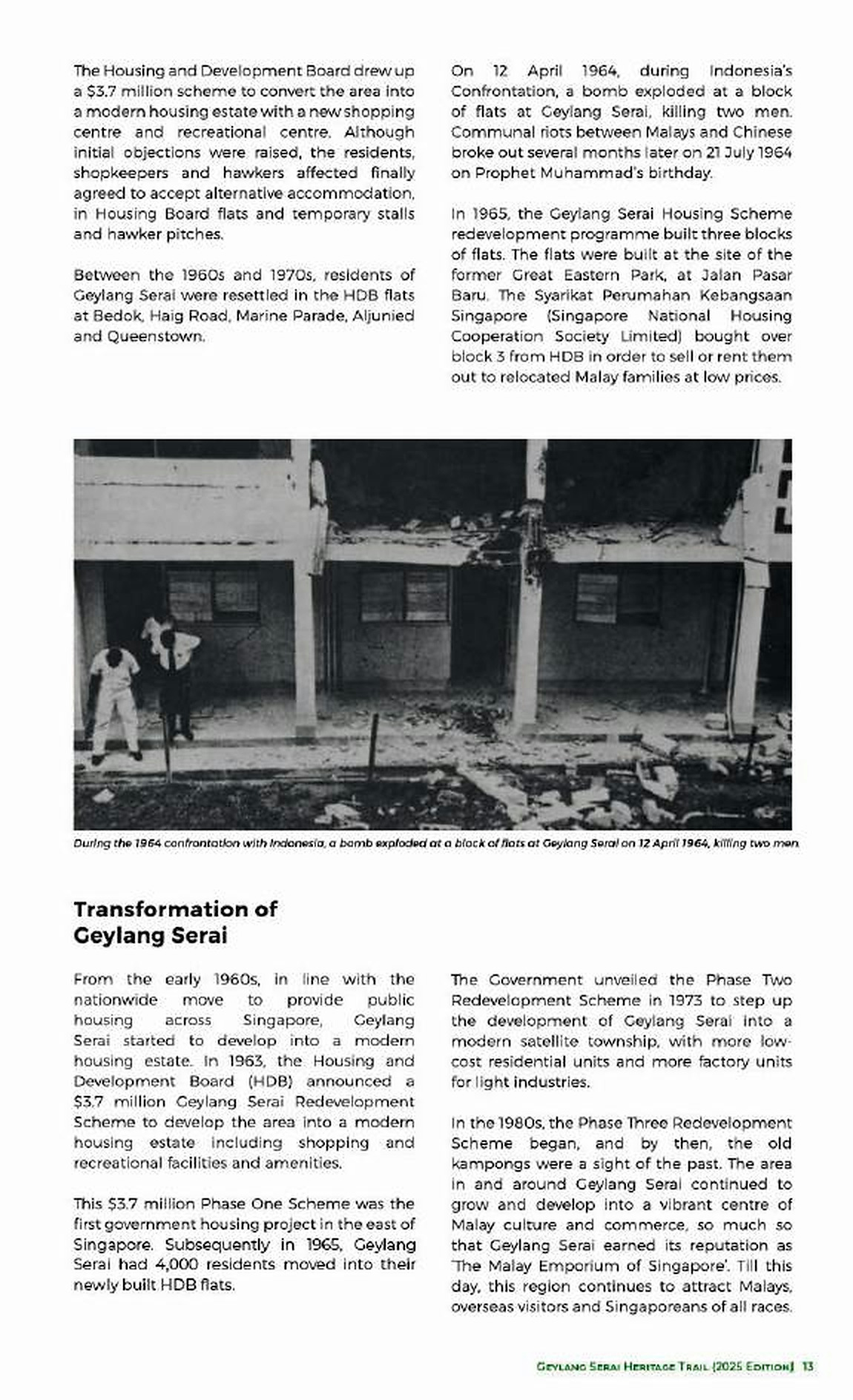
图6.3 甘榜向现代住宅区转换的档案图像 / Figure 6.3. Archival images of the transition from kampung to modern estate
图版来源 / Plate source: 李宏斌,《Geylang Serai Heritage Trail 2025 Edition》,2025;经作者授权收入本书,页内原始馆藏与摄影署名保持不变。 / Li Hongbin, Geylang Serai Heritage Trail 2025 Edition (2025), reproduced with the author’s permission; original archival and photographic credits remain on the plate.
1. National Heritage Board, ‘Geylang Serai Heritage Gallery’, Roots (1844 Malay Burying Ground; agricultural labour; suburban growth; mosques; entertainment; kampung life).
2. National Library Board Singapore, ‘Geylang Serai’, Singapore Infopedia.
3. The Straits Times, 16 March 1937 (contemporary description of cosmopolitan knowledge among Malay Settlement residents).
4. National Archives of Singapore, ‘Geylang Serai, Malay Kampong’, 1960, image no. 19980005049-0049, photo accession no. 58525; reproduction requires application to the copyright owner.
5. National Archives of Singapore, ‘Children splashing themselves with water at a kampong’, record 2561c5f6-1162-11e3-83d5-0050568939ad (standpipe and everyday infrastructure evidence).
6. Shireen Mardziah Alhabshi, ‘Urban Renewal of Traditional Settlements in Singapore and Malaysia: The Cases of Geylang Serai and Kampung Bharu’, Asian Survey 50, no. 6 (2010): 1135–1161.
7. National Archives of Singapore, 1958 Master Plan: Singapore Island Map Sheet 1/8, record 6b0edbbd-9c22-11e6-9af5-0050568939ad; reproduction requires URA permission.
第七章 信仰的街区
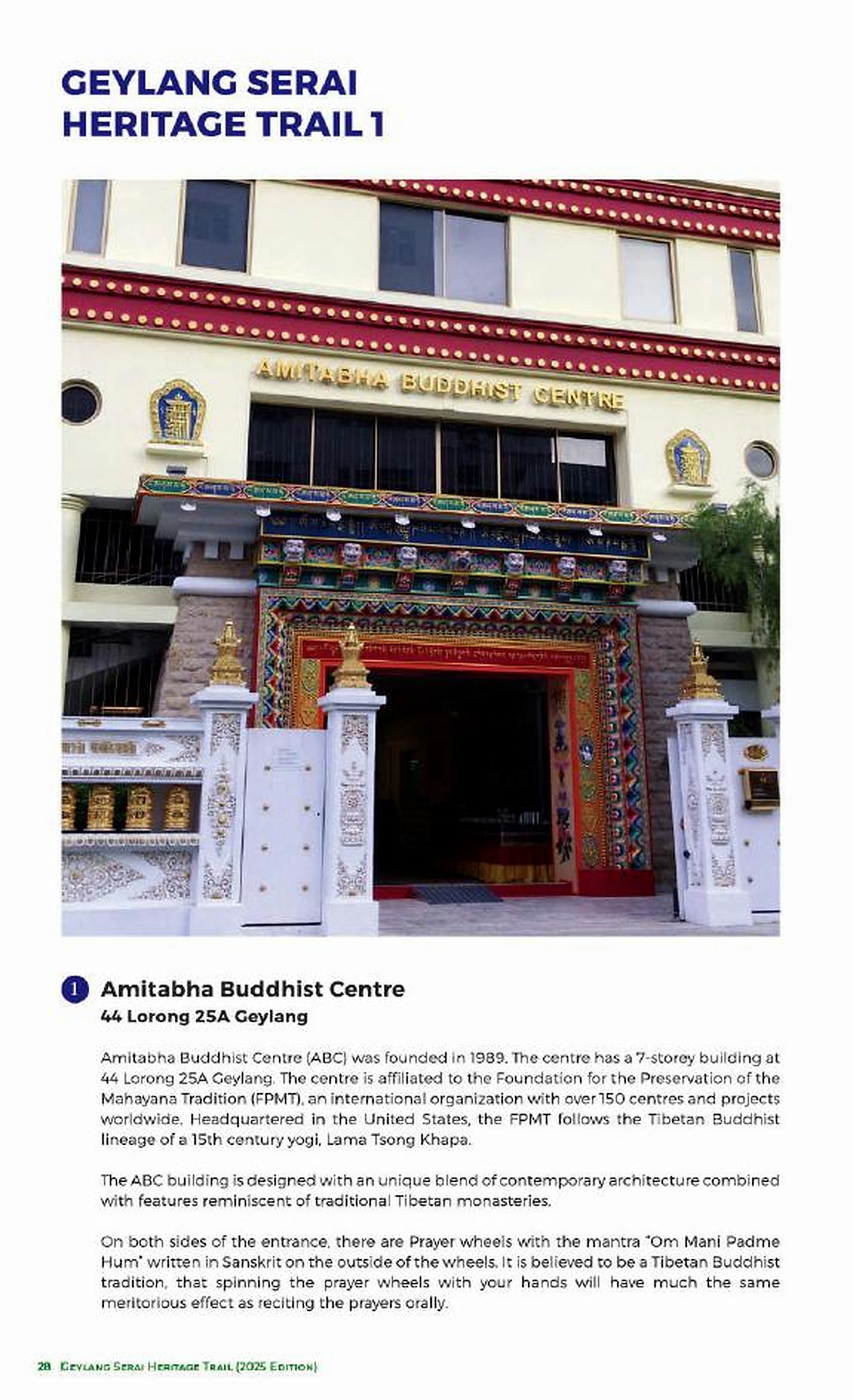
图7.1 芽笼多宗教遗产路线:佛教空间 / Figure 7.1. Multi-religious Geylang: Buddhist spaces
图版来源 / Plate source: 李宏斌,《Geylang Serai Heritage Trail 2025 Edition》,2025;经作者授权收入本书,页内原始馆藏与摄影署名保持不变。 / Li Hongbin, Geylang Serai Heritage Trail 2025 Edition (2025), reproduced with the author’s permission; original archival and photographic credits remain on the plate.
清真寺、宗教教育与多族群邻接
Chapter Seven · A Neighbourhood of Faith
Mosques, Religious Learning and Multi-Religious Adjacency
芽笼士乃的宗教遗产不在于建筑数量,而在于不同产权、仪式和共同体通过长期邻接共同使用城市的能力。 / Geylang Serai’s religious heritage lies not in the number of buildings, but in the ability of distinct property forms, rituals and communities to share the city through long-term adjacency.
一、从“宗教和谐”转向空间机制 / From ‘Religious Harmony’ to Spatial Mechanism
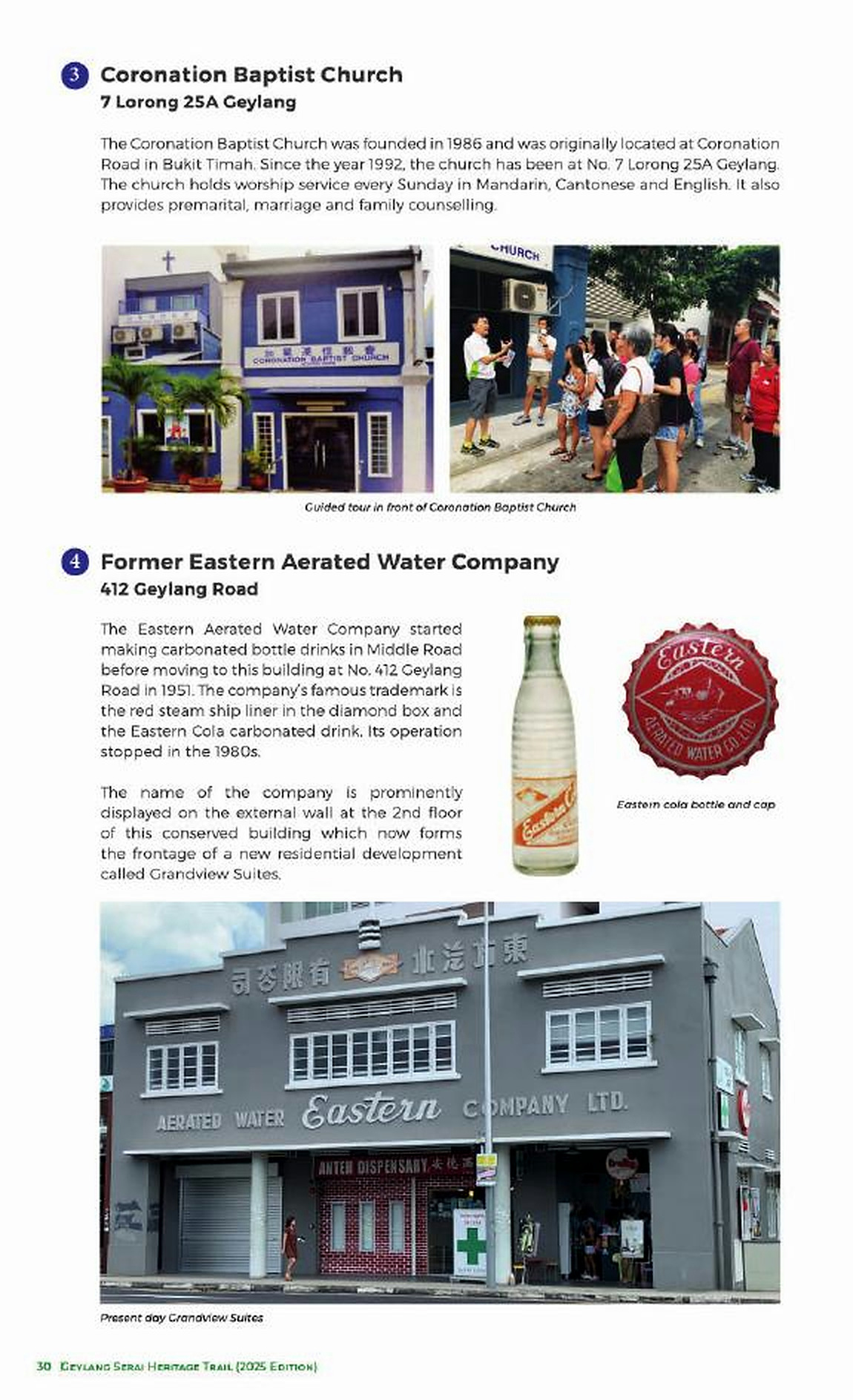
图7.2 教会、学校与街区公共生活 / Figure 7.2. Church, school and neighbourhood public life
图版来源 / Plate source: 李宏斌,《Geylang Serai Heritage Trail 2025 Edition》,2025;经作者授权收入本书,页内原始馆藏与摄影署名保持不变。 / Li Hongbin, Geylang Serai Heritage Trail 2025 Edition (2025), reproduced with the author’s permission; original archival and photographic credits remain on the plate.
芽笼士乃的遗产介绍常以“宗教和谐”概括清真寺、庙宇与教会并存。这一判断方向正确,却不足以构成学术或申遗证据。建筑相邻并不自动产生和谐;真正需要解释的是,不同共同体如何获得土地、筹集资源、安排节庆、处理声音与交通、迁建场所,并在长期日常接触中维持可接受的边界。
本章因此把宗教空间视为城市基础设施。清真寺、surau、madrasah、庙宇与宗亲慈善机构不仅处理信仰,也处理教育、婚姻、饮食、救济、老人照护、迁移接纳与公共时间。多元性不是静态建筑清单,而是一套持续协商的邻接制度。
Heritage accounts often summarise Geylang Serai through the coexistence of mosques, temples and churches under the phrase ‘religious harmony’. The direction is valid but insufficient as historical or nomination evidence. Architectural proximity does not automatically create harmony. The task is to explain how communities acquired land, raised resources, organised festivals, managed sound and traffic, relocated institutions and maintained workable boundaries through everyday contact.
This chapter treats religious space as urban infrastructure. Mosques, surau, madrasah, temples and charitable associations organised not only belief but education, marriage, food, welfare, elder care, migrant incorporation and public time. Plurality was not a static inventory of buildings; it was a negotiated system of adjacency.
二、Wakaf:把土地转化为跨代公共义务 / Wakaf: Converting Land into Intergenerational Obligation
Masjid Khalid于1917年在Haji Abdul Khalid bin Haji Mohamed Tyeb捐作wakaf的土地上建成。其首位已知imam来自Palembang,并担任qadi,主持Joo Chiat与Geylang一带婚姻。这一案例清楚显示,宗教建筑如何把跨区域迁徙、土地捐赠与地方社会治理连接起来。
wakaf的核心不只是“慈善捐地”,而是把私人资产从短期交易中抽离,指定为持续公共用途。它为聚落提供一种不同于公司产权和政府财政的时间制度。若建筑后来修缮或重建,真实性不能只看原砖瓦,还应考察捐赠目的、礼拜功能、受托治理和服务群体是否连续。
Masjid Khalid was completed in 1917 on land endowed as wakaf by Haji Abdul Khalid bin Haji Mohamed Tyeb. Its first known imam came from Palembang and also served as qadi, solemnising marriages in Joo Chiat and Geylang. The case connects transregional migration, endowed land and local social governance.
Wakaf was more than charitable donation. It withdrew private property from short-term exchange and designated it for continuing public use, giving settlement a temporal institution distinct from corporate title and state finance. Where buildings were later renovated or rebuilt, authenticity should be assessed through continuity of endowed purpose, worship, trusteeship and community served, not original bricks alone.
三、女性捐赠者与非精英宗教空间 / Women Founders and Non-Elite Religious Space
Masjid Khadijah由Khadijah binte Mohamed捐地并资助,1920年建成;Masjid Aminah则起源于Hajjah Guldjan binte Dhagoo(Mak Minah Palembang)拥有的寄宿屋,她在1960年把它改作Surau Aminah。随着礼拜者增加,1964年正式成为Masjid Aminah。两个案例说明,地方宗教空间并非全由男性精英或国家机构建立,女性资产、房屋与照护实践同样能转化为公共宗教基础设施。
Masjid Aminah的寄宿屋起源尤其重要:家、临时礼拜所与正式清真寺之间并不存在绝对边界。社区规模、捐赠意愿与行政承认逐步改变建筑身份。遗产价值因此也存在于“成为清真寺”的过程,而不仅存在于完成后的建筑形式。
Masjid Khadijah was endowed and funded by Khadijah binte Mohamed and completed in 1920. Masjid Aminah originated in a boarding house owned by Hajjah Guldjan binte Dhagoo, known as Mak Minah Palembang, who converted it into Surau Aminah in 1960. As the congregation expanded, it became Masjid Aminah in 1964. These cases show that local religious space was not created only by male elites or the state. Women’s property, domestic space and practices of care could become public religious infrastructure.
The boarding-house origin of Masjid Aminah is especially significant. Home, prayer hall and formal mosque were not absolute categories; community scale, endowment and administrative recognition progressively changed the building’s status. Heritage value lies in the process of becoming a mosque, not only in the final architectural form.
四、宗教教育:从家庭mengaji到madrasah网络 / Religious Education: From Household Mengaji to Madrasah Networks
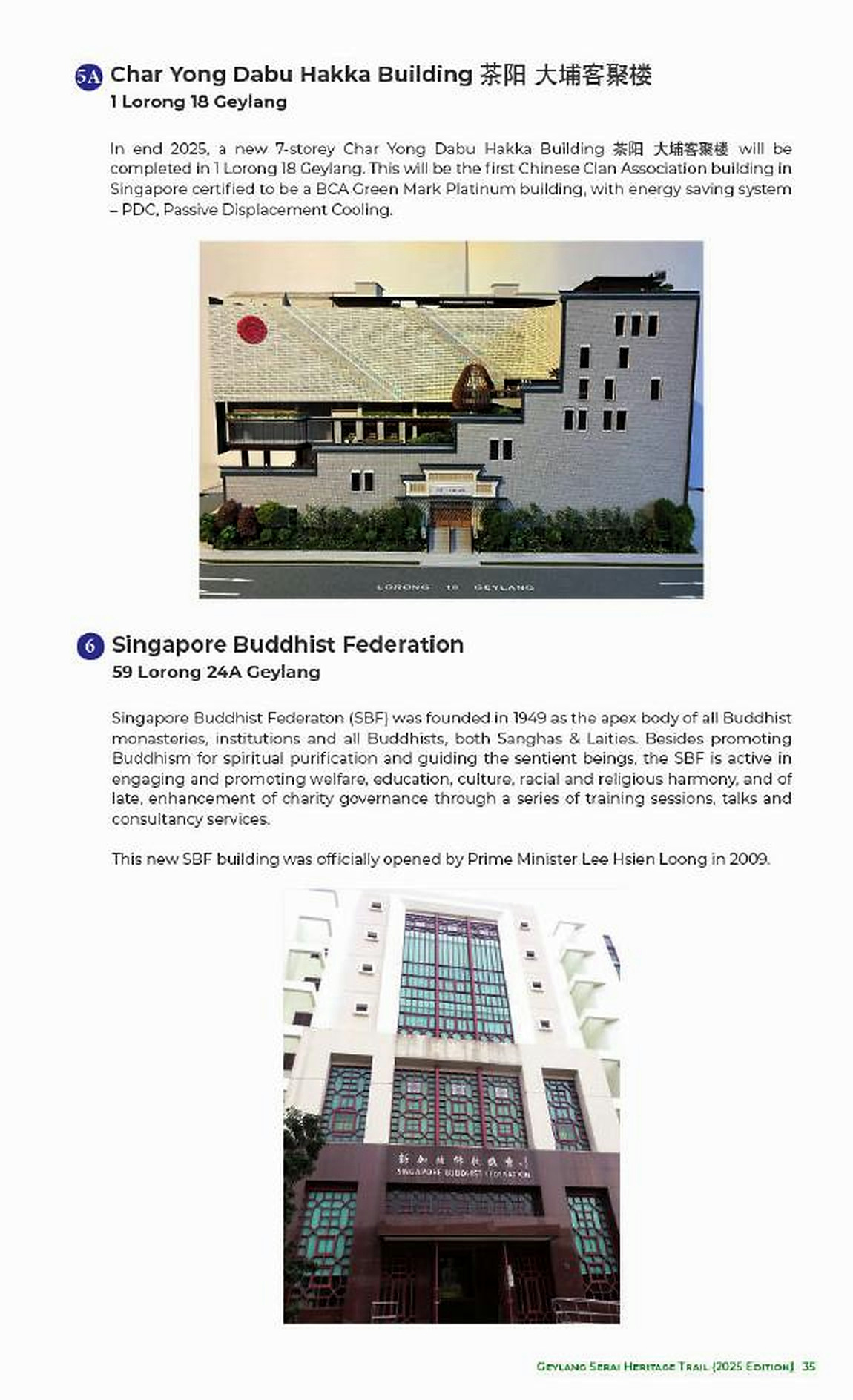
图7.3 华人庙宇与宗教建筑的街区存在 / Figure 7.3. Chinese temples and religious architecture in the district
图版来源 / Plate source: 李宏斌,《Geylang Serai Heritage Trail 2025 Edition》,2025;经作者授权收入本书,页内原始馆藏与摄影署名保持不变。 / Li Hongbin, Geylang Serai Heritage Trail 2025 Edition (2025), reproduced with the author’s permission; original archival and photographic credits remain on the plate.
芽笼士乃儿童常在正式学校之外,于邻居或亲属家中参加ngaji或mengaji古兰经诵读课程;sekolah kampong也提供宗教史与基础教育。1958年,Ustaz Mohd Noor bin Taib在Sims Avenue建立宗教学校,1968年以其曾祖父Wak Tanjong命名为Madrasah Wak Tanjong。Masjid Aminah在1972年设madrasah,为不同年龄男女提供课程。
教育网络把地方信仰从每周礼拜扩展为日常知识生产。它同时连接家庭、教师、清真寺和跨村学生,并使阿拉伯语、马来语与殖民学校语言处于互动之中。对申遗而言,课程与师生网络属于活态属性;校舍若迁移,仍需追踪其功能连续与社区覆盖范围。
Children in Geylang Serai often attended Qur’anic ngaji or mengaji classes in neighbours’ or relatives’ homes alongside formal schooling; sekolah kampong provided religious instruction and history. In 1958, Ustaz Mohd Noor bin Taib founded a religious school on Sims Avenue, renamed Madrasah Wak Tanjong in 1968 after his great-grandfather. Masjid Aminah established a madrasah in 1972 for women and men across age groups.
Education extended faith from weekly worship into daily knowledge production. It connected households, teachers, mosques and students from multiple kampungs, while placing Arabic, Malay and colonial school languages in interaction. Curricula and teacher–student networks are living attributes. If premises move, functional continuity and the community served remain essential evidence.
五、朝觐与机场:地方清真寺连接全球伊斯兰 / Hajj and Airport: A Local Mosque in Global Islam
1970年代航空旅行普及后,Masjid Aminah因靠近Paya Lebar Airport,成为出发朝觐者前往机场前进行subuh晨礼的停靠点。这个看似短暂的动作,把Jalan Labu上的社区清真寺连接到麦加,也把机场现代化嵌入宗教时间。
朝觐者不是在离开地方时暂时脱离芽笼士乃;清真寺的集合、祈祷、送行与返乡叙事,使全球移动成为地方共同记忆。它提供标准(ii)所需的具体交流机制:不是抽象“东西方交汇”,而是身体、航线、宗教义务与城市基础设施的同步。
As air travel expanded in the 1970s, Masjid Aminah’s proximity to Paya Lebar Airport made it a stop where outward-bound pilgrims performed the subuh dawn prayer before proceeding to the airport. This brief act connected a community mosque on Jalan Labu to Mecca and embedded airport modernity within religious time.
Pilgrims did not cease to belong locally when departing. Gathering, prayer, farewell and return narratives made global movement part of communal memory. This provides a concrete exchange mechanism under criterion (ii): not abstract East–West encounter, but the coordination of bodies, air routes, religious obligation and urban infrastructure.
六、迁建与功能继承:从Masjid Aminah到Darul Aman / Relocation and Functional Succession: Aminah to Darul Aman
Masjid Aminah因1970年道路拓宽拆除后在附近重建,1988年又因城市发展结束礼拜;Masjid Darul Aman已于1986年在Jalan Eunos启用,承接扩大后的社区服务。Darul Aman可容纳约3500人,其坡屋顶与层叠形式结合马来建筑参照和伊斯兰装饰,1989年获Aga Khan Award提名。
这不是一条简单的“旧小庙被新大庙取代”进步线。原地点、邻里亲密度与个人记忆有所损失,容量、卫生、教育与跨信仰活动则得到扩展。申遗判断应同时记录损失与功能继承,避免把拆迁合理化,也避免把任何物理改变视为真实性终结。
Masjid Aminah was demolished for road widening in 1970 and rebuilt nearby, then ceased worship in 1988 for further development. Masjid Darul Aman had opened at Jalan Eunos in 1986 and assumed expanded community functions. With capacity of about 3,500, its pitched and tiered roof combines references to Malay architecture with Islamic ornament; it was nominated for an Aga Khan Award in 1989.
This is not a simple progress story in which a small old mosque gave way to a better large one. Original setting, neighbourhood intimacy and personal memory were lost, while capacity, sanitation, education and interfaith activity expanded. Nomination analysis must record both loss and functional succession, neither legitimising demolition nor treating every physical change as the end of authenticity.
七、Leong Nam Temple:少数宗教空间的迁出 / Leong Nam Temple: The Displacement of a Minority Sacred Space
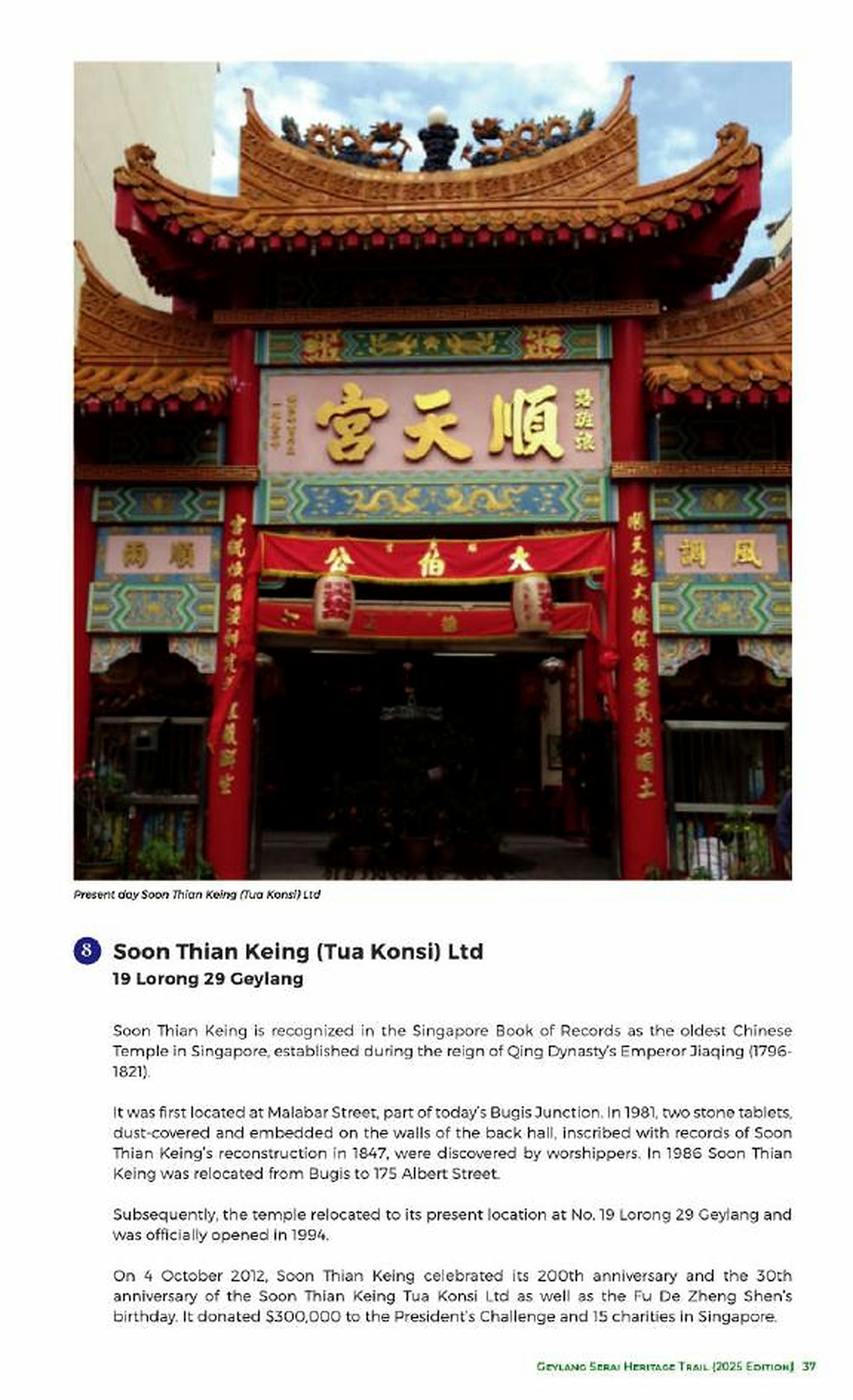
图7.4 Soon Thian Keing等华人宗教空间 / Figure 7.4. Chinese sacred space including Soon Thian Keing
图版来源 / Plate source: 李宏斌,《Geylang Serai Heritage Trail 2025 Edition》,2025;经作者授权收入本书,页内原始馆藏与摄影署名保持不变。 / Li Hongbin, Geylang Serai Heritage Trail 2025 Edition (2025), reproduced with the author’s permission; original archival and photographic credits remain on the plate.
Leong Nam Temple于1964年在Jalan Pasar Baru成立,以九皇爷节庆和街区巡游为居民熟知。前居民对仪式既有敬畏也有不安,这种复杂记忆比事后统一的“和谐”叙事更真实。庙宇租约于2006年结束,后来与其他庙宇迁入Jalan Kayu联合庙。
迁出说明多元共存并非永恒景观。一个共同体可保留神像、仪式与组织,却失去原来的邻里观众、巡游路线和跨宗教日常接触。原址档案照片、居民记忆与现存庙宇应作为一个迁移后的遗产组合阅读。其价值不是宣称冲突从未发生,而是展示差异如何在共享空间中被感知、容忍和记住。
Leong Nam Temple was established at Jalan Pasar Baru in 1964 and became known for the Nine Emperor Gods Festival and neighbourhood processions. Former residents recall both awe and trepidation—a more truthful memory than retrospective claims of effortless harmony. The lease ended in 2006, and the temple subsequently joined other institutions in a combined temple at Jalan Kayu.
Relocation demonstrates that plural coexistence is not a permanent streetscape. A community may preserve deities, ritual and organisation while losing its former neighbours, processional routes and everyday interreligious contact. Archival photographs of the original site, resident memory and the continuing temple must be read as one displaced heritage ensemble. Its value lies not in claiming that tension never existed, but in showing how difference was perceived, tolerated and remembered in shared space.
八、遗产意义:邻接本身是一项需要治理的遗产 / Heritage Significance: Adjacency as Governed Heritage
本章确认的突出价值不是“芽笼士乃有多种宗教”,而是宗教机构以不同产权、族群网络和历史时间进入同一城市,并通过婚姻、教育、慈善、朝觐、节庆、食物与道路形成相互可见的邻接。wakaf提供跨代土地制度;女性捐赠把家庭资产转为公共设施;madrasah把信仰转为知识网络;机场把地方接入麦加;迁建则揭示现代化的获得与损失。
候选地保护应包括建筑与关系两层:保存Masjid Khalid、Masjid Khadijah、Masjid Wak Tanjong、Masjid Darul Aman等持续节点;在地图和解释系统中保留Masjid Aminah与Leong Nam Temple原址;保护节庆和礼拜所需交通、开放空间及时间安排;防止租金和更新把小型慈善、宗教教育和跨信仰活动排除。真正的宗教遗产不是建筑数量,而是差异仍能共同使用城市的能力。
The significant value is not merely that Geylang Serai contains multiple religions. Institutions with different property forms, ethnic networks and historical times entered one city and became mutually visible through marriage, education, charity, pilgrimage, festivals, food and streets. Wakaf supplied intergenerational land governance; women’s endowment converted domestic property into public facilities; madrasah made faith a knowledge network; the airport connected locality to Mecca; and relocation exposed both gains and losses of modernisation.
Protection must operate at architectural and relational levels: sustain continuing nodes such as Masjid Khalid, Masjid Khadijah, Masjid Wak Tanjong and Masjid Darul Aman; retain the former sites of Masjid Aminah and Leong Nam Temple in mapping and interpretation; protect circulation, open space and time required for worship and festivals; and prevent rent or redevelopment from excluding small charities, religious learning and interfaith activity. Religious heritage is not the number of buildings, but the capacity of difference to continue sharing the city.
宗教遗产属性判定 / Religious Heritage Attribute Determination
| 属性 / Attribute | 连续性 / Continuity | 保护含义 / Protection implication |
|---|---|---|
| Wakaf land | 指定公共用途、受托治理。 / Dedicated public purpose and trusteeship. | 保护用途与治理,不只立面。 / Protect use and governance, not façade alone. |
| Mosque–madrasah network | 礼拜、教育、婚姻、慈善。 / Worship, learning, marriage and welfare. | 维持步行与社区覆盖。 / Maintain access and community reach. |
| Hajj route | 清真寺—机场—麦加的宗教移动。 / Mosque–airport–Mecca mobility. | 以口述史和路线解释。 / Interpret through oral histories and routes. |
| Former sacred sites | Masjid Aminah与Leong Nam原址。 / Former Aminah and Leong Nam sites. | 地图标识并连接现存机构。 / Map and link to continuing institutions. |
| Interfaith adjacency | 共享道路、时间和公共空间。 / Shared streets, time and public space. | 纳入交通、节庆和更新治理。 / Include circulation, festivals and redevelopment governance. |
注释与参考文献 / Notes and References
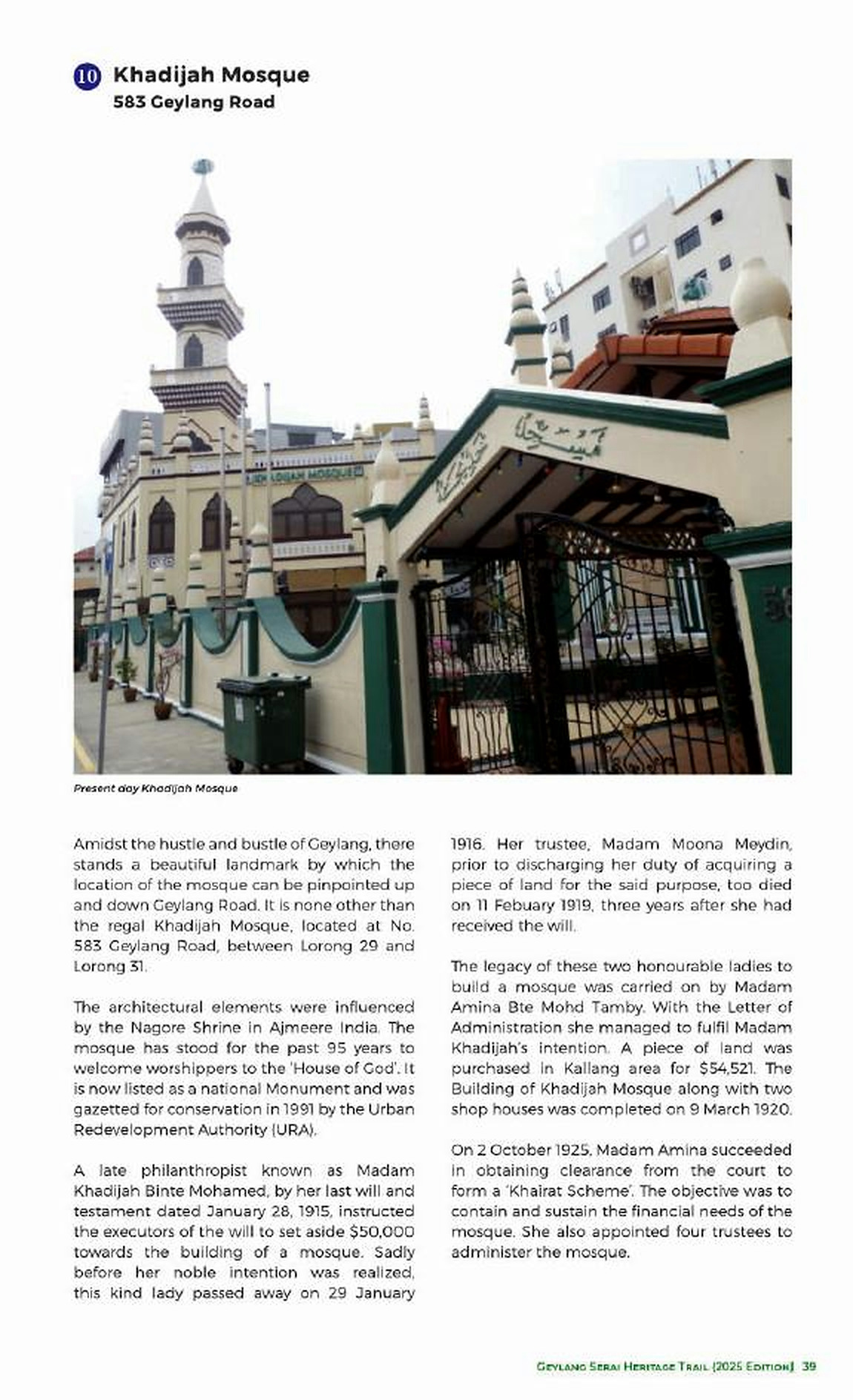
图7.5 Masjid Khadijah的建筑与历史 / Figure 7.5. Architecture and history of Masjid Khadijah
图版来源 / Plate source: 李宏斌,《Geylang Serai Heritage Trail 2025 Edition》,2025;经作者授权收入本书,页内原始馆藏与摄影署名保持不变。 / Li Hongbin, Geylang Serai Heritage Trail 2025 Edition (2025), reproduced with the author’s permission; original archival and photographic credits remain on the plate.
1. National Heritage Board, ‘Geylang Serai Heritage Gallery’, Roots, section ‘Communities of Faith’ (Masjid Aminah, Darul Aman, Wak Tanjong, Khalid and Leong Nam Temple).
2. National Heritage Board, ‘Geylang Serai Foot Trail’, Roots (religious sites across the wider Geylang Serai heritage area).
3. National Archives of Singapore, ‘Previous site of Leong Nam Temple now at Sengkang West Ave’, record 45ddc67d-1162-11e3-83d5-0050568939ad.
4. National Archives of Singapore photographic records for Masjid Aminah and Masjid Darul Aman, as identified in the Geylang Serai Heritage Gallery; reproduction subject to individual rights statements.
5. National Library Board Singapore, ‘Geylang Serai’, Singapore Infopedia.
6. Madrasah Wak Tanjong Al-Islamiah institutional history, cross-checked against National Heritage Board interpretation.
7. ICOMOS, Thematic and methodological guidance on associative values, living traditions and authenticity in cultural properties.
第三编 城市制度与文化再生产
PART III · URBAN INSTITUTIONS AND CULTURAL REPRODUCTION
第八章 道路上的公共领域
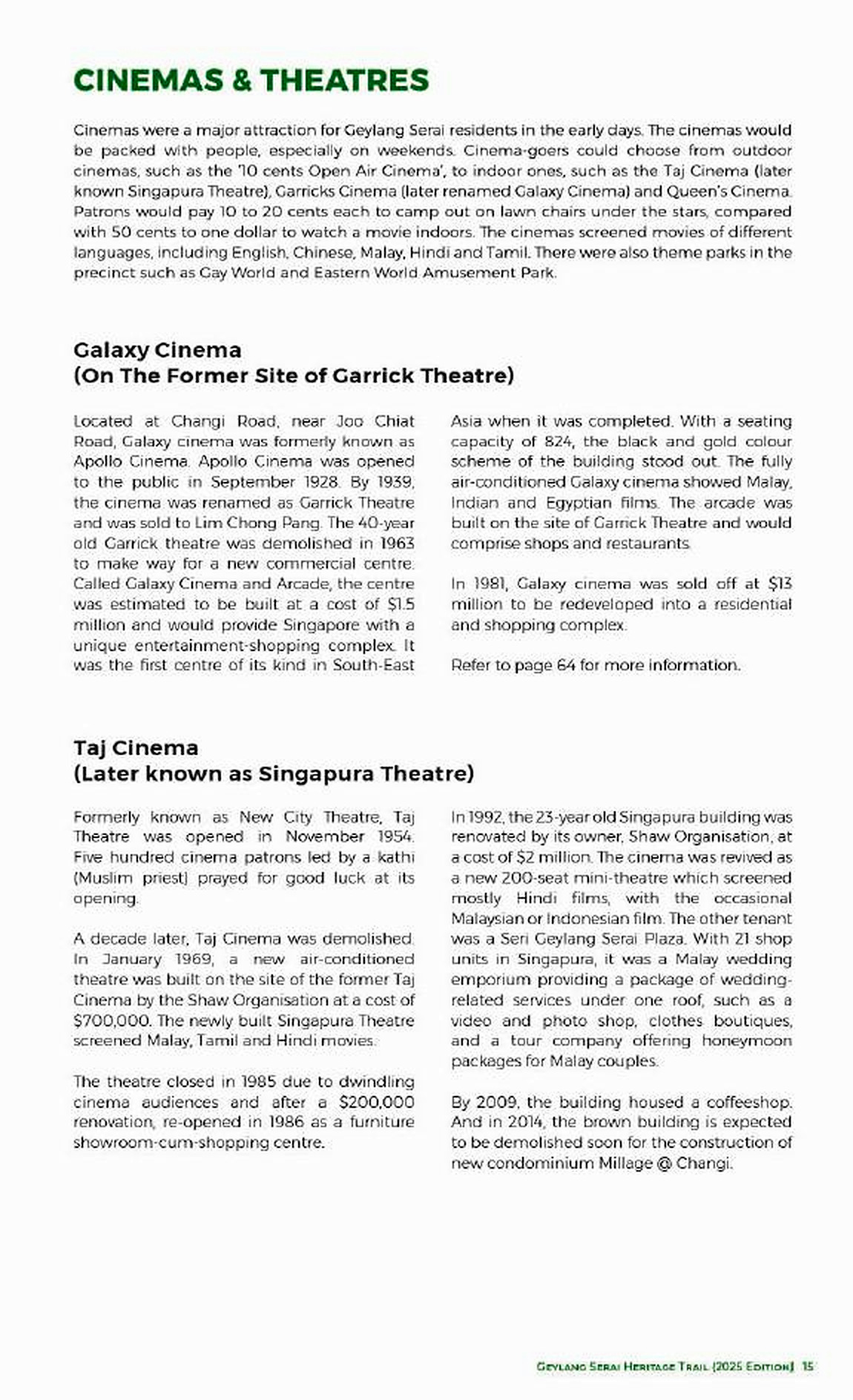
图8.1 Garrick/Galaxy与Taj/Singapura影院史料页:影院、商业拱廊与多语种放映共同构成区域公共文化基础设施。 / Figure 8.1. Archival guide page on Garrick/Galaxy and Taj/Singapura: cinemas, retail arcades and multilingual programming formed a regional cultural infrastructure.
图版来源 / Plate source: 李宏斌,《Geylang Serai Heritage Trail 2025 Edition》,2025;经作者授权收入本书,页内原始馆藏与摄影署名保持不变。 / Li Hongbin, Geylang Serai Heritage Trail 2025 Edition (2025), reproduced with the author’s permission; original archival and photographic credits remain on the plate.
交通、影院、店屋与跨族群商业网络
Chapter Eight · A Public Sphere on the Road
Transport, Cinemas, Shophouses and Cross-Community Commercial
Networks
芽笼士乃的多元公共生活不是族群多样性的自然结果,而是由道路可达性、细颗粒街巷、店屋界面和多语种娱乐共同生产的关系型基础设施。 / Geylang Serai’s plural public life was not the automatic outcome of diversity; it was produced by a relational infrastructure of accessibility, fine-grained lanes, shophouse interfaces and multilingual entertainment.
一、道路不是背景:交通如何生产一个公共中心 / Roads Are Not Background: Mobility as the Making of a Public Centre
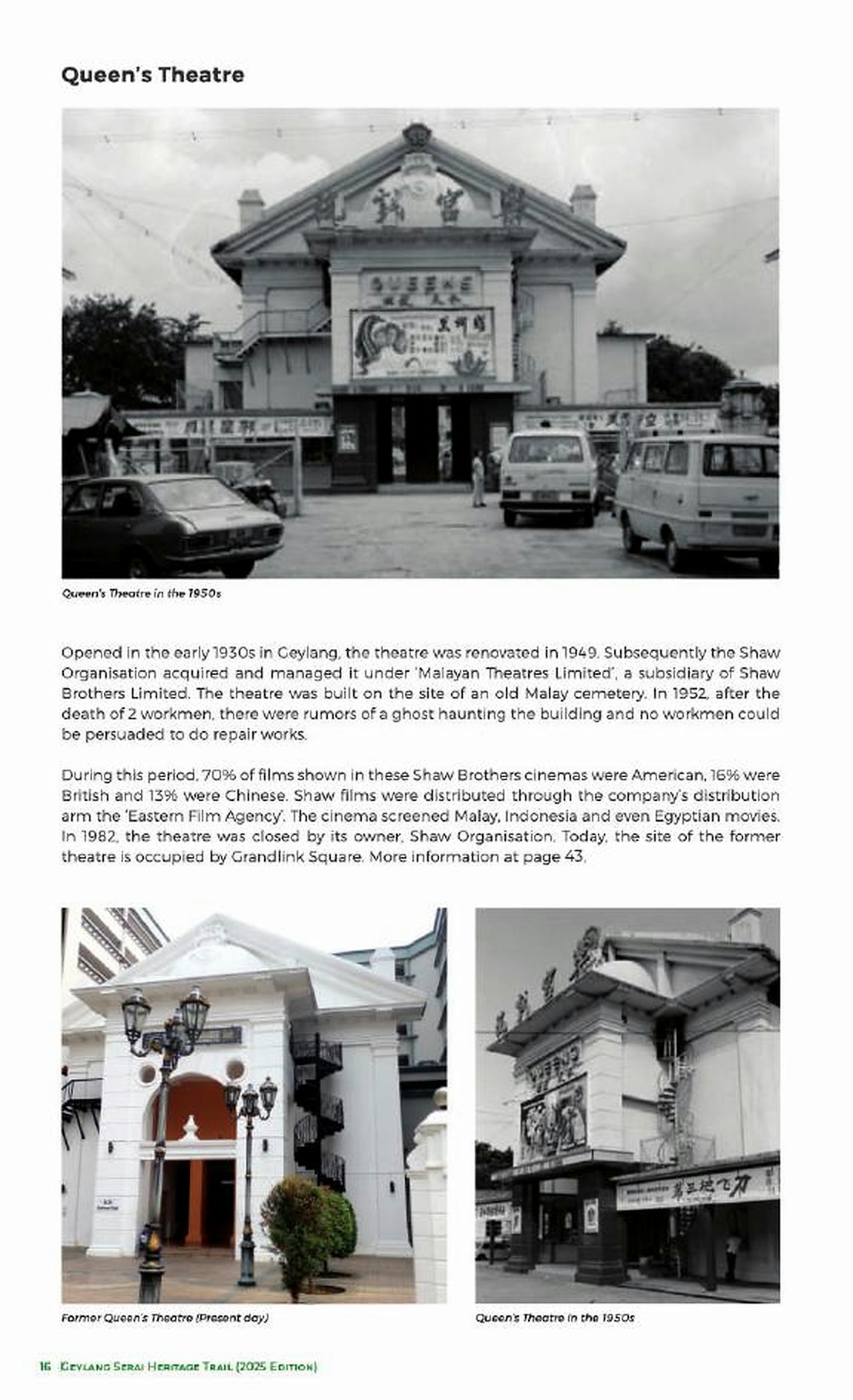
图8.2 Queen’s与Hollywood影院史料页:不同影片网络、票价与建筑再利用显示娱乐空间的跨族群流动及房地产周期。 / Figure 8.2. Archival guide page on Queen’s and Hollywood: film circuits, pricing and adaptive reuse reveal cross-community mobility and property cycles.
图版来源 / Plate source: 李宏斌,《Geylang Serai Heritage Trail 2025 Edition》,2025;经作者授权收入本书,页内原始馆藏与摄影署名保持不变。 / Li Hongbin, Geylang Serai Heritage Trail 2025 Edition (2025), reproduced with the author’s permission; original archival and photographic credits remain on the plate.
芽笼士乃的市场、宗教机构和娱乐场所之所以能够形成跨族群影响,并不只因为它们各自具有吸引力,而是因为Geylang Road、Changi Road、Paya Lebar Road、Joo Chiat Road与一系列lorong把村落、庄园、机场、城市中心和东部海岸组织成了可重复通行的网络。本章提出:芽笼士乃的城市性首先是一种“可达性的制度化”。道路把偶然相遇变成日常相遇,把地方摊贩变成区域商业,把宗教节日变成城市事件,也使国家能够实施征地、道路拓宽与成片重建。
这一命题修正两种常见叙事。第一种把交通视为发展史的中性背景,第二种把商业繁荣归因于单一族群的企业精神。事实上,道路、线路、站点、步行尺度、店屋连续界面与公共规制共同决定谁能进入、停留、交易和被看见。交通基础设施既创造开放性,也制造拆迁与边缘化;它必须作为遗产因果链的一部分,而非附属章节。
The market, religious institutions and entertainment venues of Geylang Serai acquired cross-community reach not solely through their own attractions. Geylang Road, Changi Road, Paya Lebar Road, Joo Chiat Road and a lattice of lorongs connected kampungs, estates, the airport, the city centre and the eastern coast through repeatable journeys. This chapter argues that Geylang Serai became urban first through the institutionalisation of accessibility. Roads converted chance encounters into everyday contact, local hawkers into regional commerce and religious festivals into city events; they also enabled land acquisition, road widening and comprehensive redevelopment.
This proposition corrects two familiar narratives: transport as a neutral background to development, and commercial growth as the achievement of a single ethnic entrepreneurial culture. Access was jointly produced by roads, routes, stops, pedestrian scale, continuous shophouse frontages and regulation. Infrastructure created openness while also enabling displacement and marginalisation. It therefore belongs inside the heritage causal chain, not in an ancillary account.
二、从Geylang Road到Changi Road:线性聚落的形成 / From Geylang Road to Changi Road: The Formation of a Linear Settlement
历史地图显示,Geylang Road向东接续Changi Road,并与Paya Lebar Road、Joo Chiat Road等南北向通道相交。聚落与商业并非均匀铺展,而是沿主路、路口和水系形成密度差异。店屋的窄面宽与连续五脚基把私人产权切分成细颗粒单元,却在街面提供连续遮蔽和高频出入口;这是一种将分散经营者组合成公共商业界面的空间技术。
1932—1940年测绘图中可见Appollo Cinema Hall、橡胶工场、车房、排水沟、沼泽、围篱和地块边界并置。它证明娱乐业并非在“传统村落消失之后”才出现,而是与生产、农业残余和早期机动车服务共同嵌入过渡景观。1970年NAS Geylang instrumental plot进一步标示市场、村落、社区中心、Galaxy与Singapura影院等节点,使我们能够比较土地肌理被重建前后的连续与断裂。
Historical maps show Geylang Road continuing east as Changi Road and intersecting with north–south corridors including Paya Lebar Road and Joo Chiat Road. Settlement and commerce did not spread evenly; density accumulated along arterial roads, junctions and waterways. Narrow shophouse plots and continuous five-foot ways divided ownership into fine-grained units while creating a sheltered public frontage with frequent entrances—a spatial technology that assembled dispersed traders into a shared commercial interface.
Survey sheets amended between 1932 and 1940 place Appollo Cinema Hall alongside rubber works, garages, drains, swamps, fences and cadastral boundaries. Entertainment therefore did not arrive only after the disappearance of the kampung; it was embedded within a transitional landscape of production, residual agriculture and early motor services. The 1970 NAS instrumental plot identifies markets, villages, community centres, and the Galaxy and Singapura cinemas, permitting comparison of continuity and rupture before and after redevelopment.
三、电影院作为多语种公共机构 / Cinemas as Multilingual Public Institutions
电影院是理解芽笼士乃公共性的关键,而不只是怀旧地标。露天影院以较低票价吸引观众,Taj、Garrick、Queen’s和Hollywood等室内影院则形成不同价格和设施层级。英语、华语、马来语、印地语、泰米尔语以及印度尼西亚、埃及影片的并置,说明影像流通跨越族群与殖民语言分类。重要的不是每名观众都观看所有语种影片,而是多个发行网络、明星系统和观众群在同一街区获得可见性。
因此,影院可被界定为“差异的共同基础设施”:它们不要求文化同质化,却把不同公共群体压缩在相邻时间表和空间中。票价、空调、座位容量、周末人流与周边饮食摊档共同构成社会分层;同时,银幕内容把本地居民接入香港、马来亚、印度、中东、欧美及印度尼西亚的文化流。标准(ii)若要成立,应建立在这种可指认的交换装置上,而不是抽象的“文化交汇”。
Cinemas are central to the public history of Geylang Serai rather than merely nostalgic landmarks. Low-priced open-air screenings and indoor venues such as Taj, Garrick, Queen’s and Hollywood created differentiated levels of price and amenity. The circulation of English, Chinese, Malay, Hindi and Tamil films, including productions from Indonesia and Egypt, crossed ethnic and colonial-language classifications. The point is not that every spectator watched every language, but that multiple distribution circuits, star systems and publics became visible within one neighbourhood.
The cinema was thus an infrastructure for sharing difference. It did not require cultural homogenisation, but compressed distinct publics into adjacent schedules and spaces. Ticket price, air-conditioning, seating capacity, weekend crowds and nearby food stalls also reproduced social distinctions. At the same time, screens connected residents to Hong Kong, Malaya, India, the Middle East, Europe, the United States and Indonesia. Any argument under criterion (ii) should rest on such identifiable mechanisms of exchange rather than an abstract ‘cultural crossroads’.
四、Garrick—Galaxy:娱乐、购物与房地产周期 / Garrick–Galaxy: Entertainment, Retail and the Property Cycle
Appollo Cinema于1928年开业,1930年代后以Garrick Theatre为人所知;1963年旧建筑拆除,Galaxy Cinema and Arcade随后以影院、商店和餐饮组合出现。这个序列揭示的不只是建筑更名,而是娱乐资本的空间升级:单一放映厅转化为把观影、消费与停留打包的综合体。后来Galaxy再被出售并进入住宅—商业重建周期,说明公共记忆所依附的建筑始终受到地价与租约期限支配。
官方遗产资料对年份和细节存在内部不一致,因而本章不把其全部叙述直接升级为定论。可确认的研究路径是把Survey Department图、建筑审批档案、公司与地契资料、报纸开幕广告、放映表和口述史进行互证。严谨的历史研究需要回答的不仅是“影院何时开关”,还包括资本结构、观众构成、放映语言比例以及拆建决策如何改变公共生活。
Appollo Cinema opened in 1928 and became known as Garrick Theatre in the following decade. The earlier building was demolished in 1963, after which Galaxy Cinema and Arcade combined screening, shops and restaurants. The sequence was more than a change of name: it marked a spatial upgrading of entertainment capital from a stand-alone auditorium to a complex that bundled viewing, consumption and lingering. Galaxy’s later sale and entry into another residential–commercial redevelopment cycle demonstrates how the buildings anchoring public memory remained governed by land value and lease horizons.
Official heritage materials contain inconsistencies in dates and details, so this chapter does not promote the whole received account to established fact. Survey sheets, building-control files, company and title records, opening advertisements, film schedules and oral histories must be cross-tested. A journal-standard inquiry asks not only when a cinema opened or closed, but how capital structure, audience composition, screen-language ratios and redevelopment decisions altered public life.
五、Taj—Singapura:宗教仪式、马来电影与婚礼经济 / Taj–Singapura: Ritual, Malay Cinema and the Wedding Economy
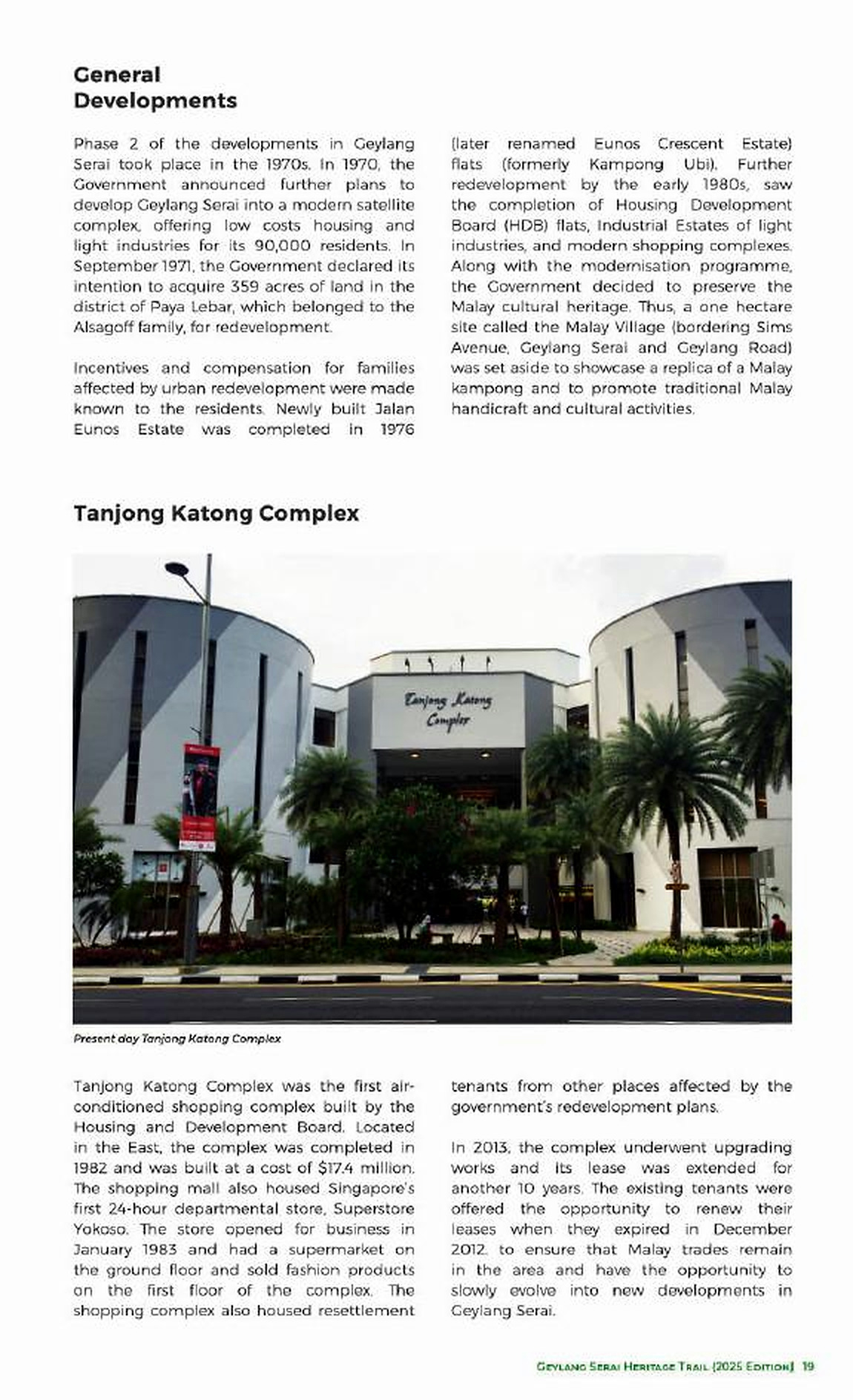
图8.3 Geylang lorong及后巷史料页:主街、编号巷道、店屋和服务后巷共同构成细颗粒城市网络。 / Figure 8.3. Figure 8.4. Archival guide page on Geylang’s lorongs and rear lanes: arterial road, numbered lanes, shophouses and service alleys form a fine-grained urban network.
图版来源 / Plate source: 李宏斌,《Geylang Serai Heritage Trail 2025 Edition》,2025;经作者授权收入本书,页内原始馆藏与摄影署名保持不变。 / Li Hongbin, Geylang Serai Heritage Trail 2025 Edition (2025), reproduced with the author’s permission; original archival and photographic credits remain on the plate.
Taj Theatre于1954年开业时,资料记载数百名观众在宗教人士带领下祈福。这一场景提醒我们,现代商业娱乐并不必然以世俗化为前提;宗教祝祷可以参与新型公共建筑的合法化。Taj拆除后,Singapura Theatre以空调影院继续放映马来、泰米尔和印地语影片。影院衰退后,建筑又容纳家具商业及以马来婚礼服务为中心的商业组合。
同一地点由影院转为婚礼经济,不应被写成简单衰败。两者都围绕仪式化聚集、服饰、影像、消费与人生阶段组织服务,存在功能上的结构继承。建筑用途虽然改变,面向马来—穆斯林及南亚顾客的区域中心性并未立即消失。这类“用途变而网络续”的证据,对真实性评估尤其重要。
When Taj Theatre opened in 1954, heritage accounts record hundreds of patrons joining a blessing led by a religious figure. The scene cautions against treating modern commercial entertainment as necessarily secular: religious ritual could help legitimise a new public building. After Taj was demolished, Singapura Theatre continued as an air-conditioned venue showing Malay, Tamil and Hindi films. As cinema attendance declined, the building accommodated furniture retail and a cluster of Malay wedding services.
The transition from cinema to wedding economy should not be narrated simply as decline. Both organised services around ritual gathering, dress, images, consumption and life-course events; there was a structural succession of functions. Although use changed, the site’s regional centrality for Malay–Muslim and South Asian customers did not immediately disappear. Such evidence of ‘changed use, continuing network’ matters to the assessment of authenticity.
六、店屋、五脚基与可渗透街区 / Shophouses, Five-Foot Ways and the Permeable District
URA将芽笼列为具有1910年代至1950年代多种店屋类型的保护区,并强调其从早期、过渡、晚期到Art Deco与Modern风格的序列。建筑价值不只在立面装饰。狭长地块、混合使用、连续骑楼、后巷与高密度门面共同构成可渗透街区,使居住、零售、修理、餐饮、宗亲与宗教活动保持短距离联系。
保护若只保留正立面,却让租金、业态和后巷使用完全脱离原有细颗粒网络,物质真实性可能仍在,社会—功能完整性却会下降。反过来,不能以“活态文化”为名拒绝建筑修缮与安全标准。保护对象应是形态、用途弹性和可负担进入条件三者的组合,而不是冻结某一年代的布景。
URA identifies Geylang as a conservation area containing shophouse types from the 1910s to the 1950s, ranging from Early and Transitional forms to Late, Art Deco and Modern styles. Their value is not confined to façade ornament. Narrow plots, mixed use, continuous arcades, rear lanes and frequent frontages created a permeable district in which residence, retail, repair, food, clan and religious activities remained within short distances.
If conservation retains façades while rent, tenant mix and rear-lane use become detached from the fine-grained network, material authenticity may survive while social and functional integrity deteriorate. Conversely, ‘living culture’ cannot excuse the rejection of repair or safety standards. The object of protection is the combination of morphology, adaptability of use and affordable entry, not a stage set frozen in one decade.
七、Lorong系统:大路之外的日常城市 / The Lorong System: Everyday Urbanism Beyond the Arterial Road
Geylang Road两侧的编号lorong将主干道流量分配到住宅、宗教、娱乐和小型生产空间。奇数与偶数巷道分列道路两侧,使地址系统本身成为认知地图。后巷则承担排污、装卸、维修和非正式交往等被正街立面遮蔽的功能。官方资料对night-soil系统的记载提醒我们,现代街区的卫生转型依赖低可见度劳动,而非仅靠工程设施。
2007—2010年后巷照明改善被官方叙述为安全与利用率提升,但这一类治理也应接受更细检验:照明是否扩大老人、妇女和儿童的可用时间,是否改变商户成本,是否促进活动同时加强监控?遗产管理不能把后巷美化等同于社会改善,应通过使用者访谈、时段观察和租金变化评估受益者与被排除者。
Numbered lorongs on both sides of Geylang Road distribute arterial movement into residential, religious, entertainment and small-production spaces. Odd and even lanes on opposite sides make the address system itself a cognitive map. Rear lanes carried sanitation, loading, repair and informal interaction concealed from the formal street front. Accounts of the night-soil system show that sanitary modernisation depended upon low-visibility labour as much as engineering.
Official narratives describe rear-lane lighting installed between 2007 and 2010 as improving safety and use. Such governance needs closer testing: did lighting extend usable hours for older people, women and children; change costs for traders; or encourage activity while intensifying surveillance? Heritage management should not equate beautification with social improvement. User interviews, time-based observation and rent change are needed to identify beneficiaries and exclusions.
八、交通改善与拆迁能力 / Accessibility and the Capacity to Displace
交通建设具有双重因果。道路拓宽、现代巴士与后来的轨道交通提升客流和区域连接,却也提高土地价值并增强政府实施征收、清拆和成片开发的能力。Masjid Aminah因道路工程迁建、旧影院和低层商业被综合开发替代,都说明“更加可达”可能同时意味着“更加可重建”。
因此,本章拒绝把现代化写成从拥挤到顺畅的单线进步。每一次交通收益都应与搬迁对象、补偿制度、租户去向、步行连续性和商业网络损失配对记录。只有这样,申遗论证才能区别公共利益与不可避免的代价,也能识别本可通过设计或治理避免的损失。
Transport has a double causality. Road widening, modern bus services and later rail connectivity increased passenger flow and regional access, while raising land values and strengthening the state’s capacity for acquisition, clearance and comprehensive redevelopment. The relocation of Masjid Aminah for road works and the replacement of cinemas and low-rise commerce by larger complexes show that becoming more accessible could also mean becoming more redevelopable.
Modernisation cannot therefore be written as a linear movement from congestion to efficiency. Every mobility gain must be paired with evidence on who moved, compensation, tenant destinations, pedestrian continuity and lost commercial networks. Only then can a nomination distinguish public benefit from unavoidable cost and identify losses that design or governance could have prevented.
九、其他解释与论证限度 / Alternative Interpretations and Limits of the Argument
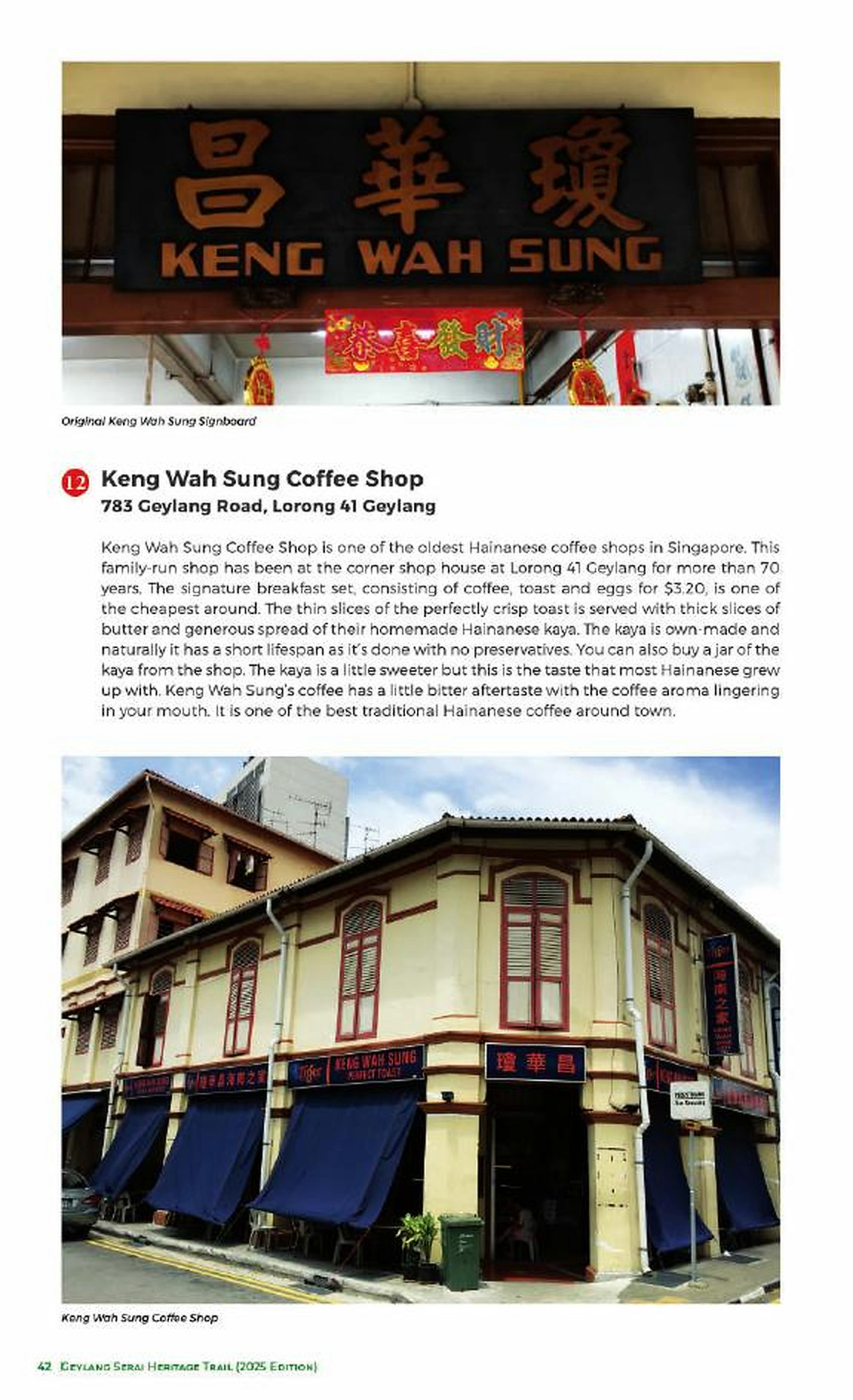
图8.4 Keng Wah Sung Coffee Shop与传统街角商业资料页:小型餐饮、店屋和熟客网络说明道路商业并非只由大型综合体构成。 / Figure 8.4. Figure 8.3. Keng Wah Sung Coffee Shop and corner commerce: small food businesses, shophouses and regular-customer networks show that the road economy was not reducible to large complexes.
图版来源 / Plate source: 李宏斌,《Geylang Serai Heritage Trail 2025 Edition》,2025;经作者授权收入本书,页内原始馆藏与摄影署名保持不变。 / Li Hongbin, Geylang Serai Heritage Trail 2025 Edition (2025), reproduced with the author’s permission; original archival and photographic credits remain on the plate.
本章的主解释是,交通—街道形态促成了多语种商业公共领域。但至少存在三种其他可能的解释:其一,繁荣主要由马来人口集聚与节庆需求推动,交通只是结果;其二,国家安置与公共市场投资才是决定因素;其三,电影院和商业的多语种性只是相邻但分隔的族群市场,并未形成实质交流。
上述解释有明确边界:历史地图、规划图、影院沿革与店屋保育记录足以说明道路、商业与公共文化的空间关系,但不足以量化不同语言观众的混合程度、历年票价或企业收益。本章因而把“多语种公共领域”写成有可见空间基础的解释,而非对社会混合强度的统计结论。
The principal explanation is that transport and street form enabled a multilingual commercial public sphere. At least three competitors remain: prosperity was driven primarily by Malay demographic concentration and festival demand, with transport merely following; state resettlement and public-market investment were decisive; or multilingual cinemas and commerce represented adjacent but segregated ethnic markets rather than substantive exchange.
The claim must face limits of the argument. Criterion (ii) should be set aside if route data do not show regional accessibility preceding commercial expansion; ticketing, schedules or oral histories reveal rigidly separated audiences; no continuity connects conserved shophouses to present community networks; or comparable transport–commerce structures prove ubiquitous in Southeast Asian cities without a distinguishable Geylang configuration. Timetables, fares, company files, daily advertisements, titles and resident mobility histories are required tests.
十、遗产意义:保护关系型基础设施 / Heritage Significance: Protecting Relational Infrastructure
第八章确认的遗产属性不是一条道路、一座影院或一排店屋的简单相加,而是它们构成的关系型基础设施:主路带来跨区域客流,lorong维持细颗粒进入,五脚基支持步行与交易,影院组织多语种公共时间,市场和宗教机构稳定周期性聚集。现存物质属性包括受保护店屋、道路尺度、路口、部分旧商业建筑及空间序列;已消失属性则须通过历史地图、原址标识、数字复原和口述史重新连接。
管理上应建立“可达性—可负担性—连续性”三联指标:公共交通与步行是否仍便于社区使用;小型商户和文化机构能否承担租金;更新后原有路线、视线和活动周期能否辨认。若只保存漂亮立面而失去可进入的公共生活,芽笼士乃将成为建筑标本,而不再是本书所论证的活态海峡城市系统。
The heritage attribute identified here is not the sum of a road, a cinema and a row of shophouses, but their relational infrastructure: arterial roads drew regional passengers; lorongs sustained fine-grained entry; five-foot ways supported walking and exchange; cinemas organised multilingual public time; markets and religious institutions stabilised cyclical gathering. Surviving material attributes include conserved shophouses, road scale, junctions, some former commercial structures and spatial sequences. Lost attributes require reconnection through historical maps, site markers, digital reconstruction and oral history.
Management should adopt a three-part test of accessibility, affordability and continuity: can communities still reach the area by public transport and on foot; can small traders and cultural institutions afford to remain; and do routes, sightlines and activity cycles remain legible after renewal? If attractive façades survive while accessible public life disappears, Geylang Serai becomes an architectural specimen rather than the living Straits-city system argued for in this book.
史料与论证表 / Sources and Arguments
| 历史问题 / Historical issue | 主要资料 / Principal sources | 其他解释 / Other interpretations | 历史判断 / Historical reading |
|---|---|---|---|
| 道路塑造区域中心 / Roads made a regional centre | 1930s–1970 maps; road morphology | Population and state investment | 资料显示道路与区域中心性相互加强,具体线路仍需按年代分别理解 / The evidence shows that roads reinforced regional centrality; particular routes varied over time |
| 影院构成多语种公共领域 / Cinemas formed a multilingual public sphere | Film-language range; cinema sites | Parallel segregated audiences | 影院具有公共文化功能,观众构成因语言、片源与场次而异 / Cinemas served a public cultural function; audiences varied with language, film supply and scheduling |
| 店屋支持细颗粒网络 / Shophouses sustain fine-grained networks | URA conservation morphology | Façade survival without social continuity | 店屋形态支持细密城市网络,其社会连续性因地点而异 / Shophouse form supported fine-grained urban networks; social continuity varies by location |
| 交通改善同时驱动拆迁 / Access also enabled displacement | Road widening and redevelopment sequences | Independent land-policy effect | 道路工程与征地同时改变街区,两者作用须按具体项目区分 / Road works and acquisition changed the district together; their effects differ by project |
史料说明 / Note on Sources
本章的空间叙述以1932—1940年地籍与测绘图、1958 Master Plan、1970年Geylang instrumental plot、URA保育资料及NAS照片PCD0054-025为基础。NHB汇编提供电影院更名与街区沿革;本书只采用能由地图、规划文件或报刊交叉的日期,不对未公开的票价、观众数与企业账目作量化断言。
Three traceable primary record groups have been located: cadastral/survey sheets amended in 1932–40, the 1958 Master Plan, and the 1970 Geylang instrumental plot. The NAS photograph of Changi Road and Taj Cinema dated 7 September 1964 (PCD0054-025) is also located. URA verifies the chronology and typological range of conserved Geylang shophouses. The 2025 Heritage Trail is used as an official/community compilation for leads and images, but its details on cinema dates, corporate transactions and prices are not treated as fully source-verified. Final publication requires building plans, cinema company and title files, article-level advertisements, bus/tram routes and fares, and oral histories of patrons and traders.
注释与参考文献 / Notes and References
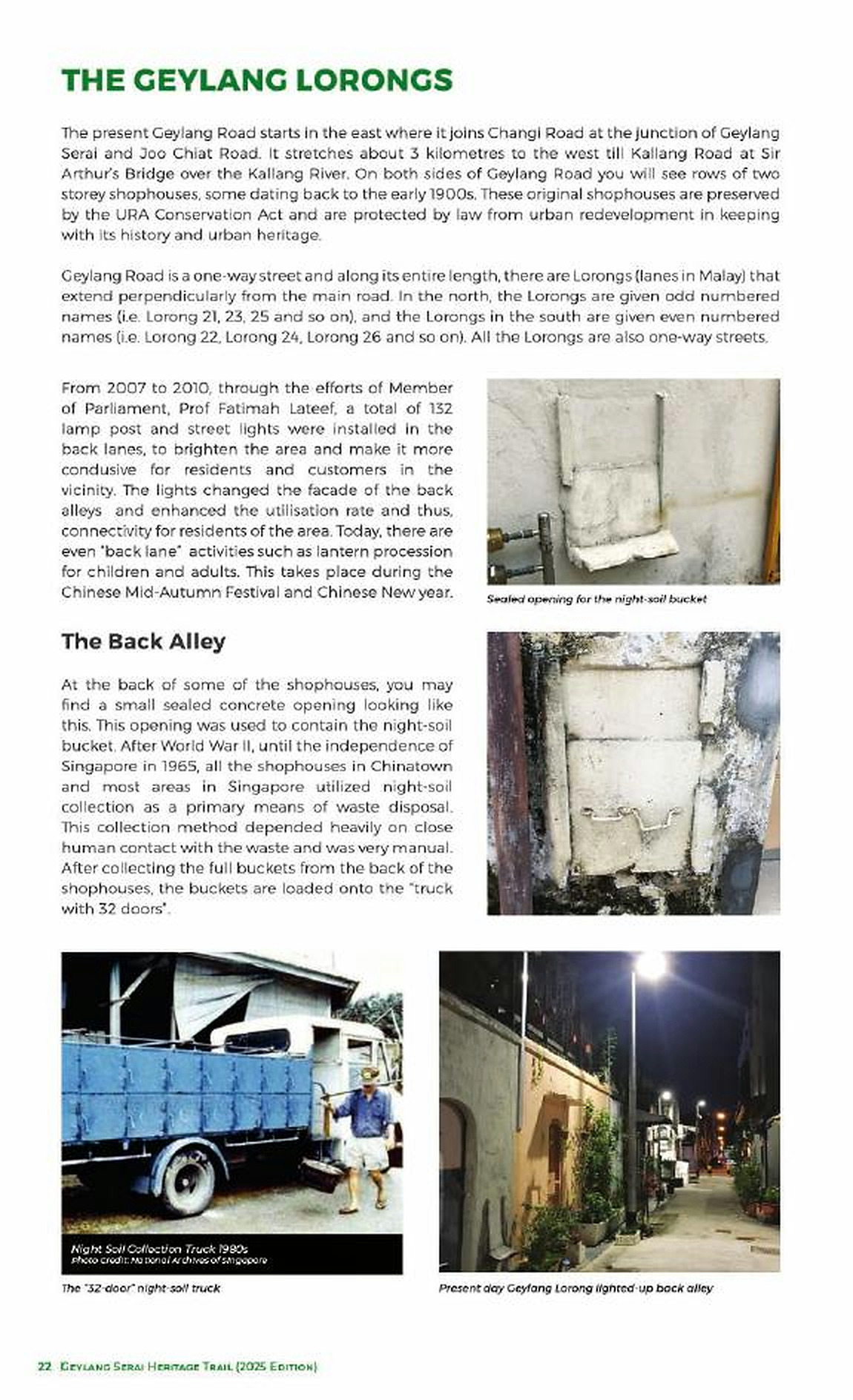
图8.5 Geylang River商业河段史料页:河道、Paya Lebar交通节点与大型商业设施展示基础设施尺度的转换。 / Figure 8.5. Archival guide page on the commercial reach of Geylang River: waterway, Paya Lebar interchange and large commercial facilities show a shift of infrastructural scale.
图版来源 / Plate source: 李宏斌,《Geylang Serai Heritage Trail 2025 Edition》,2025;经作者授权收入本书,页内原始馆藏与摄影署名保持不变。 / Li Hongbin, Geylang Serai Heritage Trail 2025 Edition (2025), reproduced with the author’s permission; original archival and photographic credits remain on the plate.
1. National Archives of Singapore (NAS), ‘Geylang – Singapore. Instrumental Plot’, covering date 1970, map record f9fc0efb-115c-11e3-83d5-0050568939ad.
2. NAS, ‘Singapore: Paya Lebar Mukim, Gelang (Geylang) Mukim and Siglap Mukim’, map originally produced 1933 and amended to 1940, image 20050000973-0026, source C.P.5578 / Sheet 18 / S.D.S.1189_32.
3. NAS, ‘Singapore – Sheet 192-12’, showing Appollo Cinema Hall and cadastral/industrial features, image 20050000701.
4. NAS, ‘1958 Master Plan: Town Map Sheet 2/192’, record f97b230a-115c-11e3-83d5-0050568939ad.
5. NAS, photograph ‘View of Changi Road in Geylang Serai … part of Taj Cinema’, 7 September 1964, image PCD0054-025, negative T2001,12073; reproduction by permission of copyright owner.
6. Urban Redevelopment Authority, ‘Geylang Conservation Area’, Conservation Portal; shophouse styles spanning the 1910s–1950s.
7. Urban Redevelopment Authority, ‘Understanding the Shophouse’ and Conservation Guidelines for Secondary Settlements.
8. National Heritage Board / Roots, ‘Remembering Geylang Serai – Garrick Cinema’.
9. Geylang Serai Integration & Naturalisation Champions et al., Geylang Serai Heritage Trail, 2025 ed., pp. 18–25. Used here as an official/community secondary compilation; individual claims require source-level corroboration.
10. UNESCO, Operational Guidelines for the Implementation of the World Heritage Convention; ICOMOS guidance on authenticity, integrity and historic urban landscapes.
第九章 节庆中的城市
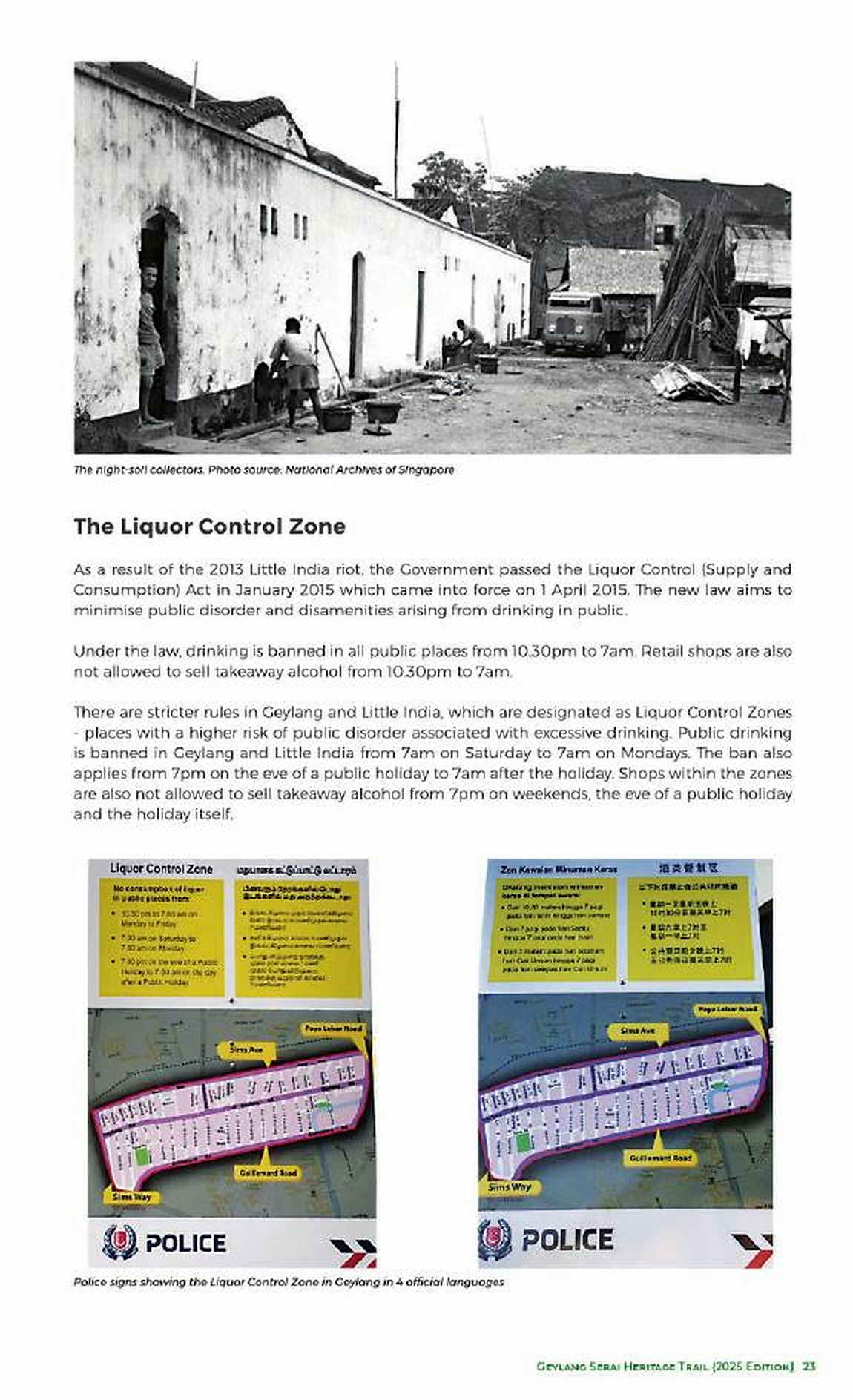
图9.1 芽笼士乃开斋节市集资料页:灯饰、夜间人流、食品与服饰摊位显示宗教时间如何转化为城市公共时间。 / Figure 9.1. Heritage page on the Geylang Serai Hari Raya bazaar: lights, nocturnal crowds, food and clothing stalls translate religious time into urban public time.
图版来源 / Plate source: 李宏斌,《Geylang Serai Heritage Trail 2025 Edition》,2025;经作者授权收入本书,页内原始馆藏与摄影署名保持不变。 / Li Hongbin, Geylang Serai Heritage Trail 2025 Edition (2025), reproduced with the author’s permission; original archival and photographic credits remain on the plate.
斋月市集、开斋节与马来公共文化的制度化
Chapter Nine · The City in Festival
Ramadan Bazaar, Hari Raya and the Institutionalisation of Malay Public
Culture
芽笼士乃斋月市集是一种每年重建的“周期性文化景观”:临时摊位的真实性来自宗教时间、家庭实践、地方技能与公共治理的结构连续,而非物质永久性。 / The bazaar is an annually reconstructed periodic cultural landscape whose authenticity derives from structural continuity of religious time, household practice, local skill and public governance rather than material permanence.
一、问题:节庆如何成为城市制度 / The Question: How a Festival Becomes an Urban Institution
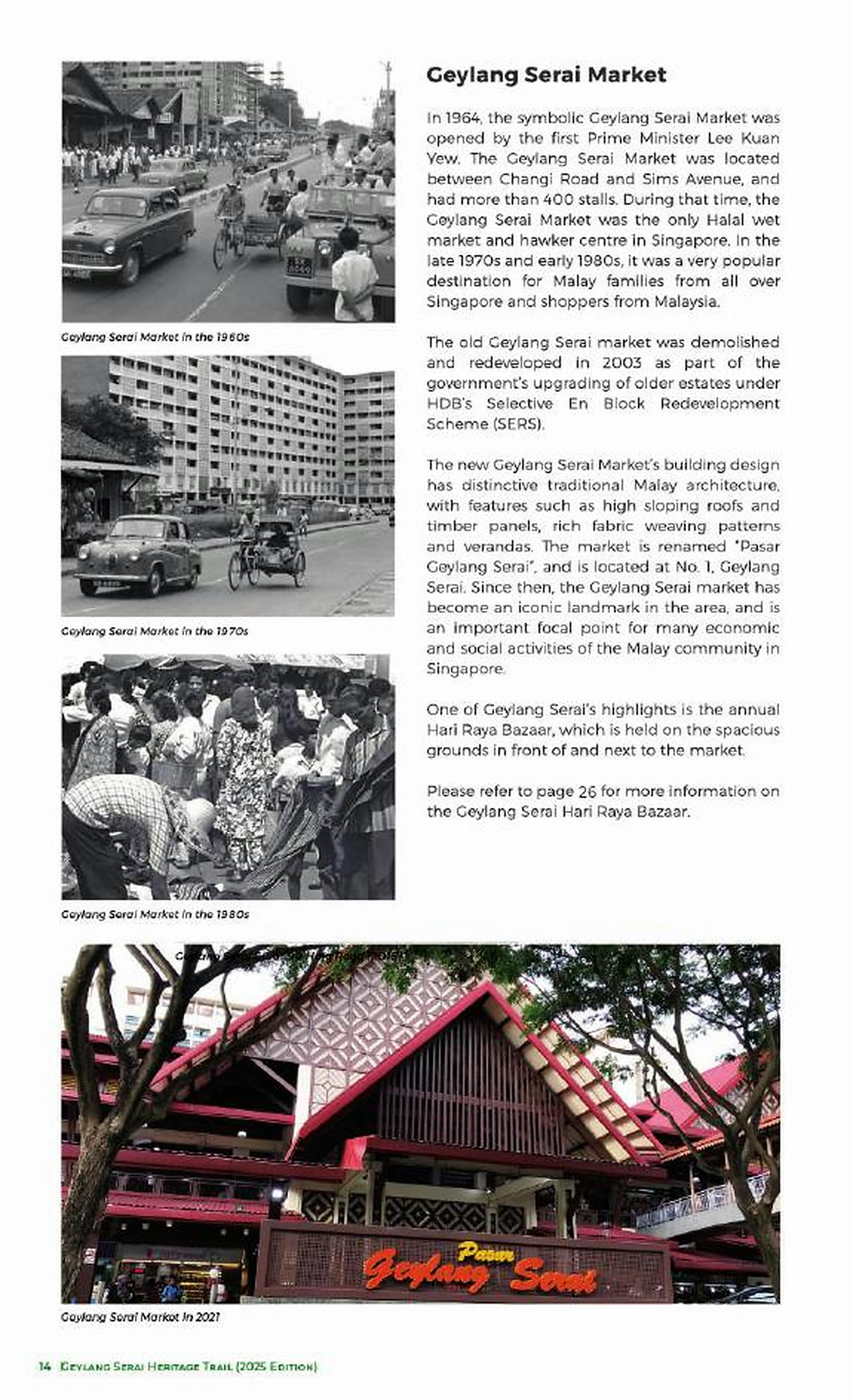
图9.2 芽笼士乃市场资料页:永久市场为年度市集提供商业、交通与象征中心。 / Figure 9.2. Heritage page on Geylang Serai Market: the permanent market supplies the annual bazaar with a commercial, transport and symbolic centre.
图版来源 / Plate source: 李宏斌,《Geylang Serai Heritage Trail 2025 Edition》,2025;经作者授权收入本书,页内原始馆藏与摄影署名保持不变。 / Li Hongbin, Geylang Serai Heritage Trail 2025 Edition (2025), reproduced with the author’s permission; original archival and photographic credits remain on the plate.
芽笼士乃斋月市集经常被描述为热闹景观或旅游吸引物,但这种描述无法解释它为何能够持续、为何必须发生在特定地点,也不能说明它对世界遗产论证有何意义。本章把市集界定为一种“周期性城市制度”:它按照伊斯兰历重组营业时间、家庭消费、交通流量、照明、安全、摊位准入和公共情绪,使短期搭建的摊棚产生超过其物质寿命的社会连续性。
本章认为,芽笼士乃的遗产连续性并不只依靠永久建筑,也依靠每年重建的时间—空间秩序。永久市场、道路、Wisma Geylang Serai和公共交通提供固定骨架;商贩、食品、服饰、探亲准备、开斋时刻和夜间人流则周期性激活它。二者共同构成可验证的活态城市系统。
The Geylang Serai Ramadan bazaar is often presented as spectacle or tourist attraction. That vocabulary does not explain its persistence, locational dependence or relevance to a World Heritage argument. This chapter defines the bazaar as a periodic urban institution. The Islamic calendar reorganises trading hours, household consumption, transport flows, lighting, security, stall access and public mood, allowing temporary structures to produce social continuity beyond their material lifespan.
The original proposition is that continuity in Geylang Serai depends not only on permanent buildings but on an annually reconstructed order of time and space. The market, roads, Wisma Geylang Serai and public transport provide a fixed armature; traders, foods, clothing, preparations for visiting, the moment of iftar and nocturnal crowds reactivate it. Together they form a testable living urban system.
二、从季节性小贩到区域市集 / From Seasonal Peddlers to a Regional Bazaar
NHB的Geylang Serai Heritage Gallery把市集源头追溯到1950年代,当时季节性商贩和流动小贩在开斋节前占据临时摊位。1961年NAS照片已记录居民在芽笼士乃购买节庆鞋履、装饰并在摊位附近燃放烟花,证明节庆消费在独立前已形成可见的街道密度。1985年与1997年的NAS系列照片又留下摊位、购物者和俯瞰人流,显示临时市场从地方需求发展为区域性集聚。
这一连续性不能简化为“市集一直没有变化”。摊位位置、许可制度、商品来源、食品卫生、照明、广告和安保均发生变化;真正连续的是在斋月末期集中完成家庭、礼物、服饰与食物准备的城市功能。遗产研究必须区分形式连续、功能连续和组织连续,而不是以同一名称替代历史证明。
The NHB Geylang Serai Heritage Gallery traces the bazaar to seasonal traders and itinerant peddlers occupying temporary pitches in the 1950s. NAS photographs from 1961 document festive shopping for footwear and decorations, and fireworks near stalls, demonstrating a visible pre-independence street economy. NAS series from 1985 and 1997 record stalls, shoppers and aerial crowd patterns, indicating a shift from local provisioning to regional congregation.
This does not mean the bazaar remained unchanged. Location, licensing, commodity sourcing, food hygiene, lighting, advertising and security all changed. What persisted was the urban function of concentrating household, gift, clothing and food preparation toward the end of Ramadan. Heritage analysis must distinguish continuity of form, function and organisation rather than treating an unchanged name as historical proof.
三、宗教时间如何重写商业时间 / How Religious Time Rewrites Commercial Time
斋戒使白昼克制与日落后的饮食形成强烈节奏,市集由此不同于普通夜市。开斋时间把分散个体同步为公共时间:商户备餐、消费者赶在日落前采购、家庭共同进食,夜间再转入探访与节庆消费。伊斯兰历相对于公历逐年移动,也意味着气候、日照长度、学期和旅游季节不断重新组合。
因此,保护市集不能只划一块场地。它还要保护时间权利:摊贩的准备时段、穆斯林工作人员开斋与礼拜安排、居民休息、交通高峰和紧急通道必须协调。这里的遗产属性是治理不同时间要求的能力,而非永久复制某一年摊位布局。
Fasting creates a strong rhythm between daytime restraint and food after sunset, distinguishing the bazaar from an ordinary night market. Iftar synchronises dispersed individuals into public time: traders prepare food, shoppers acquire provisions before sunset, families break the fast together, and nocturnal visiting and festive consumption follow. Because the Islamic calendar moves through the Gregorian year, weather, daylight, school terms and tourism seasons are continually recombined.
Protecting the bazaar therefore means more than reserving a site. It protects temporal rights: preparation hours, iftar and prayer for Muslim workers, residents’ rest, transport peaks and emergency access must be coordinated. The heritage attribute is the capacity to govern different temporal demands, not the permanent reproduction of one year’s stall plan.
四、食物不是清单,而是供应链与家庭记忆 / Food as Supply Chain and Family Memory
ketupat、lemang、rendang、lontong、kuih等食品同时连接原料、制作技能、家庭分工、区域口味和节庆记忆。Roots的非物质文化遗产资料显示,kueh制作并不封闭于单一族群,知识可通过娘惹、潮州及其他家庭和商业网络流动;芽笼市集中的“马来食物”因此既有明确文化中心,也包含长期借用与再创造。
严谨的学术研究不能用食品名称代替证据。需要追踪米、椰浆、香料、肉类和包装材料来源,区分家庭制作、中央厨房与现场烹调,比较传统产品与融合食品的摊位比例、价格和顾客评价。若供应链完全标准化、技能与地方社区脱离,则表面繁荣可能掩盖文化承载能力下降。
Foods including ketupat, lemang, rendang, lontong and kueh connect ingredients, embodied skills, household labour, regional taste and festive memory. Roots’ intangible-heritage materials show that kueh knowledge is not enclosed within one ethnic group; it has moved through Peranakan, Teochew and other family and commercial networks. ‘Malay food’ at the bazaar therefore has a clear cultural centre while incorporating long histories of borrowing and reinvention.
A journal-standard study cannot substitute a food list for evidence. It must trace rice, coconut milk, spices, meat and packaging; distinguish household production, central kitchens and on-site cooking; and compare traditional and fusion products by stall share, price and consumer reception. If supply chains become fully standardised and skill detaches from local communities, visible prosperity may conceal declining cultural capacity.
五、服饰、礼物与家庭的公共呈现 / Clothing, Gifts and the Public Presentation of Family
开斋节采购不只是消费升级。baju kurung、batik、家居装饰、鞋履和赠礼把家庭关系转译为可见形式;同色服装表现家庭整体,探访顺序确认代际位置,请求宽恕则修复关系。市集因此为私人伦理提供公共物质条件。1961年鞋履与装饰购物照片的重要性,正是在于它们记录了宏大政治叙事之外的家庭准备劳动。
这一领域也存在性别化劳动:采购、缝制、食品准备、儿童照护和摊位经营的负担如何分配,不能由“家庭团聚”四字遮蔽。口述史应同时纳入女性摊主、家庭采购者、裁缝、年轻消费者和外来劳工,检验节庆经济中的收益与劳务是否对称。
Hari Raya purchasing is more than consumption. Baju kurung, batik, household decoration, footwear and gifts translate family relationships into visible form. Coordinated clothing presents the family as a unit; visiting order affirms generations; seeking forgiveness repairs relationships. The bazaar supplies material conditions for private ethics to become public. The significance of 1961 photographs of footwear and decorations lies precisely in their record of household preparation beyond high political narrative.
This field also contains gendered labour. Shopping, sewing, food preparation, childcare and stall work cannot be hidden by the language of family reunion. Oral history must include women traders, household purchasers, tailors, young consumers and migrant workers to test whether returns and burdens in the festive economy are symmetrical.
六、从自发占位到许可治理 / From Informal Pitching to Licensed Governance
早期流动小贩通过接近顾客取得位置,现代大型市集则依靠承办、租赁、食品安全、电力、消防、垃圾处理和保险制度。制度化降低火灾、拥堵与卫生风险,也可能提高摊位成本,使小型家庭经营者被资本更强的商户替代。市集规模本身不能证明遗产活力;摊主进入结构才是关键指标。
警察关于2023—2026年市集的资料显示,巡逻、闭路电视、指挥点、失散人员处理、犯罪预防和紧急响应已成为节庆运作的一部分。因此,安全管理应与摊位费用、申请规则及居民通行安排一并公开,而不是被当作文化活动之外的技术事项。
Early itinerant traders secured space by proximity to customers; the contemporary bazaar depends on contracting, tenancy, food safety, electricity, fire control, waste management and insurance. Institutionalisation reduces fire, crowd and hygiene risks but may raise entry costs and replace small household operators with better-capitalised firms. Scale alone does not prove vitality; the composition and entry pathways of stallholders are critical indicators.
Police accounts of the 2023–26 bazaars show patrols, CCTV, command posts, missing-person response, crime prevention and emergency readiness becoming part of festival operation. Safety is not external to culture but infrastructure that enables a large living heritage event to remain open. Surveillance intensity, rental costs and transparency of approval nevertheless require community accountability.
七、开放性与文化稀释的争论 / Openness and the Debate over Cultural Dilution
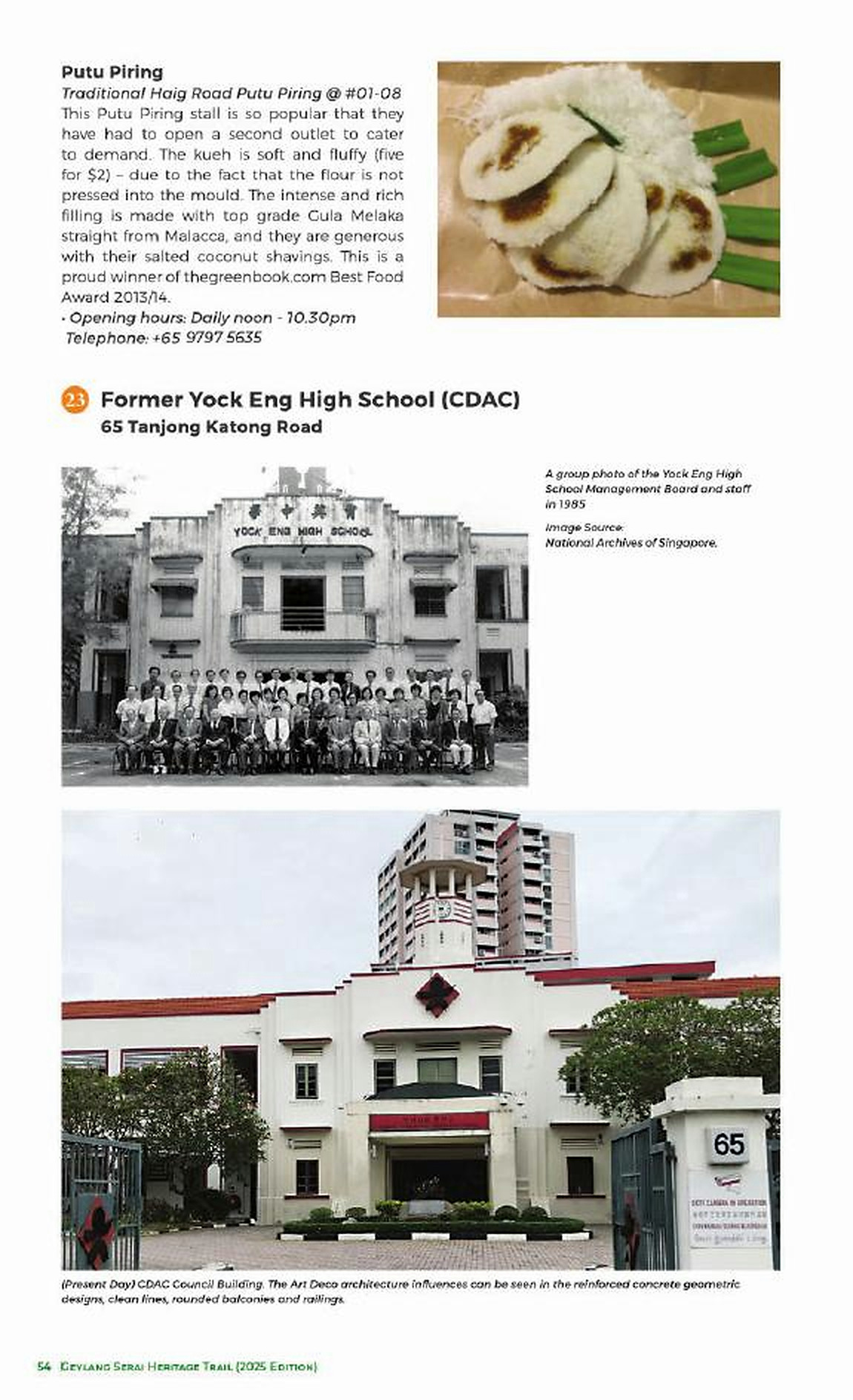
图9.3 Haig Road putu piring传统摊档资料页:节庆食品的连续性通过配方、制作技艺、家庭经营与顾客记忆共同形成。 / Figure 9.3. Heritage page on the Haig Road putu piring stall: festive-food continuity is carried through recipe, embodied skill, family enterprise and customer memory.
图版来源 / Plate source: 李宏斌,《Geylang Serai Heritage Trail 2025 Edition》,2025;经作者授权收入本书,页内原始馆藏与摄影署名保持不变。 / Li Hongbin, Geylang Serai Heritage Trail 2025 Edition (2025), reproduced with the author’s permission; original archival and photographic credits remain on the plate.
非穆斯林参与灯饰与市集,使宗教节庆成为跨族群公共事件,也是芽笼士乃最有力的交流证据之一。然而开放性并不自动等于遗产增强。若商品与斋月、马来文化及本地生产失去关联,市集可能转化为以视觉奇观和网红食品为核心的通用商业节。反过来,把所有创新都斥为“不传统”,也会把活态文化冻结。
合理的判定单位不是单件商品是否古老,而是创新是否仍与节庆伦理、地方技能、社区收益和代际传递保持结构连接。融合食品可以成为交流证据,但必须说明谁创造、知识来自何处、收益如何分配,以及它是否挤压承担核心文化功能的摊位。
Non-Muslim participation in the lights and bazaar turns a religious season into a cross-community public event and supplies strong evidence of exchange. Openness, however, does not automatically strengthen heritage. If goods lose connection to Ramadan, Malay culture and local production, the bazaar may become a generic commercial festival driven by spectacle and viral food. Conversely, condemning all innovation as inauthentic freezes living culture.
The proper unit of assessment is not whether an item is old, but whether innovation remains structurally connected to festive ethics, local skill, community benefit and intergenerational transmission. Fusion food may evidence exchange, but research must identify its creators, knowledge sources, distribution of returns and whether it displaces stalls carrying core cultural functions.
八、疫情中断提供的反事实证据 / Pandemic Interruption as Counterfactual Evidence
疫情期间清真寺关闭、家庭聚会受限和公共市集受扰,形成难得的反事实:当固定场所与集体活动消失时,哪些实践能够在家庭、线上交易和小规模配送中继续,哪些必须依赖共同在场?Roots的摄影项目记录个人与家庭如何应对封闭,为区分仪式核心与商业附加提供材料。
如果开斋节家庭伦理和食品实践在市集停办时仍强韧,说明市集并非传统存续的唯一载体;如果小贩知识、社交偶遇和跨族群参与显著消失,则证明公共场地具有不可替代价值。遗产提名应以这种中断证据校准主张,而不是把每个年度活动都描述为无缝连续。
Mosque closures, limits on family gathering and disruption of public bazaars during the pandemic create a rare counterfactual: when fixed venues and collective events disappear, which practices continue through households, online trade and small-scale delivery, and which require co-presence? A Roots photographic project documents how individuals and families coped with closure, helping distinguish ritual cores from commercial additions.
If family ethics and festive food practices remained resilient without the bazaar, the market is not their sole carrier. If hawker knowledge, social encounter and cross-community participation diminished sharply, public space has irreplaceable value. A nomination should calibrate continuity claims against such interruption rather than depicting every annual event as seamless.
九、其他解释与遗产意义 / Alternative Interpretations and Heritage Significance
上述解释面临三种其他可能的解释:市集只是永久市场在旺季的商业外溢;其全国影响主要来自政府品牌与旅游推广;其跨族群参与是消费共处而非文化交流。若1950—1990年代报刊、许可证和口述史不能证明稳定的周期性组织;若摊主与本地社区、技能传承和节庆需求的关系持续减弱;若多数收益外流而社区承担拥堵和租金上涨;或若东南亚同类市集比较显示芽笼士乃没有可辨识机制,则标准(ii)与(iii)均应暂不采用。
目前最稳健的申遗结论是:斋月市集构成“周期性文化景观”,其价值来自宗教时间、家庭伦理、区域供应链、多族群参与及公共治理的年度重组。保护对象应包括市场—道路—Wisma—交通的空间骨架,摊贩准入与技能传递,开斋与礼拜的时间权利,以及居民可承受的噪声、清洁和通行条件。真实性不等于禁止变化,而是变化仍能被社区识别、传递和共同治理。
Three alternative interpretations confront the thesis: the bazaar is merely seasonal spillover from the permanent market; its national reach is chiefly a product of state branding and tourism; or cross-community participation represents co-consumption without cultural exchange. Criteria (ii) and (iii) should be set aside if newspapers, licences and oral histories from the 1950s–90s fail to demonstrate stable periodic organisation; ties among traders, local community, skill transmission and festive need continue to weaken; returns flow outward while residents absorb congestion and rent increases; or comparison shows no distinguishable mechanism relative to other Southeast Asian bazaars.
The most defensible finding is that the Ramadan bazaar forms a periodic cultural landscape whose value lies in the annual reassembly of religious time, family ethics, regional supply chains, cross-community participation and public governance. Protection should cover the market–road–Wisma–transport armature, trader access and skill transmission, temporal rights of iftar and prayer, and tolerable conditions of noise, cleanliness and passage for residents. Authenticity does not prohibit change; it requires change to remain recognisable, transmissible and jointly governable by the community.
史料与论证表 / Sources and Arguments
| 论题 / Question | 主要资料 / Principal sources | 资料边界 / Evidentiary limit | 历史判断 / Historical reading |
|---|---|---|---|
| 1950年代形成周期市集 / Periodic bazaar formed in the 1950s | 1961 NAS festive-shopping photographs | 现有公开记录不支持一个单一、精确的起始日期 / No single exact inception date is claimed | 周期性市集至迟在1950年代已经形成,现存资料没有给出唯一的创始日期 / Periodic trading was established by the 1950s; surviving records do not provide a single founding date |
| 区域性公共集聚 / Regional congregation | 1985/1997 NAS crowd series | 影像显示规模,不代表精确的访客来源或销售数列 / Images show scale, not exact origin or sales series | 影像说明公共集聚的规模,不宜据此推断精确客流来源 / Images establish the scale of gathering, not the exact origin of visitors |
| 多族群文化交流 / Cross-community exchange | Roots ICH account; non-Muslim participation | 参与跨越社群,不据此量化交流强度 / Cross-community participation is not converted into an invented intensity measure | 跨社群参与可以确认,其社会深度不作虚构量化 / Cross-community participation is documented without inventing a measure of social depth |
| 周期性文化景观 / Periodic cultural landscape | Repeated site-time-practice assembly | “周期性景观”是对反复组合地点、时间与实践的解释 / “Periodic landscape” interprets the repeated assembly of site, time and practice | 反复出现的地点、时间与实践共同形成周期性文化景观 / The recurring assembly of place, time and practice forms a periodic cultural landscape |
史料说明 / Note on Sources
Three NAS photographic groups from 1961, 1985 and 1997 verify commodities, crowd density and spatial form. Roots confirms the 1950s seasonal-trader lead and national ICH recognition of Hari Raya practice; police records verify contemporary safety governance. Outstanding primary evidence includes annual stall licences from the 1950s–70s, contracts and rents, article-level multilingual press, trader rosters, sales and supply-chain data, and intergenerational oral histories. Explicit limits of the argument prevent present scale from being projected backward as uninterrupted continuity.
注释与参考文献 / Notes and References
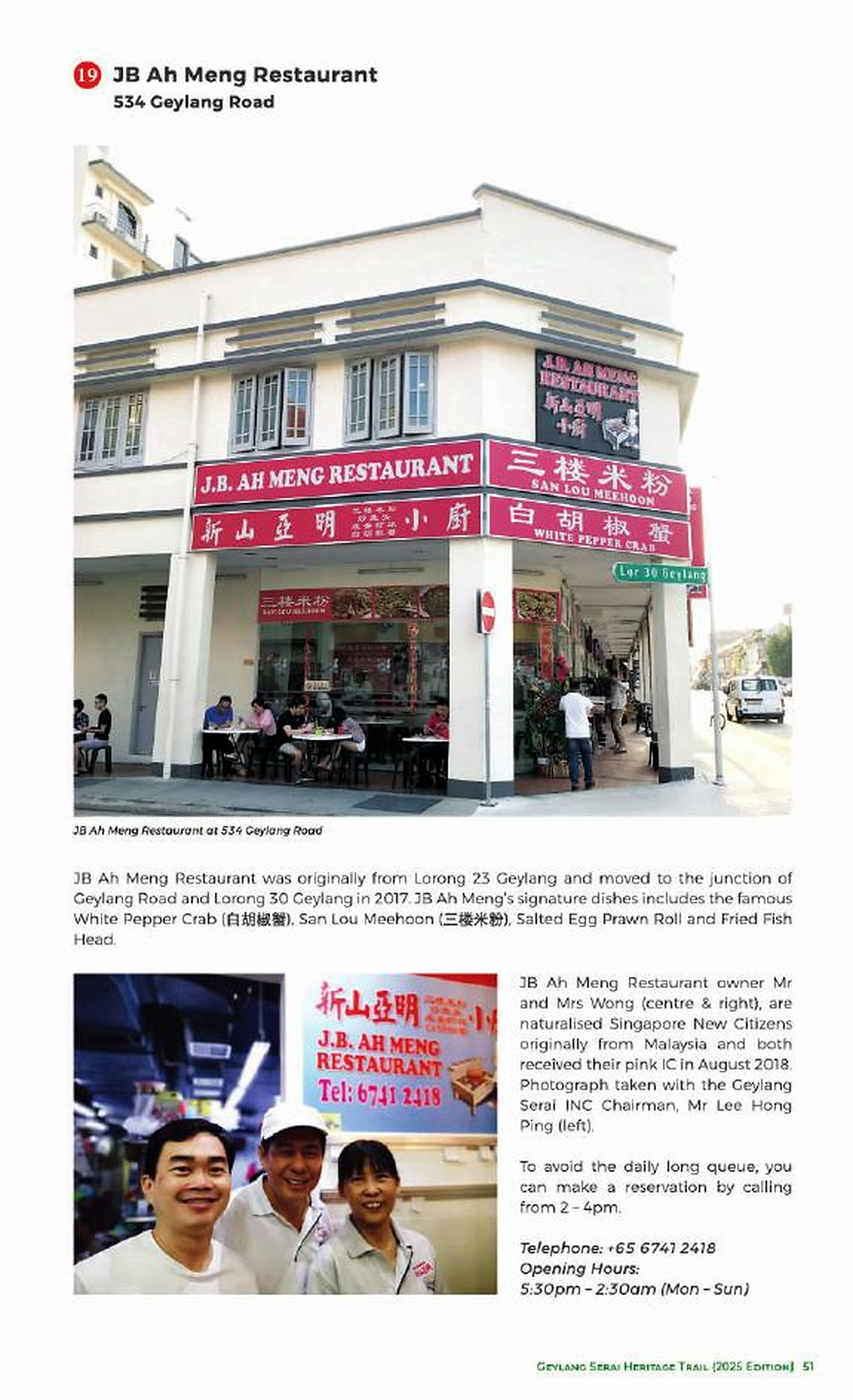
图9.4 Geylang Road餐饮场所资料页:节庆消费与全年餐饮网络相互支撑,也显示传统、创新和商业化之间的张力。 / Figure 9.4. Heritage page on a Geylang Road food venue: festive consumption is supported by year-round food networks and exposes tensions among tradition, innovation and commercialisation.
图版来源 / Plate source: 李宏斌,《Geylang Serai Heritage Trail 2025 Edition》,2025;经作者授权收入本书,页内原始馆藏与摄影署名保持不变。 / Li Hongbin, Geylang Serai Heritage Trail 2025 Edition (2025), reproduced with the author’s permission; original archival and photographic credits remain on the plate.
1. National Heritage Board, ‘Geylang Serai Heritage Gallery’, Roots: the bazaar began with seasonal traders and itinerant peddlers in the 1950s.
2. National Heritage Board, ‘Hari Raya Puasa’, Intangible Cultural Heritage Inventory, ICH-022 (included April 2018; updated March 2019).
3. National Heritage Board, ‘Geylang Serai Market & Food Centre’, Roots.
4. NAS, ‘Playing with fireworks at a stall in Geylang Serai where Hari Raya shoppers do their festive shopping’, 16 March 1961, PCD0090 series.
5. NAS, ‘Shopping for Hari Raya Puasa at a footwear stall in Geylang Serai’, 16 March 1961, PCD0090-027, negative T2001,22723.
6. NAS, ‘Geylang Serai, Hari Raya Bazaar’, 1985, images 19980005049-0067 and -0068.
7. NAS, ‘Hari Raya Bazaar at Geylang Serai’, 1997, images 19980005859-0091, -0099 and -0100.
8. Singapore Police Force, operational accounts of Bazaar Raya Geylang Serai, 2023–2026.
9. People’s Association, Wisma Geylang Serai, institutional account and annual programme remit.
10. Geylang Serai Heritage Trail, 2025 ed., pp. 17, 26, 54 and 57; used as an official/community secondary compilation, with reproduction subject to credited rights.
11. UNESCO, Convention for the Safeguarding of the Intangible Cultural Heritage (2003); UNESCO World Heritage Operational Guidelines; UNESCO Recommendation on the Historic Urban Landscape (2011).
第十章 被展示的马来性
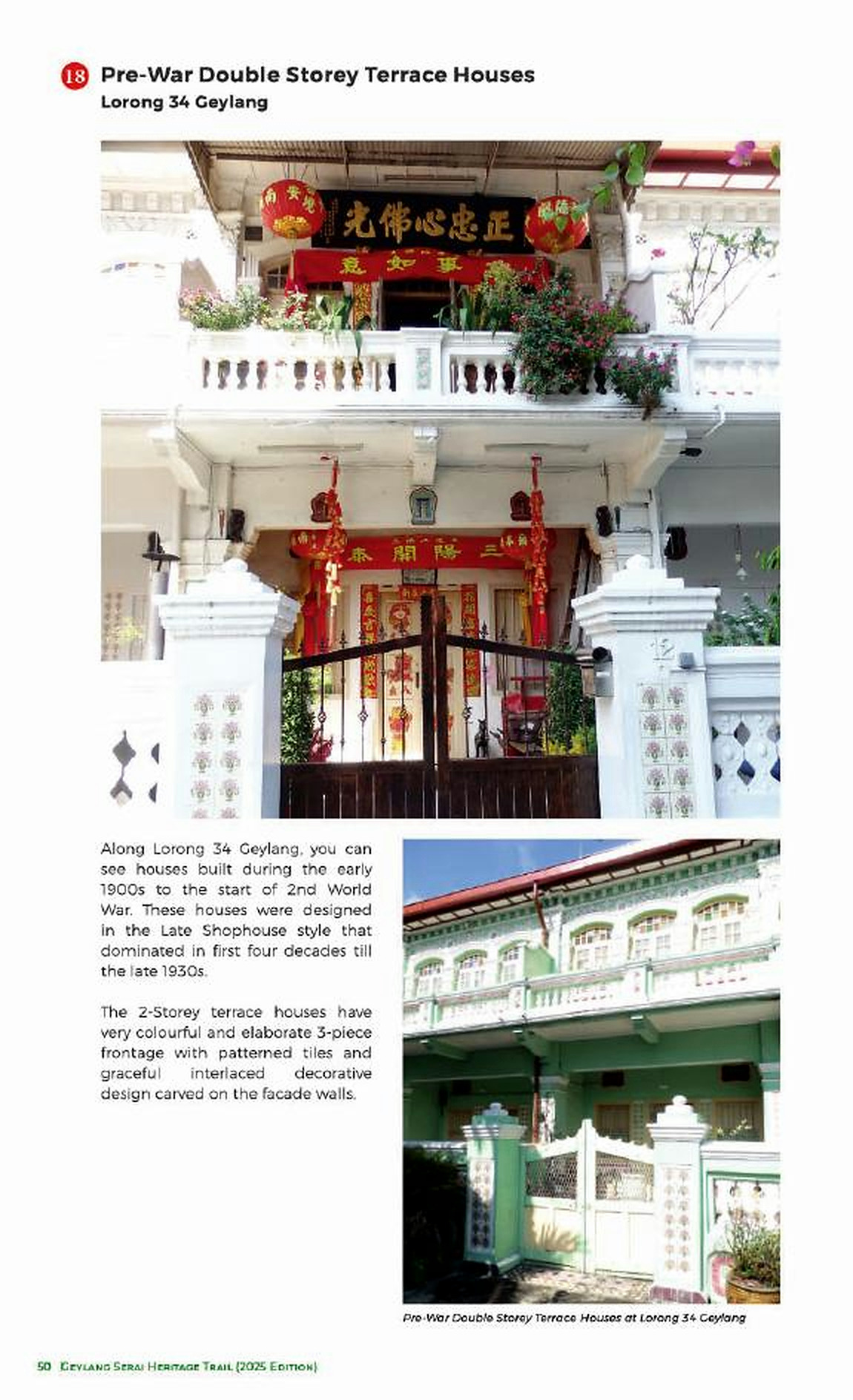
图10.1 Lorong 34战前双层排屋资料页:真实城市遗产由长期使用、混合建筑语汇与街区关系构成,不能被单一“甘榜风格”取代。 / Figure 10.1. Pre-war two-storey terraces at Lorong 34: lived urban heritage consists of use, hybrid architectural language and neighbourhood relations, not a single kampung style.
图版来源 / Plate source: 李宏斌,《Geylang Serai Heritage Trail 2025 Edition》,2025;经作者授权收入本书,页内原始馆藏与摄影署名保持不变。 / Li Hongbin, Geylang Serai Heritage Trail 2025 Edition (2025), reproduced with the author’s permission; original archival and photographic credits remain on the plate.
Malay Village、Wisma Geylang Serai与遗产治理
Chapter Ten · Malayness on Display
The Malay Village, Wisma Geylang Serai and Heritage Governance
文化展示的可见度与文化承载能力并不相同;Malay Village到Wisma的转换揭示了从复制景观到“制度真实性”的遗产治理转型。 / Cultural visibility and cultural carrying capacity are not identical; the transition from Malay Village to Wisma reveals a shift from reconstructed spectacle toward institutional authenticity.
一、从生活世界到展示制度 / From Lifeworld to Regime of Display
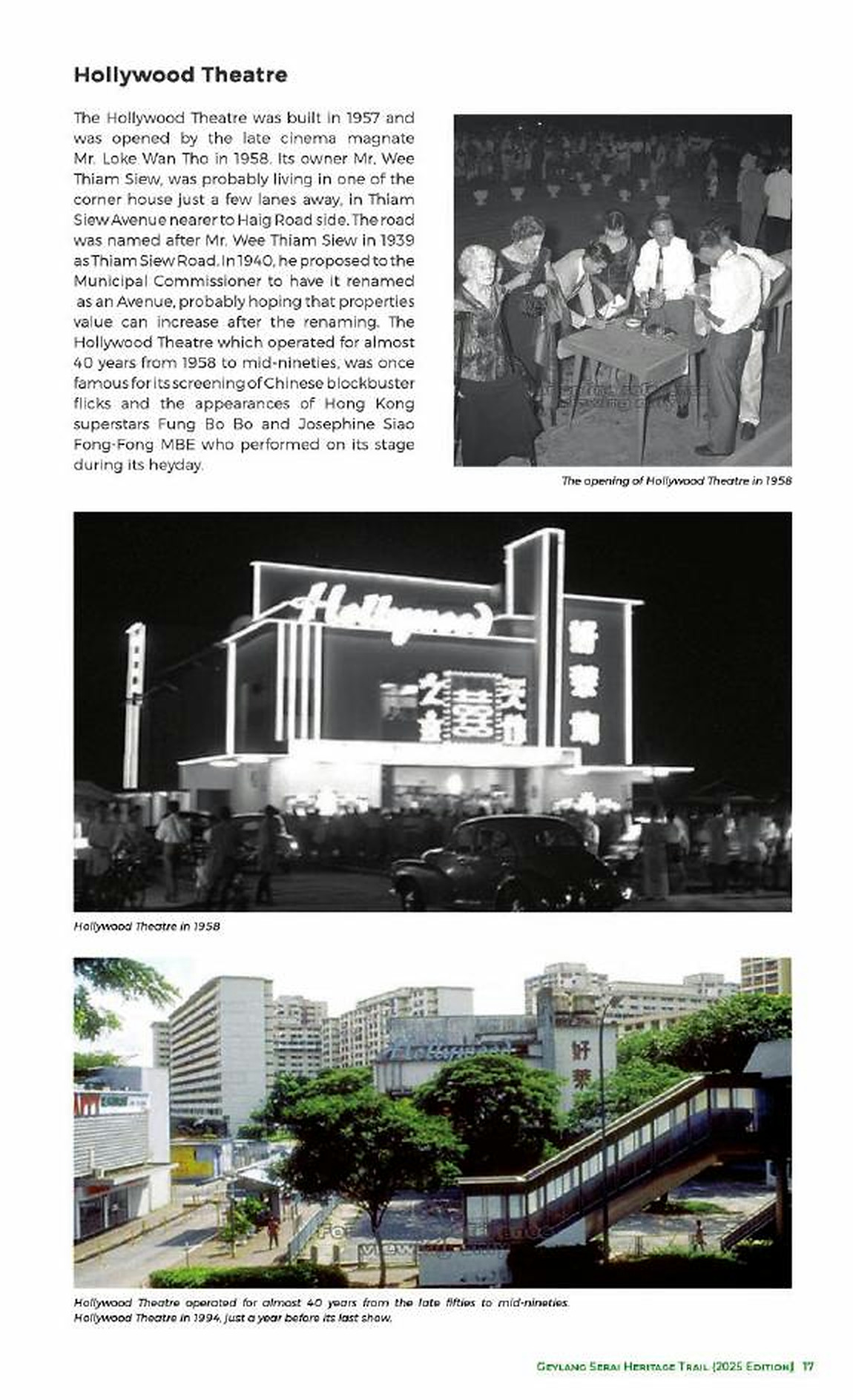
图10.2 1970年代总体开发及Malay Village资料页:现代住宅、商业综合体与文化园区源于同一国家空间重组。 / Figure 10.2. Heritage page on 1970s development and the Malay Village: housing, retail complexes and cultural enclosure arose from one state-led spatial restructuring.
图版来源 / Plate source: 李宏斌,《Geylang Serai Heritage Trail 2025 Edition》,2025;经作者授权收入本书,页内原始馆藏与摄影署名保持不变。 / Li Hongbin, Geylang Serai Heritage Trail 2025 Edition (2025), reproduced with the author’s permission; original archival and photographic credits remain on the plate.
当甘榜、市场、宗教教育和节庆实践被命名为“马来遗产”时,文化并不是被动地进入展柜。选择什么建筑、何种年代、谁的生活方式以及向谁解释,都在重新定义马来性。本章把Malay Village与Wisma Geylang Serai视为两代不同的遗产治理实验:前者试图以复制村落、商业娱乐和旅游消费把过去集中展示;后者把展览、社区服务、行政机构、餐饮与活动空间整合进一座持续使用的公共建筑。
本章提出“展示—承载分离”命题:文化展示越成功,不等于文化承载能力越强。若展示对象与居民、生产技能、组织权利和日常使用脱离,文化可能高度可见却失去再生产条件。反之,一座新建筑即使没有原真年代,也可能通过持续承载社区功能获得制度连续性。
When kampungs, markets, religious learning and festive practices are named ‘Malay heritage’, culture does not pass neutrally into a display case. Choices of building, period, way of life, narrator and audience redefine Malayness. This chapter reads the Malay Village and Wisma Geylang Serai as two generations of heritage governance: the former concentrated the past through a replicated village, commercial entertainment and tourism; the latter integrates exhibition, community service, administration, food and event space within a continuously used civic building.
The chapter advances a display–carrying distinction. Successful display does not necessarily strengthen the capacity to carry culture forward. Where representation detaches from residents, productive skills, organisational rights and daily use, culture may become highly visible while losing its conditions of reproduction. Conversely, a new building without age-value may acquire institutional continuity by sustaining community functions.
二、1984年的转折:为何需要一座Malay Village / The 1984 Turn: Why Build a Malay Village?
官方材料把1984年视为政策转折:在芽笼士乃现代化、公共住宅和商业综合体建设过程中,政府提出保留马来文化遗产,并划地建设Malay Village。其逻辑具有双重性。一方面,快速城市更新使甘榜生活的物质环境迅速消失,集中展示回应了真实的记忆损失;另一方面,把文化放入特定园区,也可能把日常街区中分散的马来生活转化为可管理的“文化飞地”。
这不是简单的真假之争。复制建筑可以教育没有经历甘榜的一代,也可为表演、手工艺与商户提供空间;但它若用一种理想化的“传统村落”替代洪水、卫生、贫困、邻里互助、迁拆与多族群邻接等复杂历史,便把社会史压缩成建筑风格。申遗研究必须追问:园区保存的是对象、关系,还是被选择过的视觉符号。
Official accounts mark 1984 as a policy turn. Amid modernisation, public housing and commercial development, the state proposed safeguarding Malay cultural heritage through a designated Malay Village. The logic was double-sided. Rapid redevelopment had removed much of the material environment of kampung life, and concentrated display addressed genuine mnemonic loss. Yet placing culture inside a bounded site could convert dispersed Malay life into a governable cultural enclave.
This is not simply a contest between authentic and fake. Reconstructed buildings may educate generations without kampung experience and provide space for performance, crafts and traders. But if an idealised village replaces histories of flooding, sanitation, poverty, mutual aid, clearance and multi-community adjacency, social history is compressed into architectural style. Nomination research must ask whether the project preserved objects, relations, or selected visual signs.
三、1990年开幕:国家、市场与文化授权 / The 1990 Opening: State, Market and Cultural Authorisation
NAS保存1990年2月25日Malay Village开幕及同年3月场景照片,也保存李光耀到访记录。这些影像说明,园区从一开始就不仅是商业项目,而具有国家认可、族群表述与公共仪式功能。1993年旅游资料列出古董、家具、服饰、纺织品、传统食品和马来按摩等业态,文化被转换为可购买的商品组合。
然而“国家认可”不等于“社区授权”。Malay Village的项目公司、土地租约与策展结构,使文化展示与日常生活之间存在明显的制度距离。本章因而不把园区宣传当作社区代表性的证明,而是以商户使用、社区组织介入和居民能否改变展示内容作为判断标准。
NAS preserves photographs of the Malay Village opening on 25 February 1990, scenes from March, and Lee Kuan Yew’s visit. They show that the Village was never merely commercial; it carried state recognition, ethnic representation and public ceremony. Tourism materials in 1993 listed antiques, furniture, clothing, textiles, traditional food and Malay massage, translating culture into a purchasable portfolio.
State recognition, however, is not community authorisation. Project ownership, lease, curatorial advisers, tenant composition, participation by community organisations and visitor origins require verification. If government and operator controlled narrative while residents appeared only as display subjects, representativeness was limited. If communities could decide content, trade and use the site, it could function as infrastructure for cultural agency.
四、1996年“新形象”:一份罕见的自我批判档案 / The 1996 ‘New Image’: A Rare Archive of Self-Critique
1996年Abdullah Tarmugi在Malay Village第二期重开讲话中直接承认,项目自启动以来面对问题,甚至似乎会成为“white elephant”;讲话把核心矛盾界定为真实性与商业可行性的平衡,并提及海鲜餐厅、博物馆、Kampong Days展览和声光剧等新增吸引物。这个官方文本价值很高,因为它没有事后掩盖失败,而是把文化项目的治理困境写入公共记录。
其“文化电池”比喻同时揭示当时政策框架:Chinatown、Little India与Malay Village被想象为族群可恢复文化联系、游客可观看传统的飞地。但文化不是耗尽后到园区充电的固定身份;它在教育、婚姻、语言、商业和跨族群关系中持续生成。园区若不能嵌入这些网络,再多景点也可能只是提高短期客流。
In a 1996 speech reopening Phase II, Abdullah Tarmugi acknowledged that the project had faced problems from its inception and seemed destined to become a ‘white elephant’. He framed the central problem as balancing authenticity and commercial viability, and listed additions including a floating seafood restaurant, museum, Kampong Days exhibition and sound-and-laser theatre. The text is valuable because it records governance failure rather than concealing it retrospectively.
Its metaphor of ‘cultural batteries’ also exposes the policy frame: Chinatown, Little India and the Malay Village were imagined as enclaves where communities renewed cultural connection and tourists glimpsed tradition. Culture, however, is not a fixed identity recharged in a park; it is continually made through education, marriage, language, commerce and inter-community relations. Attractions may raise short-term footfall without embedding the Village in those networks.
五、失败不是文化无价值,而是载体错配 / Failure as Mismatch of Carrier, Not Absence of Value
Malay Village长期经营乏力、展示维护不足,2011年关闭并拆除。最浅层的解释是游客不够或管理不善;更重要的结构解释是载体错配:本来分布于市场、家庭、街道、宗教机构和节庆时间中的文化,被压缩进依赖门票、租金和持续新奇感的旅游园区。游客消费逻辑要求不断更新景点,而社区文化依赖重复、熟悉和低成本使用,两种时间机制发生冲突。
这一失败不能被用来证明“复制遗产必然虚假”,也不能被新项目成功叙事抹去。它提供了反事实证据:具有国家支持、中心地段与文化正当性的项目仍可能失去生命力,说明文化价值不能自动转化为商业现金流。学术解释应比较租金、客流、商户更替、活动频率、维护费用与社区参与,而非停留于褒贬。
The Malay Village struggled commercially, suffered weak maintenance of displays, closed in 2011 and was demolished. A shallow explanation cites insufficient tourists or poor management. A stronger structural explanation is carrier mismatch: culture distributed across market, household, street, religious institution and festive time was compressed into a tourism park dependent on admission, rents and perpetual novelty. Tourist consumption demands new attractions, whereas community culture often depends on repetition, familiarity and low-cost use; their temporal mechanisms conflicted.
The failure neither proves that reconstructed heritage is inherently false nor should it disappear beneath a success narrative for its successor. It is counterfactual evidence that state support, a central location and cultural legitimacy do not automatically produce vitality or cash flow. A journal-level account must compare rents, footfall, tenant turnover, programming, maintenance cost and community participation rather than praise or blame.
六、从Malay Village到Wisma:空间范式转换 / From Malay Village to Wisma: A Shift in Spatial Paradigm
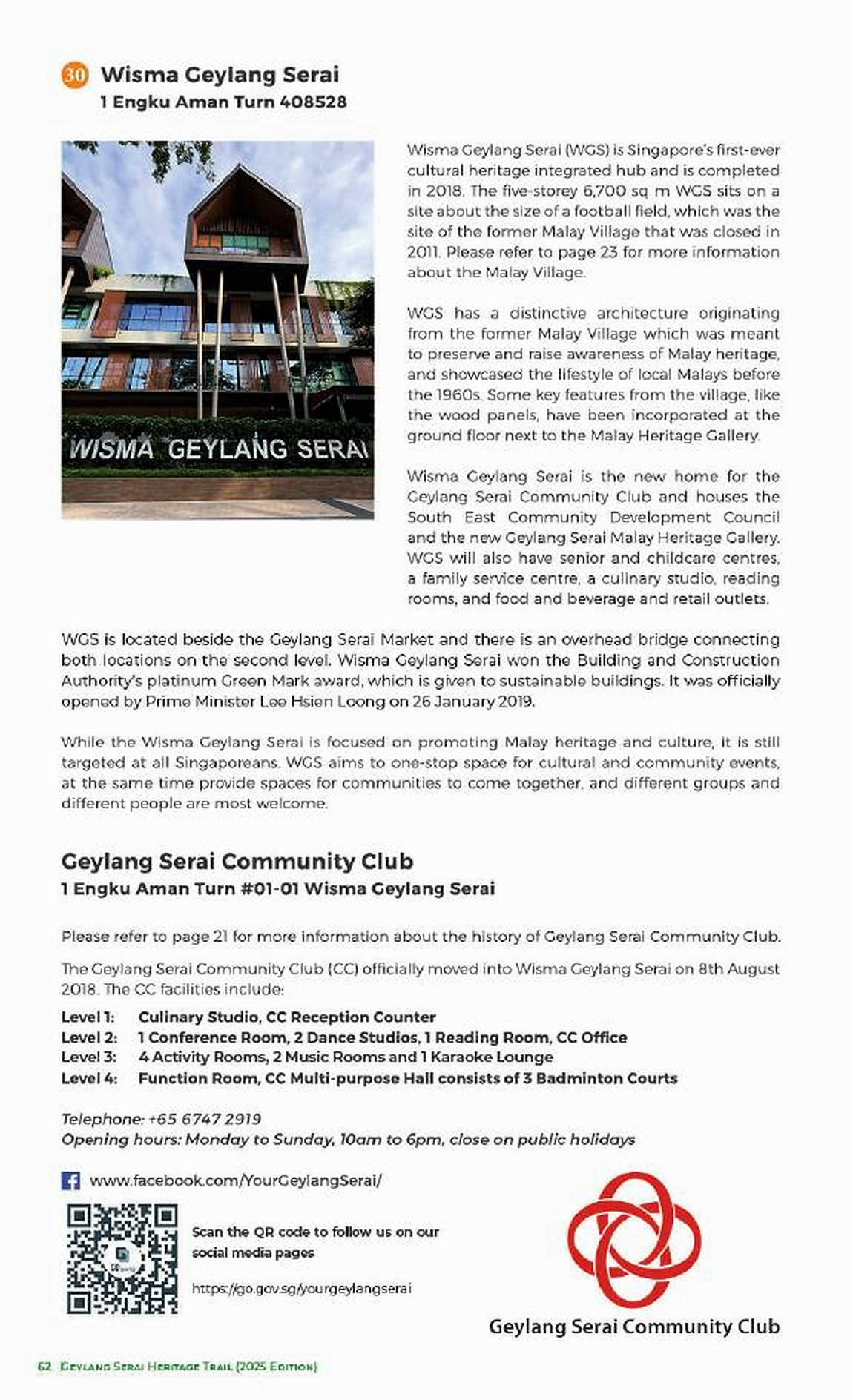
图10.3 Wisma Geylang Serai资料页:社区服务、文化展示、行政机构和市场连桥构成“承载型遗产”的空间组合。 / Figure 10.3. Wisma Geylang Serai: community service, heritage display, administration and a market bridge form an infrastructure for carrying culture.
图版来源 / Plate source: 李宏斌,《Geylang Serai Heritage Trail 2025 Edition》,2025;经作者授权收入本书,页内原始馆藏与摄影署名保持不变。 / Li Hongbin, Geylang Serai Heritage Trail 2025 Edition (2025), reproduced with the author’s permission; original archival and photographic credits remain on the plate.
2018年完成的Wisma Geylang Serai建于Malay Village旧址,约6700平方米,集合社区俱乐部、South East Community Development Council、Malay Heritage Gallery、老人和儿童服务、家庭服务、烹饪室、活动室、餐饮及零售,并以二层连桥接通市场。其关键变化不是外观更现代,而是由“观看一座村落”转向“使用一个机构”。
Wisma仍以建筑符号延续前园区记忆,包括坡屋顶语汇、木构意象和保留性构件;但它的真实性主要不来自复制旧屋,而来自活动、服务、组织与市场之间的功能联系。这里出现一种“制度真实性”:建筑是新的,社区使用权、文化解释与公共服务的组合却可能比复制景观更接近活态遗产。
Completed in 2018 on the former Malay Village site, the approximately 6,700-square-metre Wisma Geylang Serai brings together the community club, South East Community Development Council, Malay Heritage Gallery, senior and childcare services, family services, culinary and activity rooms, food and retail, and a second-level bridge to the market. The decisive change is not stylistic modernity but a shift from watching a village to using an institution.
Wisma retains memories of the former complex through pitched-roof language, timber references and selected components. Its authenticity, however, lies less in replicating old houses than in functional connections among programmes, services, organisations and the market. This suggests ‘institutional authenticity’: a new building may sustain living heritage more effectively than a reconstructed landscape when community use, interpretation and public service are structurally combined.
七、Heritage Gallery:谁有权讲述芽笼士乃 / The Heritage Gallery: Who Has the Right to Narrate Geylang Serai?
Wisma底层的Geylang Serai Heritage Gallery由Malay Heritage Centre策展,并获Malay Heritage Foundation支持,利用档案、历史物件及居民记忆叙述地区历史。资料来自包括Kampong Ubi Community Centre Malay Museum在内的收藏网络,这使展览本身成为机构迁移与记忆重组的结果。
展览的学术标准应由四项权利检验:被记录者能否纠正叙述;不同世代、性别、阶层和族群是否获得发言位置;借展物件的来源与权属是否透明;展陈更新是否保留版本和争议。若画廊只给出单一和谐叙事,它会削弱芽笼复杂性;若能显示迁拆、冲突、失败与重建,它便成为公共历史的证据治理机构。
The Geylang Serai Heritage Gallery on Wisma’s ground floor was curated by the Malay Heritage Centre with support from the Malay Heritage Foundation, using archives, historical objects and resident memories. Collections include material associated with the Kampong Ubi Community Centre Malay Museum, making the exhibition itself an outcome of institutional migration and mnemonic reassembly.
Its scholarly standard should be tested through four rights: can represented people correct the account; do generations, genders, classes and communities receive narrative standing; are provenance and ownership transparent; and do updates retain versions and disagreement? A single harmony narrative would diminish Geylang’s complexity. A gallery that makes clearance, conflict, failure and rebuilding visible can become an institution of evidence governance and public history.
八、其他解释与遗产意义 / Alternative Interpretations and Heritage Significance
本章认为,Wisma较Malay Village实现了从表演性遗产向承载性遗产的转型,但必须面对其他可能的解释:Wisma可能只是把失败园区替换为行政综合体;社区服务与遗产展示可能共址而不互动;“马来建筑”符号可能仍是国家品牌化;Malay Village的失败也可能主要由经营团队而非空间模式造成。
若使用数据表明社区服务与文化项目彼此分离,居民没有实质策展权,传统商户因重建和租金被排除,或Wisma的活动主要服务短期官方项目,则“制度真实性”命题应暂不采用。现阶段最稳健的遗产意义是:Malay Village旧址—Wisma—市场构成一条可解释的遗产治理序列,其突出价值不在复制甘榜,而在公开展示现代国家如何试错、失败并重建少数族群文化的公共承载制度。保护应包括旧址记忆、失败档案、社区使用权、策展参与权及与市场和节庆的空间联系。
The chapter argues that Wisma shifted from performative to carrying heritage, but alternative interpretations remain: it may simply replace a failed park with an administrative complex; community services and heritage display may be co-located without interaction; Malay architectural signs may still function as state branding; or the Malay Village may have failed because of its operator rather than spatial model.
The institutional-authenticity claim should be set aside if use data show cultural programmes separated from social services, residents lack curatorial authority, traditional traders were excluded by redevelopment and rent, or programming is chiefly short-term and official. The most defensible finding is that the Malay Village site, Wisma and market form an interpretable sequence of heritage governance. Its significance lies not in reconstructing a kampung, but in making visible how a modern state experimented, failed and rebuilt the public institutions carrying minority culture. Protection should include site memory, archives of failure, community rights of use and narration, and spatial links to market and festival.
两代遗产制度比较 / Comparison of Two Heritage Regimes
| 维度 / Dimension | Malay Village | Wisma Geylang Serai | 申遗含义 / Implication |
|---|---|---|---|
| 空间逻辑 / Spatial logic | 复制村落、边界园区 / Reconstructed enclave | 综合公共枢纽 / Integrated civic hub | 从观看转向使用 / From viewing to use |
| 主要机制 / Main mechanism | 旅游、租赁、景点 / Tourism, rent, attractions | 服务、组织、展览 / Services, organisations, display | 承载能力优先 / Carrying capacity |
| 真实性风险 / Authenticity risk | 视觉化、去历史化 / Spectacle, dehistoricisation | 品牌化、行政化 / Branding, bureaucratisation | 两者均须社区授权 / Both require community authority |
| 论证限度 / Limits of the argument | 客流不足、社区脱离 / Weak footfall, community detachment | 功能共址但不互动 / Co-location without interaction | 以使用和参与数据核验 / Test through use and participation |
史料说明 / Note on Sources
NAS的1990年开幕照片、1993年旅游资料与1996年部长讲话,共同保留了Malay Village的展示场景、官方访问、经营困境及对“真实性”和商业可行性的内部批评。People’s Association与NHB资料则说明Wisma Geylang Serai的建成、入驻机构、市场连桥与Heritage Gallery。这些记录支持从“文化园区”到“社区服务平台”的制度转换,却不足以证明任何一种模式已获得全体居民授权,因而本章不作“Wisma已成功”的代表性断言。
NAS photographs of the 1990 opening, site and official visit, 1993 tourism material, and the 1996 ministerial speech openly discussing operating difficulty and the authenticity–viability tension are located. Official sources corroborate Wisma’s completion, institutional mix, area, market bridge and gallery curatorship. Outstanding records include company, lease, financial, tenant, visitor, curatorial, closure and demolition files for the Malay Village, together with longitudinal use and participation data for Wisma. The chapter does not treat Wisma’s success as proven until these evidentiary requirements are met.
注释与参考文献 / Notes and References
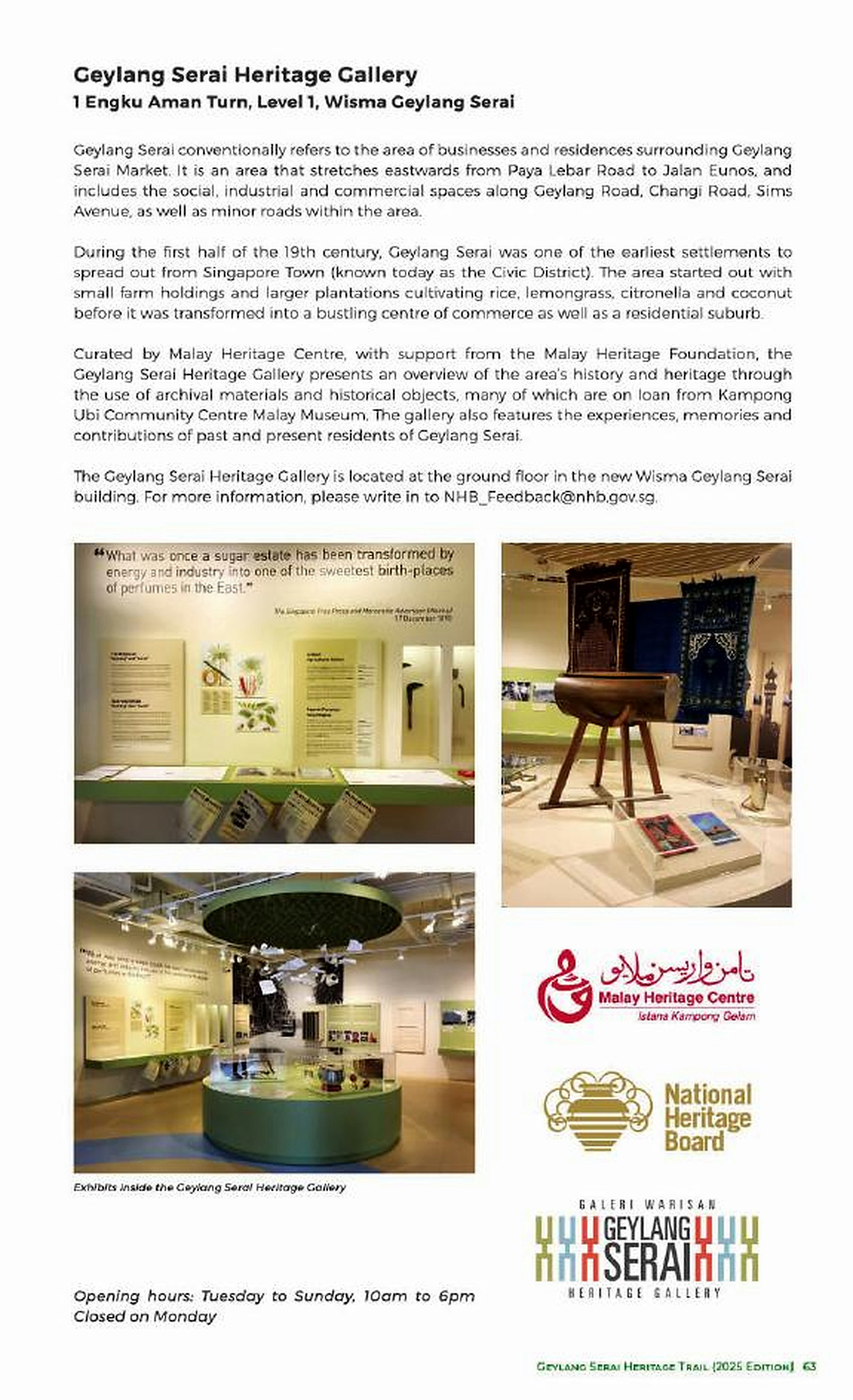
图10.4 Geylang Serai Heritage Gallery资料页:档案、居民记忆与迁移收藏在新机构中重新组合。 / Figure 10.4. Geylang Serai Heritage Gallery: archives, resident memory and displaced collections are reassembled in a new institution.
图版来源 / Plate source: 李宏斌,《Geylang Serai Heritage Trail 2025 Edition》,2025;经作者授权收入本书,页内原始馆藏与摄影署名保持不变。 / Li Hongbin, Geylang Serai Heritage Trail 2025 Edition (2025), reproduced with the author’s permission; original archival and photographic credits remain on the plate.
1. NAS, ‘Opening of Malay Village at Geylang Serai’, 25 February 1990, image 19990001338-0047.
2. NAS, ‘Geylang Serai Malay Village’, 1 March 1990, image 19990001338-0120; and ‘Malay Village in Geylang Serai’, 17 March 1990, image 19990001339-0064.
3. NAS, ‘Prime Minister Lee Kuan Yew visiting the Malay Village’, 18 March 1990, image 19980000018-0087.
4. Abdullah Tarmugi, speech at the launch of the New Image of Malay Village, 31 August 1996, NAS release 73/AUGUST 04-l/96/08/31.
5. Singapore Tourist Promotion Board, material on Malay Village shops and attractions, 24 February 1993, NAS STPB19930224.
6. National Heritage Board, ‘Geylang Serai Heritage Gallery’, Roots.
7. National Heritage Board, ‘Geylang Serai Market & Food Centre’, Roots.
8. People’s Association, ‘About Wisma Geylang Serai’ and institutional programme information.
9. Geylang Serai Heritage Trail, 2025 ed., pp. 20, 53 and 65–66; used as an official/community secondary compilation; public reproduction requires clearance from credited rightsholders.
10. Laurajane Smith, Uses of Heritage (Routledge, 2006); UNESCO Recommendation on the Historic Urban Landscape (2011); UNESCO World Heritage Operational Guidelines.
第十一章 迁移中的真实性
图11.1 早期地形与地块地图资料页:迁移前的道路、水系和地块关系为重建后空间连续提供可叠合的基线。 / Figure 11.1. Early topographic and parcel maps: roads, waterways and plots provide a baseline for testing spatial continuity after redevelopment.
图版来源 / Plate source: 李宏斌,《Geylang Serai Heritage Trail 2025 Edition》,2025;经作者授权收入本书,页内原始馆藏与摄影署名保持不变。 / Li Hongbin, Geylang Serai Heritage Trail 2025 Edition (2025), reproduced with the author’s permission; original archival and photographic credits remain on the plate.
征地、公共住房、SERS与社区连续
Chapter Eleven · Authenticity in Migration
Land Acquisition, Public Housing, SERS and Community Continuity
重建后的真实性只有在“人口—功能—空间—治理—记忆”五条连接同时可追溯时才成立;单纯外观仿古或功能同名均不足以证明连续。 / Authenticity after redevelopment exists only where population, function, space, governance and memory remain jointly traceable; historicist appearance or nominal continuity alone is insufficient.
一、申遗的核心难题:重建之后还有什么真实 / The Nomination’s Hardest Question: What Remains Authentic after Redevelopment?
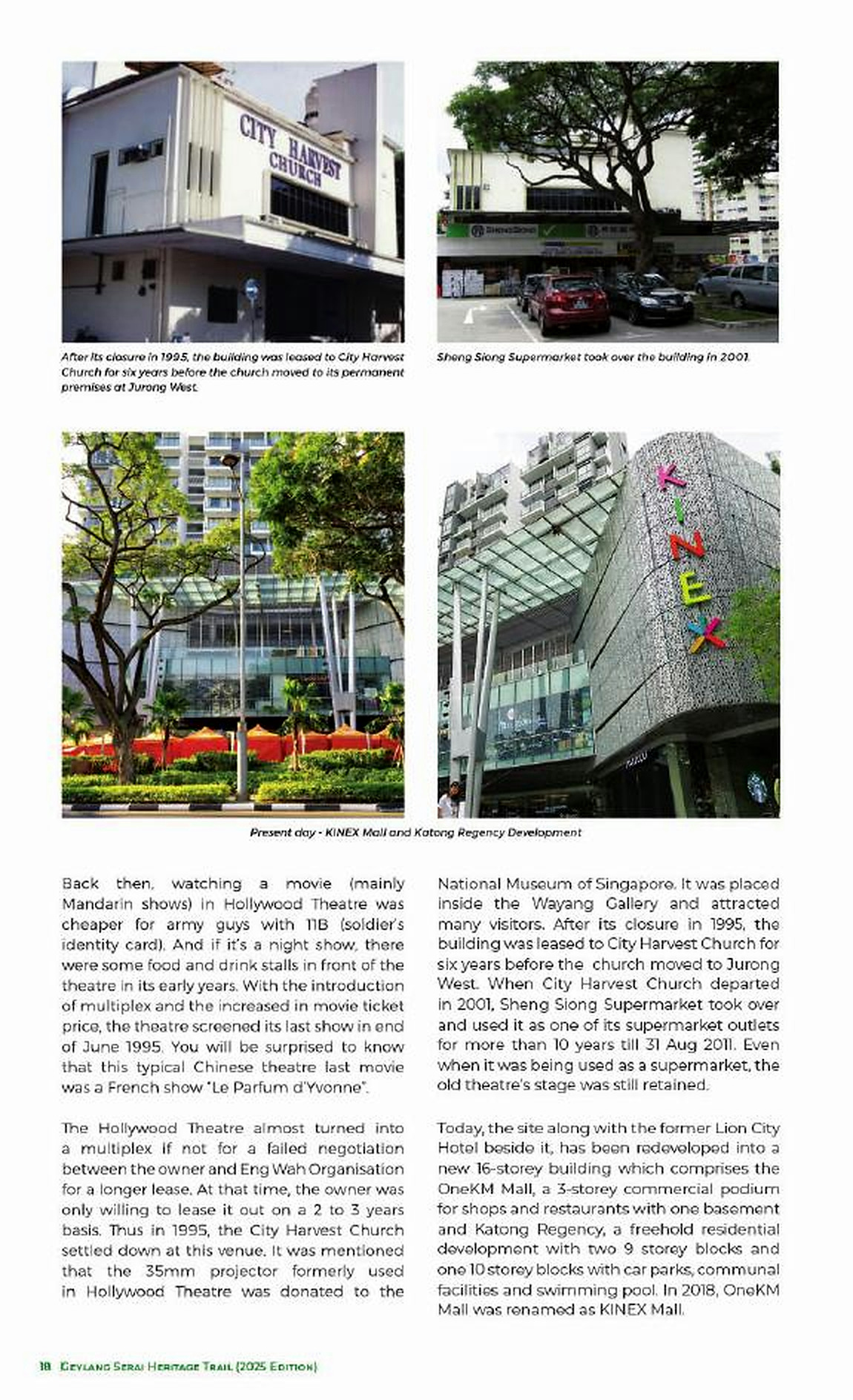
图11.2 Geylang Serai Community Club资料页:社区功能在不同建筑间迁移,须以组织、成员和服务连续检验真实性。 / Figure 11.2. Geylang Serai Community Club: community functions migrated between buildings and require testing through organisations, members and services.
图版来源 / Plate source: 李宏斌,《Geylang Serai Heritage Trail 2025 Edition》,2025;经作者授权收入本书,页内原始馆藏与摄影署名保持不变。 / Li Hongbin, Geylang Serai Heritage Trail 2025 Edition (2025), reproduced with the author’s permission; original archival and photographic credits remain on the plate.
芽笼士乃不是保存完整的旧城。甘榜被清拆,道路拓宽,市场两次重建,宗教机构迁移,公共住房又经历SERS。若真实性只等于原址、原料和原建筑,这项申遗论证会在真实性评估中面临根本困难;但若把任何记忆或延续功能都称为真实,真实性又会失去判断力。
本章提出“迁移真实性”概念:只有当人口关系、公共功能、空间可达性、组织治理和可追溯记忆在迁移中保持足够连接时,重建后的遗产连续才可能成立。它不是降低标准,而是把真假判断从单一建筑扩展为一组必须同时过关的证据条件。
Geylang Serai is not an intact old town. Kampungs were cleared, roads widened, the market rebuilt twice, religious institutions relocated, and public housing later entered SERS. If authenticity means only original site, fabric and building, the nomination may fail at first review; if every memory or continuing function counts as authentic, authenticity loses discriminating force.
This chapter proposes ‘migratory authenticity’: continuity after relocation is defensible only where population relations, public function, spatial accessibility, organisational governance and traceable memory remain sufficiently connected. This does not relax the standard. It expands the test beyond a single building into multiple evidentiary requirements that must be crossed together.
二、1963年以后:三阶段住房重建 / After 1963: Three Phases of Housing Redevelopment
HDB官方资料确认,Geylang Serai Housing Redevelopment Scheme始于1963年并分三阶段实施。Roots则估计约十万名甘榜居民迁入新的HDB住宅。这一数量级说明重建不是个别住房改善,而是人口、产权、卫生、家庭空间与政治关系的系统转换。
公共住宅带来供水、排污、电力、防火与稳定租住/产权条件,也改变了屋前空地、家庭扩建、邻里照护、小型生产和非正式经营。分析不能以“现代住房更好”终止,而须建立迁前—迁后家庭样本:原居地、分配地点、户型、费用、通勤、亲属距离、职业与社区组织参与如何变化。
HDB confirms that the Geylang Serai Housing Redevelopment Scheme began in 1963 and proceeded in three phases. Roots estimates that roughly 100,000 kampung residents were relocated to new HDB homes. The scale indicates not isolated housing improvement but a systemic conversion of population, tenure, sanitation, domestic space and political relations.
Public housing provided water, sewerage, electricity, fire safety and more stable rental or ownership conditions. It also altered forecourts, household extension, neighbourly care, small production and informal trade. Analysis cannot end with ‘modern housing was better’. It requires pre/post household samples tracing origin, allocation, flat type, cost, commuting, kin distance, occupation and participation in community organisations.
三、国家叙述与居民经验之间 / Between State Narrative and Resident Experience
1976年李光耀讲话把芽笼士乃旧环境称为需要重建的“disgrace”,并说明政府曾为截点后迁入的马来居民调整安置规则。这份原始讲话既证明国家把重建视为族群整合工程,也暴露了权力语言:谁定义不体面,谁决定改善路径,谁获得例外。
居民要求住房与政府推动清拆可以同时真实。严谨的学术研究不能在“国家强制”与“居民受益”之间二选一,而应识别不同家庭的异质结果:业主、租户、寄宿者、无证占用者、小贩、妇女和老人拥有不同谈判能力。官方平均改善可能与部分群体的关系损失并存。
In a 1976 speech, Lee Kuan Yew described the earlier condition of Geylang Serai as a ‘disgrace’ requiring redevelopment and stated that resettlement rules had been adjusted for Malays arriving after the registration cut-off. The primary text verifies that redevelopment was conceived as ethnic integration while exposing the language of power: who defined indignity, selected improvement pathways and granted exceptions.
Residents’ demand for flats and state-led clearance can both be true. A journal-level account cannot choose simply between coercion and benefit. Owners, tenants, lodgers, informal occupants, hawkers, women and older people had unequal bargaining power. Aggregate improvement may coexist with relational loss for particular groups.
四、从甘榜邻接到组屋垂直邻接 / From Kampung Adjacency to Vertical Neighbourhood
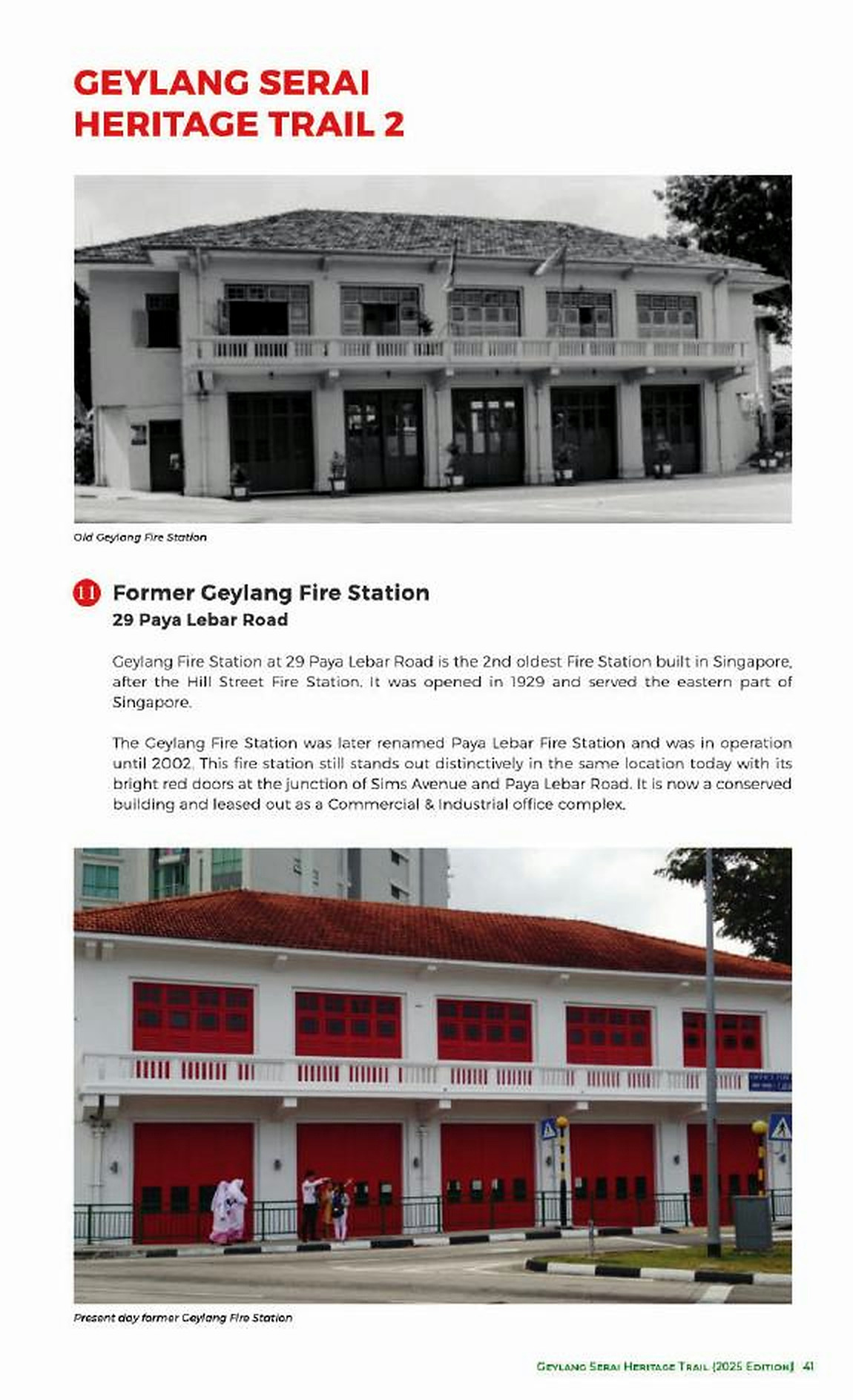
图11.3 Former Geylang Fire Station资料页:现代公共安全设施进入街区,体现重建带来的制度收益及建筑用途转换。 / Figure 11.3. Former Geylang Fire Station: modern public safety demonstrates institutional gains and later adaptive change.
图版来源 / Plate source: 李宏斌,《Geylang Serai Heritage Trail 2025 Edition》,2025;经作者授权收入本书,页内原始馆藏与摄影署名保持不变。 / Li Hongbin, Geylang Serai Heritage Trail 2025 Edition (2025), reproduced with the author’s permission; original archival and photographic credits remain on the plate.
甘榜的低密度并不自动等于紧密共同体,组屋的高密度也不必然造成疏离。关键是关系如何被重新布置:亲属是否分配在步行范围,儿童活动从土地转向走廊和楼下空间,宗教与市场路线是否保持,小贩是否获得合法摊位。
因此,本章用“邻接转换”取代“社区消失”。旧邻里可能在同一座或相邻组屋中重新集中,也可能因跨区分配而断裂;新楼层、楼梯、电梯和void deck则生成新的相遇机制。真实性评估必须依赖安置名册、地址链和口述史,而不能从建筑类型推断社会结果。
Low-density kampung form does not automatically mean close community, nor must high-density housing produce alienation. The question is how relations were rearranged: whether kin were allocated within walking distance, children’s activity moved from ground to corridor and void deck, routes to mosque and market persisted, and hawkers obtained legal stalls.
The chapter therefore substitutes ‘conversion of adjacency’ for ‘loss of community’. Former neighbours may have reconcentrated in one block or nearby blocks, or dispersed through cross-island allocation; floors, stairs, lifts and void decks generated new mechanisms of encounter. Authenticity requires resettlement rosters, address chains and oral histories, not inference from building type.
五、市场重建:功能回迁是否足够 / Rebuilding the Market: Is Functional Return Enough?
旧市场在2006年拆除,新市场随后完成,原摊主回迁。以马来甘榜屋顶和装饰形成的新建筑,强化了文化地标形象;但“原摊主回来”只是连续性的起点。必须核验回迁比例、摊位位置、租金、面积、顾客变化、供应链和代际继承。
如果商户名称延续但经营成本迫使商品标准化,或老顾客因交通与价格离开,功能真实性仍可能下降。反之,建筑完全新建却保持清真食品、湿货、纺织品、小商户网络与节庆中心性,则可形成强于材料真实性的社会—功能连续。
The old market was demolished in 2006; its successor was completed and former stallholders returned. Malay kampung roof forms and ornament strengthened its landmark identity, but return of ‘the old stallholders’ is only the beginning of continuity. Return rate, stall location, rent, area, customer change, supply chain and intergenerational succession must be verified.
If business names continue while costs force product standardisation, or older customers leave because of access and price, functional authenticity may still decline. Conversely, an entirely new building that sustains halal food, wet produce, textiles, small-trader networks and festive centrality may possess strong social-functional continuity despite weak material continuity.
六、2003年SERS:第二次迁移与补偿政治 / The 2003 SERS: Second Relocation and the Politics of Compensation
NAS新闻记录显示,2003年HDB为Jalan Pasar Baru与Geylang Serai受SERS影响居民确定补偿方案。第一代公共住房原本是摆脱甘榜不安全的现代化成果,数十年后又成为需要重建的对象;这使“新—旧”不是一次性替代,而是国家住房不断折旧、估值和更新的循环。
SERS提供替代住房和补偿,却也重新分配资产增值、债务、年龄风险与邻里关系。应逐项核对估值方法、选择范围、贷款负担、搬迁距离、老人适应、租户权利及商业单位安排。只有证明居民不仅获得单位,还保留进入市场、宗教、亲属和社区服务的能力,才能主张第二次迁移没有切断遗产系统。
A NAS news record reports that in 2003 HDB finalised compensation for residents affected by SERS at Jalan Pasar Baru and Geylang Serai. First-generation public housing, once the modern alternative to insecure kampung dwellings, itself became redevelopment stock decades later. New and old are therefore not a one-time substitution but a cycle of depreciation, valuation and renewal.
SERS offers replacement housing and compensation while redistributing capital gain, debt, age-related risk and neighbourhood ties. Valuation method, choice range, loan burden, distance, older residents’ adaptation, tenant rights and commercial arrangements require item-level study. A second relocation sustains the heritage system only if residents retain practical access to market, worship, kin and community services.
七、完整性账本:收益、损失与不可替代项 / An Integrity Ledger: Gains, Losses and Irreplaceable Attributes
申遗文本不能只列现存建筑,也不能用怀旧否定卫生与住房改善。本章建立“完整性账本”:公共卫生、消防、住房稳定、交通和设施容量列为获得;原地土地关系、细颗粒巷道、非正式经济、低成本空间和部分宗教节点列为损失;市场中心性、节庆周期、wakaf功能、社区组织和地名记忆则需判断是否迁移后连续。
不可替代项是最重要的边界。某些建筑可重建,某些功能可迁移,但原地墓葬、特定河岸关系、历史路线和跨族群邻接一旦消失,不能由主题建筑补偿。完整性判断必须承认这些永久损失,并说明剩余属性是否仍足以表达突出普遍价值。
A nomination cannot inventory only surviving buildings or use nostalgia to deny gains in sanitation and housing. This chapter establishes an integrity ledger: public health, fire safety, housing stability, transport and service capacity are gains; on-site land relations, fine-grained lanes, informal economy, low-cost space and some religious nodes are losses; market centrality, festival cycles, wakaf functions, community organisations and place names require continuity testing after relocation.
Irreplaceable attributes define the boundary. Some buildings can be rebuilt and functions relocated, but graves, specific river relationships, historical routes and cross-community adjacency cannot be compensated by themed architecture once lost. Integrity must acknowledge permanent loss and demonstrate whether remaining attributes still express Outstanding Universal Value.
八、其他解释与遗产意义 / Alternative Interpretations and Heritage Significance
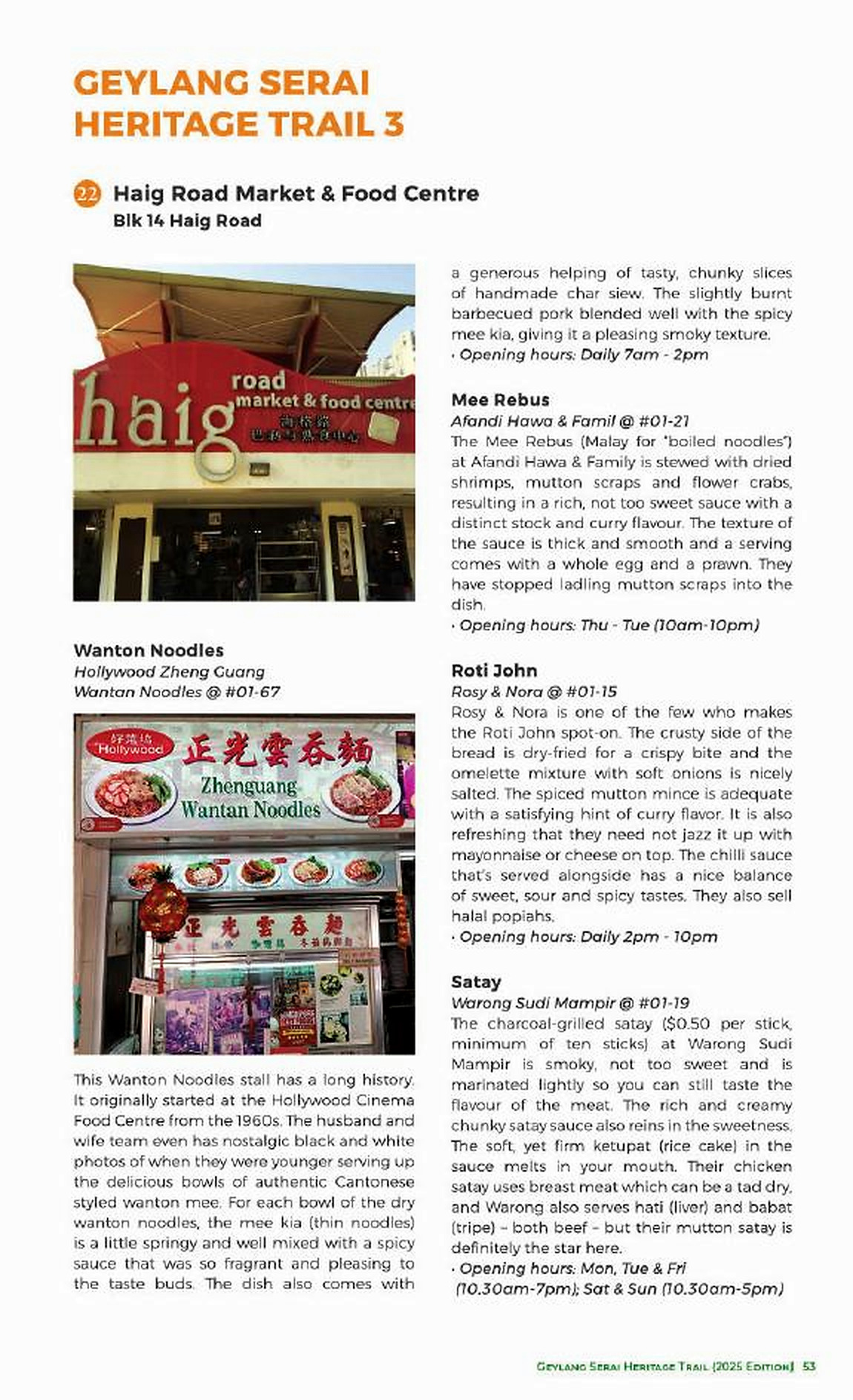
图11.4 Haig Road Market & Food Centre资料页:市场网络由多个节点共同承担,迁移评估不能只观察Pasar Geylang Serai单体。 / Figure 11.4. Haig Road Market & Food Centre: market continuity is distributed across several nodes, not one building alone.
图版来源 / Plate source: 李宏斌,《Geylang Serai Heritage Trail 2025 Edition》,2025;经作者授权收入本书,页内原始馆藏与摄影署名保持不变。 / Li Hongbin, Geylang Serai Heritage Trail 2025 Edition (2025), reproduced with the author’s permission; original archival and photographic credits remain on the plate.
“迁移真实性”面临三种其他可能的解释:所谓连续只是国家机构重建出的记忆;社区网络已由全国交通和数字联系替代,不再依赖芽笼士乃;现存马来中心性主要由品牌和节庆客流维持,而非居民连续。
若安置地址链显示多数原居民永久离开核心区,原摊主回迁率低,组织和宗教功能与原社区断裂,或SERS后可负担性明显恶化,则标准(iii)和(v)必须暂不采用。现阶段最稳健的结论是:芽笼士乃可被提名的不是未经破坏的传统聚落,而是一套经历两轮大规模迁移仍试图维持市场、信仰、节庆和公共服务的城市连续机制。其价值成立与否,最终取决于可量化的人口—功能—空间连接,而非象征建筑。
Migratory authenticity faces three alternative interpretations: continuity is a memory reconstructed by state institutions; community networks have been replaced by island-wide transport and digital connection and no longer depend on Geylang Serai; or present Malay centrality rests on branding and festival footfall rather than resident continuity.
Criteria (iii) and (v) must be set aside if address chains show most original residents permanently left the core, stallholder return was low, institutions and religious functions detached from former communities, or affordability deteriorated after SERS. The defensible proposition is not an undisturbed traditional settlement, but an urban mechanism that attempted to sustain market, faith, festival and public service through two rounds of mass relocation. Its value ultimately depends on measurable population–function–space connections, not symbolic architecture.
迁移真实性的五项检验 / Five Tests of Migratory Authenticity
| 主题 / Topic | 主要资料 / Principal sources | 解释中的局限 / Limits of interpretation | 现有认识 / Present understanding |
|---|---|---|---|
| 人口 / Population | 原居民地址链、亲属邻接 / Address chains, kin proximity | 多数永久离开 / Majority departure | 现有名册不足以完整重建迁居网络 / Surviving rosters do not reconstruct the full relocation network |
| 功能 / Function | 摊商、礼拜、节庆与服务延续 / Trade, worship, festival, service | 名称延续但网络中断 / Name without network | 市场、礼拜与节庆的延续有多种资料支持 / Multiple sources support continuity in trade, worship and festivals |
| 空间 / Space | 步行、视线和路线可辨 / Legible walks, views, routes | 原址与新址脱节 / Sites disconnected | 历史与当代地图揭示主要变化,部分旧址对应仍不确定 / Historic and current maps reveal the principal changes; some site correspondences remain uncertain |
| 治理 / Governance | 社区参与与可负担进入 / Participation, affordability | 行政替代社区权利 / Administration replaces agency | 制度沿革可以追踪,长期可负担性资料较少 / Institutional change is traceable; long-term affordability is less fully documented |
| 记忆 / Memory | 迁前迁后档案可互证 / Cross-verifiable records | 只有官方纪念叙事 / Official commemoration only | 口述资料保存重要经验,但社群与世代覆盖不均 / Oral histories preserve important experience but unevenly represent communities and generations |
史料说明 / Note on Sources
本章以HDB对1963年起三阶段重建的官方沿革、1976年李光耀关于安置与族群整合的讲话,以及NAS 2003000277的SERS补偿报道为主轴。NHB所述约十万居民迁移用于表明变动规模,不作为逐户精确统计;书中也不对无公开数列的回迁率、租金及补偿分布作定量声称。
注释与参考文献 / Notes and References
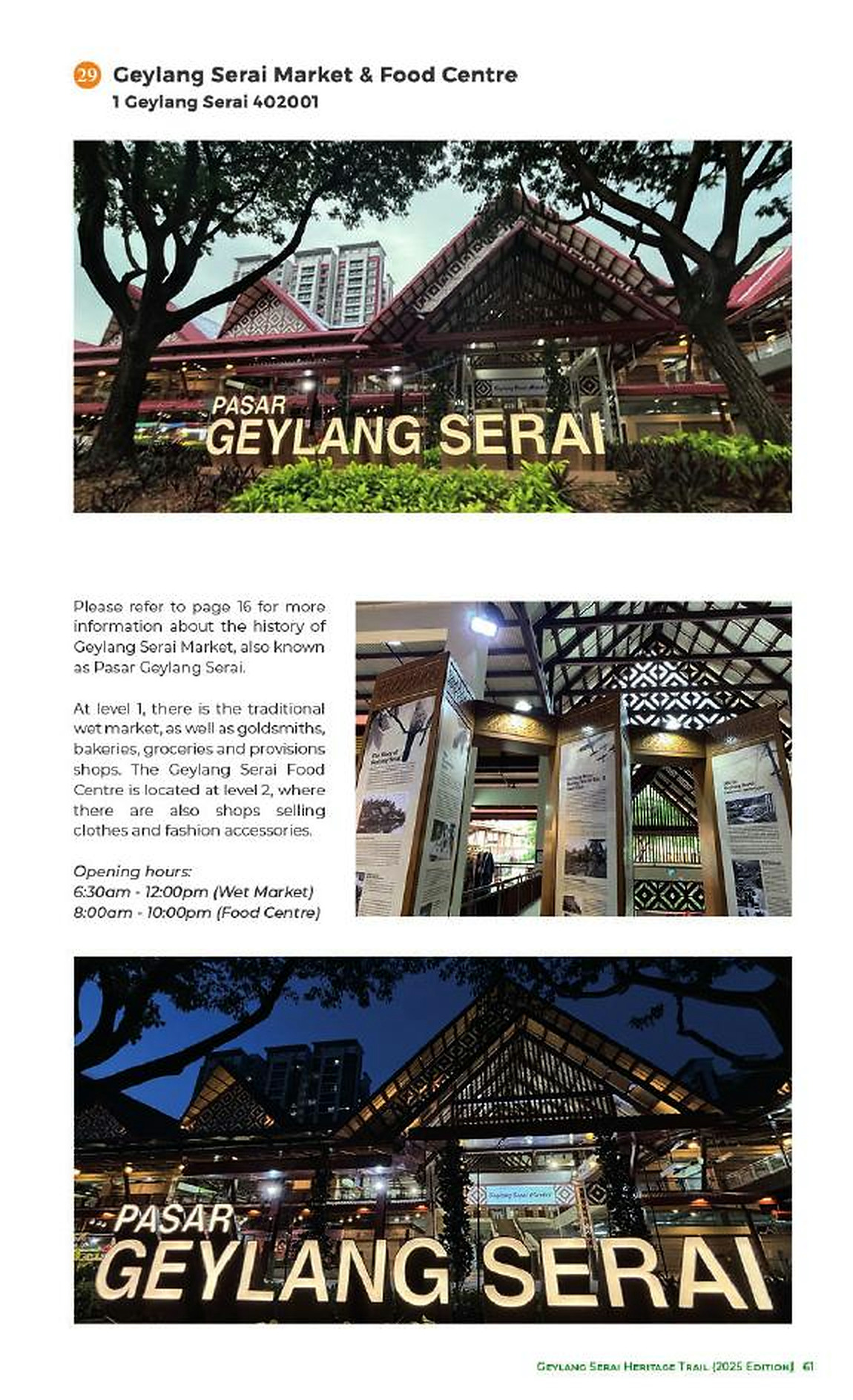
图11.5 当代Geylang Serai Market & Food Centre资料页:新建筑的真实性须由摊主回迁、供应链、顾客与节庆功能验证。 / Figure 11.5. Contemporary Geylang Serai Market & Food Centre: authenticity of the new structure depends on trader return, supply chains, customers and festive function.
图版来源 / Plate source: 李宏斌,《Geylang Serai Heritage Trail 2025 Edition》,2025;经作者授权收入本书,页内原始馆藏与摄影署名保持不变。 / Li Hongbin, Geylang Serai Heritage Trail 2025 Edition (2025), reproduced with the author’s permission; original archival and photographic credits remain on the plate.
1. Housing & Development Board, ‘Geylang’, official town history: the Geylang Serai Housing Redevelopment Scheme began in 1963 and proceeded in three phases.
2. National Heritage Board, ‘Geylang Serai Heritage Gallery’, Roots: estimated relocation of 100,000 kampung residents to HDB housing.
3. Lee Kuan Yew, speech, 21 December 1976, NAS document lky19761221.
4. NAS, News 5 Tonight record on HDB compensation for SERS residents at Jalan Pasar Baru and Geylang Serai, 2003, record 57d88c4b-1164-11e3-83d5-0050568939ad.
5. National Heritage Board, ‘Geylang Serai Market & Food Centre’, Roots.
6. Geylang Serai Heritage Trail, 2025 ed., pp. 6, 21, 44, 56 and 64; official/community secondary compilation; publication rights subject to credited sources.
7. UNESCO World Heritage Operational Guidelines, provisions on authenticity and integrity; Nara Document on Authenticity (1994); UNESCO Recommendation on the Historic Urban Landscape (2011).
第四编 从地方史到世界遗产
PART IV · FROM LOCAL HISTORY TO WORLD HERITAGE
第十二章 世界遗产的比较门槛
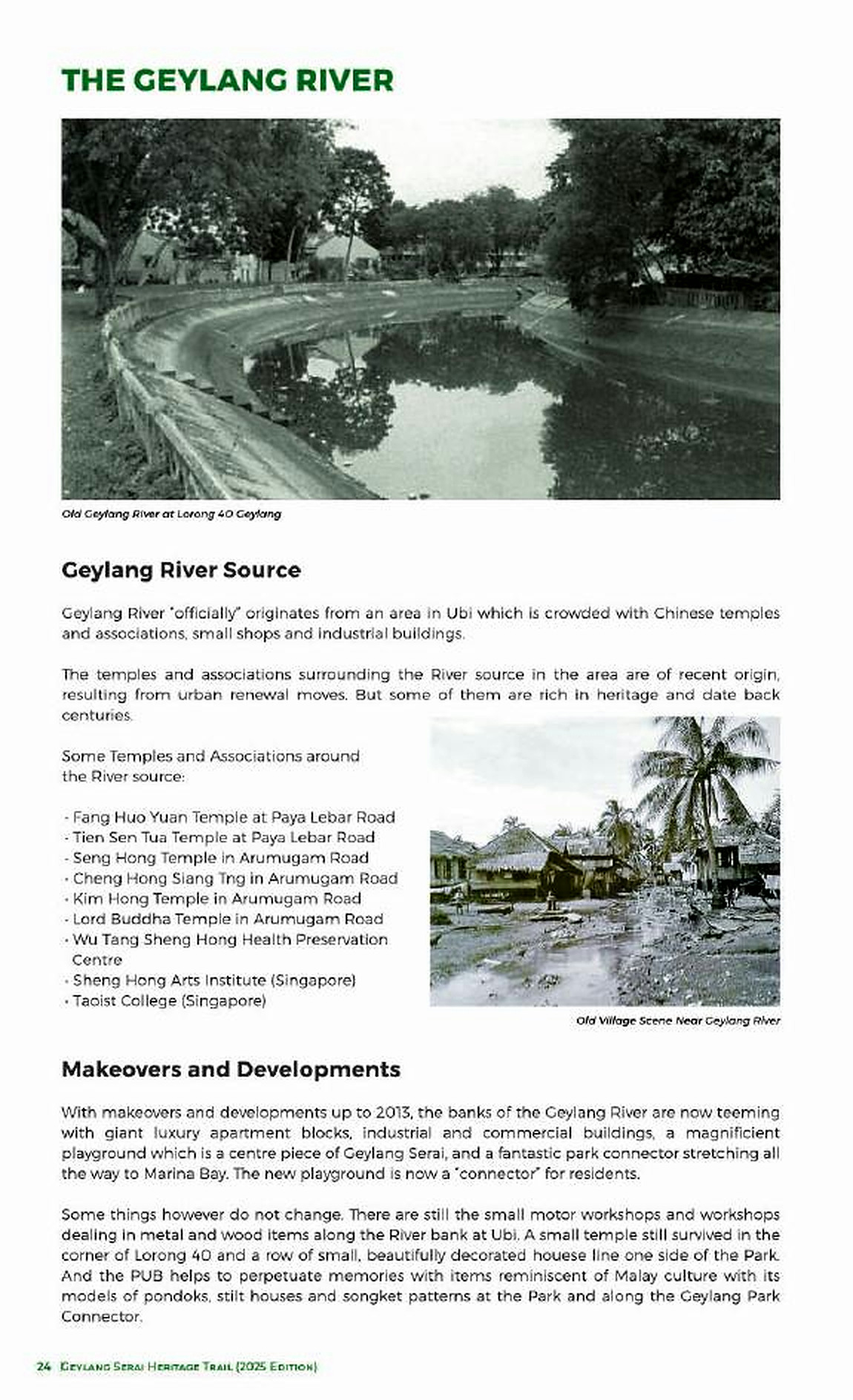
图12.1 芽笼河资料页:水系是芽笼士乃区别于港口旧城核心的历史景观基线,也是检验郊缘生产—城市化转换的空间证据。 / Figure 12.1. Geylang River: the water system is a landscape baseline for distinguishing the district from a historic port core and testing fringe production-to-urban transformation.
图版来源 / Plate source: 李宏斌,《Geylang Serai Heritage Trail 2025 Edition》,2025;经作者授权收入本书,页内原始馆藏与摄影署名保持不变。 / Li Hongbin, Geylang Serai Heritage Trail 2025 Edition (2025), reproduced with the author’s permission; original archival and photographic credits remain on the plate.
芽笼士乃与海峡城市遗产的不可替代性检验
Chapter Twelve · The Comparative Threshold for World
Heritage
Testing the Irreplaceability of Geylang Serai
芽笼士乃的候选空白不是“又一个多文化海峡旧城”,而是海峡社会在发展型国家全面重建中通过迁移保持公共生活连续的城市机制。 / The candidate gap is not another multicultural Straits old town, but an urban mechanism through which a Straits society sustained public life by migration through comprehensive developmental-state reconstruction.
一、比较不是相似性清单,而是排除重复 / Comparison Is Not a List of Similarities but a Test against Duplication
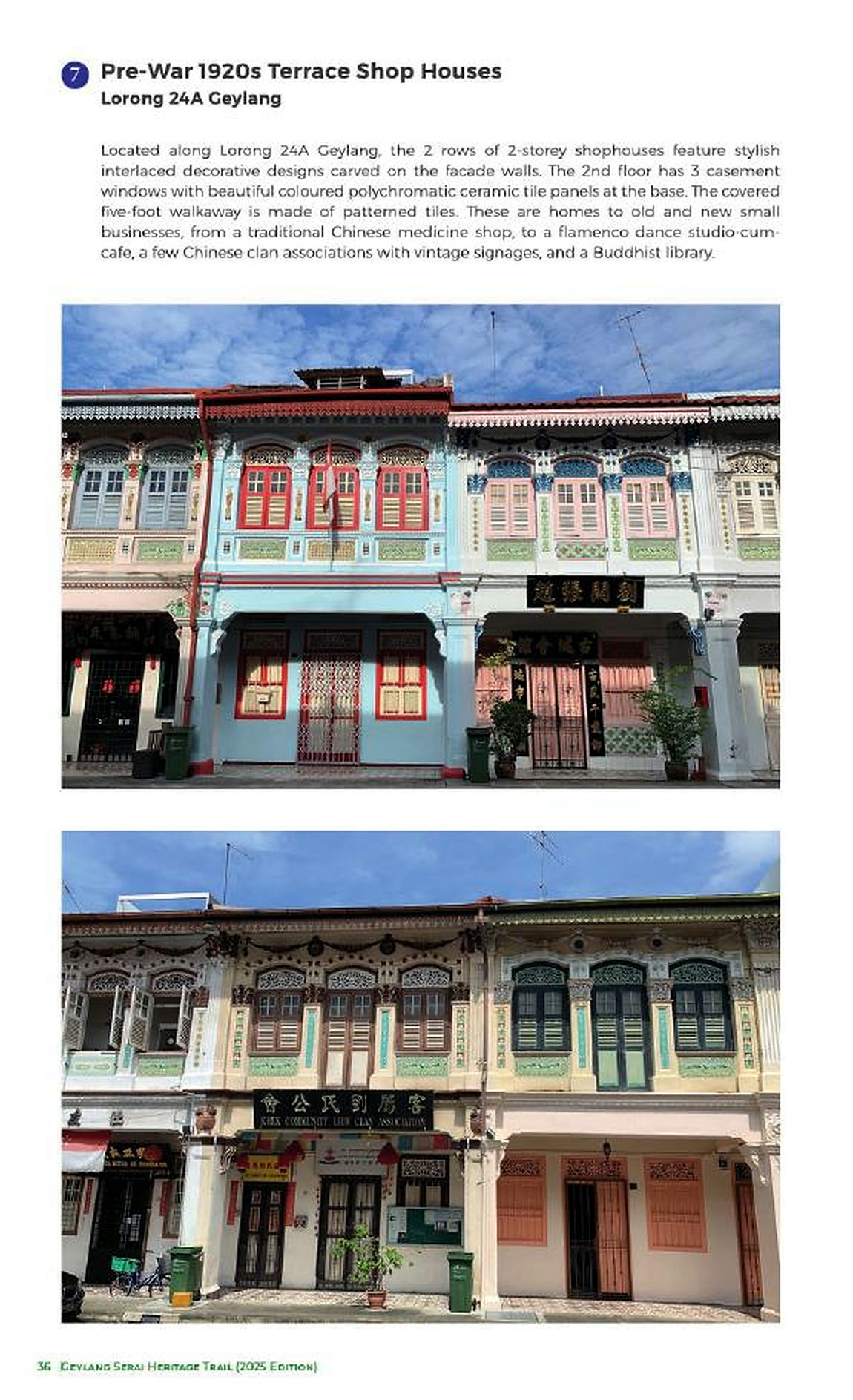
图12.2 Joo Chiat Road店屋资料页:店屋并非独特价值本身,必须以商业网络、居住混合和道路关系证明其在属性组合中的作用。 / Figure 12.2. Joo Chiat Road shophouses: shophouses are not OUV by themselves; their role depends on commercial networks, mixed use and road relations.
图版来源 / Plate source: 李宏斌,《Geylang Serai Heritage Trail 2025 Edition》,2025;经作者授权收入本书,页内原始馆藏与摄影署名保持不变。 / Li Hongbin, Geylang Serai Heritage Trail 2025 Edition (2025), reproduced with the author’s permission; original archival and photographic credits remain on the plate.
本章采用“过程—载体—尺度—连续机制”四层比较法。过程问历史交换如何发生;载体问价值由哪些可定位属性表达;尺度问是港口核心、王权区、郊缘生产地还是国家重建区;连续机制则问居民、市场、宗教和公共机构如何跨越清拆与迁移。比较单位因此不是“漂亮老街”,而是价值生成系统。
World Heritage comparative analysis does not ask whether Geylang Serai also has markets, religious buildings, plural communities and festivals. It asks whether these attributes form a historical process not yet adequately represented on the List. The strongest objection is immediate: Melaka and George Town already represent Straits colonial trade, multicultural communities, religious buildings and shophouse urbanism under criteria (ii), (iii) and (iv); within Singapore, Kampong Gelam preserves Malay royalty, mosque, commerce and migration traditions. If Geylang Serai merely repeats those values, it lacks an independent basis for nomination.
This chapter compares four layers: process, carrier, scale and continuity mechanism. Process asks how exchange occurred; carrier identifies the locatable attributes that convey value; scale distinguishes port core, royal quarter, productive fringe and state-redevelopment district; continuity mechanism asks how residents, market, religion and public institutions crossed clearance and relocation. The unit of comparison is therefore not the picturesque old street but the system that produced value.
二、基准遗产:马六甲与乔治市 / Benchmark Property: Melaka and George Town
联合国教科文组织2008年的列名决定把马六甲与乔治市界定为互补的系列遗产:两城记录近五百年马来、华人、印度文化与葡萄牙、荷兰、英国殖民势力的交流;多文化传统由城市形态、宗教建筑、族群街区、语言、节庆、饮食和日常生活表达。它们为芽笼士乃设定了极高门槛,因为“海峡多文化”本身已经不是名录空白。
差异必须落在历史结构上。马六甲与乔治市的突出普遍价值以港口贸易城市的长时段建筑和城市肌理为核心;芽笼士乃最可能的贡献不在殖民港口中心,而在港口网络的东部郊缘如何经由种植、河流、庄园、甘榜、市场、公共住房与国家族群治理转化为现代都会节点。这一命题若不能由连续空间和社会档案证明,便会被视为既有海峡城市价值的弱化复制。
UNESCO’s 2008 inscription decision defines Melaka and George Town as complementary components of a serial property. Together they document almost five centuries of interchange among Malay, Chinese and Indian cultures and Portuguese, Dutch and British colonial powers. Their multicultural traditions are expressed through urban form, religious buildings, ethnic quarters, languages, festivals, food and everyday life. They set a demanding benchmark: “Straits multiculturalism” is no longer a gap on the World Heritage List.
Difference must therefore be structural. The Outstanding Universal Value of Melaka and George Town centres on long-duration architectural and urban fabric of port trading cities. Geylang Serai’s possible contribution lies elsewhere: how an eastern fringe of the port network was transformed through cultivation, rivers, estates, kampungs, markets, public housing and state management of ethnic relations into a modern metropolitan node. Unless continuous spatial and social records demonstrate that process, the proposition will be judged a diluted repetition of an existing Straits-city value.
三、国内比较:甘榜格南与芽笼士乃 / Domestic Comparator: Kampong Gelam and Geylang Serai
甘榜格南的比较意义不在于竞争“谁更马来”,而在于区分两种城市形成机制。甘榜格南围绕苏丹王宫、苏丹回教堂、朝觐、出版和商业街形成,是十九世纪殖民城市中制度化的王权—宗教—贸易中心;1989年列为保留区后,其成排店屋、街道和国家古迹获得较强物质保护。
芽笼士乃则主要是郊缘生产与居住景观,经二十世纪人口流动、火灾、征地、市场建设、公共住房和节庆经济成为马来公共生活中心。前者以保存较强的历史建筑群表达权力与贸易,后者可能以迁移后的市场—住房—宗教—社会服务网络表达现代化中的文化连续。若这一差异成立,芽笼士乃不是甘榜格南的次级版本;若只剩马来装饰、餐饮和开斋节消费,两者之间的区分便不足。
Kampong Gelam matters not as a rival claimant to being “more Malay” but as a distinct mechanism of urban formation. Organised around the Sultan’s palace, Sultan Mosque, pilgrimage, publishing and commercial streets, it became an institutional royal–religious–trading centre within the nineteenth-century colonial city. Gazettal as a conservation area in 1989 gave comparatively strong material protection to rows of shophouses, streets and national monuments.
Geylang Serai emerged largely from a productive and residential fringe. Twentieth-century mobility, fire, acquisition, market building, public housing and festive economy turned it into a centre of Malay public life. The former expresses power and trade through a relatively well-preserved architectural ensemble; the latter may express cultural continuity through a relocated market–housing–religion–social-service network. If demonstrated, Geylang Serai is not a lesser Kampong Gelam. If little remains beyond Malay ornament, food and Hari Raya consumption, the distinction fails.
四、属性组合:河流、店屋与多宗教节点 / Attribute Assemblage: River, Shophouse and Multi-religious Nodes
单一建筑无法承载芽笼士乃的比较意义。芽笼河记录水域、排水、工业化与城市改造;店屋记录跨族群的小资本、居住—经营混合和道路经济;清真寺、教堂、华人庙宇与慈善机构记录邻接而非隔离的宗教公共性;市场则把供应链、消费、节庆和政治可见性连接起来。只有这些节点的历史关系能够被地图、产权、商号、成员和路线互证时,它们才构成遗产属性组合。
这也是与马六甲—乔治市的关键区别候选:不是以保存密集的殖民旧城证明交流,而是以高度改造的现代城区证明网络如何迁移、重组并继续运作。此命题更接近历史城市景观方法,但HUL是一种识别和管理方法,并不自动赋予突出普遍价值。动态性可以解释变化,不能替代真实性与完整性。
No single building can carry the project’s comparative advantage. The Geylang River records waterborne geography, drainage, industrialisation and urban engineering; shophouses record cross-community small capital, mixed living–trading use and road economy; mosques, churches, Chinese temples and charities record religious public life through adjacency rather than segregation; the market connects supply chains, consumption, festival and political visibility. These nodes form a heritage assemblage only when maps, title records, firms, memberships and routes corroborate their historical relations.
This is also the candidate distinction from Melaka–George Town: not exchange demonstrated through a densely preserved colonial city, but networks shown to have migrated, recomposed and continued within a heavily transformed modern district. The proposition aligns with the Historic Urban Landscape approach, yet HUL is a method of identification and management, not an automatic grant of Outstanding Universal Value. Dynamism can explain change; it cannot replace authenticity and integrity.
五、标准(ii)、(iii)、(v)逐项过门 / Testing Criteria (ii), (iii) and (v)
标准(ii)要求重要的人类价值交流在建筑、技术、城市设计或景观发展上具有可见影响。芽笼士乃最可辩护的版本,是海峡网络、殖民土地制度、穆斯林慈善、跨族群商业和国家住房政策在同一城市地带相互改造;仅有多元人口并不够。
标准(iii)要求对文化传统或文明提供独特或至少特殊见证。候选见证是现代新加坡马来公共生活如何在征地和大规模迁移后,仍借市场、宗教组织、节庆与社区机构维持。必须避免把“马来文化”冻结成单一风俗展示。
标准(v)要求传统聚落、土地利用或人与环境互动的杰出实例,且在不可逆变化下具有脆弱性。旧甘榜本体大量消失使本项最危险;只有在河流—生产—聚落—市场—住房的转换链仍有足够可读属性时,标准(v)才可保留。
Criterion (ii) requires an important interchange of human values to be visibly expressed in architecture, technology, town planning or landscape design. Geylang Serai’s defensible version is the mutual transformation of Straits networks, colonial land regimes, Muslim philanthropy, cross-community commerce and state housing policy within one urban zone. Demographic diversity alone is insufficient.
Criterion (iii) requires unique or at least exceptional testimony to a cultural tradition or civilisation. The candidate testimony concerns the maintenance of Malay public life through market, religious organisations, festivals and community institutions after acquisition and mass relocation. “Malay culture” must not be frozen as a display of selected customs.
Criterion (v) requires an outstanding example of traditional settlement, land use or human–environment interaction, especially when vulnerable under irreversible change. The extensive disappearance of the kampung fabric makes this the riskiest criterion. It should remain only if the river–production–settlement–market–housing transformation chain retains sufficiently legible attributes.
六、比较分析与候选空白 / Comparative Analysis and the Candidate Gap
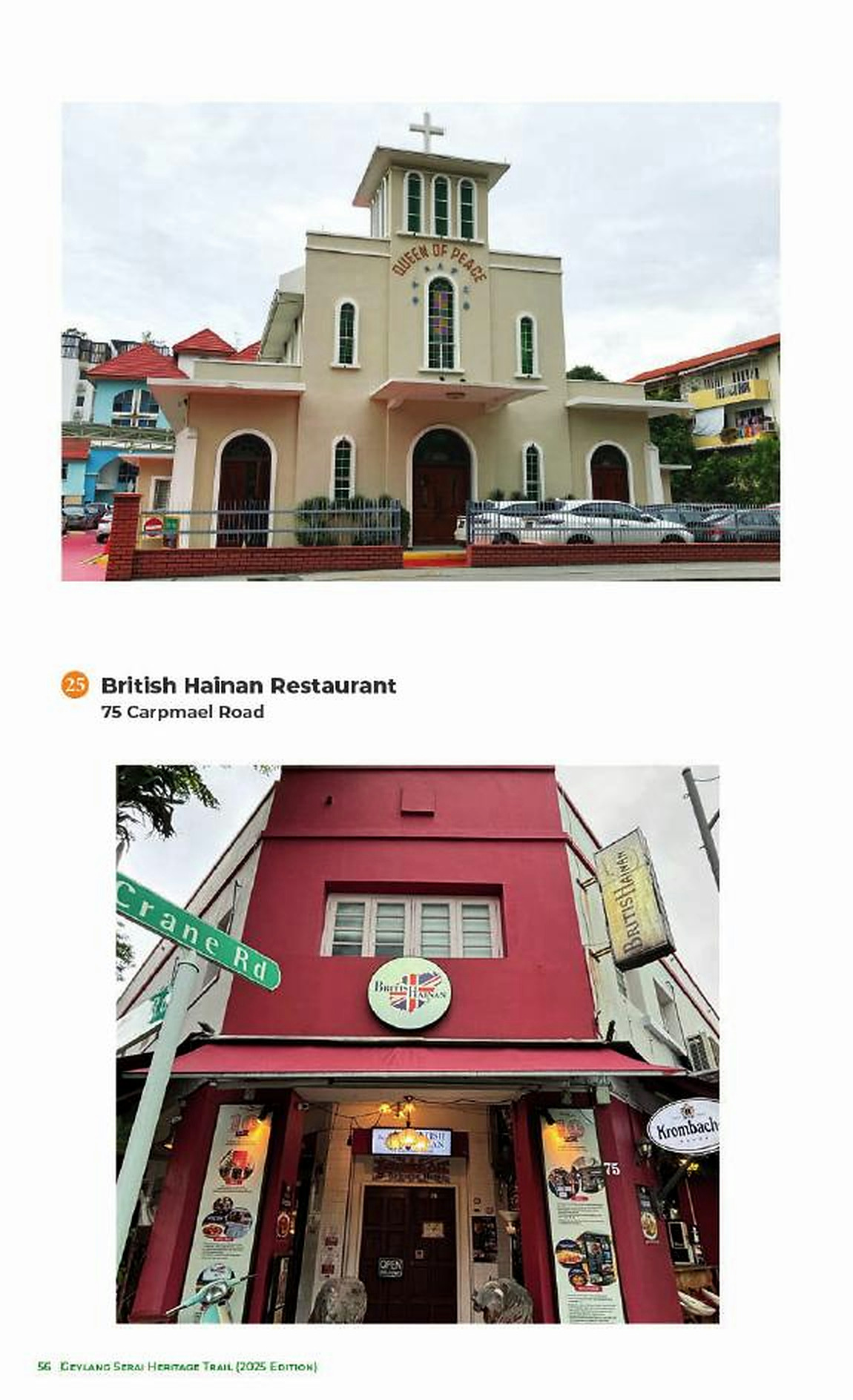
图12.3 Bethel Assembly与Sri Senpaga Vinayagar Temple资料页:多宗教邻接须从“建筑并列”提升为成员、慈善、路线与公共事件的关系证据。 / Figure 12.3. Bethel Assembly and Sri Senpaga Vinayagar Temple: religious proximity must be tested through membership, charity, routes and public events, not architectural juxtaposition alone.
图版来源 / Plate source: 李宏斌,《Geylang Serai Heritage Trail 2025 Edition》,2025;经作者授权收入本书,页内原始馆藏与摄影署名保持不变。 / Li Hongbin, Geylang Serai Heritage Trail 2025 Edition (2025), reproduced with the author’s permission; original archival and photographic credits remain on the plate.
比较结果显示,芽笼士乃在“历史建筑保存度”上明显弱于马六甲、乔治市和甘榜格南;这一弱点不能用情感语言消除。它可能领先的维度是战后国家重建、两轮大规模迁移、公共市场与公共住房的耦合,以及族群和谐政策在日常空间中的物质化。换言之,候选空白不是又一个海峡旧城,而是“海峡多文化社会如何穿越发展型国家的全面重建而继续存在”。
这个空白必须在亚洲乃至全球范围继续检验,包括雅加达、吉隆坡、泗水、槟城郊区及其他经历清拆和安置的族群商业区。若多个保存更完整、档案更充分的案例已经同等或更好地表达这一过程,芽笼士乃的世界级独特性将被削弱。
The matrix shows that Geylang Serai is substantially weaker than Melaka, George Town and Kampong Gelam in surviving historic fabric. Sentiment cannot erase that weakness. Its possible leading dimensions are post-war state reconstruction, two rounds of mass relocation, the coupling of public market and public housing, and the materialisation of ethnic-harmony policy in everyday space. The candidate gap is therefore not another historic Straits town, but how a Straits multicultural society persisted through comprehensive redevelopment by a developmental state.
This gap must still be tested across Asia and globally, including Jakarta, Kuala Lumpur, Surabaya, Penang’s peripheries and other ethnic-commercial districts subjected to clearance and resettlement. If better-preserved and better-documented cases express the same process equally or more convincingly, Geylang Serai’s world-level distinctiveness will weaken.
七、其他解释与论证限度 / Alternative Interpretations and Limits of the Argument
第一种其他可能的解释认为,芽笼士乃只是新加坡国家规划产生的族群商业中心,历史连续性主要是事后建构。第二种认为,它属于全国性的马来社群网络,地点本身并不可替代。第三种认为,今日活力由节庆营销和交通集散制造,与旧居民和旧供应链关系有限。第四种认为,甘榜格南已足以代表新加坡马来城市遗产。
以下任何结果都会迫使申遗暂不采用:旧居民、摊贩和机构的迁移链无法追踪;现存节点之间缺乏历史空间关系;核心功能主要服务短期游客而非社区;开发压力已使低成本商业与宗教社会服务不可持续;国际比较发现更完整的同类案例。学术研究和申遗文本都必须预先写出这些论证限度,而不是把每一项证据都解释为支持。
The first rival explanation treats Geylang Serai as an ethnic commercial centre produced by Singaporean planning, with continuity largely constructed retrospectively. A second argues that it belongs to an island-wide Malay network and that the location is replaceable. A third attributes present vitality to festival marketing and transport interchange rather than former residents and supply chains. A fourth holds that Kampong Gelam already represents Singapore’s Malay urban heritage.
Any of the following would require reconsidering the nomination: migration chains of residents, traders and institutions cannot be traced; surviving nodes lack historical spatial relations; core functions primarily serve short-term visitors rather than community; development pressure makes low-cost commerce and religious social service unsustainable; or global comparison reveals a more complete analogue. Both scholarly study and nomination must state these limits of the argument in advance rather than interpret every observation as support.
八、结论:从“文化丰富”到可申报命题 / Conclusion: From Cultural Richness to a Nominable Proposition
现阶段最稳健的比较结论是条件性的。芽笼士乃不能以“多文化海峡街区”申报,因为这一价值已由马六甲与乔治市强有力地代表;也不能仅以“新加坡马来文化中心”申报,因为甘榜格南构成直接而保存更完整的国内比较。其可能的突出普遍价值在于:一个海峡移民社会的郊缘生产—居住地,如何在殖民末期和独立后的清拆、公共住房、市场重建与族群治理中,形成可迁移却非任意替代的活态公共空间系统。
国际比较显示,芽笼士乃较有解释力的方向是标准(ii)所涉及的文化交流,以及标准(iii)所涉及的文化见证;标准(v)能否成立,则取决于现存聚落、市场和道路关系是否具有足够完整性。跨城比较、属性地图、迁移史、机构谱系、供应链和可负担性资料共同限定这项判断。
The most defensible finding remains conditional. Geylang Serai cannot be nominated simply as a “multicultural Straits district”, a value already powerfully represented by Melaka and George Town. Nor is “Singapore’s Malay cultural centre” sufficient, because Kampong Gelam is the direct and materially stronger domestic comparator. Its possible Outstanding Universal Value lies in a different proposition: how a productive–residential fringe of a Straits migrant society became a living public-space system—relocatable but not arbitrarily replaceable—through late-colonial and post-independence clearance, public housing, market reconstruction and ethnic governance.
The comparison supports a bounded scholarly proposition rather than a declaration of Outstanding Universal Value. Criterion (ii) is the strongest line of inquiry because it concerns exchange expressed through a modern suburban network; criterion (iii) is supporting; criterion (v) is not advanced as a principal claim because loss of the productive and kampung landscape weakens material integrity.
比较表 / Comparative Table
| 比较对象 / Comparator | 主导历史过程 / Dominant process | 主要载体 / Principal carriers | 强项 / Strength | 对芽笼士乃的检验 / Test for Geylang Serai |
|---|---|---|---|---|
| 马六甲 / Melaka | 殖民港口长时段交换 / Long-duration colonial port exchange | 街道、宗教建筑、行政与商业建筑 / Streets, worship, civic and commercial fabric | 五百年层积 / Five-century layering | 不得重复港口旧城命题 / Must not duplicate historic-port thesis |
| 乔治市 / George Town | 贸易移民与店屋城市化 / Mercantile migration and shophouse urbanism | 店屋、族群街区、宗教和码头网络 / Shophouses, quarters, worship, waterfront | 完整城市肌理 / Extensive urban fabric | 须证明现代重建过程的独特代表性 / Must prove distinctive redevelopment process |
| 甘榜格南 / Kampong Gelam | 王权—宗教—商业中心 / Royal–religious–commercial centre | 王宫、清真寺、店屋、街道 / Palace, mosque, shophouses, streets | 国内保存度高 / Strong domestic fabric | 须证明非王权郊缘及迁移连续 / Must prove non-royal fringe and migratory continuity |
| 芽笼士乃 / Geylang Serai | 郊缘生产、迁移与国家重建 / Fringe production, migration, state reconstruction | 河流、市场、住房、宗教与社区网络 / River, market, housing, religious and civic networks | 活态功能与重组能力 / Living function and recomposition | 物质损失是否仍允许表达OUV / Whether material loss still permits expression of OUV |
比较证据的边界 / Limits of the Comparative Evidence
注释与参考文献 / Notes and References
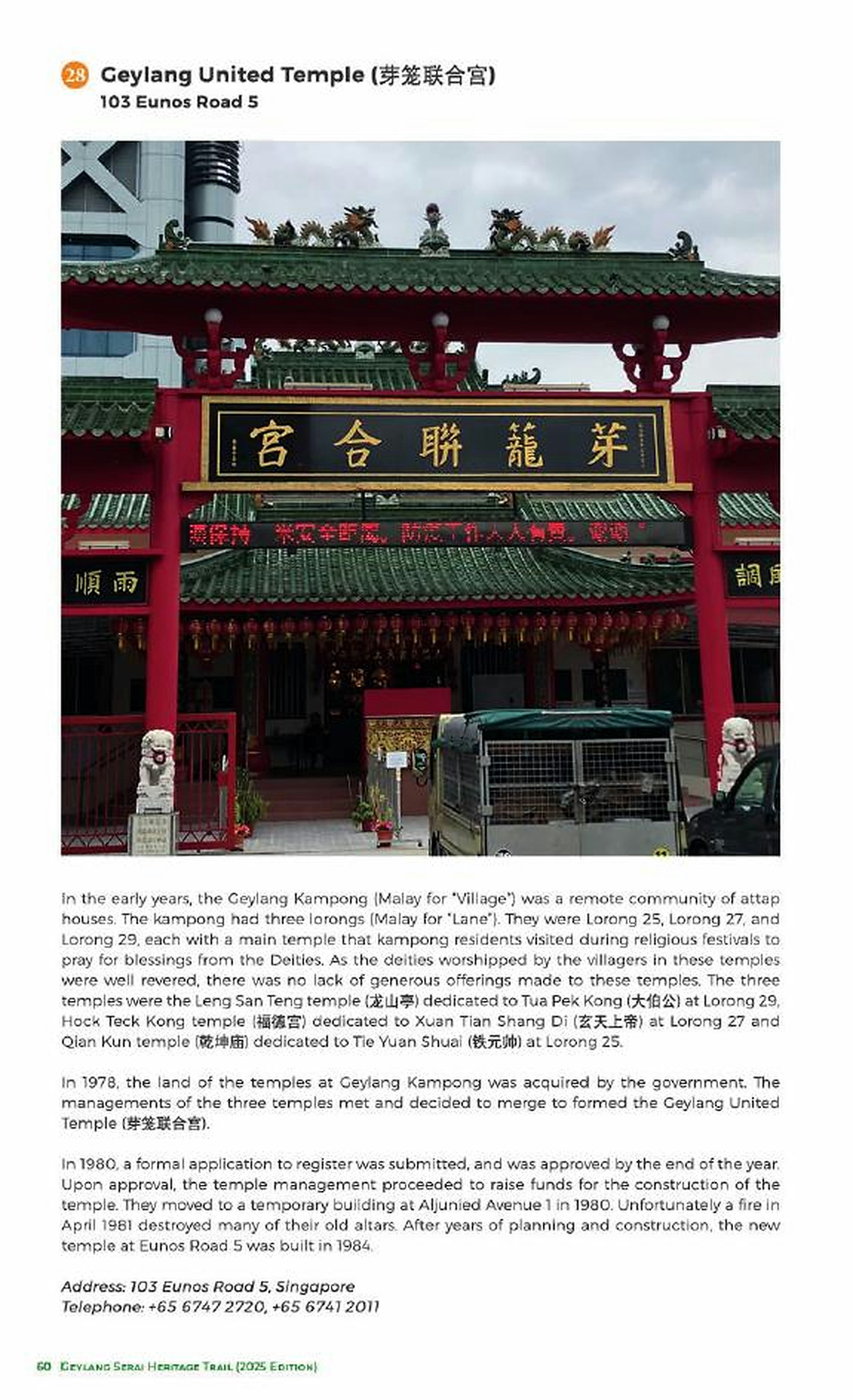
图12.4 Koon Seng Road的Kuan Im Tng Temple资料页:宗教节点说明芽笼更广区域的跨族群层积,但是否纳入申报边界须由历史功能关系决定。 / Figure 12.4. Kuan Im Tng Temple at Koon Seng Road: religious nodes demonstrate plural layering, but boundary inclusion must follow historical functional relations.
图版来源 / Plate source: 李宏斌,《Geylang Serai Heritage Trail 2025 Edition》,2025;经作者授权收入本书,页内原始馆藏与摄影署名保持不变。 / Li Hongbin, Geylang Serai Heritage Trail 2025 Edition (2025), reproduced with the author’s permission; original archival and photographic credits remain on the plate.
1. UNESCO World Heritage Committee, Decision 32 COM 8B.25 (2008), inscription and Statement of Outstanding Universal Value for Melaka and George Town, Historic Cities of the Straits of Malacca.
2. UNESCO World Heritage Centre, “Melaka and George Town, Historic Cities of the Straits of Malacca,” World Heritage List No. 1223; criteria (ii), (iii) and (iv).
3. ICOMOS, Evaluation of the Nomination of Singapore Botanic Gardens, WHC-15/39.COM/INF.8B1, 2015; comparative-analysis method and demonstrated criteria.
4. UNESCO, Recommendation on the Historic Urban Landscape, adopted 10 November 2011; HUL integrates tangible and intangible values, social and economic processes, and sustainable urban development.
5. National Heritage Board, Kampong Gelam Heritage Trail and Istana Kampong Gelam records, Roots; Kampong Gelam conservation and royal–religious–commercial history.
6. Li Hongbin, Geylang Serai Heritage Trail, 2025 ed., pp. 27, 39, 59 and 63. Reproduced here for research/expert review; final publication requires clearance from the credited rights holders.
7. UNESCO, Operational Guidelines for the Implementation of the World Heritage Convention, current edition consulted September 2026, especially comparative analysis, authenticity, integrity and cultural criteria provisions.
第十三章 边界不是画线
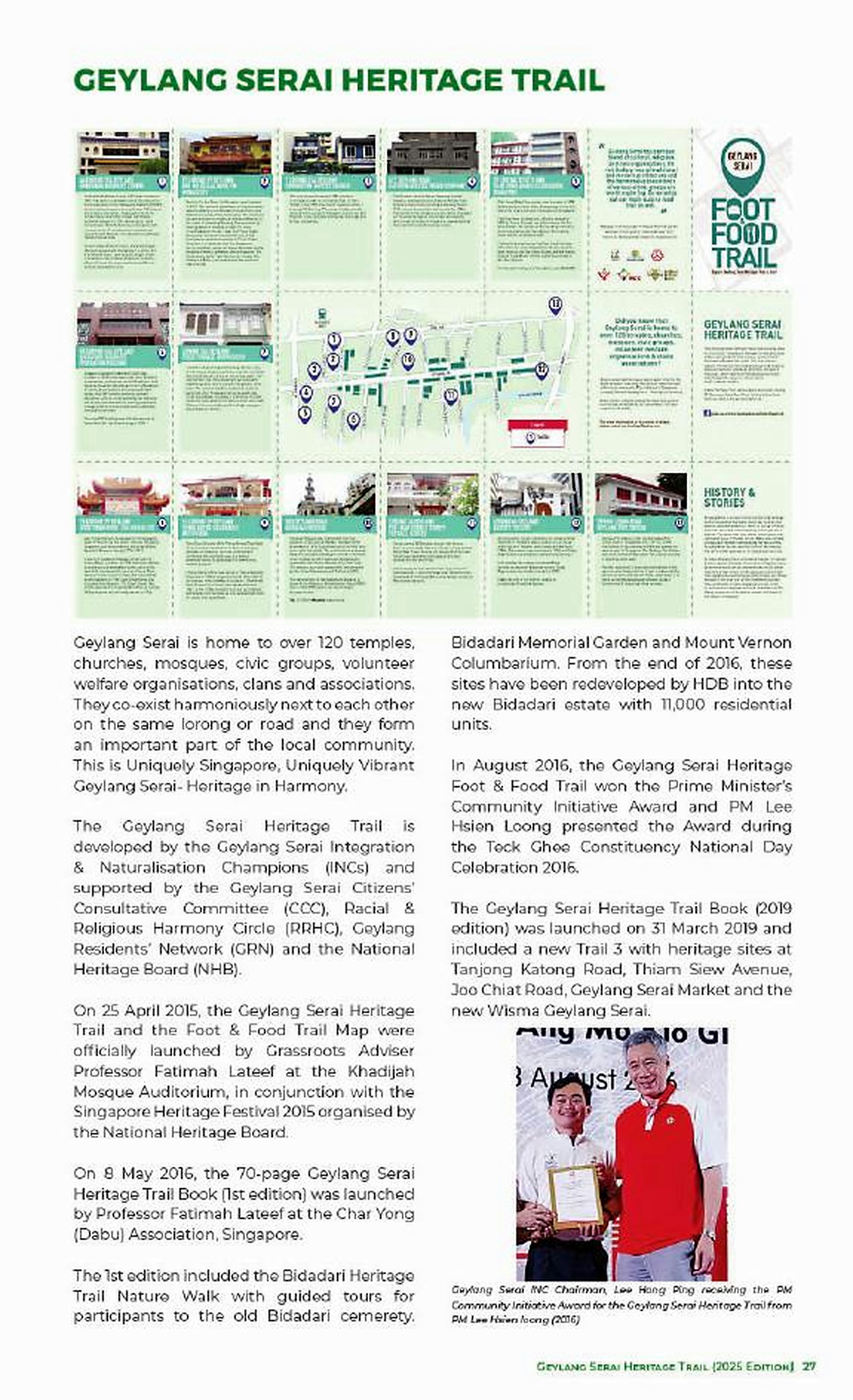
图13.1 Geylang Serai Heritage Trail路线图资料页。文化路线覆盖范围可用于发现相关遗产要素,但不能直接充当世界遗产边界。 / Figure 13.1. Geylang Serai Heritage Trail map. A trail can identify candidate attributes but cannot be adopted directly as a World Heritage boundary.
图版来源 / Plate source: 李宏斌,《Geylang Serai Heritage Trail 2025 Edition》,2025;经作者授权收入本书,页内原始馆藏与摄影署名保持不变。 / Li Hongbin, Geylang Serai Heritage Trail 2025 Edition (2025), reproduced with the author’s permission; original archival and photographic credits remain on the plate.
核心区、缓冲区与关联遗产网络
Chapter Thirteen · A Boundary Is Not a Line
Core Property, Buffer Zone and Associated Heritage Network
申遗边界应是价值证据结构的空间投影:以最小充分核心承载OUV,以功能缓冲保护关系,以关联网络解释更广历史景观。 / A nomination boundary is the spatial projection of the value-evidence structure: a minimum sufficient core carries OUV, a functional buffer protects relations, and an associated network interprets the wider historical landscape.
一、边界不是先画线,而是先确定价值载体 / Boundary Follows Value Carriers, Not the Other Way Round
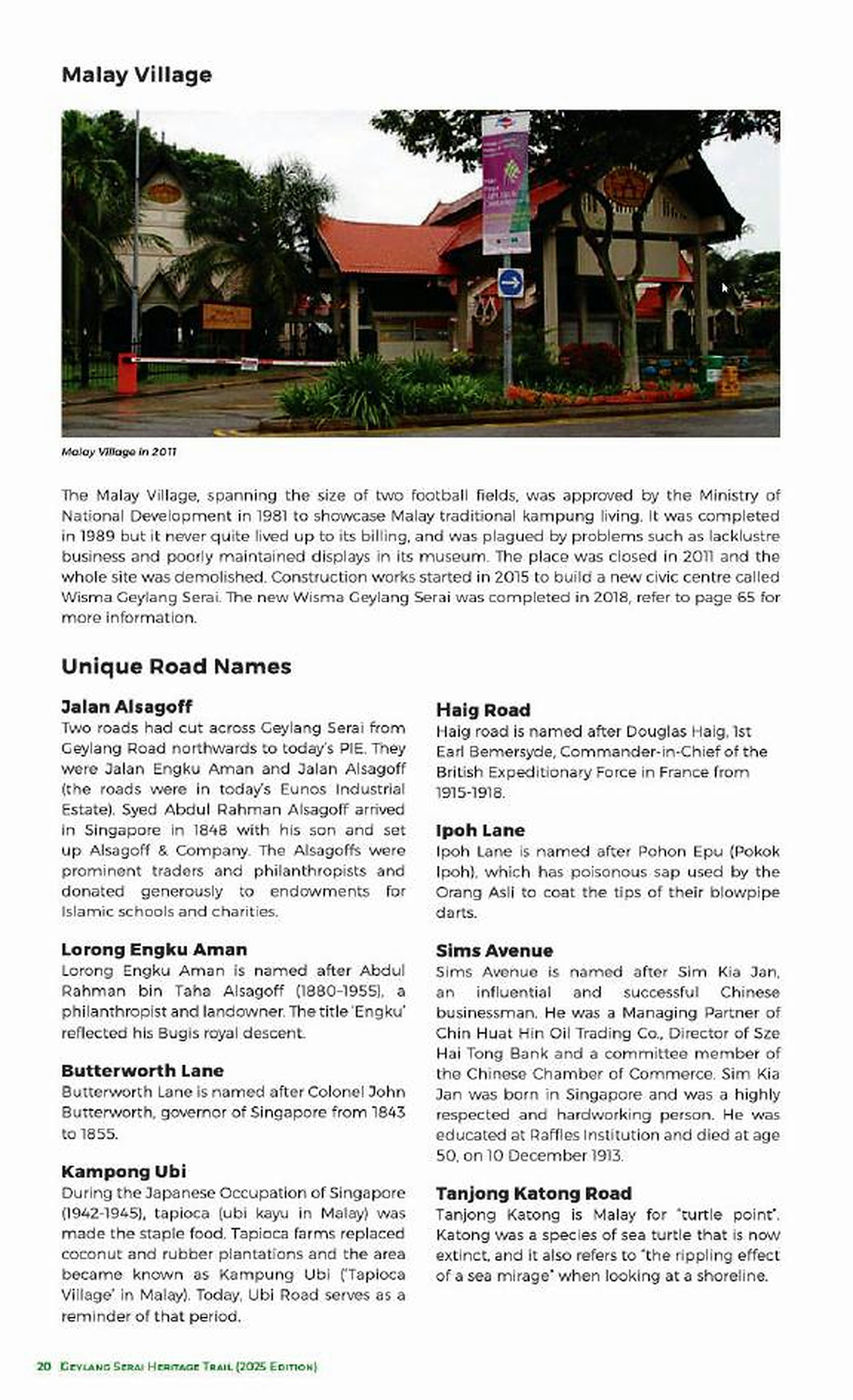
图13.2 Malay Village资料页。已消失或彻底改造的地点可作为记忆与制度史证据,但不能因象征意义自动进入核心区。 / Figure 13.2. Malay Village. A lost or radically transformed place may support memory and institutional history, but symbolic importance does not automatically justify core inclusion.
图版来源 / Plate source: 李宏斌,《Geylang Serai Heritage Trail 2025 Edition》,2025;经作者授权收入本书,页内原始馆藏与摄影署名保持不变。 / Li Hongbin, Geylang Serai Heritage Trail 2025 Edition (2025), reproduced with the author’s permission; original archival and photographic credits remain on the plate.
世界遗产边界不是行政区、旅游路线或文化认同范围的翻版。它必须把表达突出普遍价值所不可缺少的属性纳入,同时排除仅有一般历史兴趣、却与核心命题缺乏可证关系的地点。芽笼、芽笼士乃、如切、加东在历史上彼此渗透,但“整个东部文化丰富”不能成为无限扩张边界的理由。
本章先从历史过程和现存遗存出发讨论边界。每个地点都要说明其年代、使用者、历史作用、保存状况及现实风险;只有与芽笼士乃公共生活的形成和延续直接相关的地点,才有理由进入核心区。边界是历史研究与实地调查的结果,不能先由行政便利或宣传需要决定。
World Heritage boundaries are not replicas of administrative districts, tourist routes or zones of cultural identification. They must include attributes indispensable to the expression of Outstanding Universal Value while excluding places of general historical interest that lack a demonstrable relationship to the central proposition. Geylang, Geylang Serai, Joo Chiat and Katong have overlapping histories, but the cultural richness of the entire east cannot justify an indefinitely expanding property.
This chapter proposes a historical and spatial approach to boundaries. Each place is considered through its historical use, custodianship, present condition and relationship to the surrounding district. A place belongs within the proposed property only where it is essential to showing how a Straits-fringe society maintained public-life continuity through state reconstruction. The boundary is thus a spatial projection of the evidence model, not a political aspiration drawn before research is complete.
二、三种空间不能混为一谈 / Three Spatial Categories Must Not Be Confused
第一是提名财产,即直接承载突出普遍价值并接受最严格保护的核心空间;第二是缓冲区,其作用是保护核心区的环境、视廊、尺度、功能支撑和发展影响,并不等于价值较低的附属遗产;第三是关联遗产网络,包括对历史解释重要、但因距离、完整性、法律条件或非必要性而不宜进入财产边界的节点。
把所有历史地点纳入核心区会导致“属性稀释”:评估者无法判断哪些部分真正不可替代,保护责任也会变得不可执行。相反,只圈市场单体又会把活态系统缩减为一座新建筑。合理方案必须在过宽和过窄之间,找到能够表达市场、住房、宗教、道路和社区服务关系的最小充分空间。
The first category is the nominated property: the core space that directly carries Outstanding Universal Value and receives the strictest protection. The second is the buffer zone, which protects setting, views, scale, functional support and development impacts; it is not simply lesser heritage. The third is an associated heritage network: nodes important to historical explanation but unsuitable for inclusion because of distance, integrity, legal circumstances or lack of necessity.
Putting every historic place inside the property produces attribute dilution: evaluators cannot identify what is irreplaceable, and protection obligations become unmanageable. Conversely, drawing a line around the market alone reduces a living system to one new building. The defensible solution is the minimum sufficient space that expresses relations among market, housing, worship, roads and community service.
三、核心区候选:不是市场单体,而是公共生活回路 / Candidate Core: A Public-Life Circuit, Not a Market Building
最紧凑的核心区候选应围绕Geylang Serai Market、Wisma Geylang Serai、相邻公共住房和节庆公共空间形成连续回路。其理由不是这些建筑年代最老,而是它们共同承担供应、社交、文化展示、社会服务、交通换乘和年度节庆,并可能保存两轮迁移后的功能连续。
每个地块必须通过“必要性测试”:移除它是否会使价值叙述失去关键机制?市场若脱离住房,只剩消费地标;Wisma若脱离社区组织和公共空间,只剩文化设施;住房若没有原居民地址链,也不能仅凭邻近进入核心区。因此当前核心区只能称为候选,最终界线须以地籍、权属、安置名册、步行网络和活动热力数据校准。
The most compact candidate core should form a continuous circuit around Geylang Serai Market, Wisma Geylang Serai, adjacent public housing and festive public space. These are not necessarily the oldest buildings. They jointly sustain provisioning, sociability, cultural representation, social service, transport interchange and annual festival, and may preserve functional continuity through two rounds of relocation.
Every parcel must pass a necessity test: would removing it eliminate a critical mechanism from the value proposition? A market separated from housing becomes a consumption landmark; Wisma separated from organisations and public space becomes a cultural facility; adjacent housing cannot enter merely by proximity without resident address chains. The core remains provisional until cadastral data, ownership, resettlement rosters, pedestrian networks and activity intensity calibrate its line.
四、缓冲区:保护关系,而不是制造空壳 / Buffer Zone: Protect Relations, Not an Empty Shell
联合国教科文组织把缓冲区界定为以法律、规制或习惯限制为财产增加保护的周边空间,应包括直接环境、重要视线及对财产功能和保护具有支撑作用的区域。对芽笼士乃而言,主要威胁不是一座高楼遮挡某一古迹,而是租金、交通改造、地块合并、业态替换和节庆商业化逐步切断公共生活回路。
因此缓冲区控制不应停留在高度和立面。它还需监测可负担摊位与商铺比例、步行连通、公共空间可进入性、礼拜和社区服务路线、装卸及供应链、节庆期间居民通行,以及新开发对小商户的累积挤出。没有这些功能性约束,物理街景即使保持,也可能成为失去社区的遗产外壳。
UNESCO defines a buffer zone as surrounding space where legal, regulatory or customary restrictions provide an added layer of protection, including immediate setting, important views and areas functionally supporting the property and its conservation. For Geylang Serai the principal threat is not merely a tower blocking a monument. Rent escalation, transport works, parcel amalgamation, business replacement and festival commercialisation can gradually sever the public-life circuit.
Buffer controls should therefore extend beyond height and façade. They must monitor affordable stalls and premises, pedestrian continuity, access to public space, routes to worship and social service, loading and supply chains, resident movement during festivals, and the cumulative displacement of small businesses by redevelopment. Without functional controls, a preserved streetscape may become a heritage shell without its community.
五、关联网络:河流、旧店屋与多宗教节点 / Associated Network: River, Shophouses and Multi-religious Nodes
芽笼河、芽笼保留区店屋、如切和加东的宗教及商业节点,对解释更长时段的东部网络十分重要,但不能因重要就全部纳入核心区。它们应先作为关联网络,以历史地图、产权、道路、组织成员、商品流和居民迁移关系证明与核心区的连接强度。
关联网络不是“以后再说”的尾巴,而是解决完整性与可管理性冲突的正式层级:它允许研究和解释覆盖更广历史景观,同时不虚构连续的单一财产。若某节点后来被证明对OUV不可替代、具有足够完整性并能获得协调保护,可考虑系列遗产组成部分;若仅提供背景,则保持解释和合作保护,不进入提名面积。
The Geylang River, conserved shophouses and religious or commercial nodes in Joo Chiat and Katong are important to the longer history of the eastern network, but importance alone does not justify core inclusion. They should initially form an associated network, with historical maps, title records, roads, institutional membership, commodity flows and resident migration used to measure connection to the core.
The associated network is not a residual category. It formally reconciles landscape-wide interpretation with a manageable property and avoids inventing one continuous site. A node later proven indispensable to OUV, sufficiently intact and protectable through coordinated management may become a component of a serial property. A contextual node remains within interpretation and cooperative protection without entering the nominated area.
六、连续财产还是系列遗产 / Continuous Property or Serial Nomination?
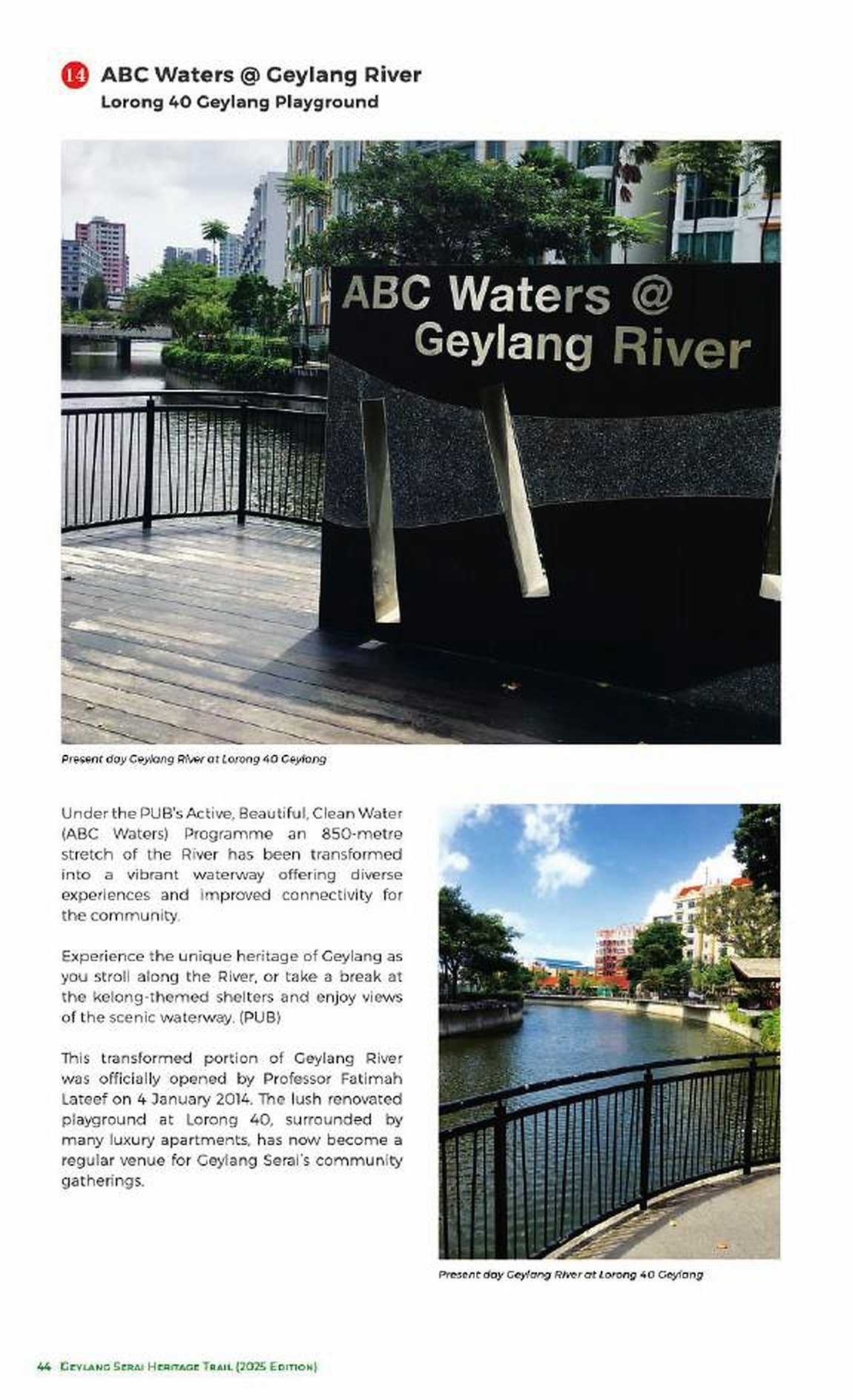
图13.3 ABC Waters @ Geylang River资料页。河流既是历史空间载体,也是当代基础设施;是否进入提名范围取决于其与核心价值链的可证联系。 / Figure 13.3. ABC Waters at Geylang River. The river is both historical carrier and contemporary infrastructure; inclusion depends on a demonstrated connection to the core value chain.
图版来源 / Plate source: 李宏斌,《Geylang Serai Heritage Trail 2025 Edition》,2025;经作者授权收入本书,页内原始馆藏与摄影署名保持不变。 / Li Hongbin, Geylang Serai Heritage Trail 2025 Edition (2025), reproduced with the author’s permission; original archival and photographic credits remain on the plate.
连续财产的优势是管理清晰、日常步行关系可见,缺点是可能把价值链中相距较远的河流、宗教和商业节点排除。系列遗产可以纳入多个不可替代组成部分,却要求每个组成部分都对总体OUV作出清楚且实质性的贡献,而不能把分散景点包装成合集。
本章暂不主张系列申报。现阶段更稳健的路径是先证明一个紧凑公共生活核心及其缓冲区,再用关联网络完成历史解释。只有当跨区节点通过“不可替代性、完整性、连接机制、共同管理”四门检验,才升级为系列组成部分。系列化不是补救核心区薄弱的工具,而是价值本身确实由多个空间共同表达时的结果。
A continuous property offers clearer management and visible everyday pedestrian relations, but may exclude distant river, religious and commercial nodes in the value chain. A serial nomination can incorporate several irreplaceable components, yet each must make a clear and substantial contribution to overall OUV; scattered attractions cannot simply be packaged as a collection.
This chapter does not recommend a serial nomination. The defensible spatial proposition is a compact public-life core and buffer zone, with an associated network used for historical interpretation. Serialisation is not a remedy for a weak core and would be justified only where multiple protected components are each indispensable to one value and governed as a single property.
七、候选边界的法律与治理叠合 / Overlaying Legal and Governance Regimes
边界必须与真实保护工具叠合。新加坡Master Plan是指导未来十至十五年发展的法定土地利用规划;Geylang Conservation Area和Joo Chiat Conservation Area已有建筑与街景保护规则;Historic East Identity Corridor则提供跨街区身份与参与式规划框架。但文化路线、身份走廊、保留区和世界遗产边界分别服务不同目的,不能相互替代。
正式提名前须制作至少五层GIS:地籍和产权、法定用途与容积率、保留建筑和设计控制、历史属性与史料依据、风险和发展申请。任何进入核心区的地块都要说明保护依据、主管机构、业主责任和社区参与;缓冲区则须说明什么行为受到何种限制。没有可执行治理,边界图只是插图。
Boundaries must overlay real protection instruments. Singapore’s Master Plan is the statutory land-use plan guiding development over the next ten to fifteen years; the Geylang and Joo Chiat Conservation Areas already carry building and streetscape controls; the Historic East Identity Corridor offers a cross-precinct identity and participatory planning framework. Yet heritage trail, identity corridor, conservation area and World Heritage boundary serve different purposes and cannot substitute for one another.
Before nomination, at least five GIS layers are required: cadastre and ownership; statutory use and plot ratio; conserved buildings and design controls; historical attributes and evidence grades; and risk plus development applications. Every core parcel needs a legal basis, responsible authority, owner obligation and community role. The buffer map must state which activities are constrained by which instrument. Without enforceable governance, a boundary map is merely an illustration.
八、论证限度与阶段性结论 / Limits of the Argument and Provisional Finding
三种证据会推翻本章方案。第一,若地址链和活动数据表明市场—住房—机构之间并无持续社区关系,紧凑核心区就只是规划拼接。第二,若关键宗教、商业或河流节点对价值不可替代却无法纳入或协调保护,连续财产的完整性不足。第三,若缓冲区不能控制租金、通行和地块更新的累积影响,活态功能将不具长期可持续性。
本书据此提出三层空间结构:紧凑的公共生活核心、功能性缓冲区和较广的关联遗产网络。它不以任意扩大的范围稀释价值,而要求每一地块说明其必要性、每一关系说明其连续性、每一风险对应明确的保护能力。国家提名边界应建立在这些空间关系之上。
Three findings would defeat the proposal. First, if address chains and activity data show no sustained community relation among market, housing and institutions, the compact core is merely a planning assemblage. Second, if indispensable religious, commercial or river nodes cannot be included or protected through coordination, a continuous property lacks integrity. Third, if buffer controls cannot address cumulative impacts of rent, access and parcel redevelopment, living functions will not be sustainable.
The present recommendation is therefore a three-tier candidate structure: a compact public-life core, a functional buffer zone and a wider associated heritage network. It is not a final nomination boundary and does not invent precise hectares. It converts research into falsifiable spatial tasks: prove necessity parcel by parcel, continuity relation by relation, and protection capacity risk by risk. Only then can a boundary move from research hypothesis to a State Party nomination map.
三层空间关系 / Three-Tier Spatial Relationships
| 层级 / Tier | 纳入原则 / Inclusion rule | 相关内容 / Relevant content | 保护对象 / What is protected | 纳入或排除理由 / Reasons for inclusion or exclusion |
|---|---|---|---|---|
| 核心区 / Core | 对OUV机制不可缺少 / Necessary to OUV mechanism | 市场—Wisma—住房—节庆公共空间回路 / Market–Wisma–housing–festival circuit | 功能、空间、治理与社会连续 / Functional, spatial, governance and social continuity | 无地址链或功能关系则排除 / Exclude without address or functional links |
| 缓冲区 / Buffer | 直接支持核心或承受发展影响 / Supports core or receives impacts | 相邻道路、商铺、通行、装卸和视线环境 / Roads, premises, access, loading and setting | 尺度、可达性、可负担性和供应链 / Scale, access, affordability and supply chains | 必须有可执行控制 / Requires enforceable controls |
| 关联网络 / Associated network | 历史解释重要但非当前核心必要项 / Important context, not currently core-essential | 河流、保留店屋、远距宗教与商业节点 / River, conserved shophouses, distant religious and commercial nodes | 知识关联与协作保护 / Interpretive links and cooperative protection | 通过四门检验可升系列组成部分 / May become serial component after four gates |
结论 / Conclusion
注释与参考文献 / Notes and References
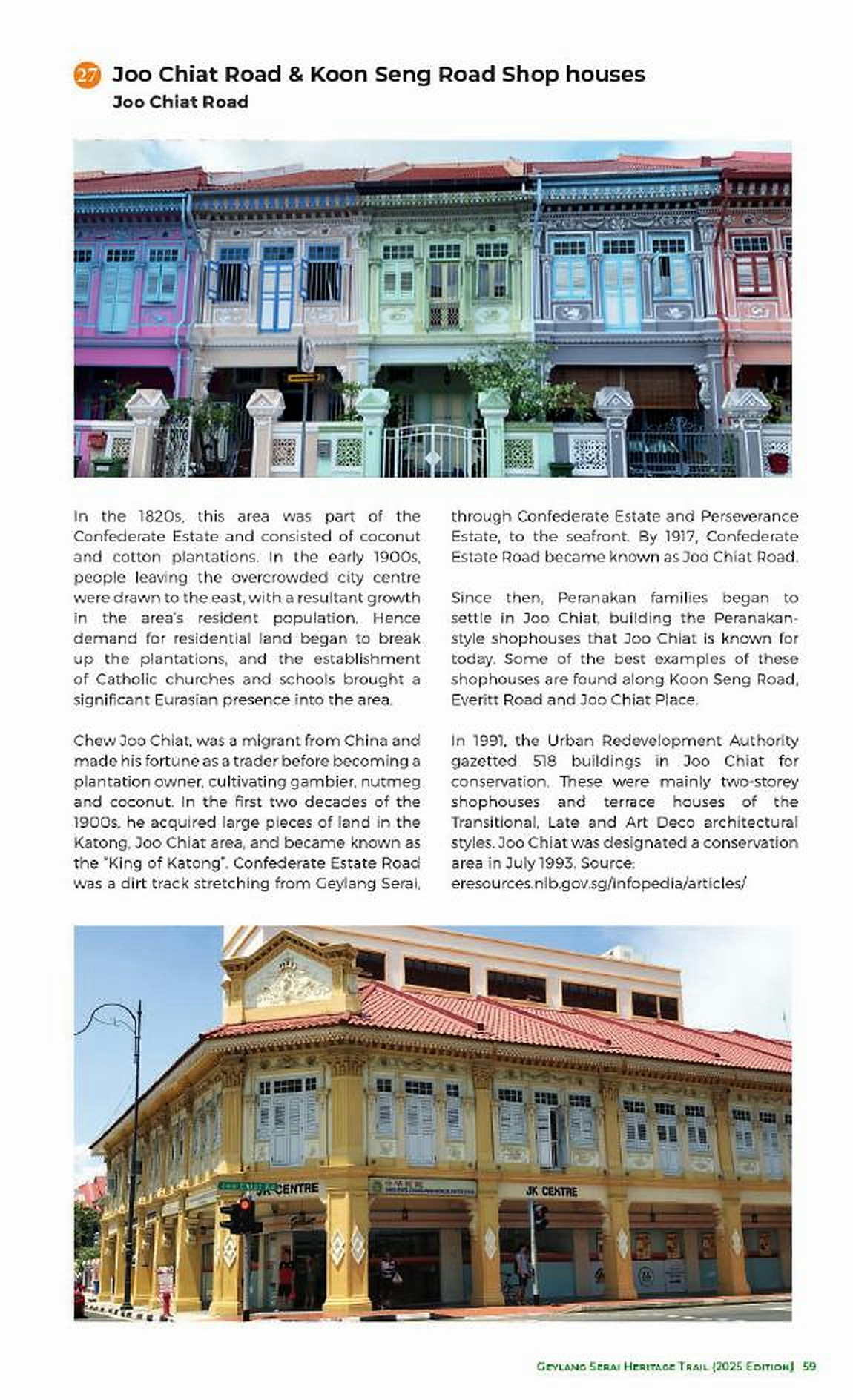
图13.4 Koon Seng Road店屋资料页。保留建筑可提供物质真实性,却须通过历史功能和网络关系判断是核心属性、系列组成部分还是背景节点。 / Figure 13.4. Koon Seng Road shophouses. Conserved fabric offers material authenticity, but historical function and network relations determine whether it is core, serial component or contextual node.
图版来源 / Plate source: 李宏斌,《Geylang Serai Heritage Trail 2025 Edition》,2025;经作者授权收入本书,页内原始馆藏与摄影署名保持不变。 / Li Hongbin, Geylang Serai Heritage Trail 2025 Edition (2025), reproduced with the author’s permission; original archival and photographic credits remain on the plate.
1. UNESCO World Heritage Centre, Operational Guidelines for the Implementation of the World Heritage Convention, Annex 5 and paragraphs on boundaries, buffer zones and serial properties; current online version consulted 2 September 2026.
2. UNESCO World Heritage Centre, “Buffer zones (Guidance)” and glossary entries on buffer zones and boundaries: setting, views and functionally important support areas require protection.
3. Urban Redevelopment Authority, Master Plan, updated 17 June 2026: Singapore’s statutory land-use plan guides development over the medium term of 10–15 years.
4. Urban Redevelopment Authority, “Historic East,” updated 24 June 2026: identity corridor encompassing Geylang Road, Joo Chiat Road, Katong and Siglap-related nodes.
5. Urban Redevelopment Authority, Geylang Conservation Area and Secondary Settlements conservation guidance.
6. National Heritage Board, “Geylang Serai Foot Trail,” Roots: stated trail extent from Lorong 22 Geylang to Geylang Serai and from Sims Avenue to Guillemard Road.
第十四章 谁来保护活态遗产
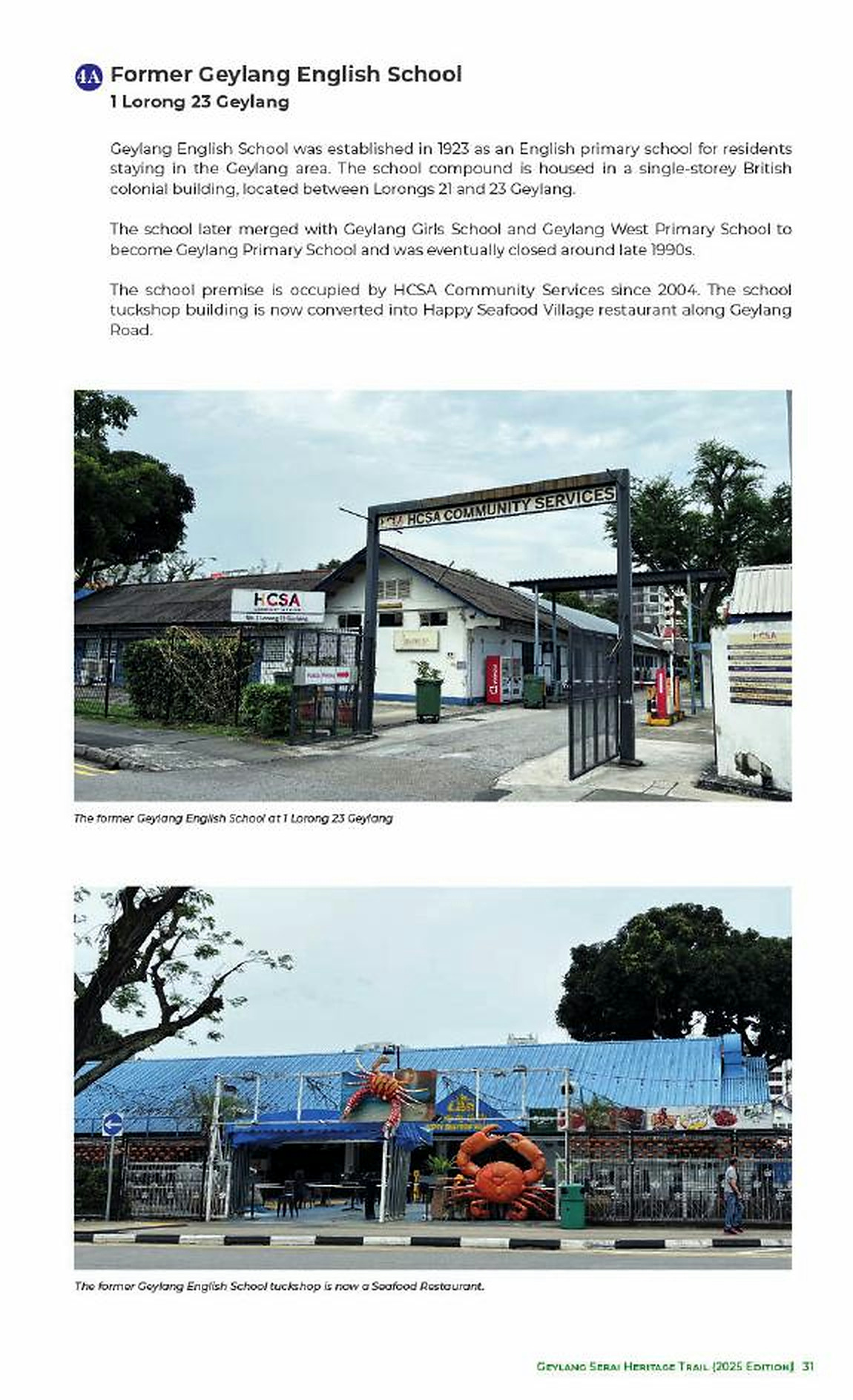
图14.1 Former Geylang English School资料页:学校和后续社区用途说明公共机构既是历史属性,也是知识与社会关系的治理节点。 / Figure 14.1. Former Geylang English School: schools and later community uses are both heritage attributes and governance nodes for knowledge and social relations.
图版来源 / Plate source: 李宏斌,《Geylang Serai Heritage Trail 2025 Edition》,2025;经作者授权收入本书,页内原始馆藏与摄影署名保持不变。 / Li Hongbin, Geylang Serai Heritage Trail 2025 Edition (2025), reproduced with the author’s permission; original archival and photographic credits remain on the plate.
国家规划、社区权利与共同治理
Chapter Fourteen · Who Protects Living Heritage?
State Planning, Community Rights and Shared Governance
活态遗产管理的核心不是活动供给,而是文化再生产能力的权利配置:谁定义、谁使用、谁获益、谁承担成本、谁能纠错。 / Living-heritage management is not the supply of events but the allocation of rights over cultural reproduction: who defines, uses, benefits, bears costs and can correct harm.
一、保护对象不是建筑,而是文化再生产能力 / The Object of Protection Is Cultural Reproduction Capacity
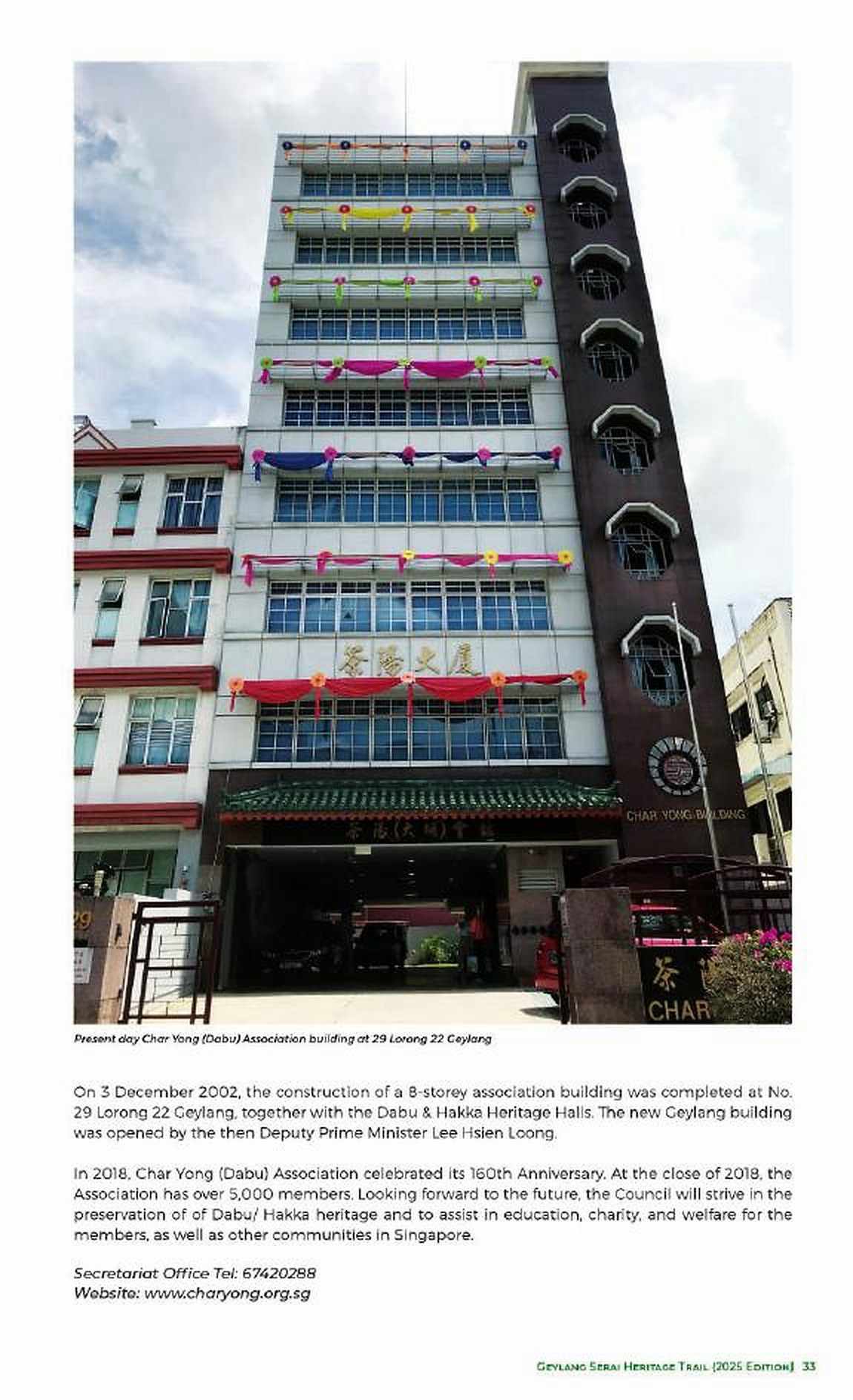
图14.2 Foo Hai Ch’an Monastery相关建筑资料页:宗教及慈善机构的长期组织能力可支持遗产治理,但代表性仍须制度化检验。 / Figure 14.2. A Foo Hai Ch’an-associated institutional building: long-term religious and charitable capacity can support governance, but representation requires institutional tests.
图版来源 / Plate source: 李宏斌,《Geylang Serai Heritage Trail 2025 Edition》,2025;经作者授权收入本书,页内原始馆藏与摄影署名保持不变。 / Li Hongbin, Geylang Serai Heritage Trail 2025 Edition (2025), reproduced with the author’s permission; original archival and photographic credits remain on the plate.
世界遗产管理常被误解为维修建筑、控制高度和举办活动。对芽笼士乃而言,这三项都不足。真正需要保护的是文化再生产能力:居民能否继续定义何为重要,摊贩与传统商户能否把知识传给下一代,宗教与社会机构能否持续提供服务,公共空间是否仍容纳日常交往而非只在节庆期间制造景观。
本章提出“再生产治理”框架。治理成效不以修复项目数量、游客人数或开斋节市集规模衡量,而以五项结果衡量:社区定义权、日常使用权、经济可持续性、代际传承和纠错能力。若建筑保存而这些能力消失,保护只是物质成功与社会失败的并存。
World Heritage management is often reduced to repairing buildings, controlling height and organising events. None is sufficient for Geylang Serai. What requires protection is cultural reproduction capacity: whether residents continue to define significance, traders and heritage businesses can transmit knowledge, religious and social institutions sustain service, and public space supports everyday encounter rather than festival spectacle alone.
This chapter proposes a reproductive-governance framework. Performance is not measured by restoration counts, visitor numbers or the scale of the Hari Raya bazaar, but by five outcomes: community authority to define, rights of everyday use, economic viability, intergenerational transmission and capacity for redress. If buildings survive while these capacities disappear, material success coexists with social failure.
二、国家能力与社区权利不是二选一 / State Capacity and Community Rights Are Not Alternatives
新加坡强大的规划、住房、交通和文物行政能力,是芽笼士乃得以快速改善基础设施并形成公共机构的条件;它也意味着土地、用途和更新决策高度集中。把国家描写成单纯破坏者会忽略卫生、住房和公共服务收益,把国家叙述等同于社区意愿又会遮蔽迁移损失、租户弱势和非正式经济被排除。
有效共同治理不是政府退出,而是把不同权力明确化:国家负责法定保护、规划协调与资源承诺;业主和经营者承担维护与可负担经营责任;居民、摊贩、宗教与社团拥有议程设置、资料核验、项目同意和申诉权。参与若只有咨询而不能改变决定,就不是共同治理。
Singapore’s strong capacity in planning, housing, transport and heritage administration enabled rapid infrastructure improvement and public institutions in Geylang Serai; it also concentrated decisions over land, use and renewal. Portraying the state only as destroyer ignores gains in sanitation, housing and service, while equating state narrative with community preference conceals relocation loss, tenant vulnerability and exclusion of informal economies.
Effective shared governance does not mean state withdrawal. It allocates power: the state provides statutory protection, planning coordination and resources; owners and operators assume maintenance and affordability duties; residents, traders, religious bodies and associations hold rights to set agendas, verify evidence, consent to projects and seek redress. Consultation that cannot alter a decision is not co-governance.
三、从参与阶梯到权利矩阵 / From a Participation Ladder to a Rights Matrix
UNESCO现行治理原则要求有效、包容和公平地让社区、权利持有人和相关利益方参与,管理活动应建立公平治理安排、协作系统及纠错机制。HUL进一步要求公民参与工具覆盖多元群体,使其识别价值、形成愿景、设定目标并同意行动。这比“征求意见”更强。
本章将参与分为五级:告知、咨询、共同设计、共同决定、可否决或申诉。不同事项不必全部达到最高级,但凡涉及居民迁移、宗教使用、摊位可负担性、历史叙述删改和核心公共空间商业化,至少应达到共同决定,并提供独立申诉。否则弱势群体只能贡献故事,不能影响资源。
Current UNESCO governance principles call for effective, inclusive and equitable participation of communities, rights-holders and stakeholders, and for equitable governance arrangements, collaborative systems and redress. HUL further requires civic-engagement tools that enable diverse groups to identify values, develop visions, set goals and agree on actions. This is stronger than soliciting views.
The chapter distinguishes five levels: information, consultation, co-design, co-decision, and veto or redress. Not every matter requires the highest level, but relocation, religious use, stall affordability, alteration of historical narratives and commercialisation of core public space should reach at least co-decision with independent appeal. Otherwise disadvantaged groups contribute stories without influencing resources.
四、市场与传统商业:租金是遗产政策 / Market and Heritage Businesses: Rent Is Heritage Policy
传统商业并不因被授予“遗产商户”称号就能持续。租金、租期、接班、执照、装卸、采购规模和平台抽佣决定商品、价格和经营者能否留下。若老摊贩被品牌化用于吸引客流,却无法承担更新后的成本,遗产政策就在生产自己的反面。
管理计划应建立可核查的商业连续指标:原经营者留存率、家族或学徒接班率、基本商品与清真供应链多样性、租金收入比、小规模摊位占比、居民顾客比例和空置期。补贴不是唯一工具,还可采用长期租约、用途契约、优先续租、分级租金和社区资产持有。关键是把可负担性视为表达OUV的条件,而非一般社会福利附件。
A traditional business does not become sustainable by receiving a heritage label. Rent, tenure, succession, licensing, loading, purchasing scale and platform commissions determine whether products, prices and operators remain. If older traders are branded to attract footfall but cannot afford renewed premises, heritage policy produces its own negation.
The management plan needs verifiable continuity indicators: retention of original operators, family or apprentice succession, diversity of staple goods and halal supply chains, rent-to-income ratio, share of small units, proportion of resident customers and vacancy duration. Subsidy is not the only instrument; long leases, use covenants, renewal priority, graduated rent and community asset holding are alternatives. Affordability must be treated as a condition for expressing OUV, not an unrelated welfare add-on.
五、宗教、学校与社团:治理基础设施 / Religion, Schools and Associations as Governance Infrastructure
宗教机构、学校、会馆和互助组织不仅是被保护的历史对象,也是能够收集记忆、调解冲突、传递语言与仪式、识别脆弱家庭的治理基础设施。它们的长期成员关系往往比一次性公众咨询更接近日常社会结构。
但机构不能自动代表所有社区。董事会、宗教领袖或资深商户可能忽略妇女、青年、租户、新移民和非正式劳动者。共同治理机构必须设置代表席位、利益冲突披露、轮换、公开记录和少数意见机制;口述史和社区资料也须明确知情同意、使用范围和撤回权。
Religious institutions, schools, clan bodies and mutual-aid organisations are not merely historic objects to be protected. They are governance infrastructure capable of collecting memory, mediating conflict, transmitting language and ritual, and identifying vulnerable households. Their long-term memberships may reveal everyday social structure more effectively than one-off consultation.
Institutions do not automatically represent whole communities. Boards, religious leaders and established traders may overlook women, youth, tenants, recent migrants and informal workers. A shared-governance body requires reserved representation, conflict-of-interest disclosure, rotation, public minutes and minority opinions. Oral histories and community data require informed consent, defined uses and rights of withdrawal.
六、节庆治理:从客流绩效转向居民承载力 / Festival Governance: From Footfall to Resident Carrying Capacity
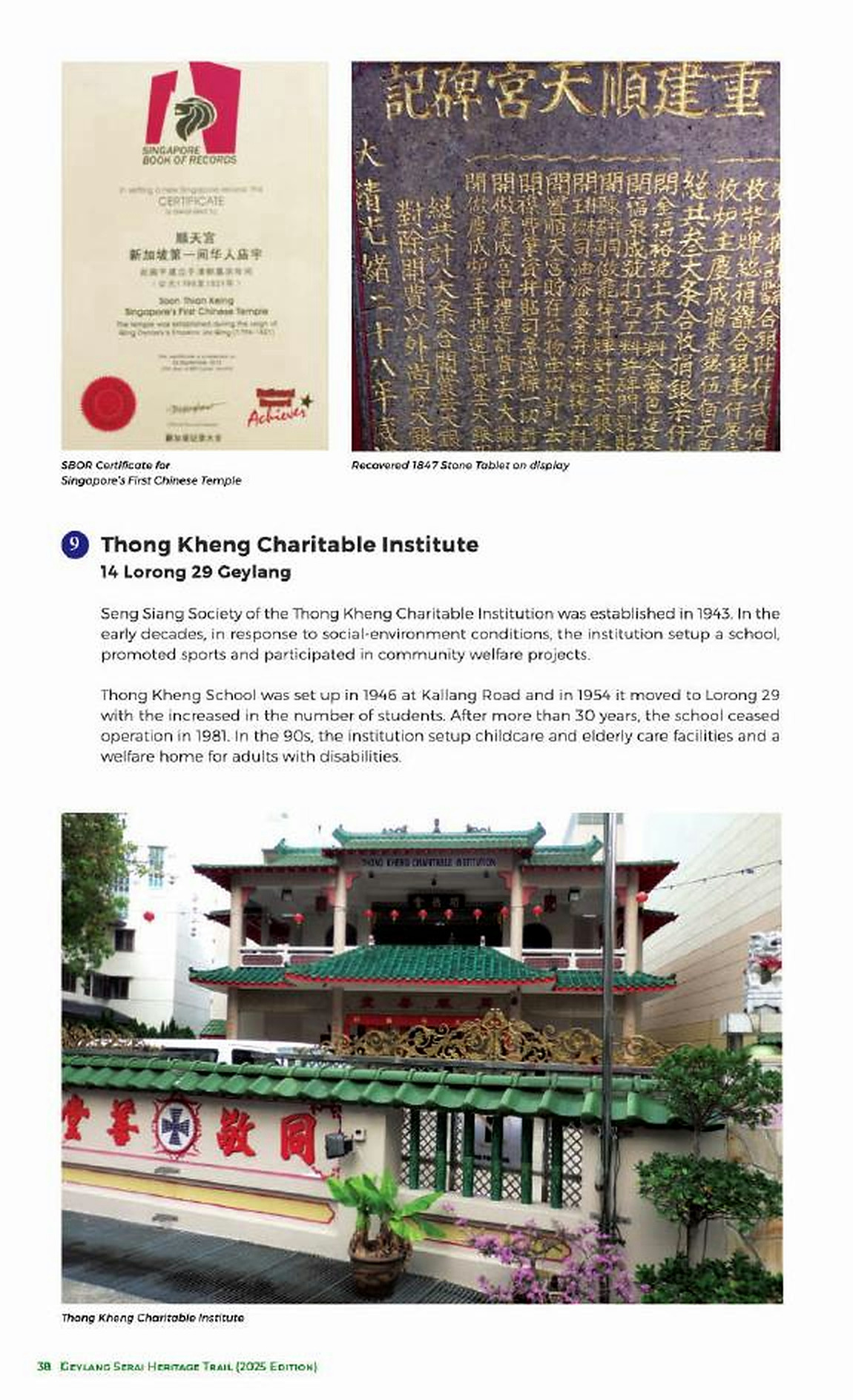
图14.3 Wak Tanjong与Chin Kang相关社团资料页:碑刻、会馆和互助网络展示社区自组织传统,是共同治理的历史基础。 / Figure 14.3. Wak Tanjong and Chin Kang-associated organisations: inscriptions, associations and mutual-aid networks demonstrate traditions of self-organisation.
图版来源 / Plate source: 李宏斌,《Geylang Serai Heritage Trail 2025 Edition》,2025;经作者授权收入本书,页内原始馆藏与摄影署名保持不变。 / Li Hongbin, Geylang Serai Heritage Trail 2025 Edition (2025), reproduced with the author’s permission; original archival and photographic credits remain on the plate.
开斋节市集提升文化可见度、创造收入并连接全岛和区域消费者,但规模扩大也可能带来租金竞标、同质商品、交通拥挤、垃圾、噪声和居民空间被挤占。以客流和摊位数作为唯一成功指标,会奖励最容易侵蚀地方连续性的增长。
本章建议建立“居民承载力预算”:在每次大型活动前公开摊位结构、本地经营者比例、价格、交通和清洁计划;活动后测量居民通行、噪声、废弃物、商户收益分布及日常经营恢复时间。节庆收入的一部分应返还全年社区文化、学徒培训和公共空间维护。节庆由此成为支持日常遗产的周期,而非取代日常生活的例外状态。
The Hari Raya bazaar increases cultural visibility, generates income and connects island-wide and regional consumers. Expansion may also produce rent bidding, standardised goods, congestion, waste, noise and displacement of resident space. Treating footfall and stall count as the only measures of success rewards growth most likely to erode local continuity.
The chapter proposes a resident carrying-capacity budget. Before each major event, stall composition, local-operator share, prices, transport and cleaning plans should be public. Afterwards, management should measure resident access, noise, waste, distribution of trader returns and time required for everyday business to recover. Part of festival revenue should support year-round community culture, apprenticeships and public-space maintenance. Festival then sustains everyday heritage rather than replacing it with an exceptional state.
七、可执行的共同治理架构 / An Enforceable Shared-Governance Architecture
建议设立“芽笼士乃遗产理事会”,但它不能只是咨询委员会。理事会应由政府规划与文物机构、地方管理单位、居民、摊贩、传统商户、宗教和社团、住房居民、青年及独立专家组成;社区与权利持有人席位不得低于一半。重大开发、核心叙述和管理指标修改须公开理由与表决记录。
治理还需要三个独立装置:证据登记册记录每项属性、权利和争议;影响评估在规划许可前检验OUV、可负担性和社会关系;申诉专员受理未被代表群体的投诉并要求答复。年度报告不仅报告活动,还公布指标、分配、利益冲突、失败项目和整改。
A Geylang Serai Heritage Council is proposed, but it cannot be merely advisory. It should include planning and heritage agencies, local management bodies, residents, hawkers, heritage businesses, religious and civic associations, public-housing residents, youth and independent experts; communities and rights-holders should hold at least half the seats. Major development decisions, core narratives and changes to management indicators require public reasons and recorded votes.
Three independent devices are also needed: an evidence register recording each attribute, right and dispute; impact assessment before planning consent testing OUV, affordability and social relations; and an ombudsperson receiving complaints from underrepresented groups and requiring responses. Annual reports must disclose indicators, resource allocation, conflicts of interest, failed projects and corrective action, not simply activities.
八、其他解释与结论 / Alternative Interpretations and Conclusion
其他可能的解释有三种:第一,现有国家机构已经能够有效管理,无需新增权利结构;第二,所谓社区并非统一主体,扩大参与只会造成代表性争夺;第三,市场力量是活态文化更新的必要条件,限制商业化会使街区失去活力。这些解释都部分成立,因此共同治理必须证明它比现状更准确、更公平且不降低执行效率。
若理事会没有预算或决定权,社区席位被少数精英长期占据,租金与迁移数据拒绝公开,申诉不能改变项目,或传统商户留存与居民使用持续下降,则共同治理命题失败。阶段性结论是:芽笼士乃的保护不能依赖冻结建筑或扩大活动,而应建立能够分配权力、监测文化再生产并纠正损害的制度。没有这一层,申遗会把活态社区转化为展示对象。
Three alternative interpretations require testing. First, existing state institutions may already manage effectively without new rights structures. Second, community is not a unified actor, and participation may intensify representational conflict. Third, market forces may be necessary to renew living culture, while commercial restrictions could drain vitality. Each has partial validity; shared governance must show greater accuracy and fairness without sacrificing implementation.
The proposition fails if the council lacks budget or decision power, seats are captured by a small elite, rent and displacement data remain undisclosed, redress cannot alter projects, or heritage-business retention and resident use continue to decline. The provisional finding is that Geylang Serai cannot be protected by freezing buildings or expanding events. It needs institutions that allocate power, monitor cultural reproduction and correct harm. Without them, nomination turns a living community into an object of display.
共同治理权利配置 / Allocation of Rights in Shared Governance
| 事项 / Matter | 政府 / State | 社区与权利持有人 / Communities & rights-holders | 经营者与业主 / Operators & owners | 最低决策层级 / Minimum level |
|---|---|---|---|---|
| OUV与历史叙述 / OUV and narratives | 程序、档案、国际责任 / Process, archives, international duty | 共同定义、核验、异议记录 / Co-define, verify, record dissent | 提供企业档案 / Supply business records | 共同决定 / Co-decision |
| 开发与公共空间 / Development and public space | 规划许可与影响评估 / Consent and impact assessment | 使用权、通行与申诉 / Use, access and redress | 披露成本与影响 / Disclose cost and impact | 共同决定+申诉 / Co-decision + appeal |
| 租金与商业连续 / Rent and business continuity | 政策工具与数据监督 / Instruments and data oversight | 定义基本业态和可负担门槛 / Define essential trades and affordability | 租约、接班、供应链承诺 / Tenure, succession, supply commitments | 共同设计并审计 / Co-design + audit |
| 节庆与旅游 / Festivals and tourism | 安全、许可和公共服务 / Safety, permits, services | 承载力、空间和收益分配 / Carrying capacity, space, benefit sharing | 运营和透明结算 / Operations and transparent settlement | 共同决定 / Co-decision |
| 纠错 / Redress | 执行独立裁决 / Enforce independent findings | 提诉、取证、获得补救 / Complain, evidence, remedy | 回应和整改 / Respond and correct | 独立申诉 / Independent appeal |
结论 / Conclusion
注释与参考文献 / Notes and References
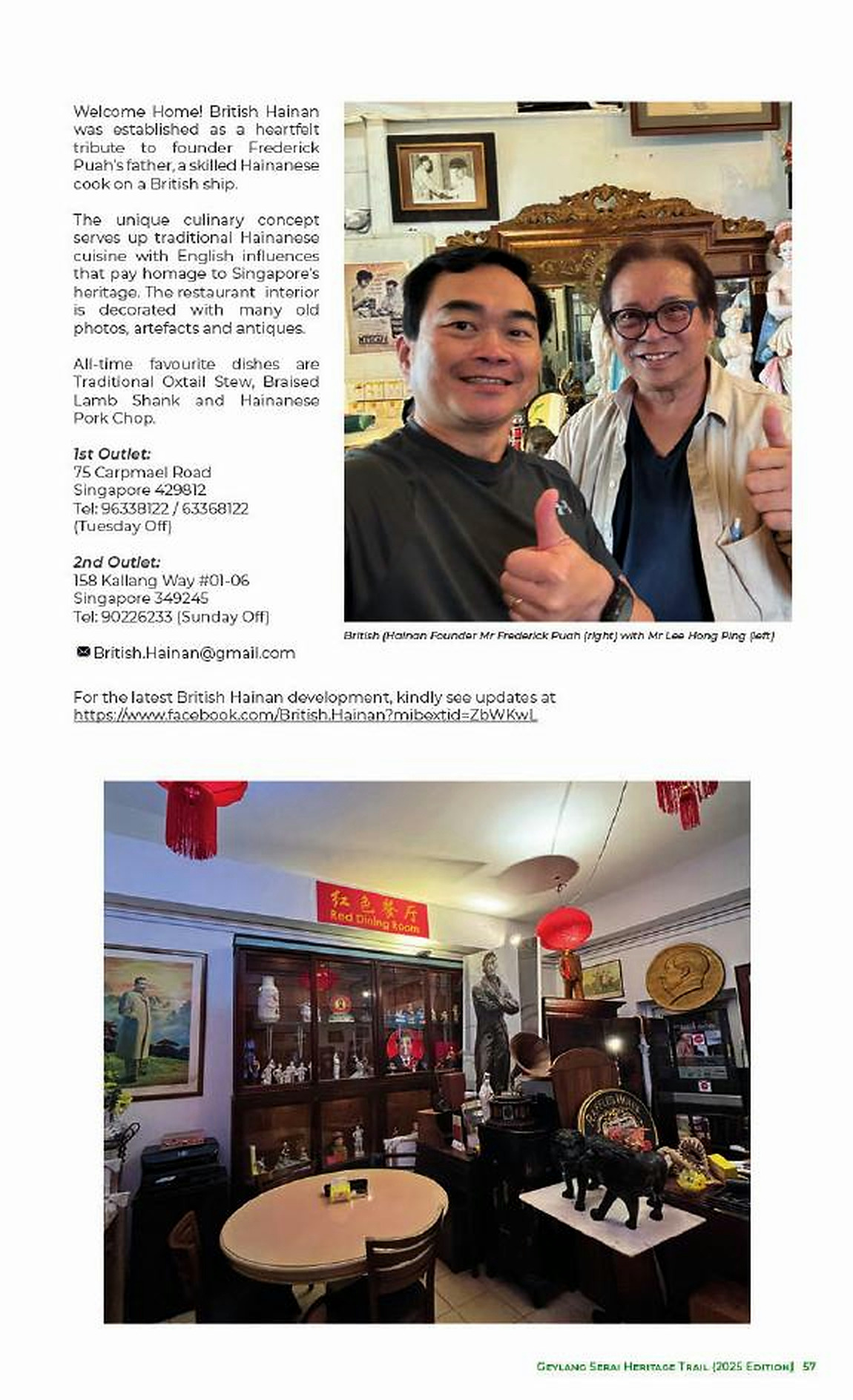
图14.4 传统餐饮与社区商户资料页:遗产商业的真实连续必须由租期、接班、顾客和供应链数据证明,不能只靠品牌故事。 / Figure 14.4. Heritage food and community businesses: continuity requires evidence of tenure, succession, customers and supply chains, not branding alone.
图版来源 / Plate source: 李宏斌,《Geylang Serai Heritage Trail 2025 Edition》,2025;经作者授权收入本书,页内原始馆藏与摄影署名保持不变。 / Li Hongbin, Geylang Serai Heritage Trail 2025 Edition (2025), reproduced with the author’s permission; original archival and photographic credits remain on the plate.
1. UNESCO World Heritage Centre, Operational Guidelines, paragraphs on effective, inclusive and equitable participation and paragraph 117 on collaborative management, rights-holders and redress mechanisms; current online text consulted 2 September 2026.
2. UNESCO, Recommendation on the Historic Urban Landscape (2011), para. 24(a), on civic-engagement tools enabling diverse stakeholders to identify values, develop visions, set goals and agree on safeguarding actions.
3. UNESCO World Heritage Centre, Managing World Heritage (new integrated resource manual, 2026), promoting place-based and people-centred management in social, environmental and economic context.
4. National Heritage Board, Our SG Heritage Plan 2.0, “Heritage x Community,” “Heritage x Industry,” heritage businesses and community grant programmes.
5. Urban Redevelopment Authority, “Co-Creating Our Lovable City,” updated 29 July 2026; and “Historic East,” community engagement undertaken August 2024–May 2025.
7. UNESCO Periodic Reporting Cycle 3 format, management participation scale ranging from no mechanisms to transformative participation in relevant decisions.
第十五章 活态遗产的风险不是一场灾难
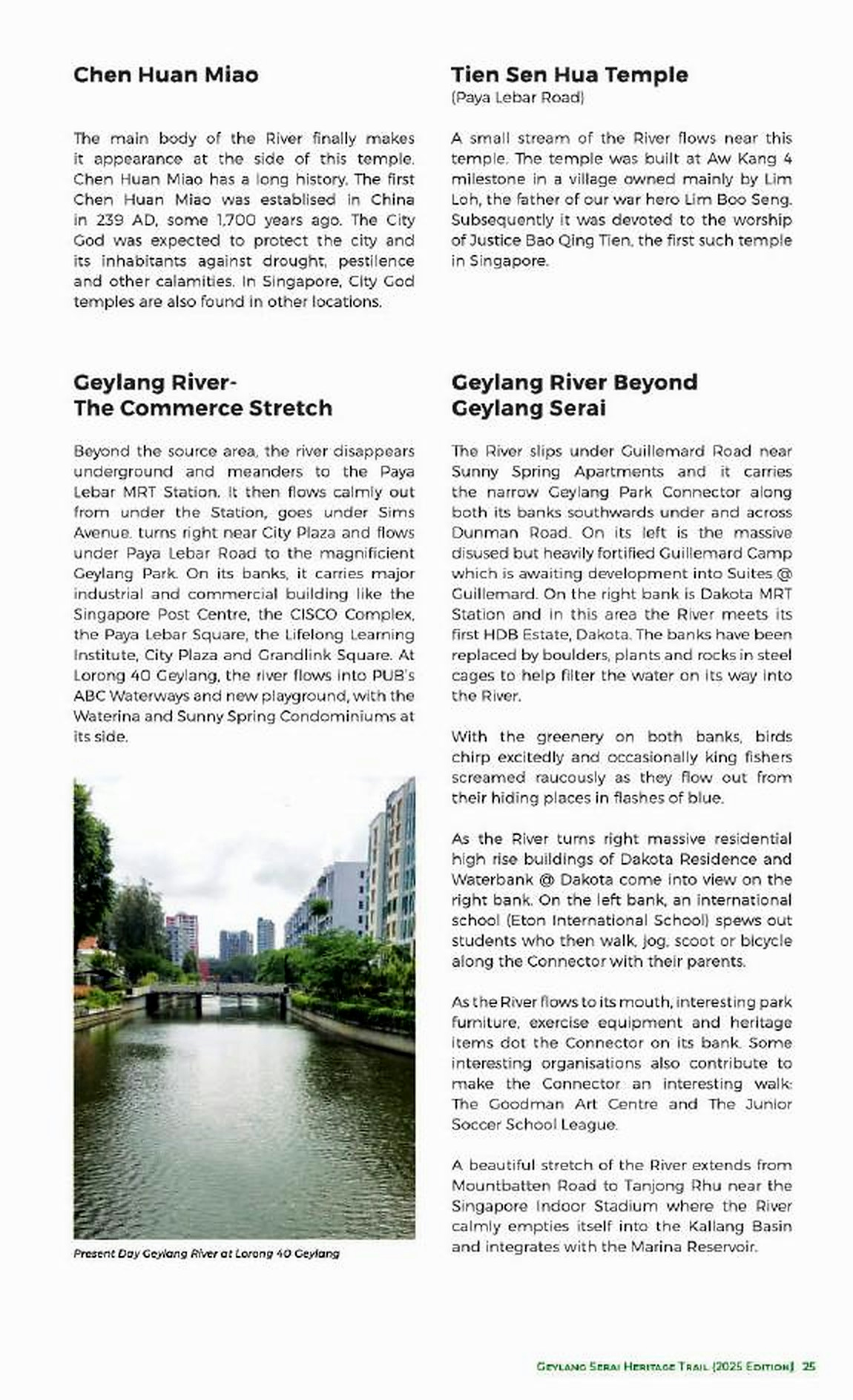
图15.1 芽笼河历史与治理资料页:洪涝治理降低灾害暴露,却也改变水系形态及社会记忆,须进行双重影响评估。 / Figure 15.1. Geylang River history and management: flood control reduces hazard exposure while altering form and social memory, requiring dual impact assessment.
图版来源 / Plate source: 李宏斌,《Geylang Serai Heritage Trail 2025 Edition》,2025;经作者授权收入本书,页内原始馆藏与摄影署名保持不变。 / Li Hongbin, Geylang Serai Heritage Trail 2025 Edition (2025), reproduced with the author’s permission; original archival and photographic credits remain on the plate.
气候、重建、旅游与渐进性流失
Chapter Fifteen · Risk to Living Heritage Is Not a Single
Disaster
Climate, Redevelopment, Tourism and Slow Loss
真正的遗产风险是OUV属性关系穿越临界点后的不可逆断裂;因此渐进性社会损失必须与突发自然灾害进入同一预警系统。 / Heritage risk is the irreversible rupture of OUV relations after a critical threshold; slow social loss must therefore enter the same warning system as sudden hazard.
一、风险不是事件,而是属性关系的断裂 / Risk Is Not an Event but the Rupture of Attribute Relations
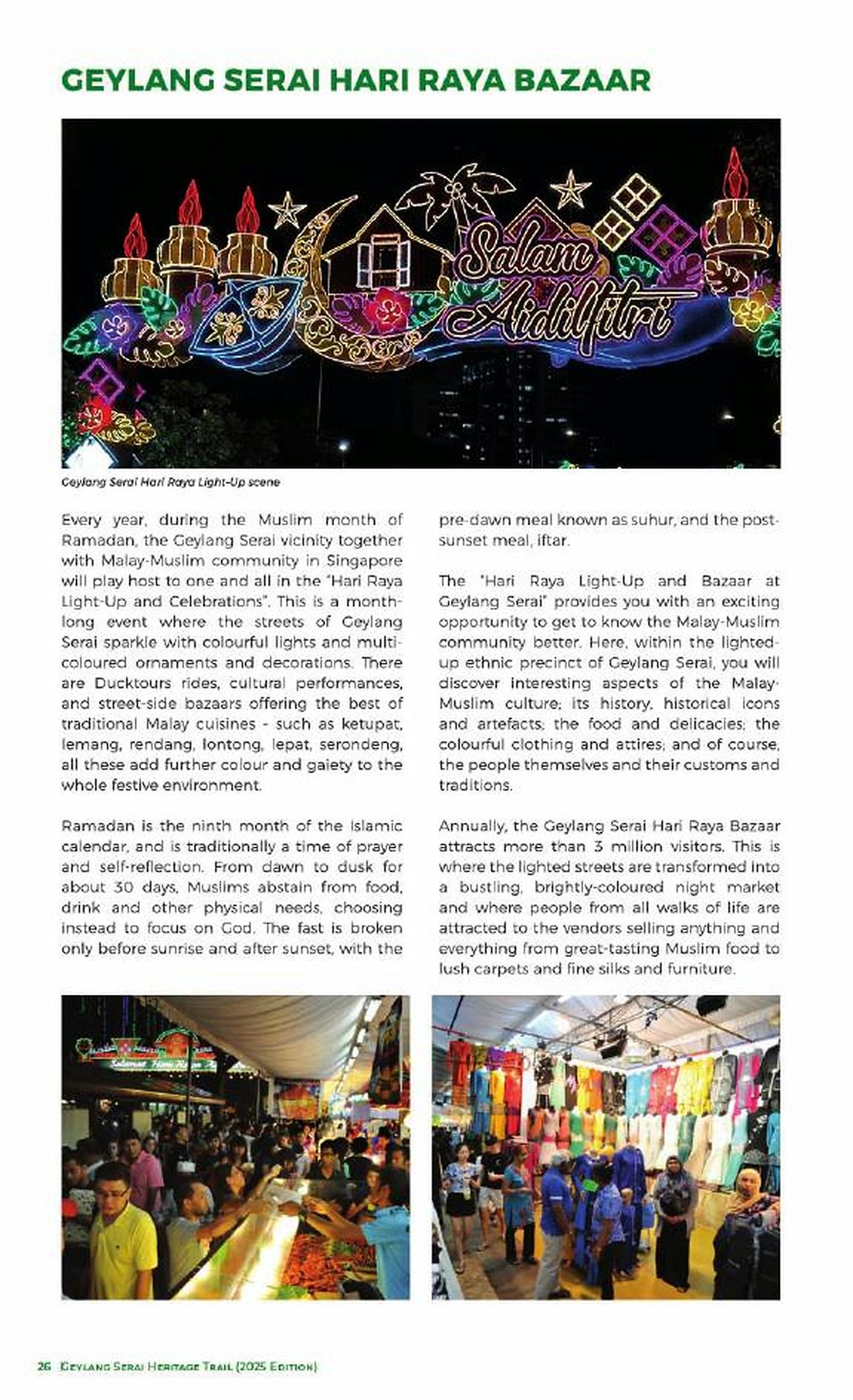
图15.2 Geylang Serai Hari Raya Bazaar资料页:节庆既是文化再生产机制,也可能通过租金、拥堵与商品同质化形成累积风险。 / Figure 15.2. Geylang Serai Hari Raya Bazaar: festival reproduces culture but may create cumulative risk through rent, congestion and standardisation.
图版来源 / Plate source: 李宏斌,《Geylang Serai Heritage Trail 2025 Edition》,2025;经作者授权收入本书,页内原始馆藏与摄影署名保持不变。 / Li Hongbin, Geylang Serai Heritage Trail 2025 Edition (2025), reproduced with the author’s permission; original archival and photographic credits remain on the plate.
遗产风险通常被写成火灾、洪水、地震或战争清单,但芽笼士乃最危险的损失可能没有灾难时刻:摊贩逐年减少、居民顾客被游客替代、租金逼走基本业态、公共空间被活动长期占用、青年不再接班。建筑仍在,价值关系却已断裂。
本章所讨论的风险,不限于洪水、火灾或拆除等突发事件,也包括租金上涨、经营者更替、社区使用减少和机构联系减弱等缓慢变化。监测既要观察建筑是否存在,也要观察人口、功能、空间联系、管理责任与集体记忆是否持续。
Heritage risk is commonly listed as fire, flood, earthquake or conflict. Geylang Serai’s most serious losses may have no disaster moment: traders decline annually, resident customers are replaced by visitors, rent displaces essential trades, events occupy public space, and younger generations cease succession. Buildings remain while value relations break.
This chapter proposes a assessment of connected risks: risk is the loss inflicted on the OUV attribute network when a threat acts on vulnerability and exceeds governance capacity. Monitoring asks not only whether an object survives, but whether population, function, space, governance and memory connections are weakening. Slow loss must be treated alongside sudden disaster because it is less visible to news and annual maintenance reports.
二、洪水、热与水系工程 / Flood, Heat and Water Engineering
PUB资料确认,二十世纪六七十年代低洼的加东与芽笼在暴雨和高潮相遇时曾发生严重洪水;排水、河道改造和Marina Barrage等工程大幅降低风险。水利现代化既保护生命财产,也改变河流形态、生态、旧水路记忆和人与水的接近方式。
未来风险必须同时考虑短时强降雨、海平面、高温与热岛。适应措施若以封闭河道、加高防护或清除遮阴商业为代价,也可能损害遗产属性。所需不是在“安全”与“历史”之间选择,而是把历史水文、当代传感器、树荫、步行热暴露、宗教与市场高峰人流整合进同一适应设计。
PUB confirms that low-lying Katong and Geylang experienced serious flooding in the 1960s and 1970s when intense rainfall coincided with high tides; drainage, river engineering and the Marina Barrage substantially reduced risk. Water modernisation protected life and property while changing river form, ecology, waterway memory and everyday access to water.
Future assessment must combine intense rainfall, sea-level change, extreme heat and urban heat island. Adaptation that closes waterways, raises barriers or removes shaded commerce may itself damage heritage attributes. The choice is not safety versus history. Historical hydrology, contemporary sensors, shade, pedestrian heat exposure and peak flows to markets and worship should enter one adaptation design.
三、更新压力:没有拆除也会失去遗产 / Redevelopment Pressure: Heritage Can Be Lost without Demolition
地块合并、用途转换、后部扩建、交通接驳和商业翻新可以在保留立面的同时改变租金、面积、装卸和居住条件。对活态商业而言,一次施工造成的半年停业、搬迁后的客流断裂或面积标准化,可能比立面变化更致命。
每项开发应进行“关系影响评估”:谁必须搬迁、多久、回迁条件是什么;哪些供应路线和步行关系被切断;租金及债务如何变化;公共空间是否减少;旧客户能否继续到达。把影响评估推迟到设计完成后,只能微调外观,无法保护社会结构。
Parcel amalgamation, change of use, rear extension, transport interchange and commercial refurbishment can preserve façades while altering rent, unit size, loading and residence. For a living trade, six months of closure, loss of customer routes after relocation or standardised premises may be more destructive than façade change.
Every project requires relational impact assessment: who relocates and for how long; what return conditions apply; which supply and pedestrian links break; how rent and debt change; whether public space contracts; and whether former customers can still arrive. Assessment after design completion can adjust appearance but cannot preserve social structure.
四、旅游与节庆:成功可能成为威胁 / Tourism and Festival: Success Can Become a Threat
UNESCO可持续旅游方案要求平衡利益方参与并保护OUV,而不是最大化游客。芽笼士乃的节庆经济有真实文化和收入价值,但短期摊位竞价、同质化商品、交通拥堵和“适合拍照”的空间改造可能排挤全年日常功能。
游客承载力不能只计算每平方米人数,应测量居民通行时间、基本商品价格、当地经营者比例、垃圾与噪声、礼拜路线、摊贩收益分布及活动后恢复天数。若客流上升而居民使用、传统商户和供应多样性下降,旅游管理即告失败。
UNESCO’s Sustainable Tourism Programme seeks balanced stakeholder participation and protection of OUV, not visitor maximisation. Geylang Serai’s festival economy has real cultural and income value, but short-term stall bidding, standardised goods, congestion and photogenic redesign can displace year-round functions.
Carrying capacity cannot be reduced to persons per square metre. It should measure resident travel time, staple prices, local-operator share, waste and noise, worship routes, distribution of trader returns and days required for post-event recovery. If visitor growth coincides with falling resident use, heritage-business retention and supply diversity, tourism management has failed.
五、建筑适应性使用:保存材料还是保存能力 / Adaptive Reuse: Preserving Fabric or Preserving Capacity?
Queen’s Theatre、旧校舍和店屋的再利用说明建筑可以跨越功能变化继续存在。但适应性使用并非天然正确:高收益用途可能支付修复成本,却排除原社区;低强度社区用途可能更符合价值,却缺乏长期资金。
评估应采用双重底线:材料真实性与社会功能均不能降至不可接受水平。允许改变的部分、必须保存的构件、社区可进入时间、租金或票价、地方就业、历史解释责任和退出后的恢复义务应写入用途契约。否则“活化”只是将遗产建筑转化为高价资产。
Adaptive reuse of Queen’s Theatre, former schools and shophouses shows that buildings can survive functional change. Yet reuse is not inherently beneficial: a high-yield use may finance restoration while excluding the former community; a community use may better sustain value but lack durable funding.
Assessment needs a double threshold: neither material authenticity nor social function may fall below an acceptable floor. Use covenants should specify changeable areas, protected fabric, hours of community access, rent or ticket levels, local employment, interpretive duties and reinstatement obligations after exit. Otherwise “revitalisation” simply converts a heritage building into a premium asset.
六、代际与知识风险 / Intergenerational and Knowledge Risk
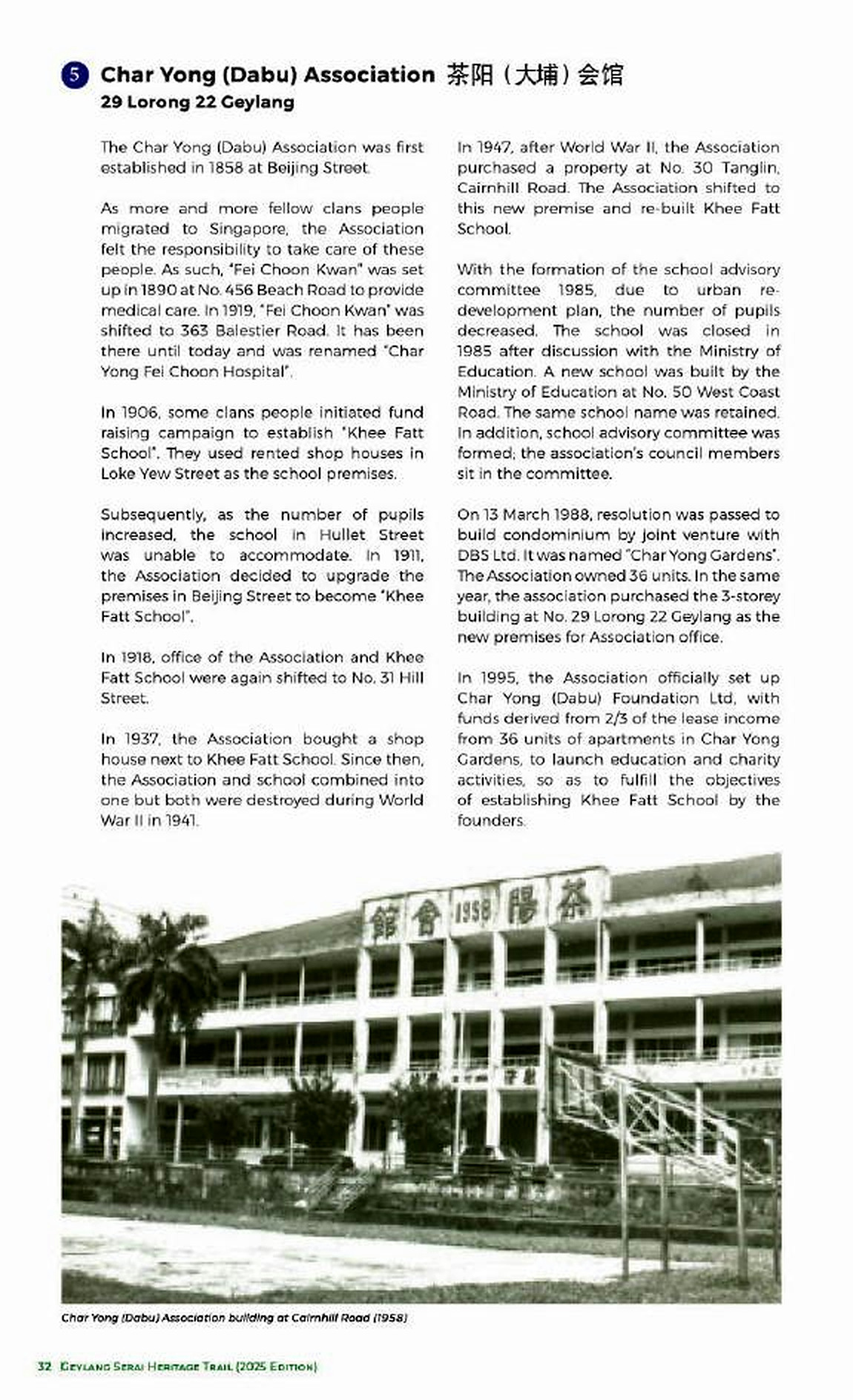
图15.3 旧住房与街区资料页:城市更新改善居住安全,同时可能重组人口、邻接与日常路线;风险评估不能只看建筑状况。 / Figure 15.3. Earlier housing and neighbourhood fabric: renewal improves safety while rearranging population, adjacency and routes; risk cannot be reduced to building condition.
图版来源 / Plate source: 李宏斌,《Geylang Serai Heritage Trail 2025 Edition》,2025;经作者授权收入本书,页内原始馆藏与摄影署名保持不变。 / Li Hongbin, Geylang Serai Heritage Trail 2025 Edition (2025), reproduced with the author’s permission; original archival and photographic credits remain on the plate.
最难恢复的不是建筑,而是无人再会的技能、无人再讲的路线和失去语境的档案。接班失败可能来自收入不足、工作时间、教育选择和青年认为传统行业没有尊严,而非青年“不关心文化”。
管理计划须记录关键知识持有人、接班年龄结构、学徒数量、语言能力、配方和仪式的授权保存状态。数字化只能降低信息丢失,不能替代实践共同体。只有当青年能够在可负担空间内以有尊严收入使用知识,传承才不是展览表演。
The hardest assets to recover are not buildings but skills no one practises, routes no one narrates and archives stripped of context. Succession failure may arise from income, hours, education choices and the perceived dignity of traditional work, not youth indifference to culture.
Management should record key knowledge holders, age structure of successors, apprentice numbers, language competence, and authorised preservation of recipes and rituals. Digitisation reduces information loss but cannot replace a community of practice. Transmission is more than performance when younger people can use knowledge in affordable space for dignified income.
七、动态风险登记册与预警 / A Dynamic Risk Register and Early Warning System
传统风险表每几年更新一次,无法捕捉租金、客流和业态的快速变化。本章建议季度更新的动态登记册,将威胁、暴露、脆弱性、治理能力和OUV后果分别评分,并记录数据来源与不确定性。任何分数上升不能自动触发清拆或限制,而应触发调查、协商和分级行动。
预警阈值应包括:原居民或传统经营者年流失率、租金收入比、空置期、基本业态数量、活动后恢复时间、洪水和热暴露、历史建筑维护积压、社区投诉处理时长及青年接班率。连续两个周期恶化即启动专项评估;涉及不可逆地块变更则在许可前启动。
A conventional risk table updated every few years cannot capture rapid shifts in rent, footfall and business mix. This chapter proposes a quarterly register scoring threat, exposure, vulnerability, governance capacity and OUV consequence separately, with source and uncertainty. A rising score should not automatically trigger demolition or restriction; it triggers investigation, negotiation and proportionate action.
Warning thresholds should cover annual loss of former residents or heritage operators, rent-to-income ratio, vacancy duration, number of essential trades, post-event recovery time, flood and heat exposure, maintenance backlog, complaint resolution time and youth succession. Deterioration over two reporting cycles triggers focused review; irreversible parcel change triggers review before consent.
八、其他解释与结论 / Alternative Interpretations and Conclusion
一种其他可能的解释认为,新加坡基础设施和规划能力足以控制风险,无需世界遗产框架;另一种认为城市更新本身就是芽笼士乃价值,限制变化反而违背真实性;第三种认为旅游与高价值商业能提供保护资金。这些判断都可能成立,但必须以OUV结果而非政策意图检验。
若风险登记册只记录自然灾害、不记录渐进性社会损失;若数据不公开、阈值不触发行动;若适应工程造成的遗产损害不被计入;或游客与地产收益增长同时伴随社区连续下降,则风险治理失败。结论是:韧性不是“灾后恢复原样”,而是冲击和变化中仍能维持不可替代关系,并在接近临界点前纠偏。
One rival explanation holds that Singapore’s infrastructure and planning capacity already control risk without a World Heritage framework. Another argues that urban renewal is itself part of Geylang Serai’s value and that constraining change would violate authenticity. A third expects tourism and high-value commerce to finance protection. Each may be valid, but must be tested by OUV outcomes rather than policy intention.
Risk governance fails if the register records natural hazards but omits slow social loss; if data remain closed or thresholds trigger no action; if adaptation damage is excluded; or if tourism and property revenue rise while community continuity falls. Resilience is not restoration of a frozen past after disaster. It is the capacity to sustain irreplaceable relations through shock and change, with correction before a critical threshold is crossed.
动态风险登记册 / Dynamic Risk Register
| 风险域 / Domain | 预警指标 / Indicator | 临界信号 / Threshold signal | 响应 / Response | 史料基础 / Source basis |
|---|---|---|---|---|
| 气候与水 / Climate & water | 洪水、热暴露、遮阴和中断时长 / Flood, heat, shade, disruption | 频率或恢复时间持续上升 / Rising frequency or recovery time | 适应设计和应急演练 / Adaptation and drills | PUB flood history and public sensors |
| 开发 / Development | 搬迁、停业、租金、路线 / Relocation, closure, rent, routes | 不可逆许可前关系损失 / Relational loss before irreversible consent | 关系影响评估 / Relational impact assessment | URA/HDB project and planning records |
| 旅游节庆 / Tourism & festival | 居民通行、商品价格、当地商户比例 / Access, prices, local share | 客流升而日常使用降 / Footfall rises, everyday use falls | 承载力预算和收益返还 / Capacity budget and benefit return | Event operating records and resident access measures |
| 商业知识 / Trade & knowledge | 留存、接班、学徒、供应多样性 / Retention, succession, apprentices, diversity | 连续两个周期恶化 / Decline for two cycles | 租约、培训、用途契约 / Tenure, training, covenants | Market tenancy and training records |
| 建筑 / Fabric | 维护积压、用途变更、社区进入 / Backlog, use change, access | 材料或社会底线被突破 / Material or social floor crossed | 修复并重设用途条件 / Repair and reset use conditions | URA conservation-area records |
结论 / Conclusion
注释与参考文献 / Notes and References
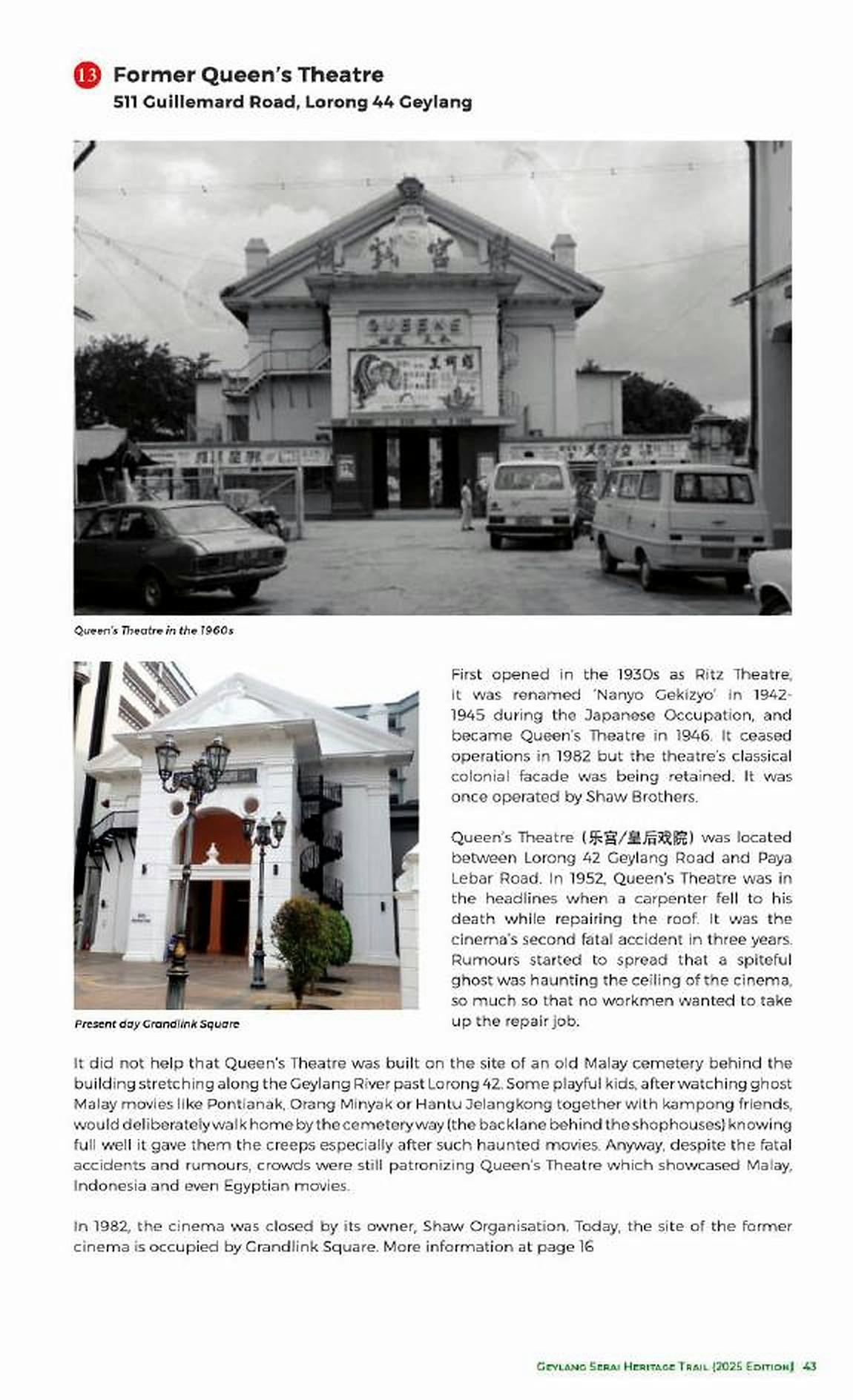
图15.4 Former Queen’s Theatre资料页:适应性使用保存建筑并引入新功能,其成败须同时检验材料真实性、社区进入和经济可持续。 / Figure 15.4. Former Queen’s Theatre: adaptive reuse must be tested against material authenticity, community access and economic sustainability.
图版来源 / Plate source: 李宏斌,《Geylang Serai Heritage Trail 2025 Edition》,2025;经作者授权收入本书,页内原始馆藏与摄影署名保持不变。 / Li Hongbin, Geylang Serai Heritage Trail 2025 Edition (2025), reproduced with the author’s permission; original archival and photographic credits remain on the plate.
1. UNESCO World Heritage Centre, “Climate Change and World Heritage,” on adaptation, disaster risk management, mitigation and the continued conveyance of OUV.
2. UNESCO World Heritage Centre, Managing World Heritage (2026): properties face development pressure, climate change, natural hazards and maintenance challenges.
3. UNESCO World Heritage and Sustainable Tourism Programme and Sustainable Tourism Toolkit, especially visitor behaviour, stakeholder participation and protection of OUV.
4. PUB, “About Floods,” updated 3 March 2026: low-lying Katong and Geylang experienced flooding when heavy rain coincided with high tides in the 1960s and 1970s.
5. PUB, Marina Barrage and Flood Forecasting and Monitoring records, updated 3 March 2026.
6. Urban Redevelopment Authority, Master Plan 2025 resilience themes and conservation/adaptive-reuse guidance.
第十六章 从地方价值到突出普遍价值
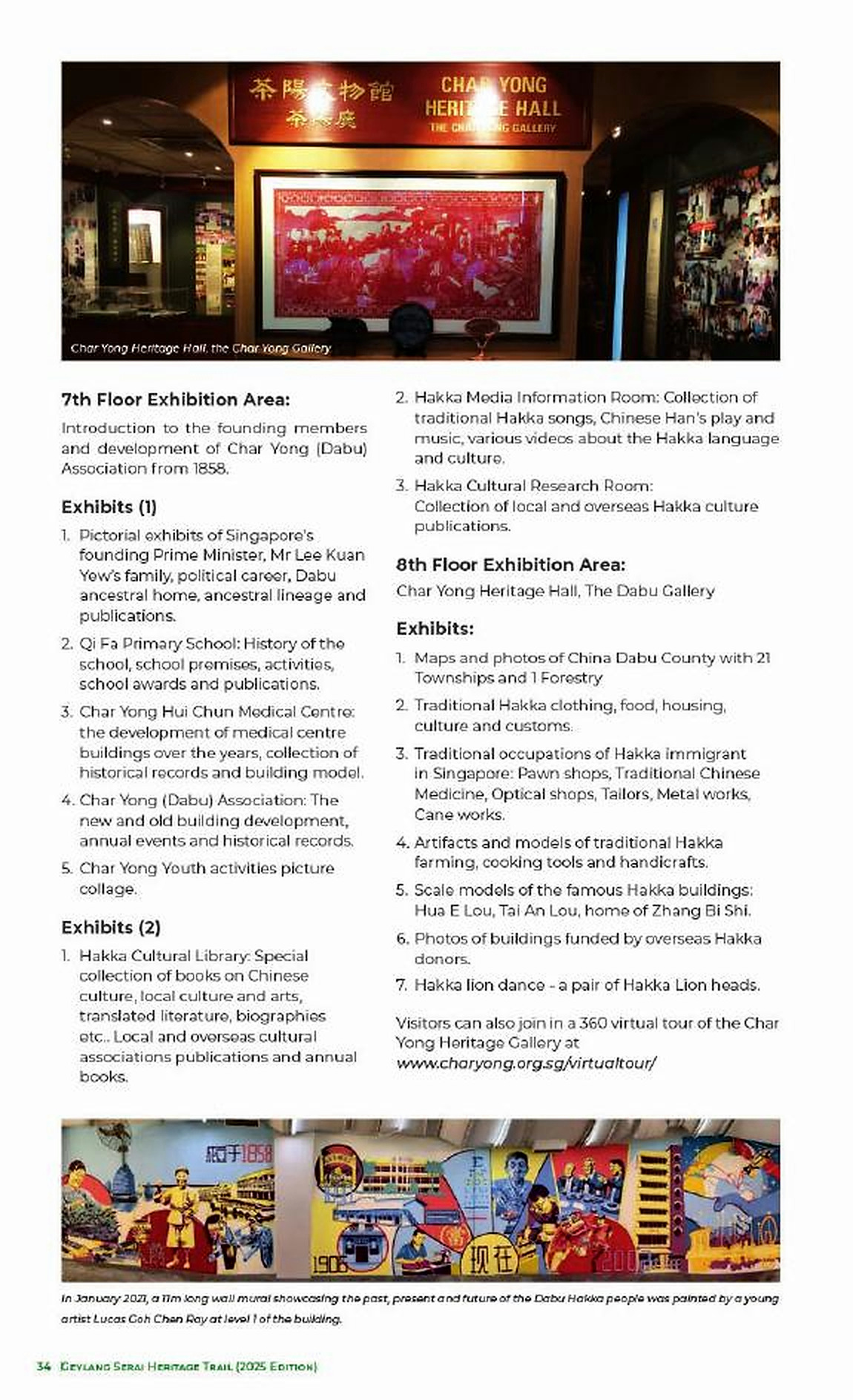
图16.1 Thekchen Choling相关资料页:宗教建筑只有与组织、成员、慈善和跨社区关系相连,才成为标准(ii)/(iii)的属性。 / Figure 16.1. Thekchen Choling-related record: a religious building becomes an attribute only through links to organisation, membership, charity and cross-community relations.
图版来源 / Plate source: 李宏斌,《Geylang Serai Heritage Trail 2025 Edition》,2025;经作者授权收入本书,页内原始馆藏与摄影署名保持不变。 / Li Hongbin, Geylang Serai Heritage Trail 2025 Edition (2025), reproduced with the author’s permission; original archival and photographic credits remain on the plate.
标准(ii)、(iii)、(v)与属性证明
Chapter Sixteen · From Local Significance to Outstanding
Universal Value
Criteria (ii), (iii), (v) and the Proof of Attributes
OUV不是价值形容词,而是一条必须同时通过“全球空白—标准—属性—真实性—完整性—保护管理”的不可替代性证明链。 / OUV is not an adjective of importance but an irreplaceability proof chain across global gap, criteria, attributes, authenticity, integrity and protection-management.
一、突出普遍价值不是地方价值的放大 / OUV Is Not Local Value Enlarged
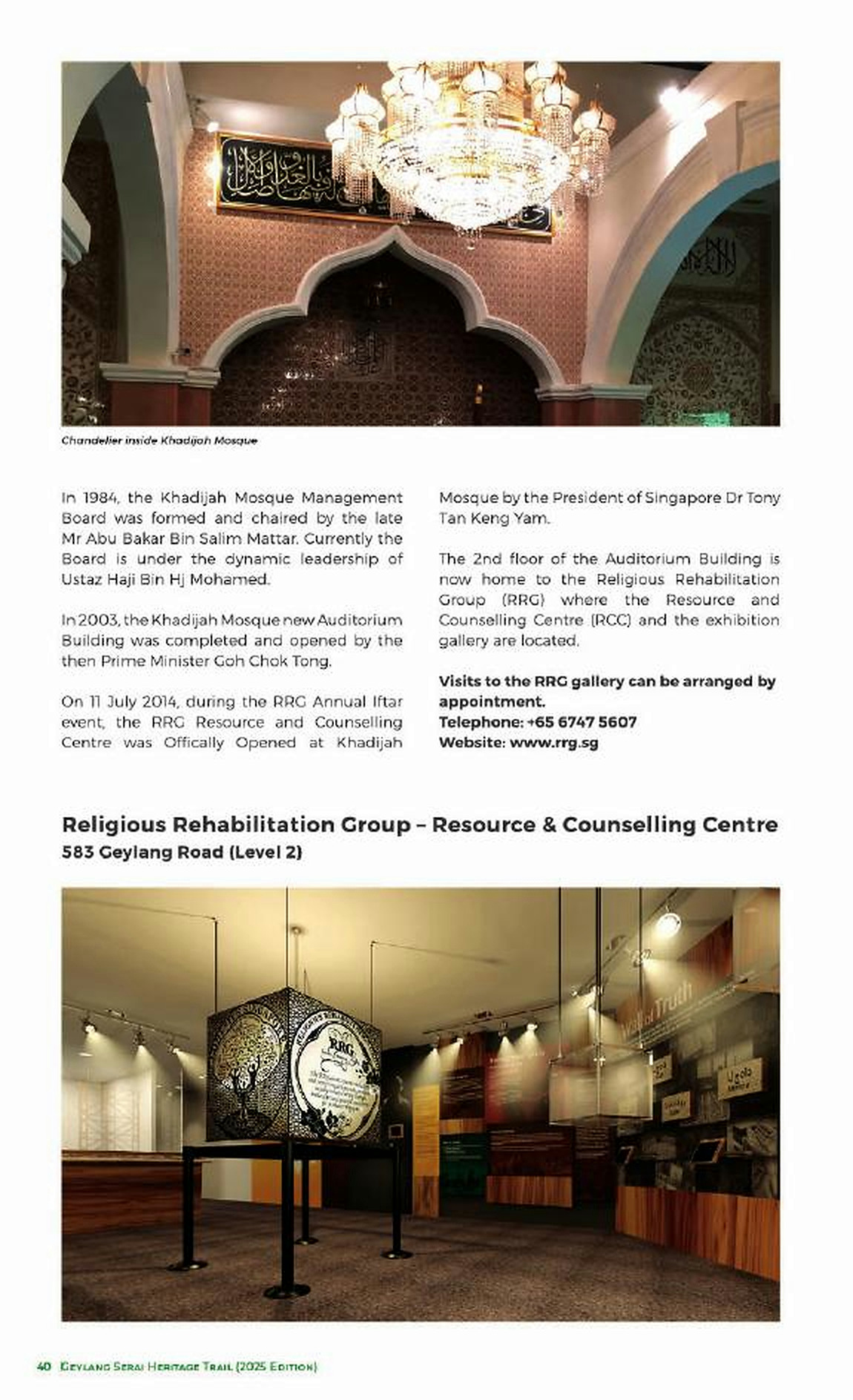
图16.2 宗教空间内部与社区展示资料页:仪式和精神价值须由可信资料、持续使用和具体空间共同表达。 / Figure 16.2. Religious interiors and community interpretation: ritual and spiritual value require credible sources, continuing use and specific space.
图版来源 / Plate source: 李宏斌,《Geylang Serai Heritage Trail 2025 Edition》,2025;经作者授权收入本书,页内原始馆藏与摄影署名保持不变。 / Li Hongbin, Geylang Serai Heritage Trail 2025 Edition (2025), reproduced with the author’s permission; original archival and photographic credits remain on the plate.
地方珍视、国家重要与突出普遍价值是三个不同判断。芽笼士乃对新加坡马来社会、东部居民和国家族群史具有重要意义,并不自动意味着它达到世界遗产门槛。OUV要求其价值超越国界,对全人类具有共同重要性,并由满足标准、真实性、完整性和保护管理要求的具体财产表达。
Local attachment, national significance and Outstanding Universal Value are different judgements. Geylang Serai’s importance to Singapore’s Malay community, eastern residents and national history does not automatically meet the World Heritage threshold. OUV must transcend national boundaries, be of common importance for humanity, and be expressed by a property satisfying criteria, authenticity, integrity, protection and management.
This chapter treats OUV as a testable proposition rather than praise. The proof chain is sequential: identify a historical process not adequately represented globally; select applicable criteria; locate attributes carrying that process; test source credibility and authenticity; test whether the attribute set is complete; and show that boundary, governance and risk mechanisms can sustain value. Failure at any link requires the nomination to be reconsidered or stopped.
二、候选核心命题:重建中的海峡社会连续 / Candidate Core Proposition: Straits-Society Continuity through Reconstruction
第十二章的比较结论排除了最容易但最薄弱的说法:芽笼士乃不能只是“又一个多文化海峡街区”,因为马六甲与乔治市已强力代表港口贸易、多文化建筑和活态传统;也不能只是“新加坡马来文化中心”,因为甘榜格南构成保存更完整的国内比较。
候选命题应收窄为:一个由海峡迁徙、郊缘生产、穆斯林慈善、跨族群商业和殖民土地关系形成的社会,如何在征地、公共住房、市场重建和国家族群治理中,仍以市场—住房—宗教—社团—节庆网络维持公共生活。世界级意义若存在,就在于它解释发展型国家全面重建与文化连续并非简单对立。
Chapter Twelve rejected the easiest but weakest formulations. Geylang Serai cannot be merely “another multicultural Straits district”, because Melaka and George Town already powerfully represent port trade, multicultural architecture and living traditions. Nor is “Singapore’s Malay cultural centre” sufficient, given the materially stronger domestic comparator of Kampong Gelam.
The proposition must be narrower: a society formed through Straits migration, fringe production, Muslim philanthropy, cross-community commerce and colonial land relations maintained public life through a market–housing–religion–association–festival network despite acquisition, public housing, market rebuilding and state ethnic governance. Its possible universal significance lies in showing that comprehensive redevelopment by a developmental state and cultural continuity are not simple opposites.
三、标准(ii):交流必须在空间与制度中留下改变 / Criterion (ii): Interchange Must Transform Space and Institutions
标准(ii)不是“多族群共同生活”的同义语,而要求重要的人类价值交流在建筑、技术、城市规划、景观或相关领域产生可辨影响。候选证明包括:海峡商业与宗教网络如何塑造土地和机构;不同社群的商业、慈善和宗教节点如何形成邻接;公共市场、住房与文化机构如何把这些关系重新编码进现代城市。
支持标准(ii)的属性不是宗教建筑数量,而是跨节点关系:道路、市场供应、wakaf或慈善网络、店屋经营、公共住房分配、共同使用的公共空间及冲突后修复机制。若档案只能证明各社群分别存在,却不能证明相互作用改变了空间或制度,则标准(ii)失败。
Criterion (ii) is not a synonym for multi-ethnic coexistence. It requires important interchange of human values to have discernible effects in architecture, technology, town planning, landscape or related fields. Candidate evidence concerns how Straits commercial and religious networks shaped land and institutions; how commercial, charitable and worship nodes formed adjacency; and how public market, housing and cultural institutions recoded these relations into the modern city.
Attributes are not the number of religious buildings but the relations among nodes: roads, market supply, wakaf or charitable networks, shophouse enterprise, housing allocation, shared public space and post-conflict repair. Criterion (ii) fails if archives prove only the separate presence of communities but not interchange that transformed space or institutions.
四、标准(iii):特殊见证必须有可信载体 / Criterion (iii): Exceptional Testimony Requires Credible Carriers
标准(iii)的候选对象不是抽象“马来文化”,而是现代化和大规模迁移条件下,马来公共生活及其跨族群关系如何持续。市场、清真寺、社会组织、语言、节庆与食物可以共同作证,但无形传统必须由可定位空间、组织谱系、参与者和连续档案支撑。
真实性不等于建筑原料从未改变。UNESCO承认形式、材料、用途、传统、管理、地点、语言、精神等多种属性;但资料必须可信。新建市场可以保持功能真实性,前提是摊贩、供应链、顾客和组织连接可追溯。若连续仅由当代品牌叙事宣称,标准(iii)不能成立。
The candidate testimony under criterion (iii) is not an abstract “Malay culture” but the continuity of Malay public life and cross-community relations under modernisation and mass relocation. Markets, mosques, social organisations, language, festivals and food may testify together, but intangible traditions require locatable space, institutional genealogy, participants and continuous records.
Authenticity does not require unchanged original material. UNESCO recognises form, substance, use, tradition, management, location, language, spirit and other attributes, but sources must be credible. A rebuilt market may retain functional authenticity only if traders, supply chains, customers and organisations are traceable. Criterion (iii) fails where continuity rests on contemporary branding alone.
五、标准(v):最有吸引力,也最容易失败 / Criterion (v): Attractive but Most Vulnerable
标准(v)涉及传统聚落、土地利用或人与环境互动的杰出实例,特别是在不可逆变化下变得脆弱。芽笼士乃曾有河流、种植、甘榜、道路和市场形成的景观链,但甘榜和生产景观大量消失,现存物质属性可能不足。
若历史地图、考古或地块档案、河流关系、道路结构和迁移后的功能节点能够共同表达从郊缘生产地到公共住房中心的转换,标准(v)可被重新理解为适应性城市景观;若只能依靠地名、记忆和复古造型补足消失的土地关系,它必须删除。申报标准不是越多越好,弱标准会削弱整案可信度。
Criterion (v) concerns an outstanding example of traditional settlement, land use or human–environment interaction, especially when vulnerable under irreversible change. Geylang Serai once linked river, cultivation, kampung, road and market, but extensive loss of kampung and productive landscape may leave insufficient material attributes.
If historical maps, archaeology or parcel records, river relations, road structure and relocated functional nodes jointly express transformation from productive fringe to public-housing centre, criterion (v) may be reframed as an adaptive urban landscape. If lost land relations are supplied only by place names, memory and historicist design, the criterion must be removed. More criteria do not strengthen a nomination; a weak criterion reduces credibility.
六、属性不是景点:建立最小证明集合 / Attributes Are Not Attractions: A Minimum Proof Set
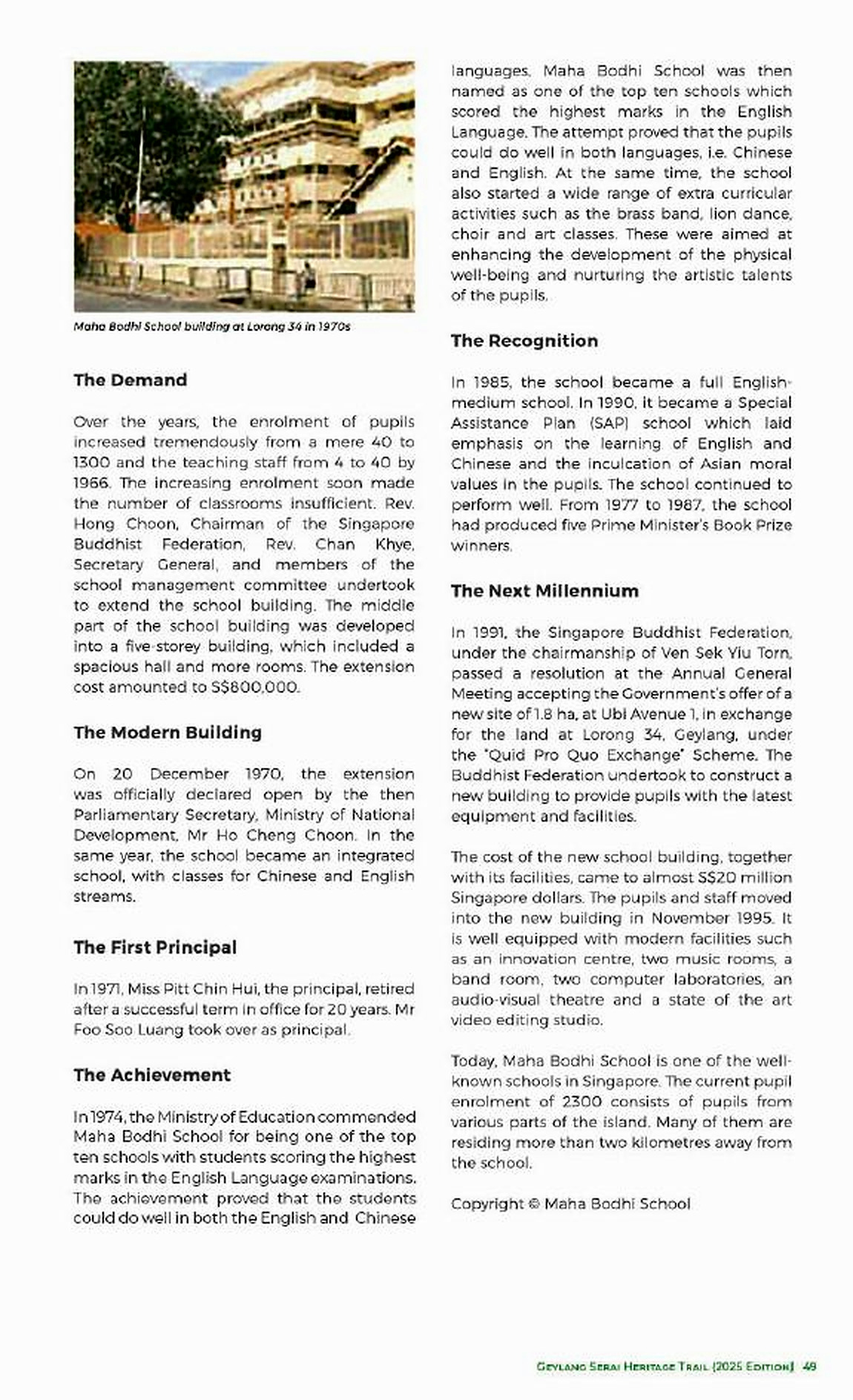
图16.3 Church of Our Lady Queen of Peace资料页:多宗教景观的意义不在建筑并列,而在历史邻接、服务和日常路线。 / Figure 16.3. Church of Our Lady Queen of Peace: plural religious landscape depends on historical adjacency, service and everyday routes, not juxtaposition alone.
图版来源 / Plate source: 李宏斌,《Geylang Serai Heritage Trail 2025 Edition》,2025;经作者授权收入本书,页内原始馆藏与摄影署名保持不变。 / Li Hongbin, Geylang Serai Heritage Trail 2025 Edition (2025), reproduced with the author’s permission; original archival and photographic credits remain on the plate.
OUV必须由属性表达,而属性必须说明载体、范围、现状、证据和价值功能。本章提出最小集合:水系与历史道路表达郊缘形成;市场及供应链表达公共经济;宗教、慈善与社团节点表达社会组织;公共住房与社区机构表达迁移后的制度重组;节庆和日常商业表达周期性文化再生产。
每类至少需要一项高可信原始证据和一项独立交叉证据。图像或建筑只能证明“曾经/现在存在”,不能单独证明机制。若删除某项属性不影响命题,它不是核心属性;若核心机制没有现存或可可信定位的载体,命题就不能通过世界遗产的财产性要求。
OUV is expressed through attributes, each defined by carrier, scope, condition, evidence and value function. The minimum set proposed here comprises water system and historical roads for fringe formation; market and supply chain for public economy; religious, charitable and associational nodes for social organisation; public housing and community institutions for post-relocation restructuring; and festival plus everyday trade for cyclical cultural reproduction.
Each class requires at least one high-credibility primary source and one independent cross-check. An image or building proves existence, not mechanism. If removing an attribute does not affect the proposition, it is not core. If a core mechanism lacks a surviving or credibly locatable carrier, the proposition cannot pass the property-based requirements of World Heritage.
七、候选OUV陈述及重新审议的理由 / Proposed OUV Statement and Grounds for Reconsideration
候选简要综合为:芽笼士乃是海峡东南亚多族群社会在二十世纪发展型国家重建中,通过迁移而非原地冻结维持公共生活的特殊城市见证;其市场、住房、宗教、社团、道路与节庆网络显示文化交换如何被现代规划重组并继续运行。
这不是最终官方陈述。标准(ii)只有在交流机制与空间制度改变被档案证明后保留;标准(iii)只有在迁移前后人口、组织与功能链可追溯后保留;标准(v)只有在足够完整的土地—水系—聚落转换属性仍可读时保留。任何标准均不得以另一标准的证据代替。
Proposed brief synthesis: Geylang Serai is an exceptional urban testimony to how a multicultural Straits Southeast Asian society maintained public life through relocation rather than in-situ freezing during twentieth-century developmental-state reconstruction. Its market, housing, religious, associational, road and festival networks show how cultural interchange was reorganised by modern planning and continued to operate.
This is not a final official statement. Criterion (ii) remains only after archival proof of interchange mechanisms and spatial-institutional change; criterion (iii) only after population, organisation and function chains are traceable across relocation; criterion (v) only if a sufficiently complete land–water–settlement transformation remains legible. Evidence for one criterion cannot substitute for another.
八、其他解释与阶段性结论 / Alternative Interpretations and Provisional Conclusion
其他可能的解释包括:现存芽笼士乃主要是国家建构的文化中心,而非历史连续;其网络可以迁往别处,地点不具不可替代性;跨族群特征是新加坡普遍现象而非特殊见证;马六甲—乔治市和甘榜格南已充分覆盖相关价值。
Alternative interpretations are that present Geylang Serai is primarily a state-constructed cultural centre rather than historical continuity; its networks could relocate elsewhere and the place is replaceable; multiculturalism is common across Singapore rather than exceptional testimony; and Melaka–George Town plus Kampong Gelam already cover the relevant values.
The proposed OUV would fail if historical population and institutional continuities cannot be traced, if tourism replaces market–resident supply, if core attributes lack protection, if a more complete analogue is identified, or if affected communities reject the account. On the evidence assembled here, criterion (ii) is the only credible principal proposition; criterion (iii) is supplementary, while criterion (v) is excluded from the recommended case because the surviving land–water–settlement ensemble is too fragmentary.
OUV论证表 / OUV Argument Table
| 相关标准 / Relevant criterion | 论证要点 / Point to establish | 核心属性 / Core attributes | 限度 / Limitation | 作者判断 / Authors’ assessment |
|---|---|---|---|---|
| (ii) | 交流改变空间与制度 / Interchange transformed space and institutions | 道路、市场、宗教慈善、住房和公共空间关系 / Roads, market, religion-charity, housing, public-space relations | 现存属性是变化后的网络,非原状不变 / Surviving attributes form a transformed network | 主要标准 / Principal criterion |
| (iii) | 迁移中公共文化连续 / Public culture continued through relocation | 摊贩、机构、节庆、语言、服务 / Traders, institutions, festival, language, service | 文化连续不替代物质诚信 / Cultural continuity does not replace material credibility | 补充标准 / Supplementary criterion |
| (v) | 土地—水系—聚落转换仍可读 / Land-water-settlement transformation remains legible | 河流、道路、地块、市场与住房转换 / River, roads, parcels, market-housing transition | 生产景观与甘榜的物质遗存过于碎片化 / Productive landscape and kampung fabric are too fragmentary | 不作为主要申报标准 / Not advanced as a principal criterion |
结论 / Conclusion
The available evidence shows that inscription requires at least one criterion together with authenticity/integrity and protection-management; the OUV statement rests on comparative analysis and identifiable attributes. The candidate global distinction, decomposition of three criteria and minimum attribute set are established. Missing are multilingual primary archives, migration address chains, institutional genealogies, cadastral and archaeological evidence, market supply and affordability series, and community validation. The priority is not further stylistic refinement but item-level examination of the sources; where a gap cannot be closed, the criterion must be removed or nomination stopped.
注释与参考文献 / Notes and References
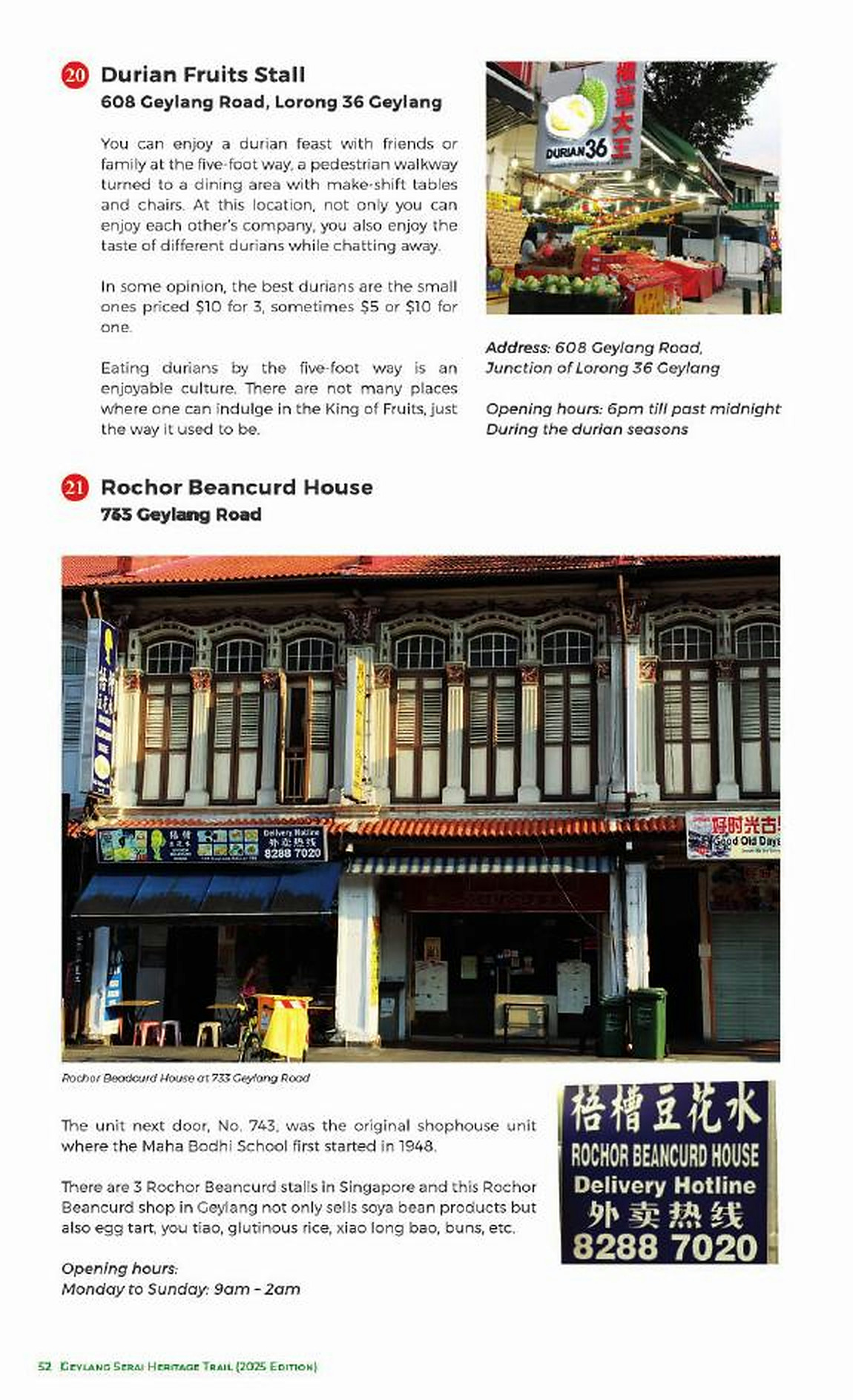
图16.4 传统商铺与街屋资料页:商业属性必须证明经营、顾客、供应和代际知识的连续,而非仅保存立面。 / Figure 16.4. Traditional businesses and shophouses: commercial attributes require continuity of enterprise, customers, supply and knowledge, not façade alone.
图版来源 / Plate source: 李宏斌,《Geylang Serai Heritage Trail 2025 Edition》,2025;经作者授权收入本书,页内原始馆藏与摄影署名保持不变。 / Li Hongbin, Geylang Serai Heritage Trail 2025 Edition (2025), reproduced with the author’s permission; original archival and photographic credits remain on the plate.
1. UNESCO World Heritage Centre, “The Criteria for Selection,” current online text consulted 2 September 2026.
2. UNESCO World Heritage Centre, Operational Guidelines and Annex 5 nomination format: OUV requires criteria, integrity/authenticity, protection and management; the proposed statement includes brief synthesis, criteria, integrity, authenticity and management requirements.
3. UNESCO World Heritage Centre, Preparing World Heritage Nominations and nomination guidance on comparative analysis and attributes.
4. UNESCO, Nara Document on Authenticity (1994); UNESCO glossary on authenticity, including form, materials, use, traditions, management, location, language, spirit and other factors.
5. UNESCO World Heritage Committee, Decision 32 COM 8B.25 and official listing for Melaka and George Town, criteria (ii), (iii), (iv).
第十七章 从学术命题到国家提名
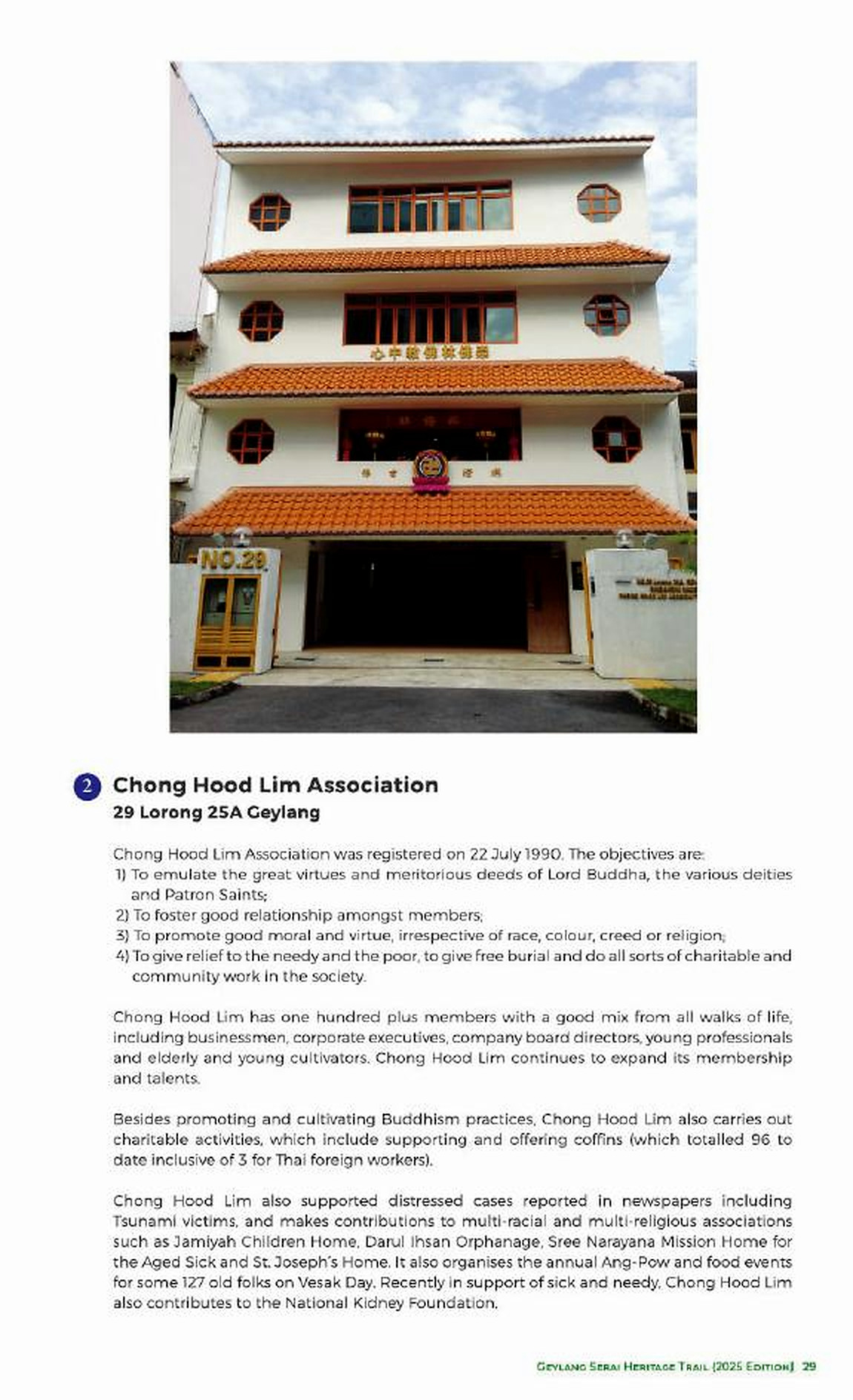
图17.1 崇福林协会资料页:组织成立日期、宗旨、成员构成与慈善活动示范“机构文献”所需字段;单张介绍页仍须以注册、名册、账目和访谈交叉核验。 / Figure 17.1. Chong Hood Lim Association record: founding date, objects, membership and charity illustrate fields needed in an institutional documentation; the guide page still requires cross-checking against registration, rosters, accounts and interviews.
图版来源 / Plate source: 李宏斌,《Geylang Serai Heritage Trail 2025 Edition》,2025;经作者授权收入本书,页内原始馆藏与摄影署名保持不变。 / Li Hongbin, Geylang Serai Heritage Trail 2025 Edition (2025), reproduced with the author’s permission; original archival and photographic credits remain on the plate.
预评估、史料准备与申报路径
Chapter Seventeen · From Scholarly Proposition to State
Nomination
Preliminary Assessment, Historical Preparation and the Nomination
Route
申遗不是长文本,而是国家授权、社区正当性、可保护属性与可核查证据依次通过的史料要求。 / Nomination is not a long text but sequential evidentiary requirements of State authority, community legitimacy, protectable attributes and verifiable proof.
一、从地方倡议到国家提名 / From Civic Initiative to State Nomination
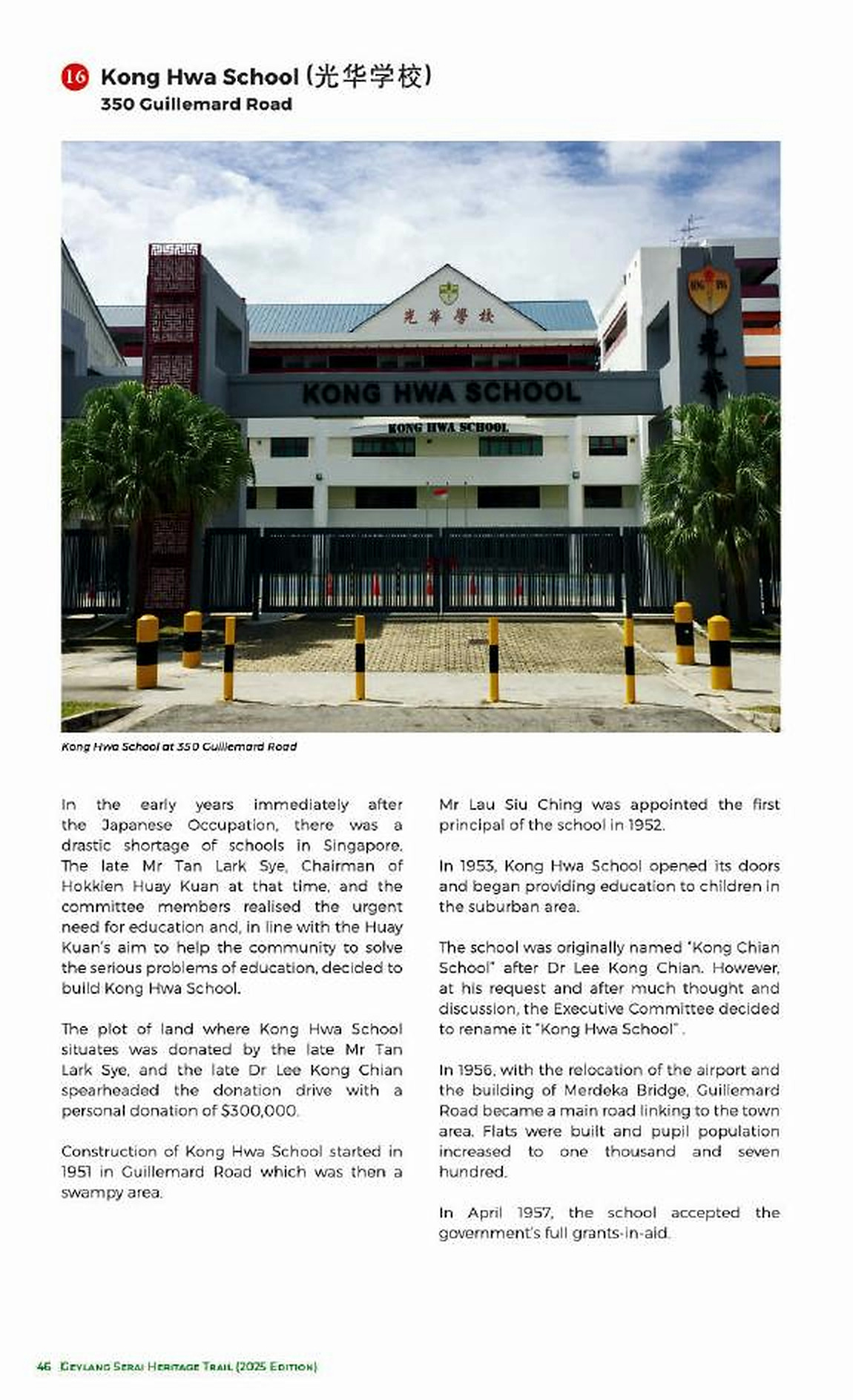
图17.2 光华学校资料页:土地捐赠、建校、迁移与公共资助构成可检验的产权—机构—地址链。 / Figure 17.2. Kong Hwa School record: land donation, construction, relocation and public aid form a testable title–institution–address chain.
图版来源 / Plate source: 李宏斌,《Geylang Serai Heritage Trail 2025 Edition》,2025;经作者授权收入本书,页内原始馆藏与摄影署名保持不变。 / Li Hongbin, Geylang Serai Heritage Trail 2025 Edition (2025), reproduced with the author’s permission; original archival and photographic credits remain on the plate.
本书能够提出候选价值、组织证据并检验论证限度,却不能把芽笼士乃宣布为新加坡的世界遗产候选地。世界遗产提名是《世界遗产公约》缔约国的国家行为:只有新加坡能够决定是否把地点列入预备清单、请求预评估并提交提名。研究团队的权威止于证据与论证;社区拥有同意、异议与共同治理的实质权利;主管机构承担法定保护、规划协调和对外提交责任。
本章认为,世界遗产提名不是一篇不断加长的文本,而是一系列不可跳过的史料要求。学术原创性只能开启程序;国家授权、社区正当性、可保护的属性和可核查证据才可能使项目越过各门。把研究书写成“已经申遗”,会混淆权力、夸大状态,并损害可信度。
This book can formulate candidate values, organise evidence and test limits of the argument; it cannot declare Geylang Serai a Singapore World Heritage candidate. Nomination under the World Heritage Convention is an act of a State Party. Only Singapore can decide whether to place a property on its Tentative List, request Preliminary Assessment and submit a nomination. The research team’s authority ends with evidence and argument; communities hold substantive rights to consent, dissent and shared stewardship; competent authorities carry statutory protection, planning coordination and external submission.
This chapter argues that nomination is not an ever-longer text but a sequence of evidentiary requirements that cannot be skipped. Academic originality may open the process; State authority, community legitimacy, protectable attributes and verifiable evidence alone can carry it across the gates. Calling research “a nomination already under way” confuses authority, inflates status and damages credibility.
二、第一道正式门:预备清单与预评估 / First Formal Gate: Tentative List and Preliminary Assessment
UNESCO现行制度把预评估设为潜在提名的强制桌面审查;自2028年起,委员会只审议完成预评估的提名。申请必须由有关缔约国提出,地点须已列入该国预备清单,材料须建立在预备清单条目之上。咨询机构据提交资料判断地点是否可能证明突出普遍价值,并就真实性、完整性及保护管理提供指导;不进行现场考察。
根据联合国教科文组织现行程序,前期评估在完整提名之前进行,意见在规定期限内有效,但不构成预先批准。对芽笼士乃而言,国家层面的概念文件须概括本书的历史、比较和空间结论,说明其进入暂定名单与前期评估的理由,并如实呈现可能限制提名的完整性与管理问题。
UNESCO’s current system makes Preliminary Assessment a mandatory desk-based review for potential nominations; from 2028 the Committee will examine only nominations that have completed it. The request must come from the State Party concerned, the site must already be on its Tentative List, and the information must build on that entry. Advisory Bodies assess from the submitted record whether the site may demonstrate Outstanding Universal Value and provide guidance on authenticity, integrity, protection and management; no site mission is undertaken.
The report must be obtained at least one year before a full nomination and is normally relevant for five years. It is not advance approval: the State Party decides whether to proceed. This book therefore supplies a documented scholarly concept that Singapore may assess; it does not impersonate a Tentative List entry, Preliminary Assessment request or nomination dossier.
三、公众参与不是背书收集 / Participation Is Not Endorsement Collection
《操作指南》把地方居民参与视为共同承担遗产维护责任的基础。参与不能在论证完成后才以签名、仪式或宣传活动补做。居民、摊贩、宗教机构、社团、业主、租户、规划与交通机构必须能够改变价值叙述、边界、管理目标和旅游承载方案,也必须能够记录反对意见。
因此应建立双语及必要的马来语、华语、泰米尔语参与档案:谁受邀、谁缺席、提出什么异议、文本如何修改、利益冲突如何处理。若社区把提名理解为租金上涨、经营限制或文化表演化的工具,而项目无法提出可信保障,程序应暂停。社区支持不能由国家或研究团队替代推定。
The Operational Guidelines treat participation of local people as a basis for shared responsibility in maintaining a property. It cannot be retrofitted after the argument is complete through signatures, ceremonies or publicity. Residents, hawkers, religious institutions, associations, owners, tenants, and planning and transport agencies must be able to alter the value narrative, boundary, management objectives and tourism capacity plan, and dissent must be recorded.
The project therefore needs a bilingual—and where necessary Malay, Chinese and Tamil—participation archive: who was invited, who was absent, what objections arose, how text changed and how conflicts of interest were handled. If communities understand nomination as an instrument of rent escalation, operating restrictions or staged culture, and credible safeguards cannot be offered, the process must pause. Neither State nor researchers may presume community support.
四、组织论点与可核查史料 / Organising Claims and Verifiable Sources
每项核心主张均附有能够独立核对的资料说明,包括地点、载体、时间、行动者、变化过程与相反材料。原始档案说明事件,地籍与规划文件说明空间,机构名册和账目说明组织沿革,口述史保存经验与沉默,现场调查记录当代状况;二手研究用于定位学术争论。
每项核心主张的资料说明包括来源版本、馆藏号、获取日期、权利状态、翻译责任和不确定性。不同语言的报刊叙述并列呈现,避免以单一声音代替复杂历史。若一个解释仅由同一机构的宣传材料循环支持,正文将缩小其适用范围;若地址链、组织谱系或功能连续被相反资料推翻,相关内容不列入核心属性。
Each central claim is accompanied by documentation that can be checked independently: place, carrier, date, actors, process of change and contrary material. Primary archives establish events; cadastral and planning files establish space; rosters and accounts trace institutions; oral history preserves experience and silence; field survey records present condition. Secondary scholarship locates the debate.
The documentation records source version, archival identifier, access date, rights status, translation responsibility and uncertainty. Newspaper narratives in different languages are set beside one another. An interpretation supported only by circular institutional publicity is stated narrowly; an attribute contradicted by address history, institutional genealogy or functional evidence is excluded from the core inventory.
五、产权、法律与规划必须先于承诺 / Title, Law and Planning before Promises
提名边界内每个地块须有权属、租赁、用途分区、保护工具、维修责任与发展权档案。宗教和社团财产尤其不能因公共价值叙述而掩盖独立法人、信托、wakaf或租赁关系。管理计划若无责任主体、预算、法源和争议解决程序,只是愿望清单。
需要把国家文物保护、保育区、总体规划、建筑管制、道路与基础设施计划逐层叠合,检验核心属性是否真的可长期维持。若关键节点面临不可协调的重建权利,或保护成本会不成比例地转嫁给小商户与居民,就不能以“未来管理计划”遮盖,应先解决制度冲突或缩减边界。
Every parcel within a proposed boundary requires records of title, lease, zoning, protective instrument, maintenance responsibility and development rights. Religious and associational property in particular must not have separate corporate, trust, wakaf or tenancy relations obscured by a public-value narrative. A management plan without responsible bodies, budget, legal authority and dispute procedure is a wish list.
National-monument protection, conservation areas, the Master Plan, building controls, and road and infrastructure proposals must be layered to test whether core attributes can actually be sustained. If essential nodes face irreconcilable redevelopment rights, or protection costs fall disproportionately on small businesses and residents, a promised future plan cannot conceal the conflict; institutions must be resolved or the boundary reduced first.
六、地图不是插图,而是法律—证据接口 / Maps Are Legal-Evidentiary Interfaces
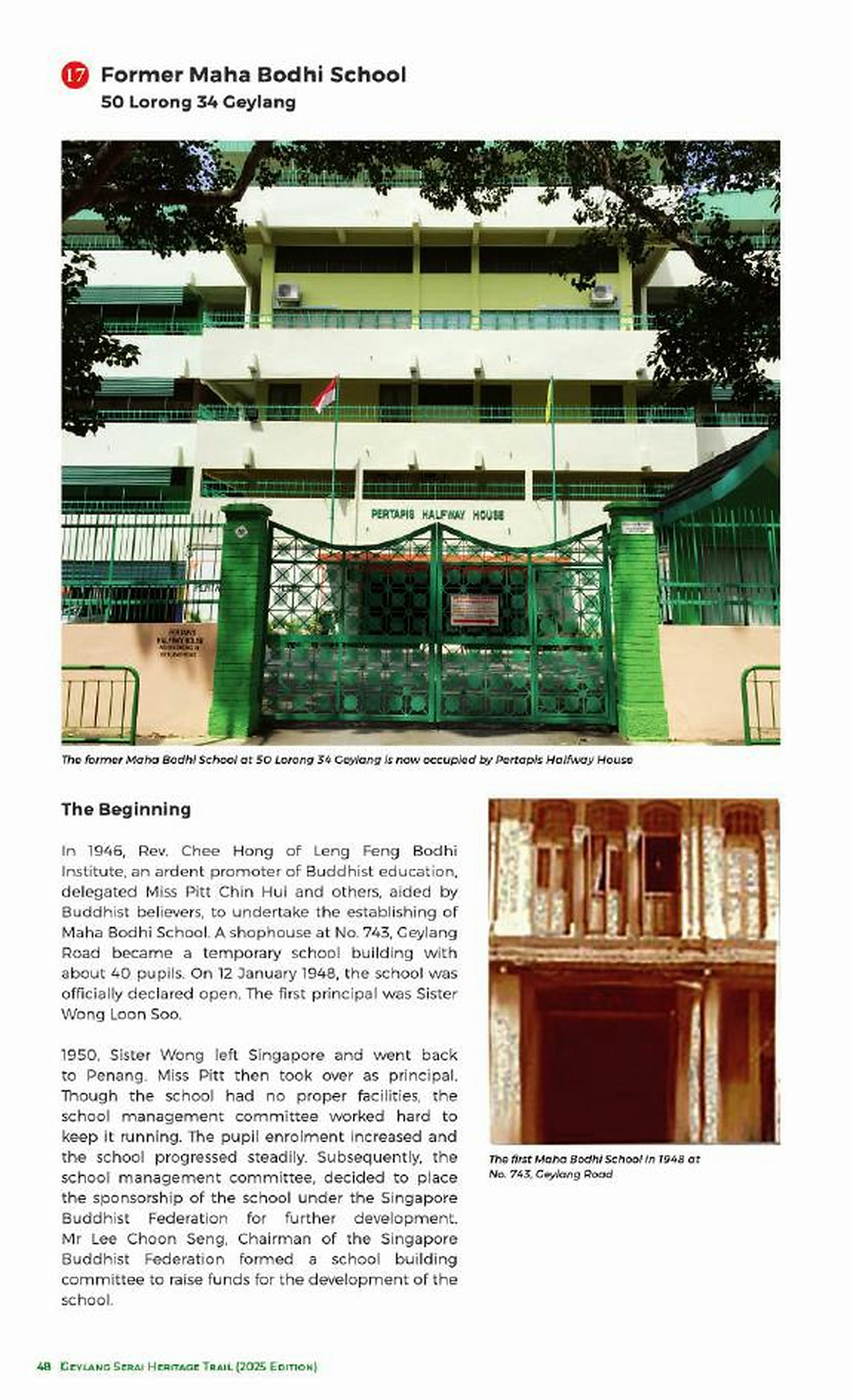
图17.3 旧摩诃菩提学校资料页:同一建筑更换使用者,说明“建筑连续”不能自动等同“机构或功能连续”。 / Figure 17.3. Former Maha Bodhi School record: a building’s changed occupant shows why material continuity cannot automatically prove institutional or functional continuity.
图版来源 / Plate source: 李宏斌,《Geylang Serai Heritage Trail 2025 Edition》,2025;经作者授权收入本书,页内原始馆藏与摄影署名保持不变。 / Li Hongbin, Geylang Serai Heritage Trail 2025 Edition (2025), reproduced with the author’s permission; original archival and photographic credits remain on the plate.
最终地图须把突出普遍价值的属性放在提名区内,把支持性环境放在缓冲区,并把不能纳入但与功能网络相关的节点作为关联资料处理。每个多边形必须链接地块号、现状、照片、权属、保护级别、风险和主张。历史地图须完成坐标配准并公开误差,不能用视觉相似代替空间证明。
系列遗产方案只有在各组成部分共同表达同一价值、每一部分对整体作出必要贡献且网络关系仍可读时成立。若节点只是分散景点,彼此的交通、供应、组织或仪式联系已不可验证,系列策略应被拒绝。边界应由属性决定,而不是为了政治方便或地图美观。
The final map must place attributes expressing OUV inside the nominated property, supporting setting inside the buffer zone, and functionally related but non-includable nodes in associated documentation. Every polygon must link to parcel number, condition, photograph, title, protection level, risk and claim. Historical maps require georeferencing with disclosed error; visual resemblance is not spatial proof.
A serial-property strategy is valid only if components jointly express one value, each makes a necessary contribution, and network relations remain legible. If nodes are merely scattered attractions whose transport, supply, organisational or ritual connections cannot be verified, the serial strategy must be rejected. Attributes determine boundaries, not political convenience or graphic elegance.
七、国家提名之后仍是检验,不是确认 / Nomination Opens Evaluation; It Does Not Confirm Value
完整提名须通过秘书处完整性检查,文化遗产再由ICOMOS独立评估,包括案头研究、专家审查、现场任务及与缔约国的程序性对话,最后由世界遗产委员会决定列入、暂缓、退回或不列入。咨询机构与委员会不受本书结论约束。
项目团队必须保存主张—证据—图版—译文的版本链,使任何数字、引文和边界改变可追踪;同时预设回应而不是操控评估。最危险的做法是把不利材料留到评估阶段才暴露。警方档案、征地影响、社区异议、完整性损失和旅游压力都应在提交前进入不同解释卷。
A full nomination first undergoes the Secretariat’s completeness check. A cultural property is then independently evaluated by ICOMOS through desk review, expert assessment, a field mission and procedural dialogue with the State Party, before the World Heritage Committee decides to inscribe, defer, refer or not inscribe. Neither Advisory Bodies nor Committee are bound by this book.
The project must preserve a version chain connecting claims, evidence, plates and translations so every number, quotation and boundary change is traceable; it should prepare to respond, not to control evaluation. The most dangerous practice is allowing adverse evidence to surface only during evaluation. Police files, acquisition impacts, community dissent, integrity loss and tourism pressure belong in a counter-evidence volume before submission.
八、分阶段实施与审查 / Staged Implementation and Review
第一阶段形成候选概念、属性清单、全球比较和社区问题表;第二阶段由新加坡主管机构决定是否开展国内评估并列入预备清单;第三阶段在国家授权下完成预评估申请;第四阶段才投入完整提名、管理计划、法定保护与地图;第五阶段进入完整性审查和ICOMOS评估。
任何阶段出现以下情形即应停止或退回:全球比较无法显示不可替代性;核心属性已消失或不在可保护边界;社区反对且保障无效;产权与发展冲突不可协调;关键连续性只靠当代叙事;系列节点关系不可读;国家主管机构不采纳项目。当前判定是“具备提交国内候选预评估材料的研究基础”,不是“已获国家或UNESCO接受”。诚实保留退出路径,才是把芽笼士乃带向世界遗产程序的最短路线。
Stage one produces a candidate concept, attribute inventory, global comparison and community-question register. Stage two asks Singapore’s competent authorities whether to undertake domestic assessment and Tentative Listing. Stage three, under State authority, prepares a Preliminary Assessment request. Only stage four invests in the full dossier, management plan, statutory protection and maps; stage five enters completeness review and ICOMOS evaluation.
The process must stop or return when global comparison cannot show irreplaceability; core attributes have disappeared or fall outside a protectable boundary; community opposition remains without effective safeguards; title and development conflicts cannot be reconciled; continuity rests on contemporary narrative alone; serial links are illegible; or competent State authorities do not adopt the project. The present determination is “a research basis for domestic candidate assessment,” not “accepted by Singapore or UNESCO.” An honest exit route is the shortest credible route toward the World Heritage process.
申报程序与责任 / Nomination Process and Responsibilities
| 阶段 / Stage | 阶段重点 / Principal task | 主责 / Lead | 程序要求 / Procedural requirement | 主要决定 / Principal decision |
|---|---|---|---|---|
| 学术论证 / Scholarly case | 价值阐释、遗产要素与比较研究 / Proposition, attributes and comparative analysis | 研究团队+社区 / Research team + communities | 可由他人独立核对 / Verifiable and open to disproof | 国际比较是否显示独特性 / Whether comparison demonstrates distinctiveness |
| 国内评估 / Domestic assessment | 候选概念、公众记录、机构意见 / Concept, participation record, agency views | 新加坡主管机构 / Singapore competent authorities | 决定是否列入预备清单 / Decision on Tentative Listing | 是否进入国家预备清单程序 / Whether to enter the national Tentative List process |
| 预评估 / Preliminary Assessment | Annex 3请求及证据附件 / Annex 3 request and evidence | 缔约国 / State Party | 咨询机构认为可能证明OUV / Possible OUV indicated | 是否具备准备完整提名的基础 / Whether there is a basis for a full nomination |
| 完整提名 / Full nomination | 提名卷、管理、法律、地图、参与 / Dossier, management, law, maps, participation | 缔约国+管理伙伴 / State Party + management partners | 完整性检查 / Completeness check | 提名文件是否通过完整性检查 / Whether the dossier passes the completeness check |
| 独立评估 / Evaluation | ICOMOS审查、任务、补充资料 / ICOMOS review, mission, information | ICOMOS/委员会 / ICOMOS / Committee | 列入、退回、暂缓或不列入 / Inscribe, refer, defer or not inscribe | 世界遗产委员会的决定 / Decision of the World Heritage Committee |
结论 / Conclusion
The available evidence shows that Preliminary Assessment is the mandatory desk-based first phase of formal nomination; it is requested by the State Party, concerns a property on its Tentative List, precedes a full nomination by at least one year, and is not advance approval. Responsibility has been separated across research, domestic decision, Preliminary Assessment, full nomination and international evaluation. Unverified are whether Singapore will initiate domestic candidate assessment, whether communities provide informed support, whether title and protection within the boundary suffice, and whether primary records close critical institutional genealogies.
注释与参考文献 / Notes and References
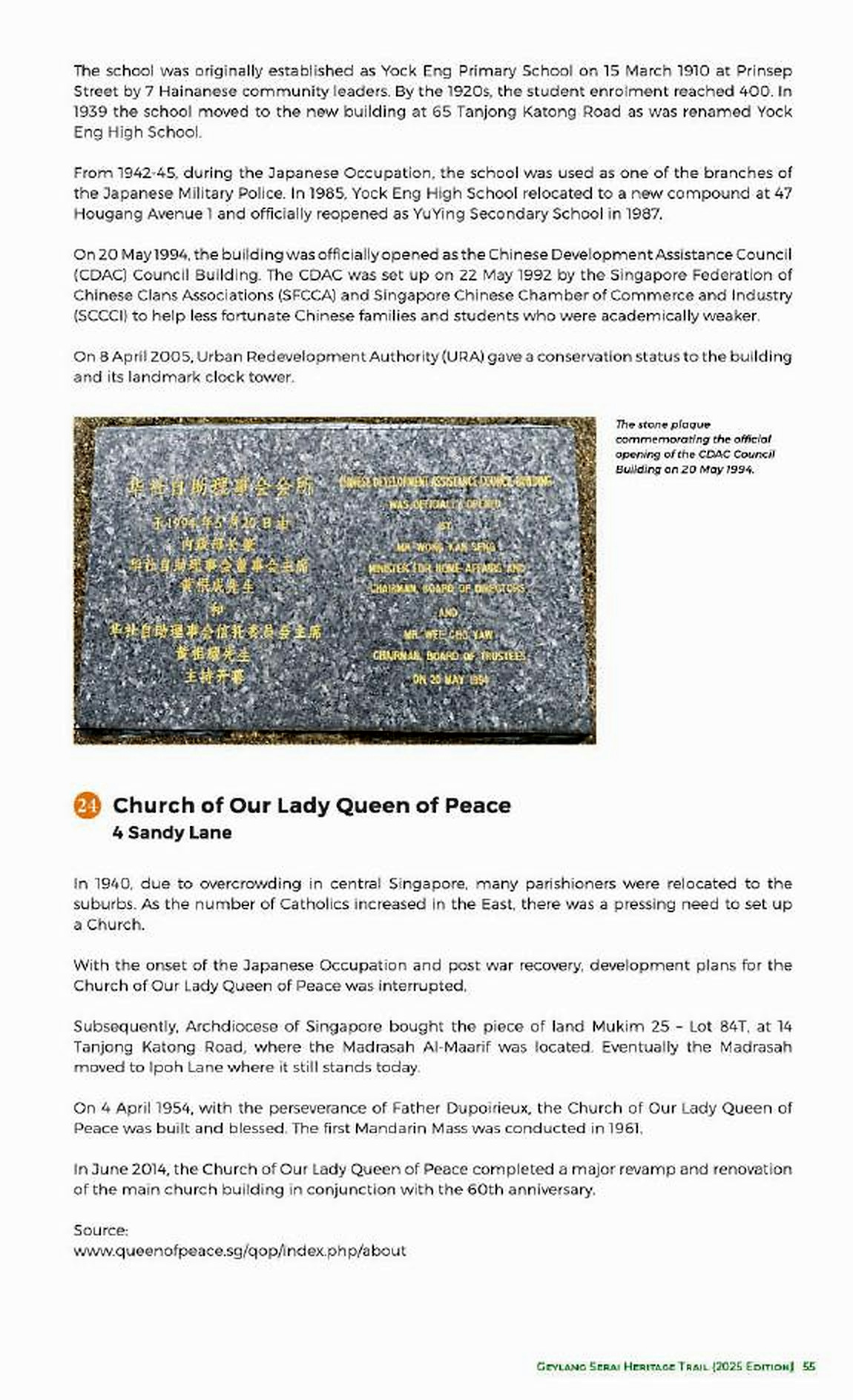
图17.4 中华发展援助理事会碑牌及和平之后圣母堂资料页:碑铭、开幕记录、地块沿革与宗教机构史可相互校核,但权属和用途变化仍须查原件。 / Figure 17.4. CDAC plaque and Church of Our Lady Queen of Peace record: inscription, opening record, parcel history and institutional narrative can be cross-checked, while title and use changes still require primary files.
图版来源 / Plate source: 李宏斌,《Geylang Serai Heritage Trail 2025 Edition》,2025;经作者授权收入本书,页内原始馆藏与摄影署名保持不变。 / Li Hongbin, Geylang Serai Heritage Trail 2025 Edition (2025), reproduced with the author’s permission; original archival and photographic credits remain on the plate.
1. UNESCO World Heritage Centre, Operational Guidelines, para. 122 and related provisions on Preliminary Assessment, consulted 2 September 2026.
2. UNESCO World Heritage Centre, “World Heritage List Nominations,” current process overview, consulted 2 September 2026.
3. UNESCO World Heritage Centre, Annex 3, Request Format for a Preliminary Assessment of a Potential Nomination.
4. UNESCO World Heritage Centre, Tentative Lists: inventory of properties a State Party intends to consider for nomination.
5. UNESCO World Heritage Centre, Operational Guidelines, para. 123, participation of local people and stakeholders.
6. National Heritage Board, “Singapore Botanic Gardens,” explanation that a State Party first submits a Tentative List.
第十八章 保护不是冻结
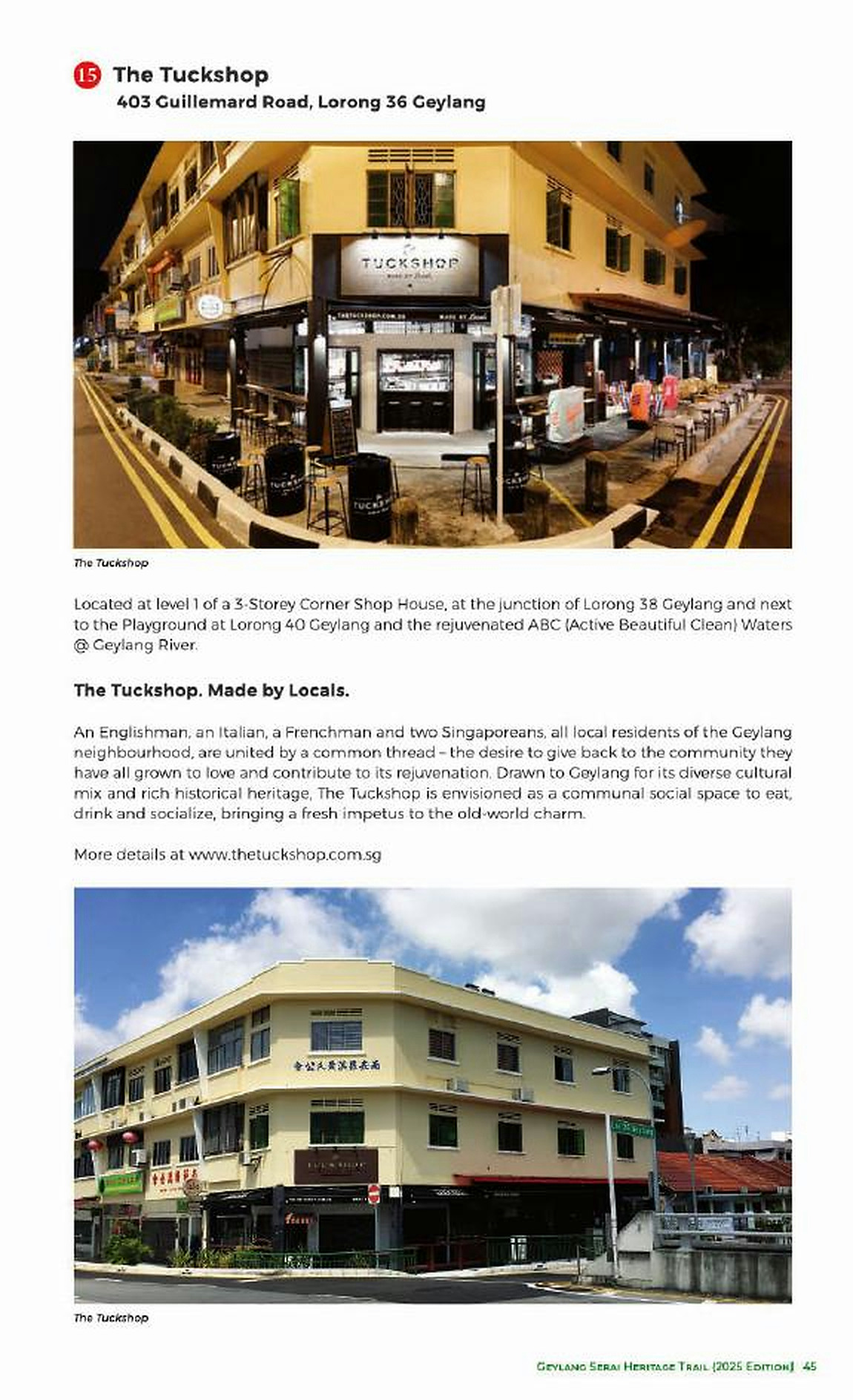
图18.1 The Tuckshop资料页:当代再利用可以增加社区交往,但“由本地人经营”的叙述仍须以经营、顾客、租赁和街区影响资料验证。 / Figure 18.1. The Tuckshop record: contemporary reuse may add social exchange, but a “made by locals” narrative still requires evidence on enterprise, customers, tenancy and neighbourhood effects.
图版来源 / Plate source: 李宏斌,《Geylang Serai Heritage Trail 2025 Edition》,2025;经作者授权收入本书,页内原始馆藏与摄影署名保持不变。 / Li Hongbin, Geylang Serai Heritage Trail 2025 Edition (2025), reproduced with the author’s permission; original archival and photographic credits remain on the plate.
共同治理与活态海峡城市的未来
Chapter Eighteen · Conservation Is Not Freezing
Shared Governance and the Future of a Living Straits City
遗产连续性不等于形态不变,而是社区借助可保护载体持续再生产公共关系的能力;治理必须同时保护载体、关系与改变关系的权利。 / Heritage continuity is not formal immobility but communities’ capacity to reproduce public relationships through protectable carriers; governance must protect carriers, relations and the right to shape change.
一、保护对象不是旧物,而是可持续的关系 / The Object of Conservation Is a Sustainable Relationship
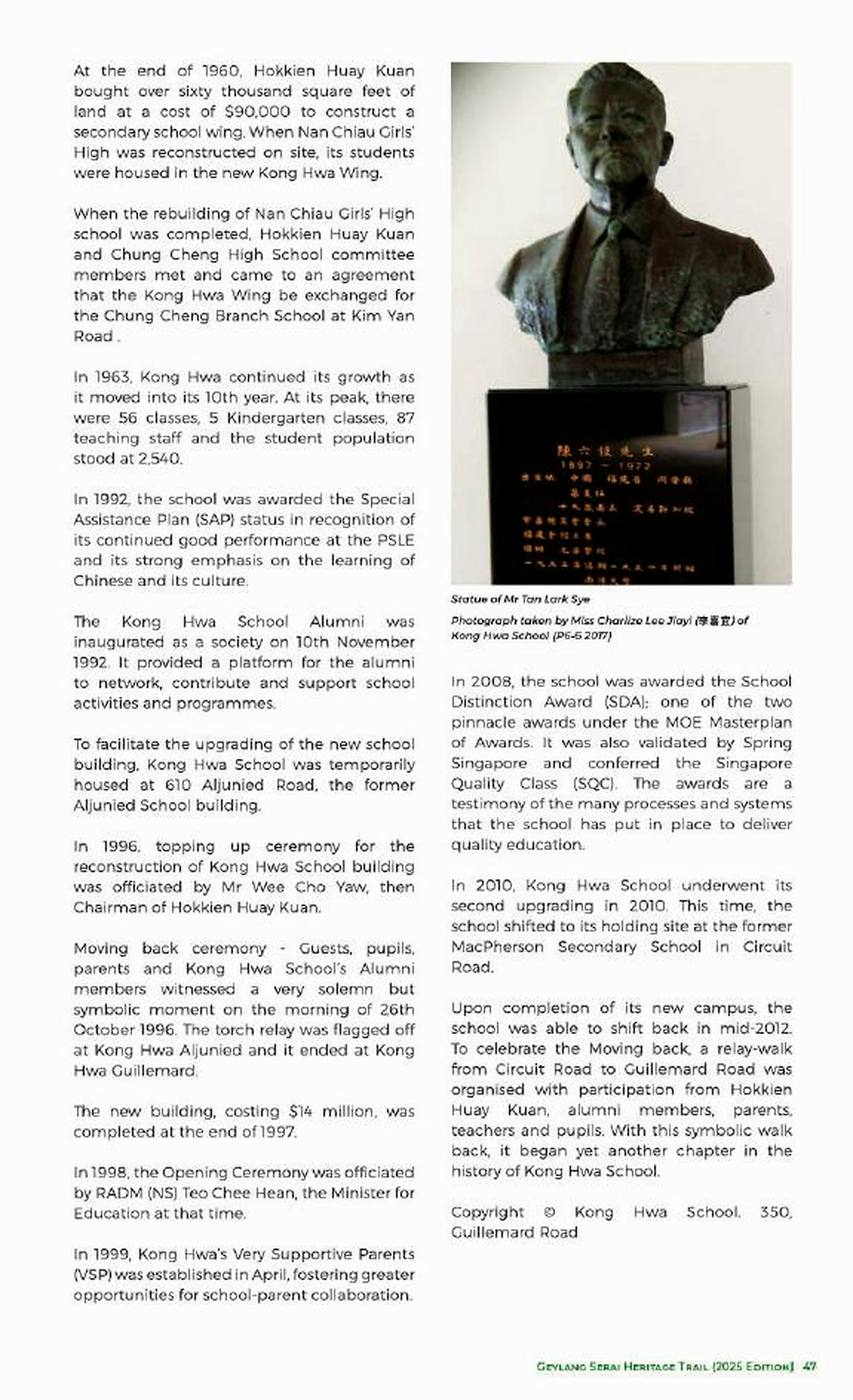
图18.2 光华学校发展资料页:扩建、迁址、校友网络和家长参与显示机构连续可能通过变化维持,而非依赖单一原址。 / Figure 18.2. Kong Hwa School development record: expansion, relocation, alumni networks and parent participation show how institutional continuity may persist through change rather than a single original site.
图版来源 / Plate source: 李宏斌,《Geylang Serai Heritage Trail 2025 Edition》,2025;经作者授权收入本书,页内原始馆藏与摄影署名保持不变。 / Li Hongbin, Geylang Serai Heritage Trail 2025 Edition (2025), reproduced with the author’s permission; original archival and photographic credits remain on the plate.
本书最后的判断不是“芽笼士乃足够古老”,而是它可能保存了一种罕见的城市关系:海峡迁徙形成的人群,通过市场、住房、学校、宗教、社团、道路和节庆,在殖民土地制度、战后迁移、发展型国家重建与全球消费经济之间不断重组公共生活。建筑是载体之一,却不是全部对象;无形实践是活力来源,却不能脱离地点和组织单独承担世界遗产价值。
本章提出“关系连续性”概念:连续的不是未经改变的形态,而是行动者仍能借助可识别载体,重复生产社会交换、互助、信仰、谋生和共同记忆的能力。它不同于把一切变化解释为连续,也不同于以材料原真性否定所有迁移。只有地点、载体、时间、行动者与机制同时相互印证,变化中的连续才可被支持。
The book’s final judgement is not that Geylang Serai is sufficiently old. It may preserve a rare urban relationship: populations formed through Straits mobility repeatedly reorganised public life through market, housing, schools, religion, associations, roads and festivals across colonial land regimes, post-war relocation, developmental-state reconstruction and a global consumer economy. Buildings are among the carriers but not the entire object; intangible practices supply vitality but cannot independently carry World Heritage value without place and organisation.
This chapter proposes “relational continuity”: what continues is not an unchanged form but the capacity of actors, through identifiable carriers, to reproduce exchange, mutual aid, belief, livelihood and shared memory. This neither treats every change as continuity nor lets material authenticity invalidate all relocation. Continuity-through-change becomes supportable only when place, carrier, time, actor and mechanism close together.
二、冻结会杀死价值,无边界变化也会耗尽价值 / Freezing Can Kill Value; Unbounded Change Can Exhaust It
把芽笼士乃冻结成某一年代的布景,会切断它赖以成立的经营、居住和宗教生活;但把“活态”当作任何重建的豁免,也会使属性在缓慢替代中消失。保护必须同时拒绝两种错误:博物馆化与无限适应。前者保存外观而驱逐使用者,后者保留品牌而清空历史载体。
因此管理目标不是“零变化”,而是控制变化的方向、速度与分配后果。允许维修、无障碍改善、气候适应和必要的功能调整;要求影响评估、可逆性、材料与尺度兼容、经营和租住连续;禁止破坏关键视廊、地块关系、街巷尺度和社会可负担性的累积性改变。任何新项目必须回答:它保留了哪一条价值关系,谁因此获益,谁承担成本,损失是否可逆。
Freezing Geylang Serai as scenery from a chosen decade would sever the trading, residential and religious life on which its significance depends. Yet treating “living” as an exemption for any redevelopment would let attributes disappear through incremental replacement. Conservation must reject both museumification and unlimited adaptation. The former preserves appearance while displacing users; the latter preserves a brand while emptying historical carriers.
The management objective is therefore not zero change but control over its direction, speed and distributive consequences. Repair, accessibility, climate adaptation and necessary functional adjustment may proceed; impact assessment, reversibility, compatible material and scale, enterprise and tenancy continuity are required. Cumulative change that destroys key views, parcel relations, lane scale or social affordability is inadmissible. Every project must state which value relationship it retains, who benefits, who bears cost and whether loss is reversible.
三、四层共同治理不是咨询会 / Four-Layer Co-Governance Is Not Consultation
第一层是国家与跨部门协调:文化遗产、规划、住房、土地、交通、环境、旅游和社会政策须共享一套属性与风险清单。第二层是地方日常管理:市场运营、街道维护、活动许可、安全与清洁不能与遗产目标分离。第三层是社区权利:居民、摊贩、宗教机构、社团、业主与租户拥有解释、提议、异议和监督的正式席位。第四层是独立证据委员会:保存档案版本、审核指标、公开冲突并防止宣传替代证据。
这四层不是四次征求意见,而是相互制衡的决策结构。国家不能以法定权力取代社区知识,社区不能以身份主张免除证据审查,商业主体不能以投资换取价值定义权,研究者也不能成为事实上的管理者。关键决定须披露理由、证据、利益冲突与少数意见,并设置复议与申诉。
Layer one is State and inter-agency coordination: heritage, planning, housing, land, transport, environment, tourism and social policy must share one attribute and risk register. Layer two is local daily management: market operation, street maintenance, event licensing, safety and cleansing cannot be separated from heritage objectives. Layer three consists of community rights: residents, hawkers, religious institutions, associations, owners and tenants hold formal seats to interpret, propose, dissent and oversee. Layer four is an independent evidence committee that preserves archival versions, audits indicators, discloses conflict and prevents publicity from replacing proof.
These are not four rounds of consultation but a checked decision structure. Statutory authority cannot substitute for community knowledge; community identity cannot exempt claims from evidence; investment cannot purchase the power to define value; researchers cannot become de facto managers. Material decisions must disclose reasons, evidence, conflicts of interest and minority views, with review and appeal routes.
四、活态价值需要经济基础 / Living Value Requires an Economic Base
摊贩、日常商店、学校、礼拜和社团活动不是“文化内容”,而是价值再生产的经济与组织基础。若租金、许可、物流和旅游流量迫使普通经营转向同质化纪念品与网红消费,建筑仍在,关系连续性也会断裂。世界遗产治理因此必须进入通常被视为“遗产之外”的租赁、可负担性、营业时间、供应链和劳动力问题。
建议建立社会连续性工具包:关键用途名录、长期租户保障、摊贩接续计划、小额修缮支持、传统供应链数据库、活动时段协商、旅游收益回流以及反驱逐监测。它不能保证旧职业永远不变,却能避免政策本身加速替代。若经济措施只奖励可展示文化而不支持日常使用,项目将生产一个可消费的芽笼士乃,而非保护真实的芽笼士乃。
Hawkers, everyday shops, schools, worship and associational activity are not “cultural content” but the economic and organisational base of value reproduction. If rent, licensing, logistics and visitor flows force ordinary enterprise toward standardised souvenirs and influencer consumption, buildings may remain while relational continuity breaks. World Heritage governance must therefore enter tenancy, affordability, operating hours, supply chains and labour—matters often treated as outside heritage.
A social-continuity toolkit should include a register of essential uses, protections for long-term tenants, hawker succession, small repair support, a traditional supply-chain database, negotiated event hours, visitor-revenue return and anti-displacement monitoring. It cannot keep every occupation unchanged, but it can prevent policy from accelerating replacement. If economic measures reward displayable culture but not everyday use, the project will manufacture a consumable Geylang Serai rather than conserve the real one.
五、宗教邻接是公共制度,不是彩色地图 / Religious Adjacency Is a Public Institution, Not a Colourful Map
清真寺、寺庙、教堂与社团会所的邻近,只有在人员往来、慈善、学校、食物、节庆、危机救助和日常路线中发生作用,才构成跨族群城市机制。把不同宗教建筑标在同一张地图,只能证明空间并列;它不能证明交流,更不能自动证明和谐。
治理应保护这种关系的条件:步行可达、活动时段协调、噪声与交通协商、共同慈善记录、紧急互助协议和跨机构青年参与。同时保留冲突、边界与不平等的档案。若多宗教叙述只能由官方纪念牌支持,而机构之间没有可验证的持续联系,就应从核心OUV属性降为背景价值。
The proximity of mosque, temple, church and association becomes a cross-community urban mechanism only where it operates through movement of people, charity, schooling, food, festivals, crisis relief and everyday routes. Marking different religious buildings on one map proves spatial juxtaposition; it does not prove interchange, still less harmony.
Management should protect the conditions of relationship: walkability, coordinated event times, negotiated noise and traffic, records of shared charity, emergency mutual-aid protocols and inter-institutional youth participation. Archives must also preserve conflict, boundaries and inequality. If a plural-religious narrative rests only on official markers and no continuing inter-institutional link can be verified, it should be set aside from a core OUV attribute to contextual value.
六、监测的单位应是关系,而不只是建筑 / Monitor Relationships, Not Buildings Alone
常规建筑指标包括状况、改建、空置和视廊;芽笼士乃还需要关系指标:长期摊贩留存率、关键商品供应来源、居民与访客消费比例、机构成员与服务半径、节庆组织者谱系、跨宗教合作频率、租金负担、步行网络完整度以及弱势群体参与。指标须建立基线、阈值、频率、责任人和触发行动。
任何单一数字都可能误导。游客增加可能意味着活力,也可能意味着居民使用被替代;节庆规模扩大可能表示传承,也可能表示表演化。监测必须把量化趋势与访谈、会议记录、投诉、财务和现场观察交叉。达到警戒阈值时,管理机构须公开解释并采取限制、修复、租赁支持或边界调整,而不是等待定期报告。
Conventional building indicators include condition, alteration, vacancy and views. Geylang Serai additionally requires relational indicators: retention of long-term hawkers, sources of essential goods, resident-to-visitor consumption, institutional membership and service radius, genealogy of festival organisers, frequency of interfaith cooperation, rent burden, integrity of walking networks and participation by vulnerable groups. Every indicator needs a baseline, threshold, frequency, responsible body and triggered action.
No single number is self-explanatory. More visitors may mean vitality or displacement of resident use; a larger festival may mean transmission or staging. Quantitative trends must be cross-checked with interviews, minutes, complaints, accounts and field observation. At warning thresholds, management must explain publicly and trigger restriction, repair, tenancy support or boundary adjustment rather than wait for periodic reporting.
七、其他解释与论证限度 / Alternative Interpretations and Limits of the Argument
最强其他可能的解释是:今天的芽笼士乃主要是国家策划的族群文化中心,历史网络已经断裂;所谓多元共处是新加坡普遍现象;日常商业可迁往任何地点;现存建筑与空间不足以承载全球价值;共同治理只是一套未来承诺。每一种解释都比赞美性叙述更接近真正的学术检验。
以下证据将使本章命题失败:迁移前后人群与机构谱系无法连接;市场与居民供应关系被旅游消费取代;宗教和社团节点只有并列而无互动;核心属性缺乏法定保护或产权合作;社区参与不能改变决定;完整性损失使网络只能靠文字复原;监测没有预算、责任和纠偏权。失败时应保留地方或国家遗产价值,但停止宣称OUV。
The strongest alternative interpretations are that today’s Geylang Serai is principally a State-planned ethnic cultural centre after historical networks broke; multicultural coexistence is common across Singapore; everyday commerce can relocate anywhere; surviving fabric and space cannot carry global value; and co-governance is merely a future promise. Each is closer to genuine scholarly testing than celebratory narrative.
The proposition fails if pre- and post-relocation populations and institutional genealogies cannot be connected; tourist consumption replaces market–resident supply; religious and associational nodes are merely juxtaposed; core attributes lack statutory protection or owner cooperation; participation cannot alter decisions; integrity loss leaves the network recoverable only in prose; or monitoring lacks budget, responsibility and corrective power. In failure, local or national heritage value may remain, but OUV must no longer be claimed.
八、全书结论:一种通过变化而持续的海峡城市文明 / Book Conclusion: A Straits Urban Civilisation Continuing through Change
本书把芽笼士乃从“马来文化区”重新定义为候选的海峡城市文明系统:水域与迁徙提供远时段结构,土地、慈善与商业形成制度层,甘榜、道路和市场形成空间层,公共住房、冲突后修复与文化机构形成国家重组层,今天的节庆、经营、宗教和社区服务形成再生产层。其潜在世界意义不在于比马六甲或乔治市更古老,而在于展示全面现代化并未只留下废墟或复制品,而可能通过迁移与重组保留公共关系。
This book redefines Geylang Serai from a “Malay cultural district” into a candidate Straits urban-civilisation system. Water and mobility provide the longue-durée structure; land, charity and commerce form the institutional layer; kampung, roads and market form the spatial layer; public housing, post-conflict repair and cultural institutions form the State-restructuring layer; present festivals, enterprise, religion and community service form the reproductive layer. Its possible universal significance is not greater antiquity than Melaka or George Town, but evidence that comprehensive modernisation may preserve public relationships through relocation and reorganisation rather than leave only ruins or replicas.
This is a scholarly proposition, not an official OUV determination. The evidence supports criterion (ii) as the principal comparative argument and criterion (iii) as a supplementary one. Criterion (v) is not recommended in this edition because the surviving material expression of the former land–water–kampung system is too incomplete. Any formal status remains a decision for Singapore under the World Heritage Convention.
共同治理责任分工 / Responsibilities in Shared Governance
| 层级 / Layer | 决定权 / Decision right | 史料责任 / Documentary responsibility | 公开记录 / Public record | 应对措施 / Required response |
|---|---|---|---|---|
| 国家协调 / State coordination | 法律、规划、边界 / Law, planning, boundary | 产权、保护、影响评估 / Title, protection, impact assessment | 属性受保护比例 / Protected attributes | 不进入提名 / No nomination |
| 地方管理 / Local management | 运营、维护、许可 / Operation, maintenance, licensing | 市场、交通、活动记录 / Market, mobility, event records | 可负担性与日常使用 / Affordability and daily use | 纠偏或暂停项目 / Correct or pause project |
| 社区权利 / Community rights | 解释、提议、异议 / Interpret, propose, dissent | 参与、少数意见、利益冲突 / Participation, minority views, conflicts | 参与改变决定次数 / Decisions altered by participation | 暂停并复议 / Pause and review |
| 独立评议 / Independent audit | 核验、版本、预警 / Verify, version, warn | 论证、资料与不同意见 / Claim-evidence-counterevidence | 公开的审查意见 / Published review findings | 修订论证或提名范围 / Revise the case or nomination scope |
结论 / Conclusion
已支持:芽笼士乃的潜在遗产价值不能由单一建筑或无形传统承担,必须以市场—住房—宗教—学校—社团—道路关系共同表达;历史城市景观方法允许发展与适应,但要求保留历史、集体记忆及社会经济多样性。其他可能的解释仍有效:国家文化策划可能替代历史连续,多宗教并列可能被误写为交流,当代商业更新可能造成居民使用替代。
本书已将可公开核验的历史记录、规划文件、报刊与学术研究纳入参考体系,并将无法由这些资料支持的个人动机、逐户迁移、地块权属和组织代表性排除在确定性结论之外。共同治理因而作为本书提出的制度架构,不被写成现行制度的完成状态。
Supported: Geylang Serai’s potential heritage value cannot be carried by a single building or intangible tradition; it requires relations among market, housing, worship, schools, associations and roads. The Historic Urban Landscape approach permits development and adaptation while retaining history, collective memory and social-economic diversity. Alternative interpretations remain live: State cultural planning may substitute for historical continuity, plural religious adjacency may be miswritten as interchange, and contemporary commercial renewal may displace resident use.
The book incorporates the publicly verifiable archives, planning records, newspapers and scholarship identified in its references, and excludes definite claims about individual motive, household-level migration, parcel title and organisational representativeness where those matters are not established by the record. Shared governance is consequently presented as a proposed institutional architecture, not as a claim that a complete management system already exists.
注释与参考文献 / Notes and References
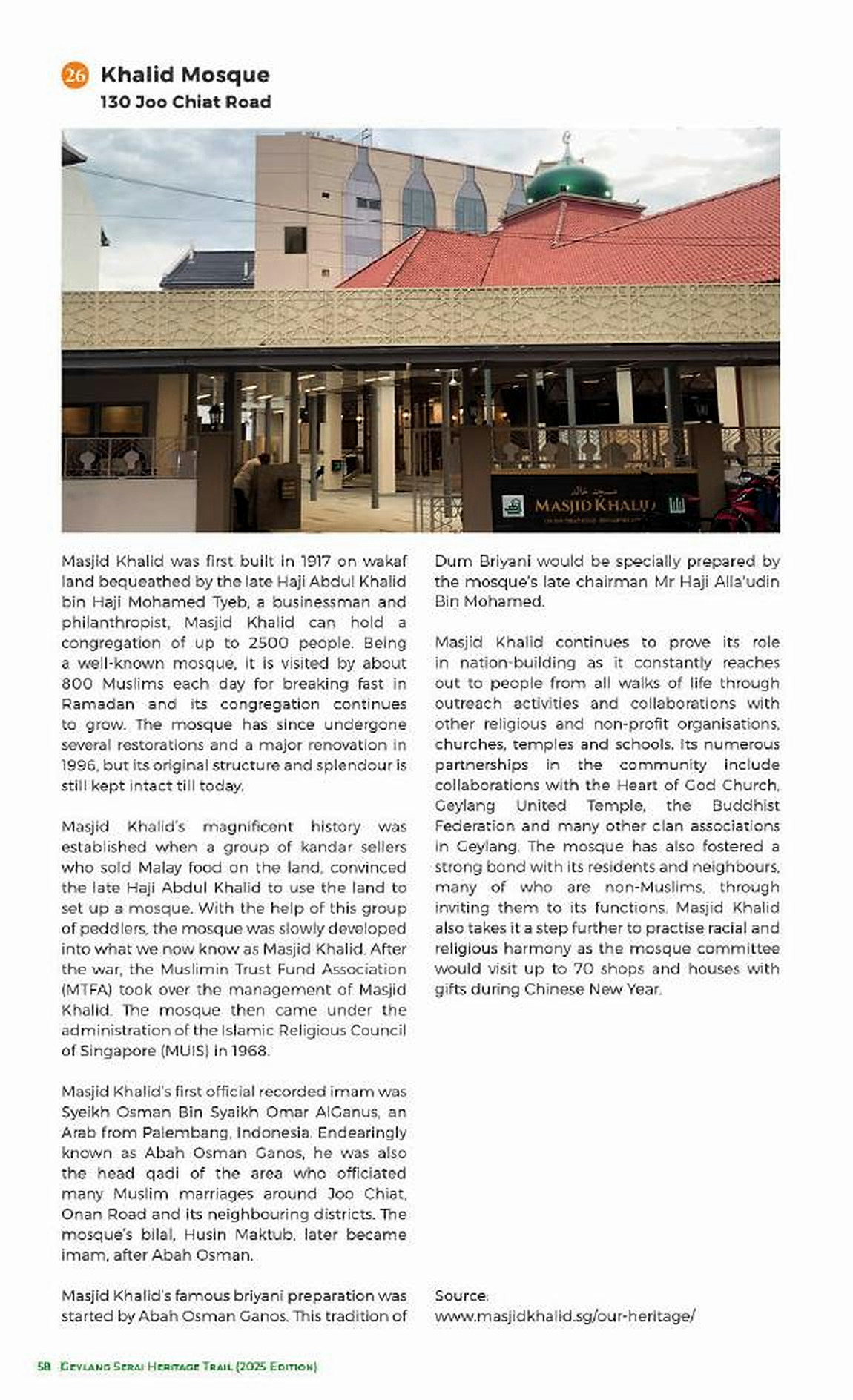
图18.3 哈莉德回教堂资料页:wakaf土地、重建、宗教服务、食物慈善与跨宗教合作共同构成“关系属性”;每项仍需原始档案和参与方记录核验。 / Figure 18.3. Khalid Mosque record: wakaf land, rebuilding, worship, food charity and interfaith cooperation jointly form a relational attribute; each still requires primary and participant records.
图版来源 / Plate source: 李宏斌,《Geylang Serai Heritage Trail 2025 Edition》,2025;经作者授权收入本书,页内原始馆藏与摄影署名保持不变。 / Li Hongbin, Geylang Serai Heritage Trail 2025 Edition (2025), reproduced with the author’s permission; original archival and photographic credits remain on the plate.
1. UNESCO, Recommendation on the Historic Urban Landscape, adopted 10 November 2011, paras. 15–18 and related provisions.
2. UNESCO World Heritage Centre, Recommendation on the Historic Urban Landscape programme, current online text consulted 2 September 2026.
3. UNESCO World Heritage Centre, Operational Guidelines for the Implementation of the World Heritage Convention, current edition consulted 2 September 2026.
4. UNESCO, Policy for the Integration of a Sustainable Development Perspective into the Processes of the World Heritage Convention (2015).
5. UNESCO World Heritage Centre, Guidance and Toolkit for Impact Assessments in a World Heritage Context.
| 时间 / Date | 历史变化 / Historical change |
|---|---|
| 1819年前 / Before 1819 | 新加坡属于柔佛—廖内海峡世界;水域、河口与Orang Laut活动构成前城市空间。 / Singapore formed part of the Johor–Riau Straits world; water, estuaries and Orang Laut mobility structured pre-urban space. |
| 1848–1849 | Alsagoff and Company购地;1849年地图记录Gaylang村、Pulo Gelang与生产景观。 / Alsagoff and Company acquired land; an 1849 map recorded Gaylang village, Pulo Gelang and productive landscape. |
| 19世纪后期 / Late nineteenth century | 庄园、道路、商品生产、宗教慈善与郊缘聚落叠加。 / Estates, roads, commodity production, religious charity and fringe settlements accumulated. |
| 1910s–1930s | 学校、回教堂、社团及郊区居住网络发展;“Geylang Serai”逐步行政化。 / Schools, mosques, associations and suburban residence expanded; “Geylang Serai” became administratively stabilised. |
| 1950s | 市场、季节性节庆商业、公共交通与人口迁入增强区域中心性。 / Market, seasonal festive trade, public transport and migration intensified regional centrality. |
| 1962–1964 | 征地、公共住房和新市场改变空间;1964年冲突与其后修复使芽笼士乃成为国家—社区关系的关键场域。 / Acquisition, public housing and the new market transformed space; the 1964 conflict and repair made Geylang Serai a critical State–community arena. |
| 1975 | 市场首次升级;经营与公共生活继续调整。 / The market received its first upgrade as trade and public life continued to adjust. |
| 1984–1990 | Malay Village政策与开幕,把分散生活转化为集中展示实验。 / Policy and opening of the Malay Village turned dispersed lifeworlds into a concentrated display experiment. |
| 2003以后 / After 2003 | SERS、市场重建及文化机构更新强化现代中心,同时提出真实性与完整性问题。 / SERS, market rebuilding and new cultural institutions strengthened the modern centre while raising authenticity and integrity questions. |
| 2018–2025 | Wisma Geylang Serai、遗产步道与当代文化治理形成新的解释层。 / Wisma Geylang Serai, heritage trails and contemporary cultural governance created a new interpretive layer. |
| 2026 | 中英文专著综合历史、比较、边界、风险与治理研究,为公共讨论和国家层面的后续评估提供学术基础。 / This bilingual monograph brings together history, comparison, boundaries, risk and governance as a scholarly basis for public discussion and further national assessment. |
第五编 档案、空间与申遗论证卷
PART V ARCHIVES, SPACE AND THE NOMINATION ARGUMENT
前十八章重建芽笼士乃的历史进程,本编则把档案、地图和现存空间放在同一视野中。历史价值由何种建筑、道路、市场制度和社区实践承载,由此获得可以比较、保护与持续观察的具体形态。 The first eighteen chapters reconstruct the historical formation of Geylang Serai. This part brings archives, maps and surviving space into a single field of view, identifying the buildings, roads, market institutions and community practices through which historical value acquires a form that can be compared, protected and observed over time.
第十九章 档案中的芽笼士乃
Chapter Nineteen Geylang Serai in the Archives
档案中的芽笼士乃往往在危机时刻突然清晰:广播、宵禁、医院记录、委员会文件和报纸版面,把同一街区分解为秩序、伤亡、互助与恢复等不同问题。本章将这些记录重新放回市场和居民生活,使1964年不再只是一段国家事件史。 Geylang Serai becomes unusually visible in the archive at moments of crisis. Broadcasts, curfew orders, hospital records, committee files and newspaper pages divide one district into questions of order, injury, mutual aid and recovery. This chapter returns those records to the market and to resident life, so that 1964 is not reduced to national event history.
1. 广播之夜:1964年7月22日的国家声音 / The Night of the Broadcast: The State Voice on 22 July 1964
“广播之夜:1964年7月22日的国家声音”把视线带回危机中的行政行动、公共传播与居民经验并不完全重合这一历史过程。官方文件、新闻报道、影像与个人记忆留下彼此不同的观察位置;合在一起,它们使这一变化的社会后果变得清楚。 The Night of the Broadcast: The State Voice on 22 July 1964 is best understood in the setting of Kallang–Geylang during July 1964. Radio Singapore broadcast and transcript records the positions taken by government, listeners and neighbourhood households, and together the sources show how emergency communication translated violence into public order and civic obligation.
“广播之夜:1964年7月22日的国家声音”所依据的材料不能相互替代。官方记录偏重程序,报刊受消息来源与版面制约,地图压缩空间,口述回忆则保留制度文件不易进入的生活经验。 The sources for The Night of the Broadcast: The State Voice on 22 July 1964 are not interchangeable. Official files privilege procedure, newspapers depend on editorial selection, maps reduce lived space to surveyed form, and testimony retains experiences that administration seldom records.
关于“广播之夜:1964年7月22日的国家声音”,从遗产角度看,这些记录说明街区如何在紧张局势中维持生活,并在事后重新建立公共信任。这种意义只有在历史资料仍能同具体道路、建筑、机构或使用方式对应时才成立。 In the case of The Night of the Broadcast: The State Voice on 22 July 1964, Its heritage significance lies in a demonstrable connection between record and place. They show how ordinary life was sustained during crisis and how public confidence was rebuilt afterwards; that connection remains persuasive only where it can be located in streets, buildings, institutions or continuing use.
对“广播之夜:1964年7月22日的国家声音”的解释,这一解释也有明确边界:不同机构的统计口径、拍摄视角与事后回忆之间仍有差异。资料不足之处留作开放问题,不以顺畅叙事填补。 For The Night of the Broadcast: The State Voice on 22 July 1964, The interpretation has a clear boundary: institutional counting, photographic framing and retrospective memory do not always coincide. Questions beyond the evidence remain open rather than being completed by narrative convenience.
主要资料 / Principal sources: National Archives of Singapore, Archives Online, https://www.nas.gov.sg/archivesonline/
2. 宵禁如何改变街道 / How Curfew Reordered the Street
理解“宵禁如何改变街道”,应从危机中的行政行动、公共传播与居民经验并不完全重合入手。现存的官方文件、新闻报道、影像与个人记忆并非同声复述,却共同保存了制度变化进入街区生活的轨迹。 At Geylang Serai and adjoining roads, How Curfew Reordered the Street unfolded within the institutional conditions of July–August 1964. Read alongside one another, curfew notices, police reports and newspapers reveals how police, residents, traders and transport workers encountered a process in which time regulation compressed commerce, worship and domestic provisioning.
围绕“宵禁如何改变街道”出现的材料差异本身就是历史信息:行政文件说明制度如何理解问题,现场影像与个人叙述则揭示执行过程中的感受和盲点。 Differences among the records of How Curfew Reordered the Street are historically meaningful. Administrative papers show how institutions defined a problem, while images and recollections disclose consequences that formal reporting may overlook.
关于“宵禁如何改变街道”,今天仍可追索的价值在于:这些记录说明街区如何在紧张局势中维持生活,并在事后重新建立公共信任。场所、制度和社群实践之间的联系,比孤立保存某一件物证更能说明其历史深度。 In the case of How Curfew Reordered the Street, What survives is a relationship rather than an isolated relic. They show how ordinary life was sustained during crisis and how public confidence was rebuilt afterwards, giving present-day places the capacity to explain their own history.
对“宵禁如何改变街道”的解释,现有材料能够说明过程,却不能消除所有不确定性。不同机构的统计口径、拍摄视角与事后回忆之间仍有差异;相关结论因此只覆盖能够相互印证的部分。 For How Curfew Reordered the Street, The material establishes a process without resolving every uncertainty. Because institutional counting, photographic framing and retrospective memory do not always coincide, the conclusion extends only as far as independently converging evidence allows.
主要资料 / Principal sources: National Archives of Singapore, Archives Online, https://www.nas.gov.sg/archivesonline/
3. 伤亡数字与叙述边界 / Casualty Counts and the Limits of Narrative
“伤亡数字与叙述边界”所呈现的核心问题,是危机中的行政行动、公共传播与居民经验并不完全重合。官方文件、新闻报道、影像与个人记忆分别记录决策、空间与经验,因而能够还原变化发生的层次。 The historical problem posed by Casualty Counts and the Limits of Narrative concerns different counting rules produced different public memories. Evidence from hospital returns, official statements and press reports, produced in Singapore hospitals and affected districts during 1964, places medical staff, officials, journalists and families within that process rather than outside it.
“伤亡数字与叙述边界”在不同载体中呈现出不同时间尺度。把形成日期、制作目的和保存路径交代清楚,比追求整齐一致的故事更重要。 The materials relating to Casualty Counts and the Limits of Narrative work to different timescales. Date of creation, original purpose and custodial history therefore matter more than forcing the evidence into a single seamless account.
关于“伤亡数字与叙述边界”,这段历史与当下的联系并非象征性的;这些记录说明街区如何在紧张局势中维持生活,并在事后重新建立公共信任。能够指出这种联系落在何处,才使遗产解释具有公共意义。 In the case of Casualty Counts and the Limits of Narrative, The link with the present is practical rather than symbolic. They show how ordinary life was sustained during crisis and how public confidence was rebuilt afterwards; archival evidence, physical setting and continuing use therefore have to support one another.
对“伤亡数字与叙述边界”的解释,需要谨慎之处在于,不同机构的统计口径、拍摄视角与事后回忆之间仍有差异。这不会削弱已经成立的事实,却限制了因果判断可以延伸的距离。 For Casualty Counts and the Limits of Narrative, Caution is required because institutional counting, photographic framing and retrospective memory do not always coincide. This does not unsettle the documented facts, but it narrows the causal claims that may be drawn from them.
主要资料 / Principal sources: National Archives of Singapore, Archives Online, https://www.nas.gov.sg/archivesonline/
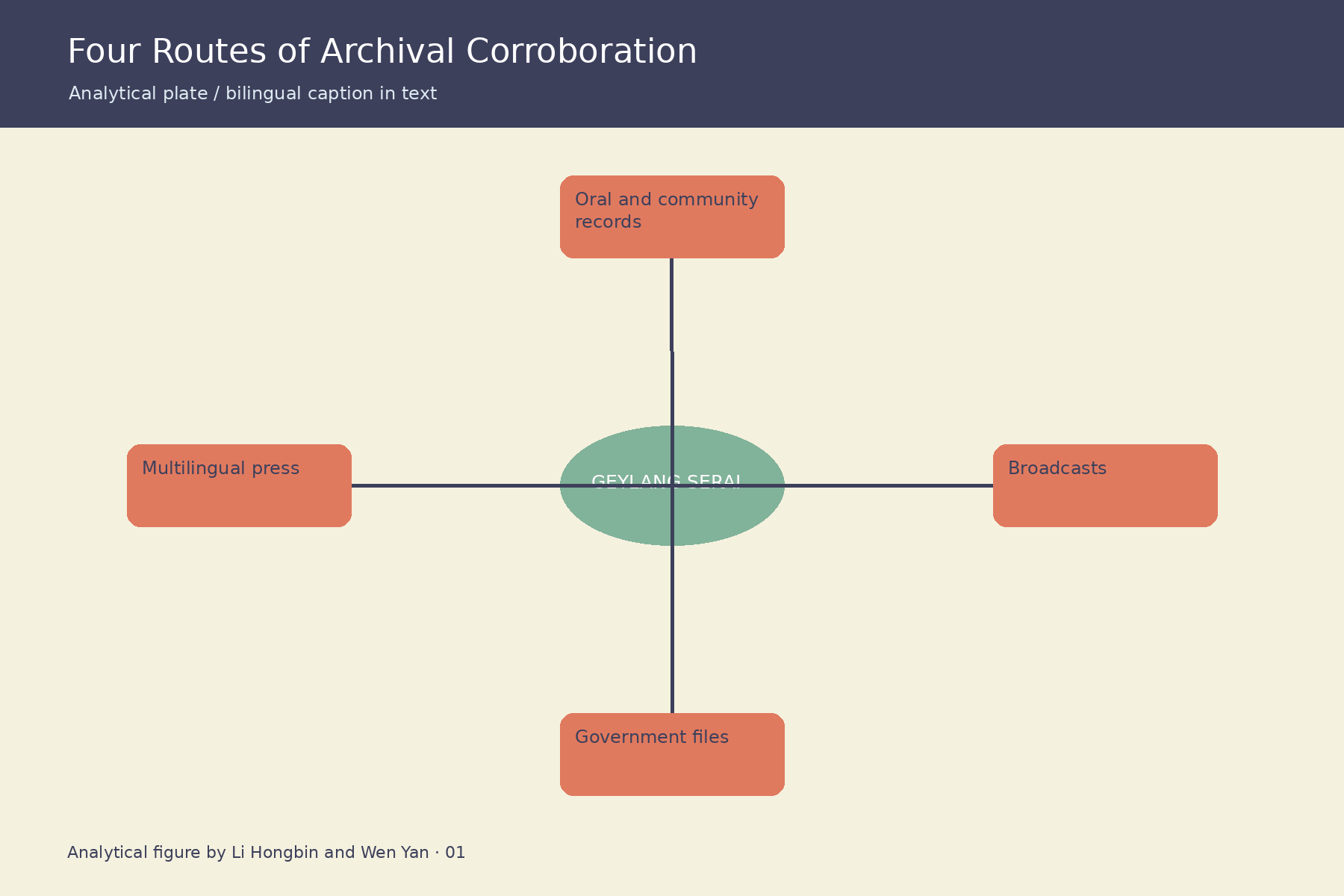
图 68 档案互证的四条路径 / Figure 68 Four Routes of Archival Corroboration
图解说明:档案互证的四条路径由作者依据本章所引官方档案、历史地图与机构资料绘制,用于呈现材料之间的空间或时间关系;原始地图、照片与档案出处见图注及章末文献。 Figure note: Four Routes of Archival Corroboration was drawn by the authors from the official archives, historical maps and institutional sources cited in this chapter. It visualises spatial or temporal relations; references to the original maps, photographs and files appear in the caption and chapter sources.
4. 善意委员会的地方尺度 / The Local Scale of Goodwill Committees
在“善意委员会的地方尺度”这一题目下,危机中的行政行动、公共传播与居民经验并不完全重合构成了真正的历史线索。官方文件、新闻报道、影像与个人记忆把行动者、场所与后果重新置于同一叙述之中。 The Local Scale of Goodwill Committees belongs to a longer transformation of Geylang Serai neighbourhood. Materials including committee rosters, minutes and oral testimony show how, in 1964–1965, community leaders, residents and state agencies participated in changes through which mediation depended on face-to-face authority and repeated local encounters.
有关“善意委员会的地方尺度”的任何单一来源都只能照亮局部。只有把决策记录、空间证据与当事人的生活经验并置,才不会以一种声音代替整个街区。 No source represents the whole district in the history of The Local Scale of Goodwill Committees. Decisions, spatial evidence and remembered experience have to be read together if one voice is not to stand for all others.
关于“善意委员会的地方尺度”,其遗产意义最终回到现实中的场所与责任:这些记录说明街区如何在紧张局势中维持生活,并在事后重新建立公共信任。档案、建筑和持续使用由此形成相互印证的关系。 In the case of The Local Scale of Goodwill Committees, Heritage value returns here to identifiable places and responsibilities. They show how ordinary life was sustained during crisis and how public confidence was rebuilt afterwards, and the surviving setting gives that history a public form.
对“善意委员会的地方尺度”的解释,历史解释到证据停止之处为止。由于不同机构的统计口径、拍摄视角与事后回忆之间仍有差异,尚不能把局部经验概括为整个时期或全部社群的共同经历。 For The Local Scale of Goodwill Committees, Historical interpretation stops where the record does. Since institutional counting, photographic framing and retrospective memory do not always coincide, a local experience should not be made to represent every community or the entire period.
主要资料 / Principal sources: National Archives of Singapore, Archives Online, https://www.nas.gov.sg/archivesonline/
5. 市场“白象”的档案含义 / What the “White Elephant” Reveals
“市场“白象”的档案含义”不宜孤立阅读;它属于商品流通、摊位制度与日常交往共同塑造了市场的公共性的较长过程。借助租约、执照、货物流向、设计图、报刊与商户口述,事件与日常生活之间的联系才得以显现。 The surviving record of What the “White Elephant” Reveals links Geylang Serai market to the wider conditions of 1964–1975. Its value lies in showing how fear delayed occupation while routine exchange gradually restored confidence, with hawkers, customers and municipal officers occupying distinct and sometimes conflicting positions.
“市场“白象”的档案含义”的史料并不总能完全吻合。日期、地名、统计范围或叙述立场出现差异时,应保留分歧,并说明各自能够支持的结论。 The record of What the “White Elephant” Reveals is not always consistent. Disagreement over dates, names, statistical reach or causation is retained, with each source used only for what it can reasonably establish.
关于“市场“白象”的档案含义”,这里值得保存的并不是抽象的怀旧,而是可辨认的历史关系。市场的历史价值来自长期维持的交换关系,而不只是一座建筑的外观,并使今日街区仍能解释其来路。 In the case of What the “White Elephant” Reveals, The object of conservation is not nostalgia but an intelligible historical relationship. The market's historical value lies in enduring relations of exchange, not in architectural appearance alone, provided that the relationship remains visible in the district today.
对“市场“白象”的档案含义”的解释,可以确定的,是资料共同指向的关系;仍须保留的疑问,则来自商业延续、空间更新与节庆展示之间需要分别考察。二者在叙述中分别交代。 For What the “White Elephant” Reveals, What can be stated securely is separated from what remains uncertain. The principal reservation is that commercial continuity, physical renewal and festival display require separate assessment.
主要资料 / Principal sources: National Archives of Singapore, Archives Online, https://www.nas.gov.sg/archivesonline/
6. 多语种报刊不是同一面镜子 / The Multilingual Press Was Not One Mirror
围绕“多语种报刊不是同一面镜子”保存下来的官方文件、新闻报道、影像与个人记忆,共同指向危机中的行政行动、公共传播与居民经验并不完全重合。这些材料让变化不再只是年代上的先后,而成为社会关系的重新安排。 Seen from Singapore print public sphere, The Multilingual Press Was Not One Mirror was not a self-contained episode. Malay, Chinese, Tamil and English newspapers situates editors, reporters and language publics within 1964 and clarifies how selection, translation and editorial framing produced parallel causal stories.
“多语种报刊不是同一面镜子”所采用的资料来自不同制度环境。其可信度既取决于内容,也取决于谁制作、为何制作以及哪些经验未被记录。 The materials used for The Multilingual Press Was Not One Mirror arose in different institutional settings. Their force depends not only on content but also on authorship, purpose and the experiences left outside the record.
关于“多语种报刊不是同一面镜子”,从遗产角度看,这些记录说明街区如何在紧张局势中维持生活,并在事后重新建立公共信任。这种意义只有在历史资料仍能同具体道路、建筑、机构或使用方式对应时才成立。 In the case of The Multilingual Press Was Not One Mirror, Its heritage significance lies in a demonstrable connection between record and place. They show how ordinary life was sustained during crisis and how public confidence was rebuilt afterwards; that connection remains persuasive only where it can be located in streets, buildings, institutions or continuing use.
对“多语种报刊不是同一面镜子”的解释,这一解释也有明确边界:不同机构的统计口径、拍摄视角与事后回忆之间仍有差异。资料不足之处留作开放问题,不以顺畅叙事填补。 For The Multilingual Press Was Not One Mirror, The interpretation has a clear boundary: institutional counting, photographic framing and retrospective memory do not always coincide. Questions beyond the evidence remain open rather than being completed by narrative convenience.
主要资料 / Principal sources: National Archives of Singapore, Archives Online, https://www.nas.gov.sg/archivesonline/
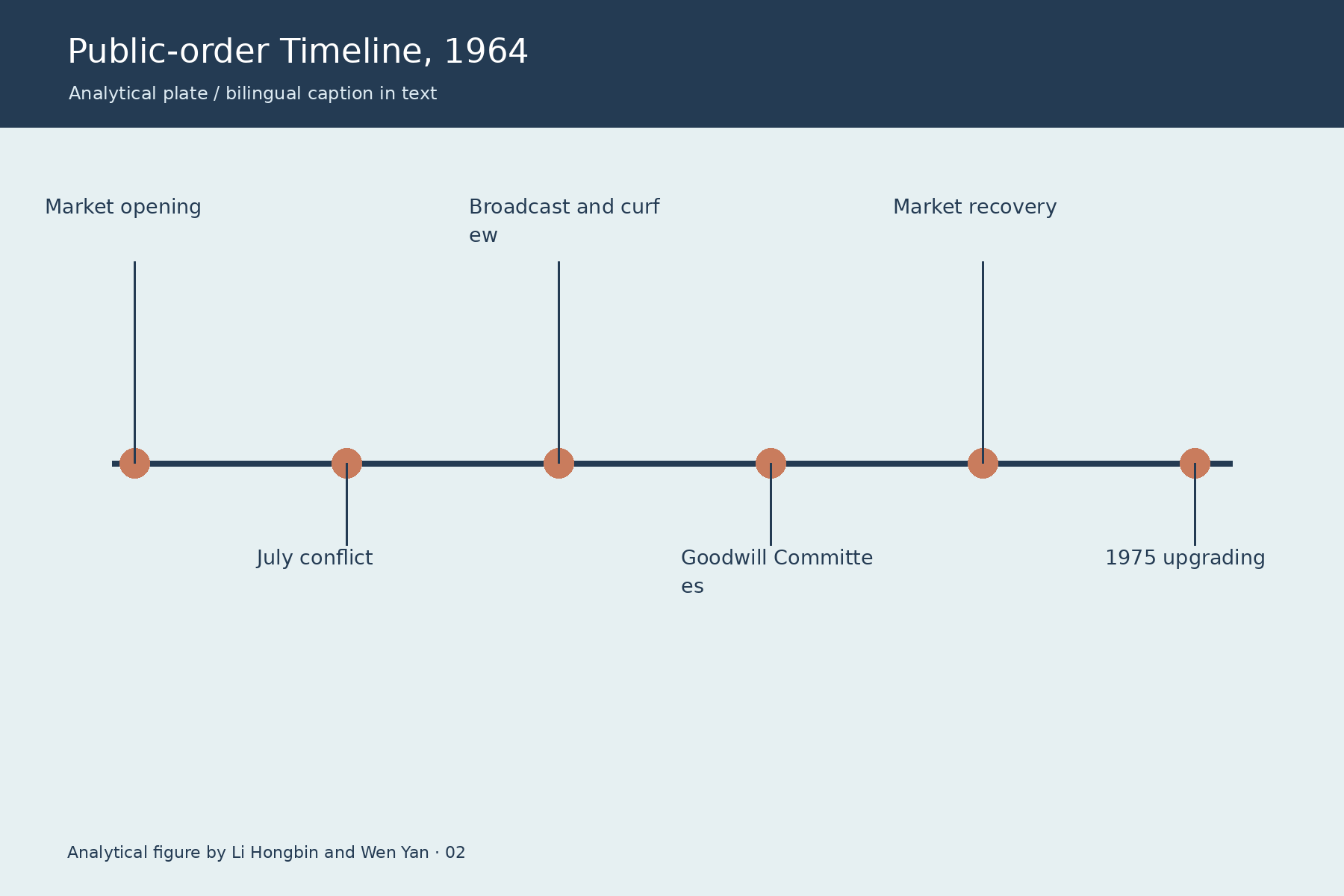
图 69 1964年公共秩序时间线 / Figure 69 Public-order Timeline, 1964
图解说明:1964年公共秩序时间线由作者依据本章所引官方档案、历史地图与机构资料绘制,用于呈现材料之间的空间或时间关系;原始地图、照片与档案出处见图注及章末文献。 Figure note: Public-order Timeline, 1964 was drawn by the authors from the official archives, historical maps and institutional sources cited in this chapter. It visualises spatial or temporal relations; references to the original maps, photographs and files appear in the caption and chapter sources.
7. 照片里的到访与秩序 / Visits, Cameras and Public Order
从“照片里的到访与秩序”出发,可以看到危机中的行政行动、公共传播与居民经验并不完全重合。官方文件、新闻报道、影像与个人记忆提供了互不相同的尺度,也揭示了公共制度怎样进入普通人的生活。 Evidence concerning Visits, Cameras and Public Order brings institutional history into the everyday spaces of market and riot-affected streets. In July 1964, political leaders, photographers and residents shaped a process through which staged visibility converted presence into reassurance while leaving off-camera experience unrecorded.
“照片里的到访与秩序”所依据的材料不能相互替代。官方记录偏重程序,报刊受消息来源与版面制约,地图压缩空间,口述回忆则保留制度文件不易进入的生活经验。 The sources for Visits, Cameras and Public Order are not interchangeable. Official files privilege procedure, newspapers depend on editorial selection, maps reduce lived space to surveyed form, and testimony retains experiences that administration seldom records.
关于“照片里的到访与秩序”,今天仍可追索的价值在于:这些记录说明街区如何在紧张局势中维持生活,并在事后重新建立公共信任。场所、制度和社群实践之间的联系,比孤立保存某一件物证更能说明其历史深度。 In the case of Visits, Cameras and Public Order, What survives is a relationship rather than an isolated relic. They show how ordinary life was sustained during crisis and how public confidence was rebuilt afterwards, giving present-day places the capacity to explain their own history.
对“照片里的到访与秩序”的解释,现有材料能够说明过程,却不能消除所有不确定性。不同机构的统计口径、拍摄视角与事后回忆之间仍有差异;相关结论因此只覆盖能够相互印证的部分。 For Visits, Cameras and Public Order, The material establishes a process without resolving every uncertainty. Because institutional counting, photographic framing and retrospective memory do not always coincide, the conclusion extends only as far as independently converging evidence allows.
主要资料 / Principal sources: National Archives of Singapore, Archives Online, https://www.nas.gov.sg/archivesonline/
8. 口述史中的沉默 / Silence in Oral History
“口述史中的沉默”之所以重要,在于它具体呈现了危机中的行政行动、公共传播与居民经验并不完全重合。官方文件、新闻报道、影像与个人记忆既记录行动,也留下行动在空间和社群中的回声。 Silence in Oral History offers a close view of change in households and trading families. The record—principally recorded interviews and family testimony—shows how residents, hawkers and descendants responded during post-1964, when reticence, retrospective reconciliation and generational distance shaped what could be narrated.
围绕“口述史中的沉默”出现的材料差异本身就是历史信息:行政文件说明制度如何理解问题,现场影像与个人叙述则揭示执行过程中的感受和盲点。 Differences among the records of Silence in Oral History are historically meaningful. Administrative papers show how institutions defined a problem, while images and recollections disclose consequences that formal reporting may overlook.
关于“口述史中的沉默”,这段历史与当下的联系并非象征性的;这些记录说明街区如何在紧张局势中维持生活,并在事后重新建立公共信任。能够指出这种联系落在何处,才使遗产解释具有公共意义。 In the case of Silence in Oral History, The link with the present is practical rather than symbolic. They show how ordinary life was sustained during crisis and how public confidence was rebuilt afterwards; archival evidence, physical setting and continuing use therefore have to support one another.
对“口述史中的沉默”的解释,需要谨慎之处在于,不同机构的统计口径、拍摄视角与事后回忆之间仍有差异。这不会削弱已经成立的事实,却限制了因果判断可以延伸的距离。 For Silence in Oral History, Caution is required because institutional counting, photographic framing and retrospective memory do not always coincide. This does not unsettle the documented facts, but it narrows the causal claims that may be drawn from them.
主要资料 / Principal sources: National Archives of Singapore, Archives Online, https://www.nas.gov.sg/archivesonline/
9. 档案缺口也是历史事实 / The Archival Gap Is Also Historical
考察“档案缺口也是历史事实”时,最值得注意的是土地、制度与社区生活在长期变化中彼此塑造。行政文件、地图、报刊、建筑与口述资料把宏观制度同地方经验连接起来,使变化的路径可以追索。 The significance of The Archival Gap Is Also Historical emerges from the relationship between repositories and community collections, 1950s–2000s and archivists, agencies and record creators. catalogues, closure rules and missing files makes it possible to trace how administrative survival and access regimes structured the knowable past.
“档案缺口也是历史事实”在不同载体中呈现出不同时间尺度。把形成日期、制作目的和保存路径交代清楚,比追求整齐一致的故事更重要。 The materials relating to The Archival Gap Is Also Historical work to different timescales. Date of creation, original purpose and custodial history therefore matter more than forcing the evidence into a single seamless account.
关于“档案缺口也是历史事实”,其遗产意义最终回到现实中的场所与责任:历史意义来自关系的延续与变化,而不是单一事件或单一建筑。档案、建筑和持续使用由此形成相互印证的关系。 In the case of The Archival Gap Is Also Historical, Heritage value returns here to identifiable places and responsibilities. Its historical significance lies in changing relationships rather than in a single event or monument, and the surviving setting gives that history a public form.
对“档案缺口也是历史事实”的解释,历史解释到证据停止之处为止。由于资料之间的年代、范围与制作目的需要分别辨明,尚不能把局部经验概括为整个时期或全部社群的共同经历。 For The Archival Gap Is Also Historical, Historical interpretation stops where the record does. Since the date, scope and original purpose of each source still require careful distinction, a local experience should not be made to represent every community or the entire period.
主要资料 / Principal sources: National Archives of Singapore, Archives Online, https://www.nas.gov.sg/archivesonline/
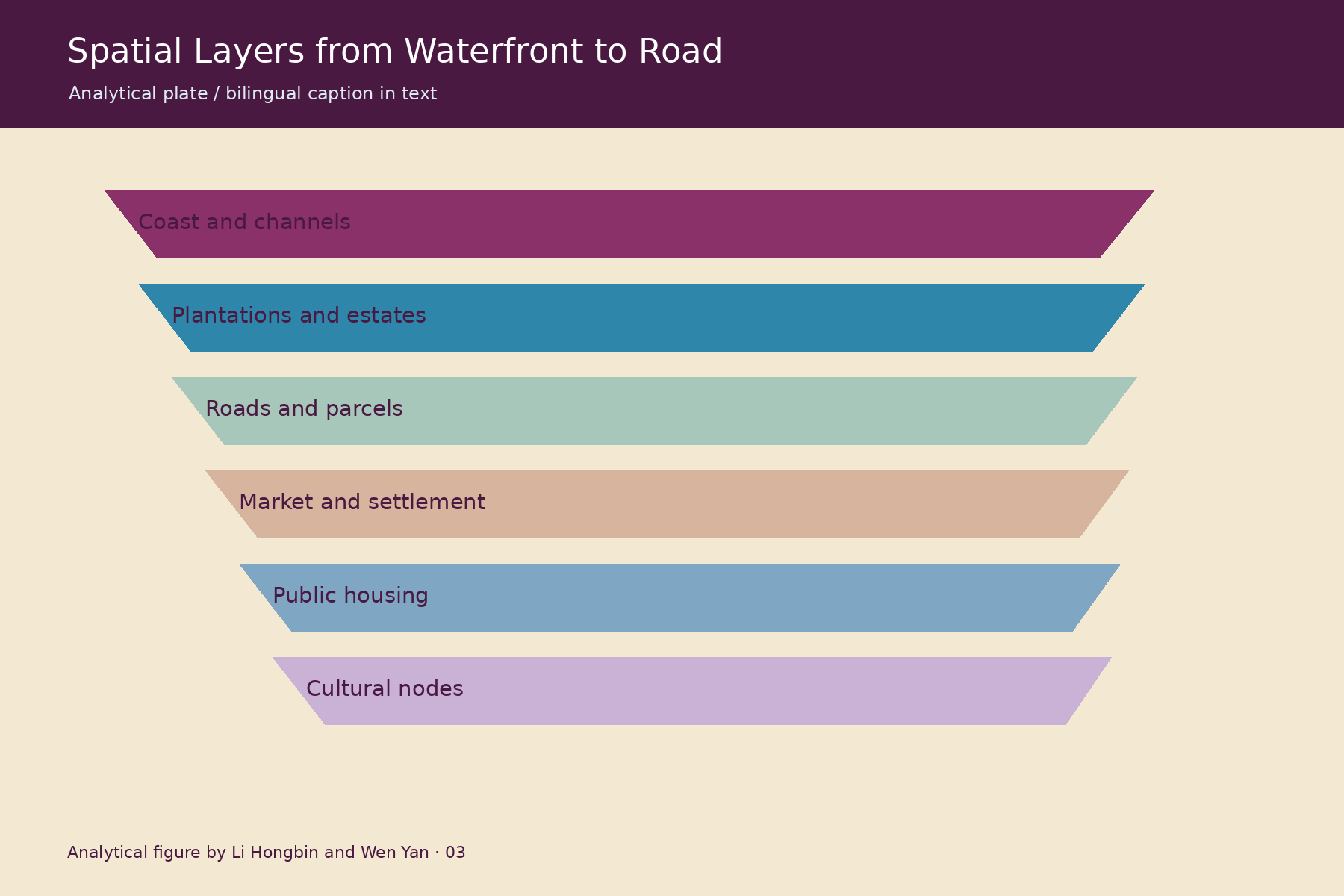
图 70 从水岸到道路的空间层积 / Figure 70 Spatial Layers from Waterfront to Road
图解说明:从水岸到道路的空间层积由作者依据本章所引官方档案、历史地图与机构资料绘制,用于呈现材料之间的空间或时间关系;原始地图、照片与档案出处见图注及章末文献。 Figure note: Spatial Layers from Waterfront to Road was drawn by the authors from the official archives, historical maps and institutional sources cited in this chapter. It visualises spatial or temporal relations; references to the original maps, photographs and files appear in the caption and chapter sources.
10. 从事件档案回到地方史 / Returning from Event Archive to Local History
“从事件档案回到地方史”位于危机中的行政行动、公共传播与居民经验并不完全重合的交汇处。官方文件、新闻报道、影像与个人记忆各自保存一部分事实,合读之后才形成较完整的历史图景。 Within the history of Geylang Serai, Returning from Event Archive to Local History marks a point at which longitudinal reading prevents a few days of violence from consuming the district’s longer history. Produced during 1955–1975, cross-referenced files, maps, press and testimony preserves the roles of residents, planners, officials and traders in that change.
有关“从事件档案回到地方史”的任何单一来源都只能照亮局部。只有把决策记录、空间证据与当事人的生活经验并置,才不会以一种声音代替整个街区。 No source represents the whole district in the history of Returning from Event Archive to Local History. Decisions, spatial evidence and remembered experience have to be read together if one voice is not to stand for all others.
关于“从事件档案回到地方史”,这里值得保存的并不是抽象的怀旧,而是可辨认的历史关系。这些记录说明街区如何在紧张局势中维持生活,并在事后重新建立公共信任,并使今日街区仍能解释其来路。 In the case of Returning from Event Archive to Local History, The object of conservation is not nostalgia but an intelligible historical relationship. They show how ordinary life was sustained during crisis and how public confidence was rebuilt afterwards, provided that the relationship remains visible in the district today.
对“从事件档案回到地方史”的解释,可以确定的,是资料共同指向的关系;仍须保留的疑问,则来自不同机构的统计口径、拍摄视角与事后回忆之间仍有差异。二者在叙述中分别交代。 For Returning from Event Archive to Local History, What can be stated securely is separated from what remains uncertain. The principal reservation is that institutional counting, photographic framing and retrospective memory do not always coincide.
主要资料 / Principal sources: National Archives of Singapore, Archives Online, https://www.nas.gov.sg/archivesonline/
本章结论 / Chapter Conclusion
档案并未提供一条没有缝隙的故事,却使国家语言、社区经验与市场日常之间的距离清晰可见。冲突与修复由此获得更坚实的材料基础,也不再以一段官方概述代替复杂的地方过程。 The archive does not provide a seamless story, but it makes visible the distance among state language, community experience and the routines of the market. Conflict and repair can therefore be read through a firmer documentary base rather than through a single official synopsis.
第二十章 水、地与道路:历史空间图谱
Chapter Twenty Water, Land and Roads: A Historical Spatial Atlas
芽笼士乃的空间史开始于水,而不是今天的道路边界。河道、低地、庄园地块、Lorong系统、征地线与组屋步行圈彼此叠压,构成一部不断改写的城市地图。本章追踪这些层次如何形成,又如何在当代规划中留下痕迹。 The spatial history of Geylang Serai begins with water, not present road boundaries. Channels, low ground, estate parcels, the lorong system, acquisition lines and public-housing walking catchments overlap to form an repeatedly rewritten urban map. This chapter traces their formation and their legibility in contemporary planning.
1. 水系先于道路 / Water Before Roads
有关“水系先于道路”的材料首先说明了水系、道路、地块与建成环境在不同时期相互改写。地图、测量图、地籍记录与工程文件从不同方向进入同一问题,呈现了决定、执行与回应之间的距离。 Water Before Roads draws together evidence from hydrographic maps and coastal surveys around Kallang basin and eastern creeks. The materials place maritime communities, surveyors and cultivators in the circumstances of pre-1819–nineteenth century and reveal how channels organised access before cadastral lines fixed land.
“水系先于道路”的史料并不总能完全吻合。日期、地名、统计范围或叙述立场出现差异时,应保留分歧,并说明各自能够支持的结论。 The record of Water Before Roads is not always consistent. Disagreement over dates, names, statistical reach or causation is retained, with each source used only for what it can reasonably establish.
关于“水系先于道路”,从遗产角度看,空间变化只有在旧地图、现状地形与使用方式相互印证时才显出历史层次。这种意义只有在历史资料仍能同具体道路、建筑、机构或使用方式对应时才成立。 In the case of Water Before Roads, Its heritage significance lies in a demonstrable connection between record and place. Spatial change becomes legible only when historic mapping is compared with present topography and use; that connection remains persuasive only where it can be located in streets, buildings, institutions or continuing use.
对“水系先于道路”的解释,这一解释也有明确边界:比例尺、测绘目的与地名沿革会影响地图之间的对应关系。资料不足之处留作开放问题,不以顺畅叙事填补。 For Water Before Roads, The interpretation has a clear boundary: scale, surveying purpose and changing place-names complicate direct comparison. Questions beyond the evidence remain open rather than being completed by narrative convenience.
主要资料 / Principal sources: Singapore Land Authority, OneMap and historical-map services, https://www.onemap.gov.sg/
2. 海岸线的移动 / A Moving Coastline
“海岸线的移动”提供了观察危机中的行政行动、公共传播与居民经验并不完全重合的一扇窗口。官方文件、新闻报道、影像与个人记忆并置之后,场所中的连续、断裂与重新适应均可辨认。 To read A Moving Coastline historically is to connect southeastern Singapore with the pressures of nineteenth–twentieth centuries. shoreline maps and reclamation plans records how colonial engineers, port authorities and residents became involved in a process whereby reclamation converted littoral relations into stable parcels and infrastructure.
“海岸线的移动”所采用的资料来自不同制度环境。其可信度既取决于内容,也取决于谁制作、为何制作以及哪些经验未被记录。 The materials used for A Moving Coastline arose in different institutional settings. Their force depends not only on content but also on authorship, purpose and the experiences left outside the record.
关于“海岸线的移动”,今天仍可追索的价值在于:这些记录说明街区如何在紧张局势中维持生活,并在事后重新建立公共信任。场所、制度和社群实践之间的联系,比孤立保存某一件物证更能说明其历史深度。 In the case of A Moving Coastline, What survives is a relationship rather than an isolated relic. They show how ordinary life was sustained during crisis and how public confidence was rebuilt afterwards, giving present-day places the capacity to explain their own history.
对“海岸线的移动”的解释,现有材料能够说明过程,却不能消除所有不确定性。不同机构的统计口径、拍摄视角与事后回忆之间仍有差异;相关结论因此只覆盖能够相互印证的部分。 For A Moving Coastline, The material establishes a process without resolving every uncertainty. Because institutional counting, photographic framing and retrospective memory do not always coincide, the conclusion extends only as far as independently converging evidence allows.
主要资料 / Principal sources: Singapore Land Authority, OneMap and historical-map services, https://www.onemap.gov.sg/
3. 庄园边界的城市后果 / The Urban Consequences of Estate Boundaries
“庄园边界的城市后果”把视线带回水系、道路、地块与建成环境在不同时期相互改写这一历史过程。地图、测量图、地籍记录与工程文件留下彼此不同的观察位置;合在一起,它们使这一变化的社会后果变得清楚。 The Urban Consequences of Estate Boundaries is best understood in the setting of Alsagoff and neighbouring estates during nineteenth–early twentieth centuries. deeds, survey plans and road alignments records the positions taken by landowners, tenants and municipal surveyors, and together the sources show how private tenure channels later roads, plots and institutional sites.
“庄园边界的城市后果”所依据的材料不能相互替代。官方记录偏重程序,报刊受消息来源与版面制约,地图压缩空间,口述回忆则保留制度文件不易进入的生活经验。 The sources for The Urban Consequences of Estate Boundaries are not interchangeable. Official files privilege procedure, newspapers depend on editorial selection, maps reduce lived space to surveyed form, and testimony retains experiences that administration seldom records.
关于“庄园边界的城市后果”,这段历史与当下的联系并非象征性的;空间变化只有在旧地图、现状地形与使用方式相互印证时才显出历史层次。能够指出这种联系落在何处,才使遗产解释具有公共意义。 In the case of The Urban Consequences of Estate Boundaries, The link with the present is practical rather than symbolic. Spatial change becomes legible only when historic mapping is compared with present topography and use; archival evidence, physical setting and continuing use therefore have to support one another.
对“庄园边界的城市后果”的解释,需要谨慎之处在于,比例尺、测绘目的与地名沿革会影响地图之间的对应关系。这不会削弱已经成立的事实,却限制了因果判断可以延伸的距离。 For The Urban Consequences of Estate Boundaries, Caution is required because scale, surveying purpose and changing place-names complicate direct comparison. This does not unsettle the documented facts, but it narrows the causal claims that may be drawn from them.
主要资料 / Principal sources: Singapore Land Authority, OneMap and historical-map services, https://www.onemap.gov.sg/
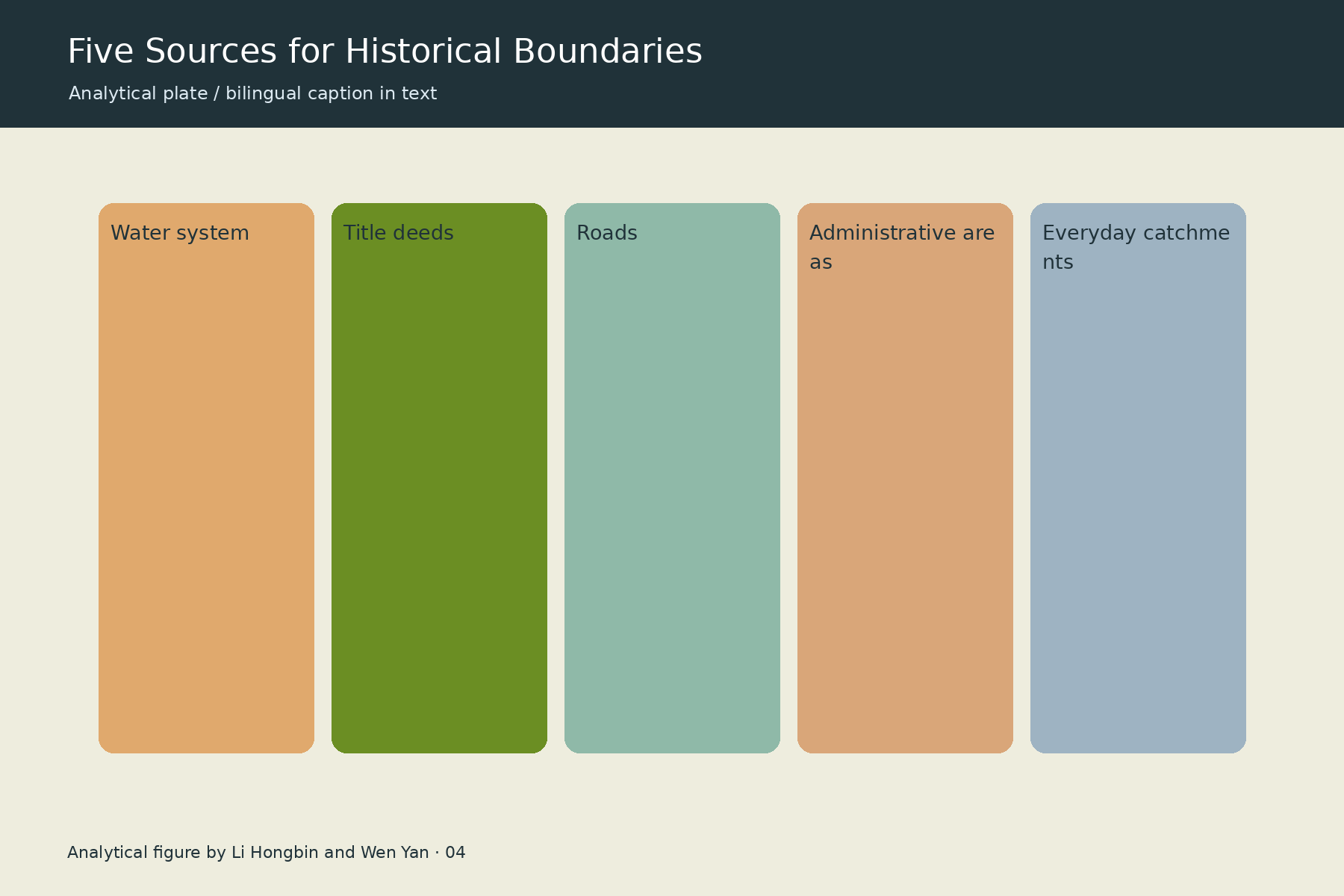
图 71 历史边界的五种来源 / Figure 71 Five Sources for Historical Boundaries
图解说明:历史边界的五种来源由作者依据本章所引官方档案、历史地图与机构资料绘制,用于呈现材料之间的空间或时间关系;原始地图、照片与档案出处见图注及章末文献。 Figure note: Five Sources for Historical Boundaries was drawn by the authors from the official archives, historical maps and institutional sources cited in this chapter. It visualises spatial or temporal relations; references to the original maps, photographs and files appear in the caption and chapter sources.
4. Lorong系统的细密尺度 / The Fine Grain of the Lorong System
理解“Lorong系统的细密尺度”,应从水系、道路、地块与建成环境在不同时期相互改写入手。现存的地图、测量图、地籍记录与工程文件并非同声复述,却共同保存了制度变化进入街区生活的轨迹。 At Geylang Road corridor, The Fine Grain of the Lorong System unfolded within the institutional conditions of late nineteenth–twentieth centuries. Read alongside one another, street plans and building plots reveals how shopkeepers, householders and public works agencies encountered a process in which repeated side streets joined regional movement to small-lot urbanism.
围绕“Lorong系统的细密尺度”出现的材料差异本身就是历史信息:行政文件说明制度如何理解问题,现场影像与个人叙述则揭示执行过程中的感受和盲点。 Differences among the records of The Fine Grain of the Lorong System are historically meaningful. Administrative papers show how institutions defined a problem, while images and recollections disclose consequences that formal reporting may overlook.
关于“Lorong系统的细密尺度”,其遗产意义最终回到现实中的场所与责任:空间变化只有在旧地图、现状地形与使用方式相互印证时才显出历史层次。档案、建筑和持续使用由此形成相互印证的关系。 In the case of The Fine Grain of the Lorong System, Heritage value returns here to identifiable places and responsibilities. Spatial change becomes legible only when historic mapping is compared with present topography and use, and the surviving setting gives that history a public form.
对“Lorong系统的细密尺度”的解释,历史解释到证据停止之处为止。由于比例尺、测绘目的与地名沿革会影响地图之间的对应关系,尚不能把局部经验概括为整个时期或全部社群的共同经历。 For The Fine Grain of the Lorong System, Historical interpretation stops where the record does. Since scale, surveying purpose and changing place-names complicate direct comparison, a local experience should not be made to represent every community or the entire period.
主要资料 / Principal sources: Singapore Land Authority, OneMap and historical-map services, https://www.onemap.gov.sg/
5. 从乡村路到城市干道 / From Rural Track to Urban Artery
“从乡村路到城市干道”所呈现的核心问题,是危机中的行政行动、公共传播与居民经验并不完全重合。官方文件、新闻报道、影像与个人记忆分别记录决策、空间与经验,因而能够还原变化发生的层次。 The historical problem posed by From Rural Track to Urban Artery concerns successive widening and transport modes preserved direction while changing frontage life. Evidence from road maps, traffic plans and photographs, produced in Geylang Road and Changi Road during nineteenth century–present, places travellers, traders, engineers and commuters within that process rather than outside it.
“从乡村路到城市干道”在不同载体中呈现出不同时间尺度。把形成日期、制作目的和保存路径交代清楚,比追求整齐一致的故事更重要。 The materials relating to From Rural Track to Urban Artery work to different timescales. Date of creation, original purpose and custodial history therefore matter more than forcing the evidence into a single seamless account.
关于“从乡村路到城市干道”,这里值得保存的并不是抽象的怀旧,而是可辨认的历史关系。这些记录说明街区如何在紧张局势中维持生活,并在事后重新建立公共信任,并使今日街区仍能解释其来路。 In the case of From Rural Track to Urban Artery, The object of conservation is not nostalgia but an intelligible historical relationship. They show how ordinary life was sustained during crisis and how public confidence was rebuilt afterwards, provided that the relationship remains visible in the district today.
对“从乡村路到城市干道”的解释,可以确定的,是资料共同指向的关系;仍须保留的疑问,则来自不同机构的统计口径、拍摄视角与事后回忆之间仍有差异。二者在叙述中分别交代。 For From Rural Track to Urban Artery, What can be stated securely is separated from what remains uncertain. The principal reservation is that institutional counting, photographic framing and retrospective memory do not always coincide.
主要资料 / Principal sources: Singapore Land Authority, OneMap and historical-map services, https://www.onemap.gov.sg/
6. 排水工程与可居住性 / Drainage and Habitable Ground
在“排水工程与可居住性”这一题目下,水系、道路、地块与建成环境在不同时期相互改写构成了真正的历史线索。地图、测量图、地籍记录与工程文件把行动者、场所与后果重新置于同一叙述之中。 Drainage and Habitable Ground belongs to a longer transformation of low-lying kampung areas. Materials including drainage plans and flood records show how, in twentieth century, public works officers and households participated in changes through which water control enabled denser settlement but erased earlier ecological cues.
有关“排水工程与可居住性”的任何单一来源都只能照亮局部。只有把决策记录、空间证据与当事人的生活经验并置,才不会以一种声音代替整个街区。 No source represents the whole district in the history of Drainage and Habitable Ground. Decisions, spatial evidence and remembered experience have to be read together if one voice is not to stand for all others.
关于“排水工程与可居住性”,从遗产角度看,空间变化只有在旧地图、现状地形与使用方式相互印证时才显出历史层次。这种意义只有在历史资料仍能同具体道路、建筑、机构或使用方式对应时才成立。 In the case of Drainage and Habitable Ground, Its heritage significance lies in a demonstrable connection between record and place. Spatial change becomes legible only when historic mapping is compared with present topography and use; that connection remains persuasive only where it can be located in streets, buildings, institutions or continuing use.
对“排水工程与可居住性”的解释,这一解释也有明确边界:比例尺、测绘目的与地名沿革会影响地图之间的对应关系。资料不足之处留作开放问题,不以顺畅叙事填补。 For Drainage and Habitable Ground, The interpretation has a clear boundary: scale, surveying purpose and changing place-names complicate direct comparison. Questions beyond the evidence remain open rather than being completed by narrative convenience.
主要资料 / Principal sources: Singapore Land Authority, OneMap and historical-map services, https://www.onemap.gov.sg/
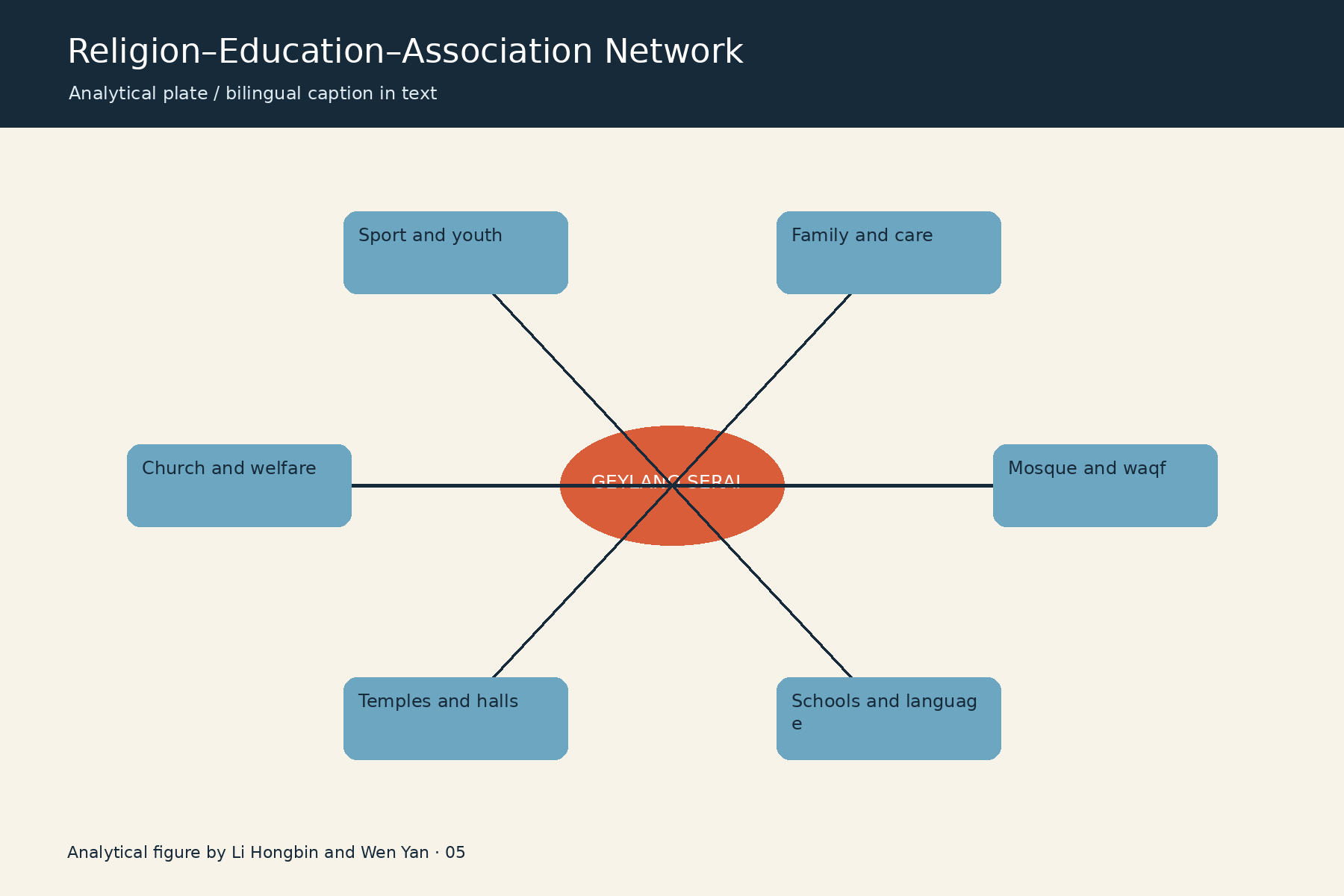
图 72 宗教—教育—社团网络 / Figure 72 Religion–Education–Association Network
图解说明:宗教—教育—社团网络由作者依据本章所引官方档案、历史地图与机构资料绘制,用于呈现材料之间的空间或时间关系;原始地图、照片与档案出处见图注及章末文献。 Figure note: Religion–Education–Association Network was drawn by the authors from the official archives, historical maps and institutional sources cited in this chapter. It visualises spatial or temporal relations; references to the original maps, photographs and files appear in the caption and chapter sources.
7. 征地线如何穿过社区 / How Acquisition Lines Cut through Community
“征地线如何穿过社区”不宜孤立阅读;它属于水系、道路、地块与建成环境在不同时期相互改写的较长过程。借助地图、测量图、地籍记录与工程文件,事件与日常生活之间的联系才得以显现。 The surviving record of How Acquisition Lines Cut through Community links Geylang Serai redevelopment area to the wider conditions of 1950s–1970s. Its value lies in showing how legal abstraction reorganised unequal claims into redevelopment parcels, with landowners, tenants, state agencies and lawyers occupying distinct and sometimes conflicting positions.
“征地线如何穿过社区”的史料并不总能完全吻合。日期、地名、统计范围或叙述立场出现差异时,应保留分歧,并说明各自能够支持的结论。 The record of How Acquisition Lines Cut through Community is not always consistent. Disagreement over dates, names, statistical reach or causation is retained, with each source used only for what it can reasonably establish.
关于“征地线如何穿过社区”,今天仍可追索的价值在于:空间变化只有在旧地图、现状地形与使用方式相互印证时才显出历史层次。场所、制度和社群实践之间的联系,比孤立保存某一件物证更能说明其历史深度。 In the case of How Acquisition Lines Cut through Community, What survives is a relationship rather than an isolated relic. Spatial change becomes legible only when historic mapping is compared with present topography and use, giving present-day places the capacity to explain their own history.
对“征地线如何穿过社区”的解释,现有材料能够说明过程,却不能消除所有不确定性。比例尺、测绘目的与地名沿革会影响地图之间的对应关系;相关结论因此只覆盖能够相互印证的部分。 For How Acquisition Lines Cut through Community, The material establishes a process without resolving every uncertainty. Because scale, surveying purpose and changing place-names complicate direct comparison, the conclusion extends only as far as independently converging evidence allows.
主要资料 / Principal sources: Singapore Land Authority, OneMap and historical-map services, https://www.onemap.gov.sg/
8. 组屋、市场与步行半径 / Housing, Market and Walking Radius
围绕“组屋、市场与步行半径”保存下来的租约、执照、货物流向、设计图、报刊与商户口述,共同指向商品流通、摊位制度与日常交往共同塑造了市场的公共性。这些材料让变化不再只是年代上的先后,而成为社会关系的重新安排。 Seen from Geylang Serai estate, Housing, Market and Walking Radius was not a self-contained episode. HDB plans and pedestrian networks situates residents, planners and hawkers within 1960s–2000s and clarifies how daily accessibility tied resettlement housing to commercial and social infrastructure.
“组屋、市场与步行半径”所采用的资料来自不同制度环境。其可信度既取决于内容,也取决于谁制作、为何制作以及哪些经验未被记录。 The materials used for Housing, Market and Walking Radius arose in different institutional settings. Their force depends not only on content but also on authorship, purpose and the experiences left outside the record.
关于“组屋、市场与步行半径”,这段历史与当下的联系并非象征性的;市场的历史价值来自长期维持的交换关系,而不只是一座建筑的外观。能够指出这种联系落在何处,才使遗产解释具有公共意义。 In the case of Housing, Market and Walking Radius, The link with the present is practical rather than symbolic. The market's historical value lies in enduring relations of exchange, not in architectural appearance alone; archival evidence, physical setting and continuing use therefore have to support one another.
对“组屋、市场与步行半径”的解释,需要谨慎之处在于,商业延续、空间更新与节庆展示之间需要分别考察。这不会削弱已经成立的事实,却限制了因果判断可以延伸的距离。 For Housing, Market and Walking Radius, Caution is required because commercial continuity, physical renewal and festival display require separate assessment. This does not unsettle the documented facts, but it narrows the causal claims that may be drawn from them.
主要资料 / Principal sources: Singapore Land Authority, OneMap and historical-map services, https://www.onemap.gov.sg/
9. 核心区与缓冲区不是历史边界 / Core and Buffer Are Not Historical Boundaries
从“核心区与缓冲区不是历史边界”出发,可以看到水系、道路、地块与建成环境在不同时期相互改写。地图、测量图、地籍记录与工程文件提供了互不相同的尺度,也揭示了公共制度怎样进入普通人的生活。 Evidence concerning Core and Buffer Are Not Historical Boundaries brings institutional history into the everyday spaces of proposed property and setting. In present planning horizon, communities, planners and conservation authorities shaped a process through which nomination geometry must protect relationships rather than reproduce a single past map.
“核心区与缓冲区不是历史边界”所依据的材料不能相互替代。官方记录偏重程序,报刊受消息来源与版面制约,地图压缩空间,口述回忆则保留制度文件不易进入的生活经验。 The sources for Core and Buffer Are Not Historical Boundaries are not interchangeable. Official files privilege procedure, newspapers depend on editorial selection, maps reduce lived space to surveyed form, and testimony retains experiences that administration seldom records.
关于“核心区与缓冲区不是历史边界”,其遗产意义最终回到现实中的场所与责任:空间变化只有在旧地图、现状地形与使用方式相互印证时才显出历史层次。档案、建筑和持续使用由此形成相互印证的关系。 In the case of Core and Buffer Are Not Historical Boundaries, Heritage value returns here to identifiable places and responsibilities. Spatial change becomes legible only when historic mapping is compared with present topography and use, and the surviving setting gives that history a public form.
对“核心区与缓冲区不是历史边界”的解释,历史解释到证据停止之处为止。由于比例尺、测绘目的与地名沿革会影响地图之间的对应关系,尚不能把局部经验概括为整个时期或全部社群的共同经历。 For Core and Buffer Are Not Historical Boundaries, Historical interpretation stops where the record does. Since scale, surveying purpose and changing place-names complicate direct comparison, a local experience should not be made to represent every community or the entire period.
主要资料 / Principal sources: Singapore Land Authority, OneMap and historical-map services, https://www.onemap.gov.sg/
图 73 制度连续性的核查序列 / Figure 73 Sequence for Testing Institutional Continuity
图解说明:制度连续性的核查序列由作者依据本章所引官方档案、历史地图与机构资料绘制,用于呈现材料之间的空间或时间关系;原始地图、照片与档案出处见图注及章末文献。 Figure note: Sequence for Testing Institutional Continuity was drawn by the authors from the official archives, historical maps and institutional sources cited in this chapter. It visualises spatial or temporal relations; references to the original maps, photographs and files appear in the caption and chapter sources.
10. 历史地图的误差与力量 / The Error and Power of Historical Maps
“历史地图的误差与力量”之所以重要,在于它具体呈现了水系、道路、地块与建成环境在不同时期相互改写。地图、测量图、地籍记录与工程文件既记录行动,也留下行动在空间和社群中的回声。 The Error and Power of Historical Maps offers a close view of change in Geylang and eastern Singapore. The record—principally multi-date maps and georeferencing—shows how surveyors, historians and GIS practitioners responded during nineteenth–twentieth centuries, when comparison reveals change only when scale, projection and purpose are made explicit.
围绕“历史地图的误差与力量”出现的材料差异本身就是历史信息:行政文件说明制度如何理解问题,现场影像与个人叙述则揭示执行过程中的感受和盲点。 Differences among the records of The Error and Power of Historical Maps are historically meaningful. Administrative papers show how institutions defined a problem, while images and recollections disclose consequences that formal reporting may overlook.
关于“历史地图的误差与力量”,这里值得保存的并不是抽象的怀旧,而是可辨认的历史关系。空间变化只有在旧地图、现状地形与使用方式相互印证时才显出历史层次,并使今日街区仍能解释其来路。 In the case of The Error and Power of Historical Maps, The object of conservation is not nostalgia but an intelligible historical relationship. Spatial change becomes legible only when historic mapping is compared with present topography and use, provided that the relationship remains visible in the district today.
对“历史地图的误差与力量”的解释,可以确定的,是资料共同指向的关系;仍须保留的疑问,则来自比例尺、测绘目的与地名沿革会影响地图之间的对应关系。二者在叙述中分别交代。 For The Error and Power of Historical Maps, What can be stated securely is separated from what remains uncertain. The principal reservation is that scale, surveying purpose and changing place-names complicate direct comparison.
主要资料 / Principal sources: Singapore Land Authority, OneMap and historical-map services, https://www.onemap.gov.sg/
本章结论 / Chapter Conclusion
水岸、地权和道路并不是三个先后替代的阶段,而是持续叠压的空间秩序。芽笼士乃今日的形态,正是这些秩序在填海、征地与公共住房时代重新组合的结果;边界保护必须保存这种关系,而不仅是若干点状建筑。 Waterfront, tenure and road were not successive orders replacing one another, but spatial systems that continued to overlap. Present Geylang Serai emerged from their recombination through reclamation, acquisition and public housing; boundary protection must therefore conserve relationships, not merely isolated buildings.
第二十一章 宗教、学校与社团:制度载体的长时段
Chapter Twenty-One Religion, Schools and Associations: Institutional Durations
宗教建筑、学校和社团会所使流动人口获得可以长期停驻的制度形式。它们通过土地、信托、语言、教育、慈善和仪式进入邻里生活;有些留在原址,有些迁移或重建。本章关注的正是这种跨越建筑变化的制度传承。 Sacred buildings, schools and association halls gave mobile populations durable institutional form. Through land, trust, language, education, charity and ritual they entered neighbourhood life; some remained, while others moved or rebuilt. This chapter follows institutional transmission across those material changes.
1. 清真寺作为邻里基础设施 / Mosques as Neighbourhood Infrastructure
考察“清真寺作为邻里基础设施”时,最值得注意的是宗教、教育与互助机构把信仰实践同土地、照护和社区组织连接起来。建筑记录、受托文件、学校名册、仪式路线与社群回忆把宏观制度同地方经验连接起来,使变化的路径可以追索。 The significance of Mosques as Neighbourhood Infrastructure emerges from the relationship between Geylang Serai and Joo Chiat, nineteenth century–present and trustees, worshippers and donors. mosque buildings, waqf records and congregational histories makes it possible to trace how religious endowment linked devotion, welfare, education and land.
“清真寺作为邻里基础设施”在不同载体中呈现出不同时间尺度。把形成日期、制作目的和保存路径交代清楚,比追求整齐一致的故事更重要。 The materials relating to Mosques as Neighbourhood Infrastructure work to different timescales. Date of creation, original purpose and custodial history therefore matter more than forcing the evidence into a single seamless account.
关于“清真寺作为邻里基础设施”,从遗产角度看,机构的延续不仅见于建筑,也见于管理责任、使用习惯与社区关系。这种意义只有在历史资料仍能同具体道路、建筑、机构或使用方式对应时才成立。 In the case of Mosques as Neighbourhood Infrastructure, Its heritage significance lies in a demonstrable connection between record and place. Institutional continuity resides in stewardship and use as well as in surviving fabric; that connection remains persuasive only where it can be located in streets, buildings, institutions or continuing use.
对“清真寺作为邻里基础设施”的解释,这一解释也有明确边界:名称沿用并不必然意味着地点、组织和传统从未中断。资料不足之处留作开放问题,不以顺畅叙事填补。 For Mosques as Neighbourhood Infrastructure, The interpretation has a clear boundary: a continuous name does not by itself prove an unbroken place, organisation or tradition. Questions beyond the evidence remain open rather than being completed by narrative convenience.
主要资料 / Principal sources: National Heritage Board, Roots.sg, Geylang Serai heritage resources, https://www.roots.gov.sg/
2. 寺庙与跨方言网络 / Temples and Cross-Dialect Networks
“寺庙与跨方言网络”位于宗教、教育与互助机构把信仰实践同土地、照护和社区组织连接起来的交汇处。建筑记录、受托文件、学校名册、仪式路线与社群回忆各自保存一部分事实,合读之后才形成较完整的历史图景。 Within the history of Geylang and Kallang, Temples and Cross-Dialect Networks marks a point at which ritual institutions connected locality with wider Chinese networks. Produced during nineteenth–twentieth centuries, temple records and festival routes preserves the roles of devotees, guilds and neighbourhood residents in that change.
有关“寺庙与跨方言网络”的任何单一来源都只能照亮局部。只有把决策记录、空间证据与当事人的生活经验并置,才不会以一种声音代替整个街区。 No source represents the whole district in the history of Temples and Cross-Dialect Networks. Decisions, spatial evidence and remembered experience have to be read together if one voice is not to stand for all others.
关于“寺庙与跨方言网络”,今天仍可追索的价值在于:机构的延续不仅见于建筑,也见于管理责任、使用习惯与社区关系。场所、制度和社群实践之间的联系,比孤立保存某一件物证更能说明其历史深度。 In the case of Temples and Cross-Dialect Networks, What survives is a relationship rather than an isolated relic. Institutional continuity resides in stewardship and use as well as in surviving fabric, giving present-day places the capacity to explain their own history.
对“寺庙与跨方言网络”的解释,现有材料能够说明过程,却不能消除所有不确定性。名称沿用并不必然意味着地点、组织和传统从未中断;相关结论因此只覆盖能够相互印证的部分。 For Temples and Cross-Dialect Networks, The material establishes a process without resolving every uncertainty. Because a continuous name does not by itself prove an unbroken place, organisation or tradition, the conclusion extends only as far as independently converging evidence allows.
主要资料 / Principal sources: National Heritage Board, Roots.sg, Geylang Serai heritage resources, https://www.roots.gov.sg/
3. 教会、学校与社会服务 / Church, School and Social Service
有关“教会、学校与社会服务”的材料首先说明了水系、道路、地块与建成环境在不同时期相互改写。地图、测量图、地籍记录与工程文件从不同方向进入同一问题,呈现了决定、执行与回应之间的距离。 Church, School and Social Service draws together evidence from mission records, school registers and buildings around eastern suburbs. The materials place clergy, teachers, pupils and families in the circumstances of nineteenth–twentieth centuries and reveal how education and care made denominational sites part of shared urban life.
“教会、学校与社会服务”的史料并不总能完全吻合。日期、地名、统计范围或叙述立场出现差异时,应保留分歧,并说明各自能够支持的结论。 The record of Church, School and Social Service is not always consistent. Disagreement over dates, names, statistical reach or causation is retained, with each source used only for what it can reasonably establish.
关于“教会、学校与社会服务”,这段历史与当下的联系并非象征性的;空间变化只有在旧地图、现状地形与使用方式相互印证时才显出历史层次。能够指出这种联系落在何处,才使遗产解释具有公共意义。 In the case of Church, School and Social Service, The link with the present is practical rather than symbolic. Spatial change becomes legible only when historic mapping is compared with present topography and use; archival evidence, physical setting and continuing use therefore have to support one another.
对“教会、学校与社会服务”的解释,需要谨慎之处在于,比例尺、测绘目的与地名沿革会影响地图之间的对应关系。这不会削弱已经成立的事实,却限制了因果判断可以延伸的距离。 For Church, School and Social Service, Caution is required because scale, surveying purpose and changing place-names complicate direct comparison. This does not unsettle the documented facts, but it narrows the causal claims that may be drawn from them.
主要资料 / Principal sources: National Heritage Board, Roots.sg, Geylang Serai heritage resources, https://www.roots.gov.sg/
图 74 市场的一天 / Figure 74 A Day in the Market
图解说明:市场的一天由作者依据本章所引官方档案、历史地图与机构资料绘制,用于呈现材料之间的空间或时间关系;原始地图、照片与档案出处见图注及章末文献。 Figure note: A Day in the Market was drawn by the authors from the official archives, historical maps and institutional sources cited in this chapter. It visualises spatial or temporal relations; references to the original maps, photographs and files appear in the caption and chapter sources.
4. 宗教建筑之间的日常距离 / Everyday Distance among Sacred Buildings
“宗教建筑之间的日常距离”提供了观察土地、制度与社区生活在长期变化中彼此塑造的一扇窗口。行政文件、地图、报刊、建筑与口述资料并置之后,场所中的连续、断裂与重新适应均可辨认。 To read Everyday Distance among Sacred Buildings historically is to connect mixed residential-commercial streets with the pressures of twentieth century–present. walking routes and soundscapes records how congregations, neighbours and street users became involved in a process whereby proximity required negotiated timetables, movement and mutual accommodation.
“宗教建筑之间的日常距离”所采用的资料来自不同制度环境。其可信度既取决于内容,也取决于谁制作、为何制作以及哪些经验未被记录。 The materials used for Everyday Distance among Sacred Buildings arose in different institutional settings. Their force depends not only on content but also on authorship, purpose and the experiences left outside the record.
关于“宗教建筑之间的日常距离”,其遗产意义最终回到现实中的场所与责任:历史意义来自关系的延续与变化,而不是单一事件或单一建筑。档案、建筑和持续使用由此形成相互印证的关系。 In the case of Everyday Distance among Sacred Buildings, Heritage value returns here to identifiable places and responsibilities. Its historical significance lies in changing relationships rather than in a single event or monument, and the surviving setting gives that history a public form.
对“宗教建筑之间的日常距离”的解释,历史解释到证据停止之处为止。由于资料之间的年代、范围与制作目的需要分别辨明,尚不能把局部经验概括为整个时期或全部社群的共同经历。 For Everyday Distance among Sacred Buildings, Historical interpretation stops where the record does. Since the date, scope and original purpose of each source still require careful distinction, a local experience should not be made to represent every community or the entire period.
主要资料 / Principal sources: National Heritage Board, Roots.sg, Geylang Serai heritage resources, https://www.roots.gov.sg/
5. 马来学校与语言公共性 / Malay Schools and Linguistic Public Life
“马来学校与语言公共性”把视线带回宗教、教育与互助机构把信仰实践同土地、照护和社区组织连接起来这一历史过程。建筑记录、受托文件、学校名册、仪式路线与社群回忆留下彼此不同的观察位置;合在一起,它们使这一变化的社会后果变得清楚。 Malay Schools and Linguistic Public Life is best understood in the setting of Geylang Serai during colonial era–post-independence. school records, textbooks and alumni testimony records the positions taken by teachers, pupils, parents and officials, and together the sources show how schooling reproduced language communities while opening routes into national institutions.
“马来学校与语言公共性”所依据的材料不能相互替代。官方记录偏重程序,报刊受消息来源与版面制约,地图压缩空间,口述回忆则保留制度文件不易进入的生活经验。 The sources for Malay Schools and Linguistic Public Life are not interchangeable. Official files privilege procedure, newspapers depend on editorial selection, maps reduce lived space to surveyed form, and testimony retains experiences that administration seldom records.
关于“马来学校与语言公共性”,这里值得保存的并不是抽象的怀旧,而是可辨认的历史关系。机构的延续不仅见于建筑,也见于管理责任、使用习惯与社区关系,并使今日街区仍能解释其来路。 In the case of Malay Schools and Linguistic Public Life, The object of conservation is not nostalgia but an intelligible historical relationship. Institutional continuity resides in stewardship and use as well as in surviving fabric, provided that the relationship remains visible in the district today.
对“马来学校与语言公共性”的解释,可以确定的,是资料共同指向的关系;仍须保留的疑问,则来自名称沿用并不必然意味着地点、组织和传统从未中断。二者在叙述中分别交代。 For Malay Schools and Linguistic Public Life, What can be stated securely is separated from what remains uncertain. The principal reservation is that a continuous name does not by itself prove an unbroken place, organisation or tradition.
主要资料 / Principal sources: National Heritage Board, Roots.sg, Geylang Serai heritage resources, https://www.roots.gov.sg/
6. 社团会所的隐形地理 / The Hidden Geography of Association Halls
理解“社团会所的隐形地理”,应从水系、道路、地块与建成环境在不同时期相互改写入手。现存的地图、测量图、地籍记录与工程文件并非同声复述,却共同保存了制度变化进入街区生活的轨迹。 At shops, houses and halls, The Hidden Geography of Association Halls unfolded within the institutional conditions of twentieth century. Read alongside one another, registries, minute books and addresses reveals how committee members, migrants and mutual-aid networks encountered a process in which small premises sustained welfare, dispute resolution and collective memory.
围绕“社团会所的隐形地理”出现的材料差异本身就是历史信息:行政文件说明制度如何理解问题,现场影像与个人叙述则揭示执行过程中的感受和盲点。 Differences among the records of The Hidden Geography of Association Halls are historically meaningful. Administrative papers show how institutions defined a problem, while images and recollections disclose consequences that formal reporting may overlook.
关于“社团会所的隐形地理”,从遗产角度看,空间变化只有在旧地图、现状地形与使用方式相互印证时才显出历史层次。这种意义只有在历史资料仍能同具体道路、建筑、机构或使用方式对应时才成立。 In the case of The Hidden Geography of Association Halls, Its heritage significance lies in a demonstrable connection between record and place. Spatial change becomes legible only when historic mapping is compared with present topography and use; that connection remains persuasive only where it can be located in streets, buildings, institutions or continuing use.
对“社团会所的隐形地理”的解释,这一解释也有明确边界:比例尺、测绘目的与地名沿革会影响地图之间的对应关系。资料不足之处留作开放问题,不以顺畅叙事填补。 For The Hidden Geography of Association Halls, The interpretation has a clear boundary: scale, surveying purpose and changing place-names complicate direct comparison. Questions beyond the evidence remain open rather than being completed by narrative convenience.
主要资料 / Principal sources: National Heritage Board, Roots.sg, Geylang Serai heritage resources, https://www.roots.gov.sg/
图 75 年度节庆与商业周期 / Figure 75 Annual Festival and Commercial Cycle
图解说明:年度节庆与商业周期由作者依据本章所引官方档案、历史地图与机构资料绘制,用于呈现材料之间的空间或时间关系;原始地图、照片与档案出处见图注及章末文献。 Figure note: Annual Festival and Commercial Cycle was drawn by the authors from the official archives, historical maps and institutional sources cited in this chapter. It visualises spatial or temporal relations; references to the original maps, photographs and files appear in the caption and chapter sources.
7. 墓地、迁葬与记忆断裂 / Cemeteries, Exhumation and Broken Memory
“墓地、迁葬与记忆断裂”所呈现的核心问题,是水系、道路、地块与建成环境在不同时期相互改写。地图、测量图、地籍记录与工程文件分别记录决策、空间与经验,因而能够还原变化发生的层次。 The historical problem posed by Cemeteries, Exhumation and Broken Memory concerns redevelopment moved remains and weakened spatial anchors of genealogy. Evidence from burial registers, exhumation notices and family memory, produced in former burial grounds and resettlement sites during twentieth century, places religious bodies, families and state agencies within that process rather than outside it.
“墓地、迁葬与记忆断裂”在不同载体中呈现出不同时间尺度。把形成日期、制作目的和保存路径交代清楚,比追求整齐一致的故事更重要。 The materials relating to Cemeteries, Exhumation and Broken Memory work to different timescales. Date of creation, original purpose and custodial history therefore matter more than forcing the evidence into a single seamless account.
关于“墓地、迁葬与记忆断裂”,今天仍可追索的价值在于:空间变化只有在旧地图、现状地形与使用方式相互印证时才显出历史层次。场所、制度和社群实践之间的联系,比孤立保存某一件物证更能说明其历史深度。 In the case of Cemeteries, Exhumation and Broken Memory, What survives is a relationship rather than an isolated relic. Spatial change becomes legible only when historic mapping is compared with present topography and use, giving present-day places the capacity to explain their own history.
对“墓地、迁葬与记忆断裂”的解释,现有材料能够说明过程,却不能消除所有不确定性。比例尺、测绘目的与地名沿革会影响地图之间的对应关系;相关结论因此只覆盖能够相互印证的部分。 For Cemeteries, Exhumation and Broken Memory, The material establishes a process without resolving every uncertainty. Because scale, surveying purpose and changing place-names complicate direct comparison, the conclusion extends only as far as independently converging evidence allows.
主要资料 / Principal sources: National Heritage Board, Roots.sg, Geylang Serai heritage resources, https://www.roots.gov.sg/
8. 妇女组织与照护网络 / Women’s Organisations and Networks of Care
在“妇女组织与照护网络”这一题目下,危机中的行政行动、公共传播与居民经验并不完全重合构成了真正的历史线索。官方文件、新闻报道、影像与个人记忆把行动者、场所与后果重新置于同一叙述之中。 Women’s Organisations and Networks of Care belongs to a longer transformation of homes, schools and community premises. Materials including association records and oral histories show how, in twentieth century, women organisers, families and welfare agencies participated in changes through which care work linked domestic space to formal civic organisation.
有关“妇女组织与照护网络”的任何单一来源都只能照亮局部。只有把决策记录、空间证据与当事人的生活经验并置,才不会以一种声音代替整个街区。 No source represents the whole district in the history of Women’s Organisations and Networks of Care. Decisions, spatial evidence and remembered experience have to be read together if one voice is not to stand for all others.
关于“妇女组织与照护网络”,这段历史与当下的联系并非象征性的;这些记录说明街区如何在紧张局势中维持生活,并在事后重新建立公共信任。能够指出这种联系落在何处,才使遗产解释具有公共意义。 In the case of Women’s Organisations and Networks of Care, The link with the present is practical rather than symbolic. They show how ordinary life was sustained during crisis and how public confidence was rebuilt afterwards; archival evidence, physical setting and continuing use therefore have to support one another.
对“妇女组织与照护网络”的解释,需要谨慎之处在于,不同机构的统计口径、拍摄视角与事后回忆之间仍有差异。这不会削弱已经成立的事实,却限制了因果判断可以延伸的距离。 For Women’s Organisations and Networks of Care, Caution is required because institutional counting, photographic framing and retrospective memory do not always coincide. This does not unsettle the documented facts, but it narrows the causal claims that may be drawn from them.
主要资料 / Principal sources: National Heritage Board, Roots.sg, Geylang Serai heritage resources, https://www.roots.gov.sg/
9. 青年、体育与公共场所 / Youth, Sport and Public Venues
“青年、体育与公共场所”不宜孤立阅读;它属于危机中的行政行动、公共传播与居民经验并不完全重合的较长过程。借助官方文件、新闻报道、影像与个人记忆,事件与日常生活之间的联系才得以显现。 The surviving record of Youth, Sport and Public Venues links fields, clubs and community centres to the wider conditions of post-war decades. Its value lies in showing how recreation created cross-group familiarity outside formal politics, with young residents, coaches and community leaders occupying distinct and sometimes conflicting positions.
“青年、体育与公共场所”的史料并不总能完全吻合。日期、地名、统计范围或叙述立场出现差异时,应保留分歧,并说明各自能够支持的结论。 The record of Youth, Sport and Public Venues is not always consistent. Disagreement over dates, names, statistical reach or causation is retained, with each source used only for what it can reasonably establish.
关于“青年、体育与公共场所”,其遗产意义最终回到现实中的场所与责任:这些记录说明街区如何在紧张局势中维持生活,并在事后重新建立公共信任。档案、建筑和持续使用由此形成相互印证的关系。 In the case of Youth, Sport and Public Venues, Heritage value returns here to identifiable places and responsibilities. They show how ordinary life was sustained during crisis and how public confidence was rebuilt afterwards, and the surviving setting gives that history a public form.
对“青年、体育与公共场所”的解释,历史解释到证据停止之处为止。由于不同机构的统计口径、拍摄视角与事后回忆之间仍有差异,尚不能把局部经验概括为整个时期或全部社群的共同经历。 For Youth, Sport and Public Venues, Historical interpretation stops where the record does. Since institutional counting, photographic framing and retrospective memory do not always coincide, a local experience should not be made to represent every community or the entire period.
主要资料 / Principal sources: National Heritage Board, Roots.sg, Geylang Serai heritage resources, https://www.roots.gov.sg/
图 76 比较研究的四个尺度 / Figure 76 Four Scales of Comparison
图解说明:比较研究的四个尺度由作者依据本章所引官方档案、历史地图与机构资料绘制,用于呈现材料之间的空间或时间关系;原始地图、照片与档案出处见图注及章末文献。 Figure note: Four Scales of Comparison was drawn by the authors from the official archives, historical maps and institutional sources cited in this chapter. It visualises spatial or temporal relations; references to the original maps, photographs and files appear in the caption and chapter sources.
10. 制度连续性如何被证明 / How Institutional Continuity Is Demonstrated
围绕“制度连续性如何被证明”保存下来的提名文件、比较研究、规划文本、现场调查与管理记录,共同指向地方历史只有通过清楚的遗产要素、空间范围与保护责任,才能进入国际比较。这些材料让变化不再只是年代上的先后,而成为社会关系的重新安排。 Seen from surviving and relocated institutions, How Institutional Continuity Is Demonstrated was not a self-contained episode. serial records, property histories and living practice situates custodians, users and regulators within long duration and clarifies how continuity rests on accountable transmission, not merely a repeated name.
“制度连续性如何被证明”所采用的资料来自不同制度环境。其可信度既取决于内容,也取决于谁制作、为何制作以及哪些经验未被记录。 The materials used for How Institutional Continuity Is Demonstrated arose in different institutional settings. Their force depends not only on content but also on authorship, purpose and the experiences left outside the record.
关于“制度连续性如何被证明”,这里值得保存的并不是抽象的怀旧,而是可辨认的历史关系。价值陈述需要回到仍可辨认、能够保护并由社区持续使用的具体场所,并使今日街区仍能解释其来路。 In the case of How Institutional Continuity Is Demonstrated, The object of conservation is not nostalgia but an intelligible historical relationship. A statement of value remains credible only when it returns to identifiable places that can be protected and sustained, provided that the relationship remains visible in the district today.
对“制度连续性如何被证明”的解释,可以确定的,是资料共同指向的关系;仍须保留的疑问,则来自文化重要性本身不能代替完整性、真实性和有效管理。二者在叙述中分别交代。 For How Institutional Continuity Is Demonstrated, What can be stated securely is separated from what remains uncertain. The principal reservation is that cultural importance alone does not establish integrity, authenticity or effective management.
主要资料 / Principal sources: National Heritage Board, Roots.sg, Geylang Serai heritage resources, https://www.roots.gov.sg/
本章结论 / Chapter Conclusion
宗教、教育和社团机构让人口流动获得可以长期停驻的形式。它们的价值不只在建筑年代,更在信托、人员、语言、服务与仪式的可追溯传承;搬迁或重建之后,这条传承是否仍然清楚,是判断真实性的关键。 Religious, educational and associational institutions gave durable form to a mobile population. Their value lies not only in the age of buildings but in traceable transmission through trusts, people, language, service and ritual. Whether that line remains clear after relocation or rebuilding is central to authenticity.
第二十二章 市场与节庆:商品、食物与跨境网络
Chapter Twenty-Two Market and Festival: Commodities, Food and Transregional Networks
市场不是商品陈列的容器,而是一套由进货、信用、价格、卫生、节庆和家庭礼仪共同维持的城市制度。芽笼士乃巴刹及其年度市集把新加坡日常生活同马来半岛和群岛世界相连,本章由此重建商品背后的路线与社会关系。 A market is not a container for displayed goods but an urban institution maintained through delivery, credit, price, sanitation, festival and household ritual. Geylang Serai market and its annual bazaar connect Singaporean everyday life to the Malay Peninsula and the archipelago; this chapter reconstructs the routes and social relations behind the commodities.
1. 清晨市场的供应链 / The Dawn Supply Chain
从“清晨市场的供应链”出发,可以看到水系、道路、地块与建成环境在不同时期相互改写。地图、测量图、地籍记录与工程文件提供了互不相同的尺度,也揭示了公共制度怎样进入普通人的生活。 Evidence concerning The Dawn Supply Chain brings institutional history into the everyday spaces of Geylang Serai market. In 1960s–present, wholesalers, hawkers, porters and households shaped a process through which daily logistics joined regional production to neighbourhood consumption.
“清晨市场的供应链”所依据的材料不能相互替代。官方记录偏重程序,报刊受消息来源与版面制约,地图压缩空间,口述回忆则保留制度文件不易进入的生活经验。 The sources for The Dawn Supply Chain are not interchangeable. Official files privilege procedure, newspapers depend on editorial selection, maps reduce lived space to surveyed form, and testimony retains experiences that administration seldom records.
关于“清晨市场的供应链”,从遗产角度看,空间变化只有在旧地图、现状地形与使用方式相互印证时才显出历史层次。这种意义只有在历史资料仍能同具体道路、建筑、机构或使用方式对应时才成立。 In the case of The Dawn Supply Chain, Its heritage significance lies in a demonstrable connection between record and place. Spatial change becomes legible only when historic mapping is compared with present topography and use; that connection remains persuasive only where it can be located in streets, buildings, institutions or continuing use.
对“清晨市场的供应链”的解释,这一解释也有明确边界:比例尺、测绘目的与地名沿革会影响地图之间的对应关系。资料不足之处留作开放问题,不以顺畅叙事填补。 For The Dawn Supply Chain, The interpretation has a clear boundary: scale, surveying purpose and changing place-names complicate direct comparison. Questions beyond the evidence remain open rather than being completed by narrative convenience.
主要资料 / Principal sources: National Library Board, NewspaperSG and Infopedia, https://eresources.nlb.gov.sg/newspapers/ ; https://www.nlb.gov.sg/main/article-detail
2. 巴刹作为价格与信任制度 / The Pasar as a Regime of Price and Trust
“巴刹作为价格与信任制度”之所以重要,在于它具体呈现了危机中的行政行动、公共传播与居民经验并不完全重合。官方文件、新闻报道、影像与个人记忆既记录行动,也留下行动在空间和社群中的回声。 The Pasar as a Regime of Price and Trust offers a close view of change in market stalls and aisles. The record—principally transactions, stall tenancies and oral testimony—shows how vendors, customers and market managers responded during twentieth century, when repeated exchange produced reputations that supplemented formal regulation.
围绕“巴刹作为价格与信任制度”出现的材料差异本身就是历史信息:行政文件说明制度如何理解问题,现场影像与个人叙述则揭示执行过程中的感受和盲点。 Differences among the records of The Pasar as a Regime of Price and Trust are historically meaningful. Administrative papers show how institutions defined a problem, while images and recollections disclose consequences that formal reporting may overlook.
关于“巴刹作为价格与信任制度”,今天仍可追索的价值在于:这些记录说明街区如何在紧张局势中维持生活,并在事后重新建立公共信任。场所、制度和社群实践之间的联系,比孤立保存某一件物证更能说明其历史深度。 In the case of The Pasar as a Regime of Price and Trust, What survives is a relationship rather than an isolated relic. They show how ordinary life was sustained during crisis and how public confidence was rebuilt afterwards, giving present-day places the capacity to explain their own history.
对“巴刹作为价格与信任制度”的解释,现有材料能够说明过程,却不能消除所有不确定性。不同机构的统计口径、拍摄视角与事后回忆之间仍有差异;相关结论因此只覆盖能够相互印证的部分。 For The Pasar as a Regime of Price and Trust, The material establishes a process without resolving every uncertainty. Because institutional counting, photographic framing and retrospective memory do not always coincide, the conclusion extends only as far as independently converging evidence allows.
主要资料 / Principal sources: National Library Board, NewspaperSG and Infopedia, https://eresources.nlb.gov.sg/newspapers/ ; https://www.nlb.gov.sg/main/article-detail
3. 哈芝节与开斋节的季节城市 / The Seasonal City of Hari Raya
考察“哈芝节与开斋节的季节城市”时,最值得注意的是危机中的行政行动、公共传播与居民经验并不完全重合。官方文件、新闻报道、影像与个人记忆把宏观制度同地方经验连接起来,使变化的路径可以追索。 The significance of The Seasonal City of Hari Raya emerges from the relationship between Geylang Serai streets and market, annual cycle and traders, worshippers, visitors and agencies. festival programmes, permits and photographs makes it possible to trace how seasonal intensification remade streets through light, food, mobility and temporary commerce.
“哈芝节与开斋节的季节城市”在不同载体中呈现出不同时间尺度。把形成日期、制作目的和保存路径交代清楚,比追求整齐一致的故事更重要。 The materials relating to The Seasonal City of Hari Raya work to different timescales. Date of creation, original purpose and custodial history therefore matter more than forcing the evidence into a single seamless account.
关于“哈芝节与开斋节的季节城市”,这段历史与当下的联系并非象征性的;这些记录说明街区如何在紧张局势中维持生活,并在事后重新建立公共信任。能够指出这种联系落在何处,才使遗产解释具有公共意义。 In the case of The Seasonal City of Hari Raya, The link with the present is practical rather than symbolic. They show how ordinary life was sustained during crisis and how public confidence was rebuilt afterwards; archival evidence, physical setting and continuing use therefore have to support one another.
对“哈芝节与开斋节的季节城市”的解释,需要谨慎之处在于,不同机构的统计口径、拍摄视角与事后回忆之间仍有差异。这不会削弱已经成立的事实,却限制了因果判断可以延伸的距离。 For The Seasonal City of Hari Raya, Caution is required because institutional counting, photographic framing and retrospective memory do not always coincide. This does not unsettle the documented facts, but it narrows the causal claims that may be drawn from them.
主要资料 / Principal sources: National Library Board, NewspaperSG and Infopedia, https://eresources.nlb.gov.sg/newspapers/ ; https://www.nlb.gov.sg/main/article-detail
图 77 八处比较对象的差异场 / Figure 77 Differentiating Eight Comparators
图解说明:八处比较对象的差异场由作者依据本章所引官方档案、历史地图与机构资料绘制,用于呈现材料之间的空间或时间关系;原始地图、照片与档案出处见图注及章末文献。 Figure note: Differentiating Eight Comparators was drawn by the authors from the official archives, historical maps and institutional sources cited in this chapter. It visualises spatial or temporal relations; references to the original maps, photographs and files appear in the caption and chapter sources.
4. 食物名称中的迁移史 / Migration History in Food Names
“食物名称中的迁移史”位于商品流通、摊位制度与日常交往共同塑造了市场的公共性的交汇处。租约、执照、货物流向、设计图、报刊与商户口述各自保存一部分事实,合读之后才形成较完整的历史图景。 Within the history of stalls, kitchens and menus, Migration History in Food Names marks a point at which adaptation preserved recognisable lineages while ingredients and techniques crossed borders. Produced during long twentieth century, recipes, menus and family histories preserves the roles of cooks, families and customers in that change.
有关“食物名称中的迁移史”的任何单一来源都只能照亮局部。只有把决策记录、空间证据与当事人的生活经验并置,才不会以一种声音代替整个街区。 No source represents the whole district in the history of Migration History in Food Names. Decisions, spatial evidence and remembered experience have to be read together if one voice is not to stand for all others.
关于“食物名称中的迁移史”,其遗产意义最终回到现实中的场所与责任:市场的历史价值来自长期维持的交换关系,而不只是一座建筑的外观。档案、建筑和持续使用由此形成相互印证的关系。 In the case of Migration History in Food Names, Heritage value returns here to identifiable places and responsibilities. The market's historical value lies in enduring relations of exchange, not in architectural appearance alone, and the surviving setting gives that history a public form.
对“食物名称中的迁移史”的解释,历史解释到证据停止之处为止。由于商业延续、空间更新与节庆展示之间需要分别考察,尚不能把局部经验概括为整个时期或全部社群的共同经历。 For Migration History in Food Names, Historical interpretation stops where the record does. Since commercial continuity, physical renewal and festival display require separate assessment, a local experience should not be made to represent every community or the entire period.
主要资料 / Principal sources: National Library Board, NewspaperSG and Infopedia, https://eresources.nlb.gov.sg/newspapers/ ; https://www.nlb.gov.sg/main/article-detail
5. 纺织、香料与礼仪经济 / Textiles, Spices and Ceremonial Economy
有关“纺织、香料与礼仪经济”的材料首先说明了商品流通、摊位制度与日常交往共同塑造了市场的公共性。租约、执照、货物流向、设计图、报刊与商户口述从不同方向进入同一问题,呈现了决定、执行与回应之间的距离。 Textiles, Spices and Ceremonial Economy draws together evidence from commodity catalogues and retail histories around market and retail streets. The materials place importers, tailors, traders and households in the circumstances of twentieth century–present and reveal how goods circulated through rites of passage, festival calendars and kinship obligations.
“纺织、香料与礼仪经济”的史料并不总能完全吻合。日期、地名、统计范围或叙述立场出现差异时,应保留分歧,并说明各自能够支持的结论。 The record of Textiles, Spices and Ceremonial Economy is not always consistent. Disagreement over dates, names, statistical reach or causation is retained, with each source used only for what it can reasonably establish.
关于“纺织、香料与礼仪经济”,这里值得保存的并不是抽象的怀旧,而是可辨认的历史关系。市场的历史价值来自长期维持的交换关系,而不只是一座建筑的外观,并使今日街区仍能解释其来路。 In the case of Textiles, Spices and Ceremonial Economy, The object of conservation is not nostalgia but an intelligible historical relationship. The market's historical value lies in enduring relations of exchange, not in architectural appearance alone, provided that the relationship remains visible in the district today.
对“纺织、香料与礼仪经济”的解释,可以确定的,是资料共同指向的关系;仍须保留的疑问,则来自商业延续、空间更新与节庆展示之间需要分别考察。二者在叙述中分别交代。 For Textiles, Spices and Ceremonial Economy, What can be stated securely is separated from what remains uncertain. The principal reservation is that commercial continuity, physical renewal and festival display require separate assessment.
主要资料 / Principal sources: National Library Board, NewspaperSG and Infopedia, https://eresources.nlb.gov.sg/newspapers/ ; https://www.nlb.gov.sg/main/article-detail
6. 夜市的临时建筑 / The Temporary Architecture of the Bazaar
“夜市的临时建筑”提供了观察商品流通、摊位制度与日常交往共同塑造了市场的公共性的一扇窗口。租约、执照、货物流向、设计图、报刊与商户口述并置之后,场所中的连续、断裂与重新适应均可辨认。 To read The Temporary Architecture of the Bazaar historically is to connect festival bazaars with the pressures of seasonal. permit plans, stall layouts and lighting schemes records how organisers, vendors, engineers and crowds became involved in a process whereby temporary structures create intense but reversible urban form.
“夜市的临时建筑”所采用的资料来自不同制度环境。其可信度既取决于内容,也取决于谁制作、为何制作以及哪些经验未被记录。 The materials used for The Temporary Architecture of the Bazaar arose in different institutional settings. Their force depends not only on content but also on authorship, purpose and the experiences left outside the record.
关于“夜市的临时建筑”,从遗产角度看,市场的历史价值来自长期维持的交换关系,而不只是一座建筑的外观。这种意义只有在历史资料仍能同具体道路、建筑、机构或使用方式对应时才成立。 In the case of The Temporary Architecture of the Bazaar, Its heritage significance lies in a demonstrable connection between record and place. The market's historical value lies in enduring relations of exchange, not in architectural appearance alone; that connection remains persuasive only where it can be located in streets, buildings, institutions or continuing use.
对“夜市的临时建筑”的解释,这一解释也有明确边界:商业延续、空间更新与节庆展示之间需要分别考察。资料不足之处留作开放问题,不以顺畅叙事填补。 For The Temporary Architecture of the Bazaar, The interpretation has a clear boundary: commercial continuity, physical renewal and festival display require separate assessment. Questions beyond the evidence remain open rather than being completed by narrative convenience.
主要资料 / Principal sources: National Library Board, NewspaperSG and Infopedia, https://eresources.nlb.gov.sg/newspapers/ ; https://www.nlb.gov.sg/main/article-detail
图 78 候选价值与物质属性 / Figure 78 Candidate Values and Material Attributes
图解说明:候选价值与物质属性由作者依据本章所引官方档案、历史地图与机构资料绘制,用于呈现材料之间的空间或时间关系;原始地图、照片与档案出处见图注及章末文献。 Figure note: Candidate Values and Material Attributes was drawn by the authors from the official archives, historical maps and institutional sources cited in this chapter. It visualises spatial or temporal relations; references to the original maps, photographs and files appear in the caption and chapter sources.
7. 卫生治理与摊贩现代化 / Sanitation and Hawker Modernisation
“卫生治理与摊贩现代化”把视线带回商品流通、摊位制度与日常交往共同塑造了市场的公共性这一历史过程。租约、执照、货物流向、设计图、报刊与商户口述留下彼此不同的观察位置;合在一起,它们使这一变化的社会后果变得清楚。 Sanitation and Hawker Modernisation is best understood in the setting of streets and purpose-built market during 1950s–1970s. health regulations, licences and market plans records the positions taken by hawkers, inspectors and planners, and together the sources show how formalisation improved services while redistributing access, rent and autonomy.
“卫生治理与摊贩现代化”所依据的材料不能相互替代。官方记录偏重程序,报刊受消息来源与版面制约,地图压缩空间,口述回忆则保留制度文件不易进入的生活经验。 The sources for Sanitation and Hawker Modernisation are not interchangeable. Official files privilege procedure, newspapers depend on editorial selection, maps reduce lived space to surveyed form, and testimony retains experiences that administration seldom records.
关于“卫生治理与摊贩现代化”,今天仍可追索的价值在于:市场的历史价值来自长期维持的交换关系,而不只是一座建筑的外观。场所、制度和社群实践之间的联系,比孤立保存某一件物证更能说明其历史深度。 In the case of Sanitation and Hawker Modernisation, What survives is a relationship rather than an isolated relic. The market's historical value lies in enduring relations of exchange, not in architectural appearance alone, giving present-day places the capacity to explain their own history.
对“卫生治理与摊贩现代化”的解释,现有材料能够说明过程,却不能消除所有不确定性。商业延续、空间更新与节庆展示之间需要分别考察;相关结论因此只覆盖能够相互印证的部分。 For Sanitation and Hawker Modernisation, The material establishes a process without resolving every uncertainty. Because commercial continuity, physical renewal and festival display require separate assessment, the conclusion extends only as far as independently converging evidence allows.
主要资料 / Principal sources: National Library Board, NewspaperSG and Infopedia, https://eresources.nlb.gov.sg/newspapers/ ; https://www.nlb.gov.sg/main/article-detail
8. 游客经济与地方生活 / Visitor Economy and Everyday Life
理解“游客经济与地方生活”,应从土地、制度与社区生活在长期变化中彼此塑造入手。现存的行政文件、地图、报刊、建筑与口述资料并非同声复述,却共同保存了制度变化进入街区生活的轨迹。 At Geylang Serai precinct, Visitor Economy and Everyday Life unfolded within the institutional conditions of recent decades. Read alongside one another, visitor counts, business mix and resident testimony reveals how residents, visitors, businesses and place managers encountered a process in which promotion can support livelihoods yet displace ordinary uses through rent and spectacle.
围绕“游客经济与地方生活”出现的材料差异本身就是历史信息:行政文件说明制度如何理解问题,现场影像与个人叙述则揭示执行过程中的感受和盲点。 Differences among the records of Visitor Economy and Everyday Life are historically meaningful. Administrative papers show how institutions defined a problem, while images and recollections disclose consequences that formal reporting may overlook.
关于“游客经济与地方生活”,这段历史与当下的联系并非象征性的;历史意义来自关系的延续与变化,而不是单一事件或单一建筑。能够指出这种联系落在何处,才使遗产解释具有公共意义。 In the case of Visitor Economy and Everyday Life, The link with the present is practical rather than symbolic. Its historical significance lies in changing relationships rather than in a single event or monument; archival evidence, physical setting and continuing use therefore have to support one another.
对“游客经济与地方生活”的解释,需要谨慎之处在于,资料之间的年代、范围与制作目的需要分别辨明。这不会削弱已经成立的事实,却限制了因果判断可以延伸的距离。 For Visitor Economy and Everyday Life, Caution is required because the date, scope and original purpose of each source still require careful distinction. This does not unsettle the documented facts, but it narrows the causal claims that may be drawn from them.
主要资料 / Principal sources: National Library Board, NewspaperSG and Infopedia, https://eresources.nlb.gov.sg/newspapers/ ; https://www.nlb.gov.sg/main/article-detail
9. 跨境商品与海峡世界 / Cross-Border Goods and the Straits World
“跨境商品与海峡世界”所呈现的核心问题,是商品流通、摊位制度与日常交往共同塑造了市场的公共性。租约、执照、货物流向、设计图、报刊与商户口述分别记录决策、空间与经验,因而能够还原变化发生的层次。 The historical problem posed by Cross-Border Goods and the Straits World concerns commodities carried language, taste and obligation across political borders. Evidence from trade records, packaging and trader biographies, produced in Singapore–Malay Peninsula–archipelago routes during nineteenth century–present, places producers, importers, retailers and consumers within that process rather than outside it.
“跨境商品与海峡世界”在不同载体中呈现出不同时间尺度。把形成日期、制作目的和保存路径交代清楚,比追求整齐一致的故事更重要。 The materials relating to Cross-Border Goods and the Straits World work to different timescales. Date of creation, original purpose and custodial history therefore matter more than forcing the evidence into a single seamless account.
关于“跨境商品与海峡世界”,其遗产意义最终回到现实中的场所与责任:市场的历史价值来自长期维持的交换关系,而不只是一座建筑的外观。档案、建筑和持续使用由此形成相互印证的关系。 In the case of Cross-Border Goods and the Straits World, Heritage value returns here to identifiable places and responsibilities. The market's historical value lies in enduring relations of exchange, not in architectural appearance alone, and the surviving setting gives that history a public form.
对“跨境商品与海峡世界”的解释,历史解释到证据停止之处为止。由于商业延续、空间更新与节庆展示之间需要分别考察,尚不能把局部经验概括为整个时期或全部社群的共同经历。 For Cross-Border Goods and the Straits World, Historical interpretation stops where the record does. Since commercial continuity, physical renewal and festival display require separate assessment, a local experience should not be made to represent every community or the entire period.
主要资料 / Principal sources: National Library Board, NewspaperSG and Infopedia, https://eresources.nlb.gov.sg/newspapers/ ; https://www.nlb.gov.sg/main/article-detail
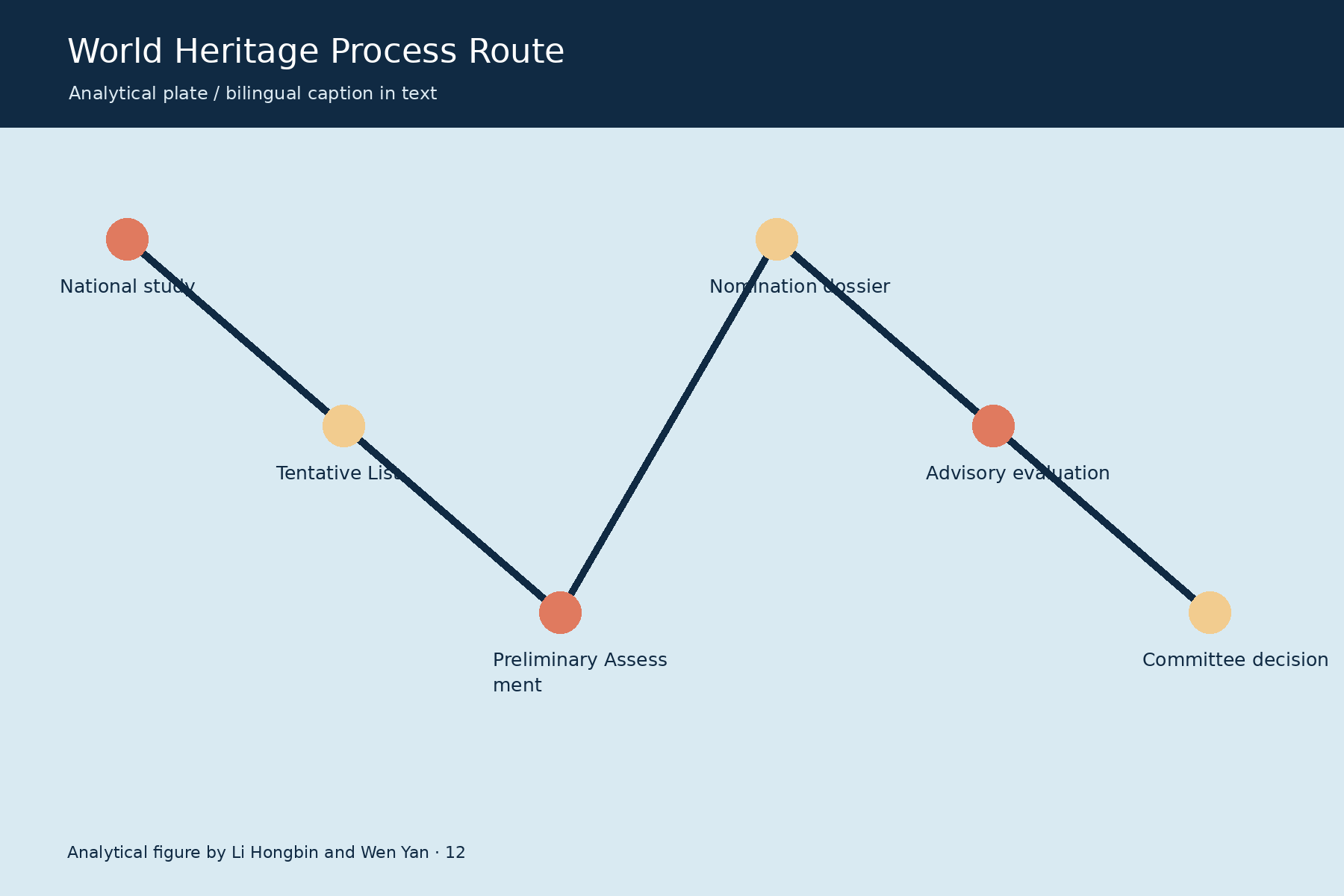
图 79 世界遗产程序路线 / Figure 79 World Heritage Process Route
图解说明:世界遗产程序路线由作者依据本章所引官方档案、历史地图与机构资料绘制,用于呈现材料之间的空间或时间关系;原始地图、照片与档案出处见图注及章末文献。 Figure note: World Heritage Process Route was drawn by the authors from the official archives, historical maps and institutional sources cited in this chapter. It visualises spatial or temporal relations; references to the original maps, photographs and files appear in the caption and chapter sources.
10. 市场更新后的连续与损失 / Continuity and Loss after Market Renewal
在“市场更新后的连续与损失”这一题目下,商品流通、摊位制度与日常交往共同塑造了市场的公共性构成了真正的历史线索。租约、执照、货物流向、设计图、报刊与商户口述把行动者、场所与后果重新置于同一叙述之中。 Continuity and Loss after Market Renewal belongs to a longer transformation of old and new Geylang Serai market. Materials including design drawings, tenancy transitions and use observation show how, in 2003–present, architects, agencies, hawkers and customers participated in changes through which architectural replacement retained some functions while altering scale, memory and informal practice.
有关“市场更新后的连续与损失”的任何单一来源都只能照亮局部。只有把决策记录、空间证据与当事人的生活经验并置,才不会以一种声音代替整个街区。 No source represents the whole district in the history of Continuity and Loss after Market Renewal. Decisions, spatial evidence and remembered experience have to be read together if one voice is not to stand for all others.
关于“市场更新后的连续与损失”,这里值得保存的并不是抽象的怀旧,而是可辨认的历史关系。市场的历史价值来自长期维持的交换关系,而不只是一座建筑的外观,并使今日街区仍能解释其来路。 In the case of Continuity and Loss after Market Renewal, The object of conservation is not nostalgia but an intelligible historical relationship. The market's historical value lies in enduring relations of exchange, not in architectural appearance alone, provided that the relationship remains visible in the district today.
对“市场更新后的连续与损失”的解释,可以确定的,是资料共同指向的关系;仍须保留的疑问,则来自商业延续、空间更新与节庆展示之间需要分别考察。二者在叙述中分别交代。 For Continuity and Loss after Market Renewal, What can be stated securely is separated from what remains uncertain. The principal reservation is that commercial continuity, physical renewal and festival display require separate assessment.
主要资料 / Principal sources: National Library Board, NewspaperSG and Infopedia, https://eresources.nlb.gov.sg/newspapers/ ; https://www.nlb.gov.sg/main/article-detail
本章结论 / Chapter Conclusion
市场与节庆把跨境商品、家庭礼仪和国家城市治理聚集在同一条街上。它们最有说服力的遗产意义来自重复发生的社会关系,而不是节庆期间的视觉奇观;保护政策因而必须同时关心商户延续、租金压力与公共空间。 Market and festival bring cross-border goods, household rites and national urban management onto the same streets. Their strongest heritage significance lies in recurring social relations rather than seasonal spectacle; conservation policy must therefore address trader continuity, rental pressure and public space together.
第二十三章 比较城市档案:海峡世界与全球多元城市遗产
Chapter Twenty-Three Comparative Urban Archives: The Straits World and Multicultural Urban Heritage
世界遗产比较的目的不是寻找外观相似的旧城,而是判断一种价值是否已经由其他遗产地充分代表。马六甲、乔治市、甘榜格南、桑给巴尔、吉达及新加坡植物园分别提供港市、宗教商业、国家程序和管理能力的参照,也反衬出芽笼士乃的现代化处境。 World Heritage comparison does not seek old towns of similar appearance; it asks whether a proposed value is already adequately represented. Melaka, George Town, Kampong Gelam, Stone Town, Historic Jeddah and Singapore Botanic Gardens provide distinct references for port cities, religious commerce, national procedure and management capacity, sharpening the modern predicament of Geylang Serai.
1. 比较不是相似性清单 / Comparison Is Not a List of Similarities
“比较不是相似性清单”不宜孤立阅读;它属于地方历史只有通过清楚的遗产要素、空间范围与保护责任,才能进入国际比较的较长过程。借助提名文件、比较研究、规划文本、现场调查与管理记录,事件与日常生活之间的联系才得以显现。 The surviving record of Comparison Is Not a List of Similarities links global comparative field to the wider conditions of comparative present. Its value lies in showing how comparison tests whether the proposed value is rare, representative and credibly embodied, with researchers, States Parties and advisory bodies occupying distinct and sometimes conflicting positions.
“比较不是相似性清单”的史料并不总能完全吻合。日期、地名、统计范围或叙述立场出现差异时,应保留分歧,并说明各自能够支持的结论。 The record of Comparison Is Not a List of Similarities is not always consistent. Disagreement over dates, names, statistical reach or causation is retained, with each source used only for what it can reasonably establish.
关于“比较不是相似性清单”,从遗产角度看,价值陈述需要回到仍可辨认、能够保护并由社区持续使用的具体场所。这种意义只有在历史资料仍能同具体道路、建筑、机构或使用方式对应时才成立。 In the case of Comparison Is Not a List of Similarities, Its heritage significance lies in a demonstrable connection between record and place. A statement of value remains credible only when it returns to identifiable places that can be protected and sustained; that connection remains persuasive only where it can be located in streets, buildings, institutions or continuing use.
对“比较不是相似性清单”的解释,这一解释也有明确边界:文化重要性本身不能代替完整性、真实性和有效管理。资料不足之处留作开放问题,不以顺畅叙事填补。 For Comparison Is Not a List of Similarities, The interpretation has a clear boundary: cultural importance alone does not establish integrity, authenticity or effective management. Questions beyond the evidence remain open rather than being completed by narrative convenience.
主要资料 / Principal sources: UNESCO World Heritage Centre, Operational Guidelines (2025), https://whc.unesco.org/en/guidelines/
2. 马六甲与乔治市:海峡殖民城市 / Melaka and George Town: Straits Colonial Cities
围绕“马六甲与乔治市:海峡殖民城市”保存下来的提名文件、比较研究、规划文本、现场调查与管理记录,共同指向地方历史只有通过清楚的遗产要素、空间范围与保护责任,才能进入国际比较。这些材料让变化不再只是年代上的先后,而成为社会关系的重新安排。 Seen from Straits of Malacca, Melaka and George Town: Straits Colonial Cities was not a self-contained episode. World Heritage dossier and urban fabric situates trading communities and colonial administrations within colonial era–present and clarifies how port-city exchange survives in dense historic cores and plural architectural traditions.
“马六甲与乔治市:海峡殖民城市”所采用的资料来自不同制度环境。其可信度既取决于内容,也取决于谁制作、为何制作以及哪些经验未被记录。 The materials used for Melaka and George Town: Straits Colonial Cities arose in different institutional settings. Their force depends not only on content but also on authorship, purpose and the experiences left outside the record.
关于“马六甲与乔治市:海峡殖民城市”,今天仍可追索的价值在于:价值陈述需要回到仍可辨认、能够保护并由社区持续使用的具体场所。场所、制度和社群实践之间的联系,比孤立保存某一件物证更能说明其历史深度。 In the case of Melaka and George Town: Straits Colonial Cities, What survives is a relationship rather than an isolated relic. A statement of value remains credible only when it returns to identifiable places that can be protected and sustained, giving present-day places the capacity to explain their own history.
对“马六甲与乔治市:海峡殖民城市”的解释,现有材料能够说明过程,却不能消除所有不确定性。文化重要性本身不能代替完整性、真实性和有效管理;相关结论因此只覆盖能够相互印证的部分。 For Melaka and George Town: Straits Colonial Cities, The material establishes a process without resolving every uncertainty. Because cultural importance alone does not establish integrity, authenticity or effective management, the conclusion extends only as far as independently converging evidence allows.
主要资料 / Principal sources: UNESCO World Heritage Centre, Operational Guidelines (2025), https://whc.unesco.org/en/guidelines/
3. 甘榜格南:国家内部的近邻 / Kampong Gelam: The Nearest National Comparator
从“甘榜格南:国家内部的近邻”出发,可以看到土地、制度与社区生活在长期变化中彼此塑造。行政文件、地图、报刊、建筑与口述资料提供了互不相同的尺度,也揭示了公共制度怎样进入普通人的生活。 Evidence concerning Kampong Gelam: The Nearest National Comparator brings institutional history into the everyday spaces of central Singapore. In nineteenth century–present, Malay royalty, merchants, congregations and planners shaped a process through which a protected historic district clarifies what Geylang Serai shares and what its suburban trajectory changes.
“甘榜格南:国家内部的近邻”所依据的材料不能相互替代。官方记录偏重程序,报刊受消息来源与版面制约,地图压缩空间,口述回忆则保留制度文件不易进入的生活经验。 The sources for Kampong Gelam: The Nearest National Comparator are not interchangeable. Official files privilege procedure, newspapers depend on editorial selection, maps reduce lived space to surveyed form, and testimony retains experiences that administration seldom records.
关于“甘榜格南:国家内部的近邻”,这段历史与当下的联系并非象征性的;历史意义来自关系的延续与变化,而不是单一事件或单一建筑。能够指出这种联系落在何处,才使遗产解释具有公共意义。 In the case of Kampong Gelam: The Nearest National Comparator, The link with the present is practical rather than symbolic. Its historical significance lies in changing relationships rather than in a single event or monument; archival evidence, physical setting and continuing use therefore have to support one another.
对“甘榜格南:国家内部的近邻”的解释,需要谨慎之处在于,资料之间的年代、范围与制作目的需要分别辨明。这不会削弱已经成立的事实,却限制了因果判断可以延伸的距离。 For Kampong Gelam: The Nearest National Comparator, Caution is required because the date, scope and original purpose of each source still require careful distinction. This does not unsettle the documented facts, but it narrows the causal claims that may be drawn from them.
主要资料 / Principal sources: UNESCO World Heritage Centre, Operational Guidelines (2025), https://whc.unesco.org/en/guidelines/
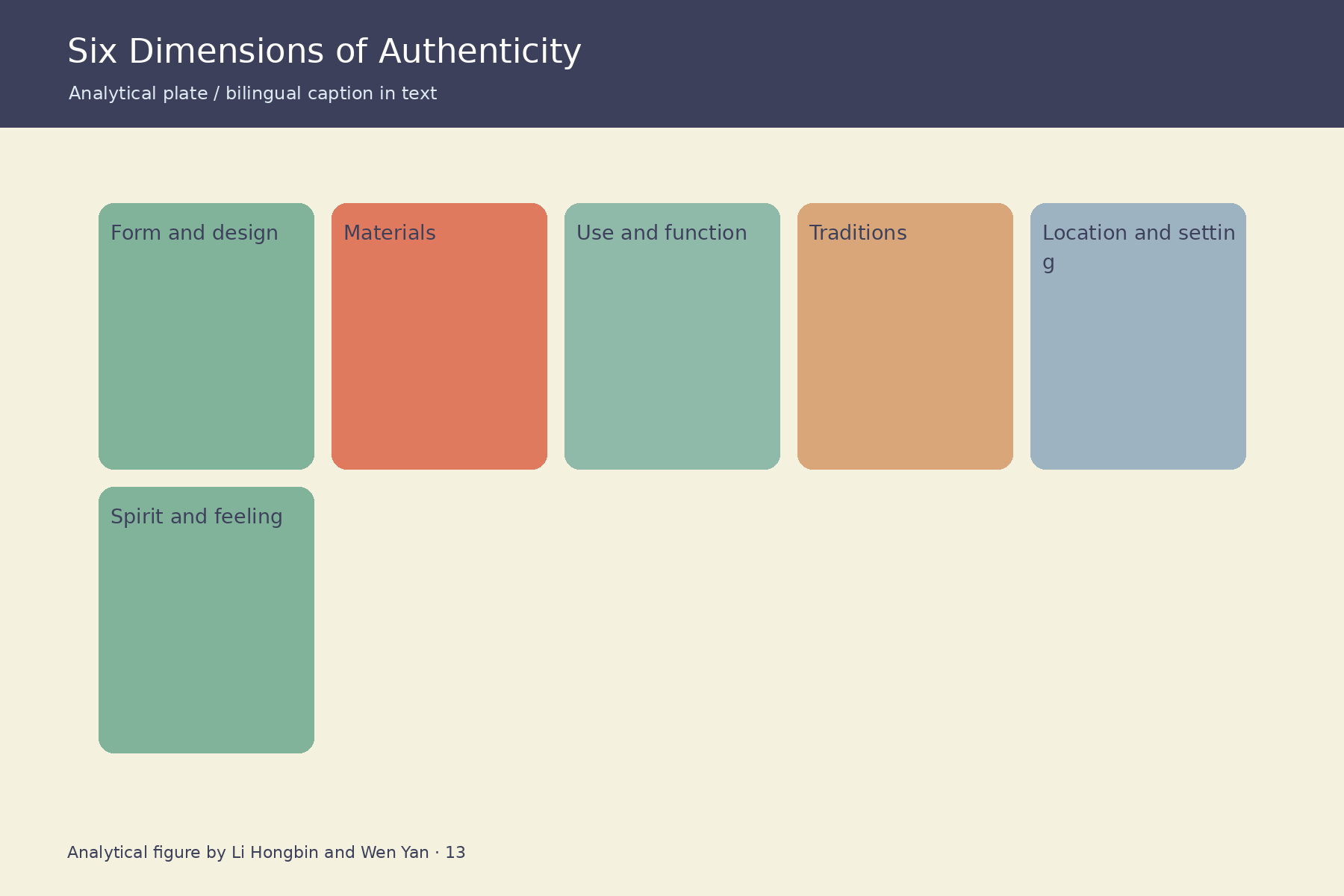
图 80 真实性的六个维度 / Figure 80 Six Dimensions of Authenticity
图解说明:真实性的六个维度由作者依据本章所引官方档案、历史地图与机构资料绘制,用于呈现材料之间的空间或时间关系;原始地图、照片与档案出处见图注及章末文献。 Figure note: Six Dimensions of Authenticity was drawn by the authors from the official archives, historical maps and institutional sources cited in this chapter. It visualises spatial or temporal relations; references to the original maps, photographs and files appear in the caption and chapter sources.
4. 爪哇与马来半岛的市场城镇 / Market Towns of Java and the Malay Peninsula
“爪哇与马来半岛的市场城镇”之所以重要,在于它具体呈现了商品流通、摊位制度与日常交往共同塑造了市场的公共性。租约、执照、货物流向、设计图、报刊与商户口述既记录行动,也留下行动在空间和社群中的回声。 Market Towns of Java and the Malay Peninsula offers a close view of change in Southeast Asian urban network. The record—principally urban histories and market typologies—shows how traders, migrants and municipal authorities responded during nineteenth–twentieth centuries, when markets mediated rural production and colonial or national urbanisation.
围绕“爪哇与马来半岛的市场城镇”出现的材料差异本身就是历史信息:行政文件说明制度如何理解问题,现场影像与个人叙述则揭示执行过程中的感受和盲点。 Differences among the records of Market Towns of Java and the Malay Peninsula are historically meaningful. Administrative papers show how institutions defined a problem, while images and recollections disclose consequences that formal reporting may overlook.
关于“爪哇与马来半岛的市场城镇”,其遗产意义最终回到现实中的场所与责任:市场的历史价值来自长期维持的交换关系,而不只是一座建筑的外观。档案、建筑和持续使用由此形成相互印证的关系。 In the case of Market Towns of Java and the Malay Peninsula, Heritage value returns here to identifiable places and responsibilities. The market's historical value lies in enduring relations of exchange, not in architectural appearance alone, and the surviving setting gives that history a public form.
对“爪哇与马来半岛的市场城镇”的解释,历史解释到证据停止之处为止。由于商业延续、空间更新与节庆展示之间需要分别考察,尚不能把局部经验概括为整个时期或全部社群的共同经历。 For Market Towns of Java and the Malay Peninsula, Historical interpretation stops where the record does. Since commercial continuity, physical renewal and festival display require separate assessment, a local experience should not be made to represent every community or the entire period.
主要资料 / Principal sources: UNESCO World Heritage Centre, Operational Guidelines (2025), https://whc.unesco.org/en/guidelines/
5. 桑给巴尔石头城:印度洋多元城市 / Stone Town of Zanzibar: An Indian Ocean Plural City
考察“桑给巴尔石头城:印度洋多元城市”时,最值得注意的是地方历史只有通过清楚的遗产要素、空间范围与保护责任,才能进入国际比较。提名文件、比较研究、规划文本、现场调查与管理记录把宏观制度同地方经验连接起来,使变化的路径可以追索。 The significance of Stone Town of Zanzibar: An Indian Ocean Plural City emerges from the relationship between Zanzibar, nineteenth century–present and African, Arab, Indian and European communities. World Heritage documentation makes it possible to trace how built fabric records long-distance exchange under sharply different political and material conditions.
“桑给巴尔石头城:印度洋多元城市”在不同载体中呈现出不同时间尺度。把形成日期、制作目的和保存路径交代清楚,比追求整齐一致的故事更重要。 The materials relating to Stone Town of Zanzibar: An Indian Ocean Plural City work to different timescales. Date of creation, original purpose and custodial history therefore matter more than forcing the evidence into a single seamless account.
关于“桑给巴尔石头城:印度洋多元城市”,这里值得保存的并不是抽象的怀旧,而是可辨认的历史关系。价值陈述需要回到仍可辨认、能够保护并由社区持续使用的具体场所,并使今日街区仍能解释其来路。 In the case of Stone Town of Zanzibar: An Indian Ocean Plural City, The object of conservation is not nostalgia but an intelligible historical relationship. A statement of value remains credible only when it returns to identifiable places that can be protected and sustained, provided that the relationship remains visible in the district today.
对“桑给巴尔石头城:印度洋多元城市”的解释,可以确定的,是资料共同指向的关系;仍须保留的疑问,则来自文化重要性本身不能代替完整性、真实性和有效管理。二者在叙述中分别交代。 For Stone Town of Zanzibar: An Indian Ocean Plural City, What can be stated securely is separated from what remains uncertain. The principal reservation is that cultural importance alone does not establish integrity, authenticity or effective management.
主要资料 / Principal sources: UNESCO World Heritage Centre, Operational Guidelines (2025), https://whc.unesco.org/en/guidelines/
6. 吉达历史城区:朝觐与商业 / Historic Jeddah: Pilgrimage and Commerce
“吉达历史城区:朝觐与商业”位于宗教、教育与互助机构把信仰实践同土地、照护和社区组织连接起来的交汇处。建筑记录、受托文件、学校名册、仪式路线与社群回忆各自保存一部分事实,合读之后才形成较完整的历史图景。 Within the history of Red Sea, Historic Jeddah: Pilgrimage and Commerce marks a point at which religious mobility and trade formed a monumental mercantile city unlike Geylang Serai’s lower-rise suburban landscape. Produced during seventh century–present, World Heritage documentation preserves the roles of pilgrims, merchants and urban households in that change.
有关“吉达历史城区:朝觐与商业”的任何单一来源都只能照亮局部。只有把决策记录、空间证据与当事人的生活经验并置,才不会以一种声音代替整个街区。 No source represents the whole district in the history of Historic Jeddah: Pilgrimage and Commerce. Decisions, spatial evidence and remembered experience have to be read together if one voice is not to stand for all others.
关于“吉达历史城区:朝觐与商业”,从遗产角度看,机构的延续不仅见于建筑,也见于管理责任、使用习惯与社区关系。这种意义只有在历史资料仍能同具体道路、建筑、机构或使用方式对应时才成立。 In the case of Historic Jeddah: Pilgrimage and Commerce, Its heritage significance lies in a demonstrable connection between record and place. Institutional continuity resides in stewardship and use as well as in surviving fabric; that connection remains persuasive only where it can be located in streets, buildings, institutions or continuing use.
对“吉达历史城区:朝觐与商业”的解释,这一解释也有明确边界:名称沿用并不必然意味着地点、组织和传统从未中断。资料不足之处留作开放问题,不以顺畅叙事填补。 For Historic Jeddah: Pilgrimage and Commerce, The interpretation has a clear boundary: a continuous name does not by itself prove an unbroken place, organisation or tradition. Questions beyond the evidence remain open rather than being completed by narrative convenience.
主要资料 / Principal sources: UNESCO World Heritage Centre, Operational Guidelines (2025), https://whc.unesco.org/en/guidelines/
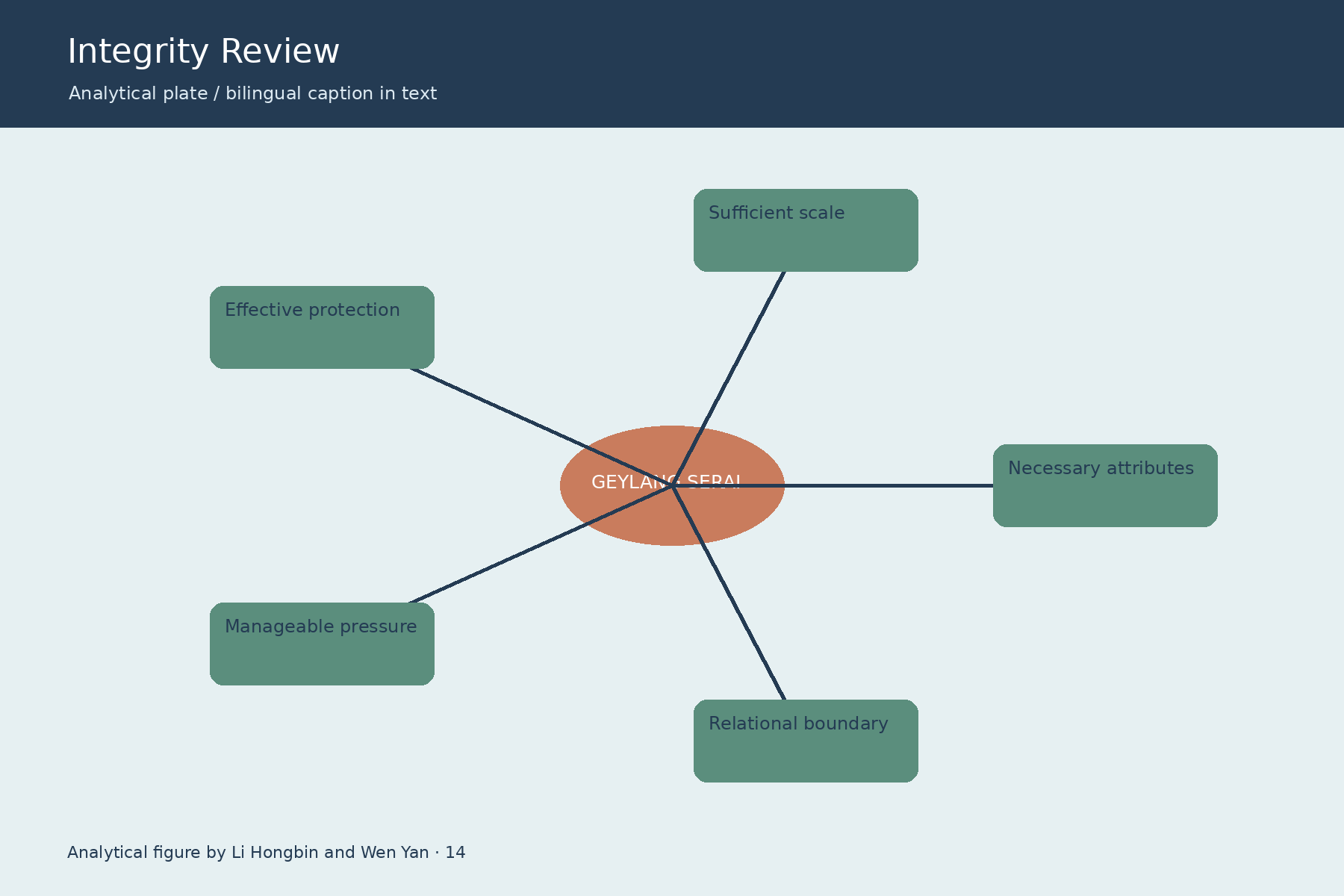
图 81 完整性审查 / Figure 81 Integrity Review
图解说明:完整性审查由作者依据本章所引官方档案、历史地图与机构资料绘制,用于呈现材料之间的空间或时间关系;原始地图、照片与档案出处见图注及章末文献。 Figure note: Integrity Review was drawn by the authors from the official archives, historical maps and institutional sources cited in this chapter. It visualises spatial or temporal relations; references to the original maps, photographs and files appear in the caption and chapter sources.
7. 新加坡植物园:同一国家的申遗经验 / Singapore Botanic Gardens: A National Procedural Comparator
有关“新加坡植物园:同一国家的申遗经验”的材料首先说明了地方历史只有通过清楚的遗产要素、空间范围与保护责任,才能进入国际比较。提名文件、比较研究、规划文本、现场调查与管理记录从不同方向进入同一问题,呈现了决定、执行与回应之间的距离。 Singapore Botanic Gardens: A National Procedural Comparator draws together evidence from nomination dossier and management plan around Singapore. The materials place state agencies, scientists and visitors in the circumstances of nineteenth century–present and reveal how a state-managed institutional landscape demonstrates procedural capacity but not community-based equivalence.
“新加坡植物园:同一国家的申遗经验”的史料并不总能完全吻合。日期、地名、统计范围或叙述立场出现差异时,应保留分歧,并说明各自能够支持的结论。 The record of Singapore Botanic Gardens: A National Procedural Comparator is not always consistent. Disagreement over dates, names, statistical reach or causation is retained, with each source used only for what it can reasonably establish.
关于“新加坡植物园:同一国家的申遗经验”,今天仍可追索的价值在于:价值陈述需要回到仍可辨认、能够保护并由社区持续使用的具体场所。场所、制度和社群实践之间的联系,比孤立保存某一件物证更能说明其历史深度。 In the case of Singapore Botanic Gardens: A National Procedural Comparator, What survives is a relationship rather than an isolated relic. A statement of value remains credible only when it returns to identifiable places that can be protected and sustained, giving present-day places the capacity to explain their own history.
对“新加坡植物园:同一国家的申遗经验”的解释,现有材料能够说明过程,却不能消除所有不确定性。文化重要性本身不能代替完整性、真实性和有效管理;相关结论因此只覆盖能够相互印证的部分。 For Singapore Botanic Gardens: A National Procedural Comparator, The material establishes a process without resolving every uncertainty. Because cultural importance alone does not establish integrity, authenticity or effective management, the conclusion extends only as far as independently converging evidence allows.
主要资料 / Principal sources: UNESCO World Heritage Centre, Operational Guidelines (2025), https://whc.unesco.org/en/guidelines/
8. 现代化程度能否成为反向独特性 / Can Extensive Modernisation Become a Distinctive Problem?
“现代化程度能否成为反向独特性”提供了观察地方历史只有通过清楚的遗产要素、空间范围与保护责任,才能进入国际比较的一扇窗口。提名文件、比较研究、规划文本、现场调查与管理记录并置之后,场所中的连续、断裂与重新适应均可辨认。 To read Can Extensive Modernisation Become a Distinctive Problem? historically is to connect Geylang Serai with the pressures of post-war–present. comparative integrity analysis records how planners, communities and heritage experts became involved in a process whereby the case may be globally significant as managed continuity only if surviving attributes remain legible.
“现代化程度能否成为反向独特性”所采用的资料来自不同制度环境。其可信度既取决于内容,也取决于谁制作、为何制作以及哪些经验未被记录。 The materials used for Can Extensive Modernisation Become a Distinctive Problem? arose in different institutional settings. Their force depends not only on content but also on authorship, purpose and the experiences left outside the record.
关于“现代化程度能否成为反向独特性”,这段历史与当下的联系并非象征性的;价值陈述需要回到仍可辨认、能够保护并由社区持续使用的具体场所。能够指出这种联系落在何处,才使遗产解释具有公共意义。 In the case of Can Extensive Modernisation Become a Distinctive Problem?, The link with the present is practical rather than symbolic. A statement of value remains credible only when it returns to identifiable places that can be protected and sustained; archival evidence, physical setting and continuing use therefore have to support one another.
对“现代化程度能否成为反向独特性”的解释,需要谨慎之处在于,文化重要性本身不能代替完整性、真实性和有效管理。这不会削弱已经成立的事实,却限制了因果判断可以延伸的距离。 For Can Extensive Modernisation Become a Distinctive Problem?, Caution is required because cultural importance alone does not establish integrity, authenticity or effective management. This does not unsettle the documented facts, but it narrows the causal claims that may be drawn from them.
主要资料 / Principal sources: UNESCO World Heritage Centre, Operational Guidelines (2025), https://whc.unesco.org/en/guidelines/
9. 系列遗产还是文化景观 / Serial Property or Cultural Landscape
“系列遗产还是文化景观”把视线带回水系、道路、地块与建成环境在不同时期相互改写这一历史过程。地图、测量图、地籍记录与工程文件留下彼此不同的观察位置;合在一起,它们使这一变化的社会后果变得清楚。 Serial Property or Cultural Landscape is best understood in the setting of proposed places and their relationships during nomination horizon. typological and boundary analysis records the positions taken by experts, agencies and communities, and together the sources show how property type determines how dispersed attributes and living practices must be justified.
“系列遗产还是文化景观”所依据的材料不能相互替代。官方记录偏重程序,报刊受消息来源与版面制约,地图压缩空间,口述回忆则保留制度文件不易进入的生活经验。 The sources for Serial Property or Cultural Landscape are not interchangeable. Official files privilege procedure, newspapers depend on editorial selection, maps reduce lived space to surveyed form, and testimony retains experiences that administration seldom records.
关于“系列遗产还是文化景观”,其遗产意义最终回到现实中的场所与责任:空间变化只有在旧地图、现状地形与使用方式相互印证时才显出历史层次。档案、建筑和持续使用由此形成相互印证的关系。 In the case of Serial Property or Cultural Landscape, Heritage value returns here to identifiable places and responsibilities. Spatial change becomes legible only when historic mapping is compared with present topography and use, and the surviving setting gives that history a public form.
对“系列遗产还是文化景观”的解释,历史解释到证据停止之处为止。由于比例尺、测绘目的与地名沿革会影响地图之间的对应关系,尚不能把局部经验概括为整个时期或全部社群的共同经历。 For Serial Property or Cultural Landscape, Historical interpretation stops where the record does. Since scale, surveying purpose and changing place-names complicate direct comparison, a local experience should not be made to represent every community or the entire period.
主要资料 / Principal sources: UNESCO World Heritage Centre, Operational Guidelines (2025), https://whc.unesco.org/en/guidelines/
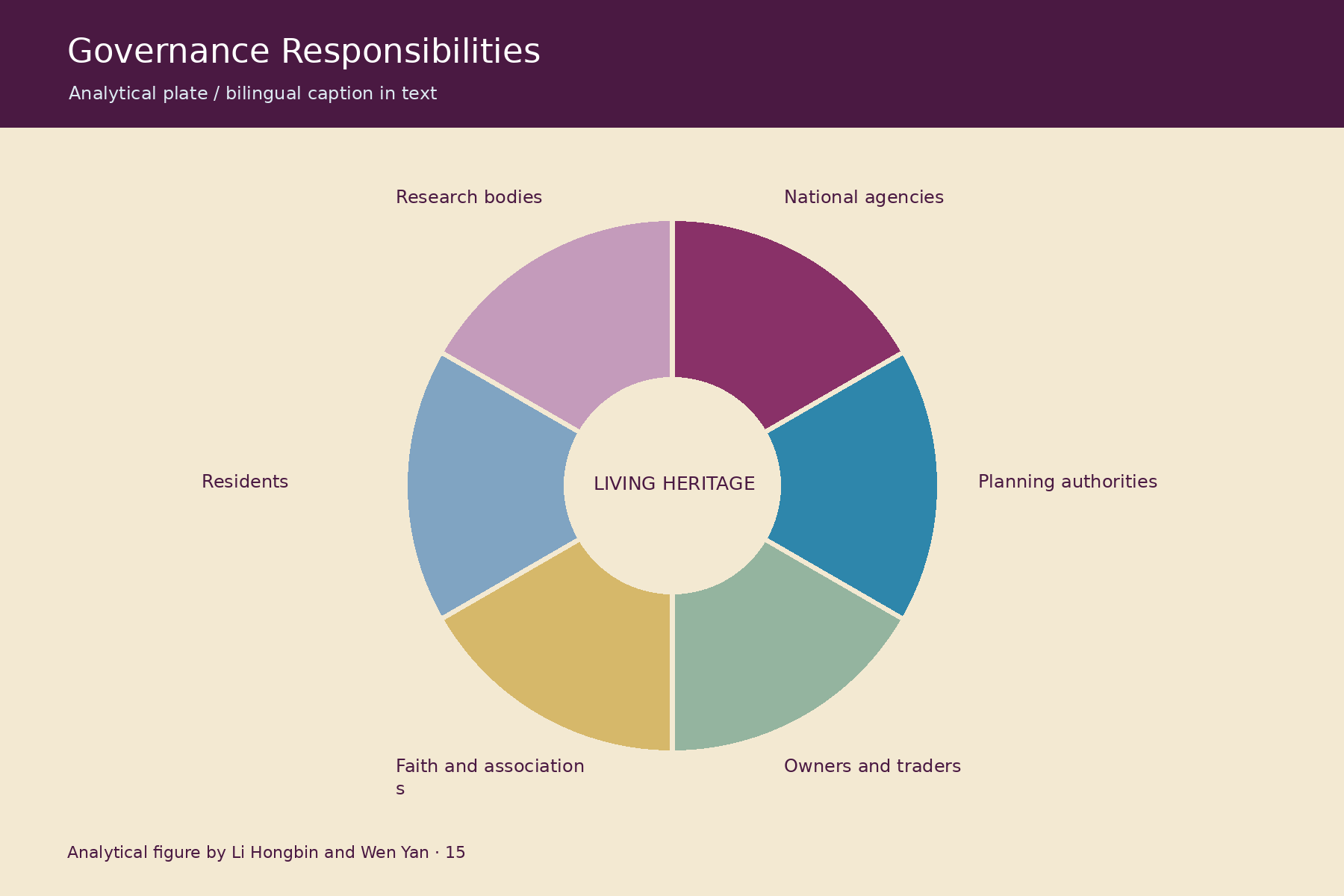
图 82 治理责任图 / Figure 82 Governance Responsibilities
图解说明:治理责任图由作者依据本章所引官方档案、历史地图与机构资料绘制,用于呈现材料之间的空间或时间关系;原始地图、照片与档案出处见图注及章末文献。 Figure note: Governance Responsibilities was drawn by the authors from the official archives, historical maps and institutional sources cited in this chapter. It visualises spatial or temporal relations; references to the original maps, photographs and files appear in the caption and chapter sources.
10. 比较结论:申报条件与论证边界 / Comparative Finding: Conditions and Limits
理解“比较结论:可申报性与审查界限”,应从地方历史只有通过清楚的遗产要素、空间范围与保护责任,才能进入国际比较入手。现存的提名文件、比较研究、规划文本、现场调查与管理记录并非同声复述,却共同保存了制度变化进入街区生活的轨迹。 At international field, Comparative Finding: Viability and Review Thresholds unfolded within the institutional conditions of present. Read alongside one another, comparative synthesis reveals how authors, reviewers and decision-makers encountered a process in which the project should proceed only if material attributes, governance and comparative distinctiveness converge.
围绕“比较结论:可申报性与审查界限”出现的材料差异本身就是历史信息:行政文件说明制度如何理解问题,现场影像与个人叙述则揭示执行过程中的感受和盲点。 Differences among the records of Comparative Finding: Viability and Review Thresholds are historically meaningful. Administrative papers show how institutions defined a problem, while images and recollections disclose consequences that formal reporting may overlook.
关于“比较结论:可申报性与审查界限”,这里值得保存的并不是抽象的怀旧,而是可辨认的历史关系。价值陈述需要回到仍可辨认、能够保护并由社区持续使用的具体场所,并使今日街区仍能解释其来路。 In the case of Comparative Finding: Viability and Review Thresholds, The object of conservation is not nostalgia but an intelligible historical relationship. A statement of value remains credible only when it returns to identifiable places that can be protected and sustained, provided that the relationship remains visible in the district today.
对“比较结论:可申报性与审查界限”的解释,可以确定的,是资料共同指向的关系;仍须保留的疑问,则来自文化重要性本身不能代替完整性、真实性和有效管理。二者在叙述中分别交代。 For Comparative Finding: Viability and Review Thresholds, What can be stated securely is separated from what remains uncertain. The principal reservation is that cultural importance alone does not establish integrity, authenticity or effective management.
主要资料 / Principal sources: UNESCO World Heritage Centre, Operational Guidelines (2025), https://whc.unesco.org/en/guidelines/
本章结论 / Chapter Conclusion
国际比较排除了“多元文化本身即为独特”的简化结论。芽笼士乃真正可能贡献于世界遗产讨论的,是一个经历深度现代化、仍由市场与社区制度维持关系的海峡城市片区;这一命题能否成立,最终取决于现存属性的密度和保护能力。 International comparison rules out the simple proposition that multiculturalism is unique in itself. Geylang Serai may instead contribute the case of a Straits urban district deeply transformed by modernisation yet still held together by market and community institutions. Its viability depends on the density of surviving attributes and the capacity to protect them.
第二十四章 从研究文本到提名文件
Chapter Twenty-Four From Research Text to Nomination Dossier
世界遗产提名把历史解释转化为国家责任。价值必须落实到属性,属性必须进入边界,边界必须受到法律和管理保护,社区也必须能够参与决定。本章依次讨论这一链条,并说明学术研究与正式国家提名之间的界线。 World Heritage nomination converts historical interpretation into state responsibility. Value must be located in attributes, attributes placed within boundaries, boundaries secured by law and management, and communities enabled to participate in decisions. This chapter follows that chain while distinguishing scholarship from formal state nomination.
1. 提名权属于国家 / Nomination Authority Belongs to the State
“提名权属于国家”所呈现的核心问题,是地方历史只有通过清楚的遗产要素、空间范围与保护责任,才能进入国际比较。提名文件、比较研究、规划文本、现场调查与管理记录分别记录决策、空间与经验,因而能够还原变化发生的层次。 The historical problem posed by Nomination Authority Belongs to the State concerns scholarship can prepare evidence but cannot substitute for sovereign nomination. Evidence from Convention procedures and national decisions, produced in Singapore and UNESCO system during present procedural cycle, places State Party, agencies and communities within that process rather than outside it.
“提名权属于国家”在不同载体中呈现出不同时间尺度。把形成日期、制作目的和保存路径交代清楚,比追求整齐一致的故事更重要。 The materials relating to Nomination Authority Belongs to the State work to different timescales. Date of creation, original purpose and custodial history therefore matter more than forcing the evidence into a single seamless account.
关于“提名权属于国家”,从遗产角度看,价值陈述需要回到仍可辨认、能够保护并由社区持续使用的具体场所。这种意义只有在历史资料仍能同具体道路、建筑、机构或使用方式对应时才成立。 In the case of Nomination Authority Belongs to the State, Its heritage significance lies in a demonstrable connection between record and place. A statement of value remains credible only when it returns to identifiable places that can be protected and sustained; that connection remains persuasive only where it can be located in streets, buildings, institutions or continuing use.
对“提名权属于国家”的解释,这一解释也有明确边界:文化重要性本身不能代替完整性、真实性和有效管理。资料不足之处留作开放问题,不以顺畅叙事填补。 For Nomination Authority Belongs to the State, The interpretation has a clear boundary: cultural importance alone does not establish integrity, authenticity or effective management. Questions beyond the evidence remain open rather than being completed by narrative convenience.
主要资料 / Principal sources: UNESCO World Heritage Centre, Operational Guidelines (2025), https://whc.unesco.org/en/guidelines/
2. 暂定名单与前期评估 / Tentative List and Preliminary Assessment
在“暂定名单与前期评估”这一题目下,土地、制度与社区生活在长期变化中彼此塑造构成了真正的历史线索。行政文件、地图、报刊、建筑与口述资料把行动者、场所与后果重新置于同一叙述之中。 Tentative List and Preliminary Assessment belongs to a longer transformation of national and international process. Materials including Operational Guidelines and submission formats show how, in current UNESCO procedure, State Party, World Heritage Centre and Advisory Bodies participated in changes through which early evaluation tests viability before a full dossier absorbs greater resources.
有关“暂定名单与前期评估”的任何单一来源都只能照亮局部。只有把决策记录、空间证据与当事人的生活经验并置,才不会以一种声音代替整个街区。 No source represents the whole district in the history of Tentative List and Preliminary Assessment. Decisions, spatial evidence and remembered experience have to be read together if one voice is not to stand for all others.
关于“暂定名单与前期评估”,今天仍可追索的价值在于:历史意义来自关系的延续与变化,而不是单一事件或单一建筑。场所、制度和社群实践之间的联系,比孤立保存某一件物证更能说明其历史深度。 In the case of Tentative List and Preliminary Assessment, What survives is a relationship rather than an isolated relic. Its historical significance lies in changing relationships rather than in a single event or monument, giving present-day places the capacity to explain their own history.
对“暂定名单与前期评估”的解释,现有材料能够说明过程,却不能消除所有不确定性。资料之间的年代、范围与制作目的需要分别辨明;相关结论因此只覆盖能够相互印证的部分。 For Tentative List and Preliminary Assessment, The material establishes a process without resolving every uncertainty. Because the date, scope and original purpose of each source still require careful distinction, the conclusion extends only as far as independently converging evidence allows.
主要资料 / Principal sources: UNESCO World Heritage Centre, Operational Guidelines (2025), https://whc.unesco.org/en/guidelines/
3. 价值陈述必须绑定属性 / A Value Statement Must Be Bound to Attributes
“价值陈述必须绑定属性”不宜孤立阅读;它属于水系、道路、地块与建成环境在不同时期相互改写的较长过程。借助地图、测量图、地籍记录与工程文件,事件与日常生活之间的联系才得以显现。 The surviving record of A Value Statement Must Be Bound to Attributes links the proposed property to the wider conditions of nomination preparation. Its value lies in showing how abstract multiculturalism becomes assessable only through located, protected and legible carriers, with heritage specialists and custodians occupying distinct and sometimes conflicting positions.
“价值陈述必须绑定属性”的史料并不总能完全吻合。日期、地名、统计范围或叙述立场出现差异时,应保留分歧,并说明各自能够支持的结论。 The record of A Value Statement Must Be Bound to Attributes is not always consistent. Disagreement over dates, names, statistical reach or causation is retained, with each source used only for what it can reasonably establish.
关于“价值陈述必须绑定属性”,这段历史与当下的联系并非象征性的;空间变化只有在旧地图、现状地形与使用方式相互印证时才显出历史层次。能够指出这种联系落在何处,才使遗产解释具有公共意义。 In the case of A Value Statement Must Be Bound to Attributes, The link with the present is practical rather than symbolic. Spatial change becomes legible only when historic mapping is compared with present topography and use; archival evidence, physical setting and continuing use therefore have to support one another.
对“价值陈述必须绑定属性”的解释,需要谨慎之处在于,比例尺、测绘目的与地名沿革会影响地图之间的对应关系。这不会削弱已经成立的事实,却限制了因果判断可以延伸的距离。 For A Value Statement Must Be Bound to Attributes, Caution is required because scale, surveying purpose and changing place-names complicate direct comparison. This does not unsettle the documented facts, but it narrows the causal claims that may be drawn from them.
主要资料 / Principal sources: UNESCO World Heritage Centre, Operational Guidelines (2025), https://whc.unesco.org/en/guidelines/
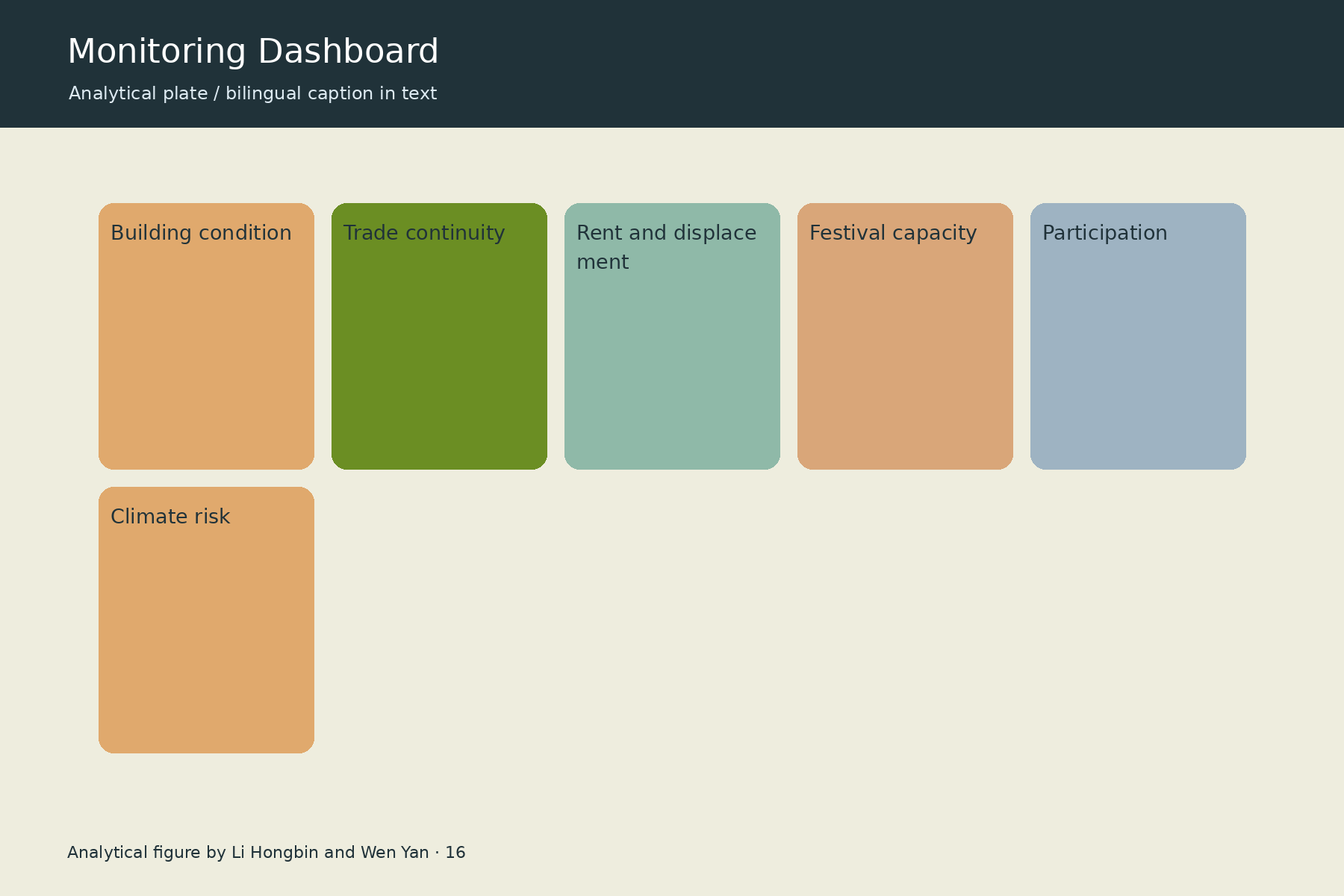
图 83 监测仪表盘 / Figure 83 Monitoring Dashboard
图解说明:监测仪表盘由作者依据本章所引官方档案、历史地图与机构资料绘制,用于呈现材料之间的空间或时间关系;原始地图、照片与档案出处见图注及章末文献。 Figure note: Monitoring Dashboard was drawn by the authors from the official archives, historical maps and institutional sources cited in this chapter. It visualises spatial or temporal relations; references to the original maps, photographs and files appear in the caption and chapter sources.
4. 标准(ii)的交流机制 / The Exchange Mechanism under Criterion (ii)
围绕“标准(ii)的交流机制”保存下来的提名文件、比较研究、规划文本、现场调查与管理记录,共同指向地方历史只有通过清楚的遗产要素、空间范围与保护责任,才能进入国际比较。这些材料让变化不再只是年代上的先后,而成为社会关系的重新安排。 Seen from Straits and neighbourhood networks, The Exchange Mechanism under Criterion (ii) was not a self-contained episode. comparative history and surviving fabric situates mobile communities, institutions and markets within long duration and clarifies how interchange must be shown through influence and transformation, not coexistence alone.
“标准(ii)的交流机制”所采用的资料来自不同制度环境。其可信度既取决于内容,也取决于谁制作、为何制作以及哪些经验未被记录。 The materials used for The Exchange Mechanism under Criterion (ii) arose in different institutional settings. Their force depends not only on content but also on authorship, purpose and the experiences left outside the record.
关于“标准(ii)的交流机制”,其遗产意义最终回到现实中的场所与责任:价值陈述需要回到仍可辨认、能够保护并由社区持续使用的具体场所。档案、建筑和持续使用由此形成相互印证的关系。 In the case of The Exchange Mechanism under Criterion (ii), Heritage value returns here to identifiable places and responsibilities. A statement of value remains credible only when it returns to identifiable places that can be protected and sustained, and the surviving setting gives that history a public form.
对“标准(ii)的交流机制”的解释,历史解释到证据停止之处为止。由于文化重要性本身不能代替完整性、真实性和有效管理,尚不能把局部经验概括为整个时期或全部社群的共同经历。 For The Exchange Mechanism under Criterion (ii), Historical interpretation stops where the record does. Since cultural importance alone does not establish integrity, authenticity or effective management, a local experience should not be made to represent every community or the entire period.
主要资料 / Principal sources: UNESCO World Heritage Centre, Operational Guidelines (2025), https://whc.unesco.org/en/guidelines/
5. 标准(iii)的见证门槛 / The Evidentiary Threshold under Criterion (iii)
从“标准(iii)的见证门槛”出发,可以看到土地、制度与社区生活在长期变化中彼此塑造。行政文件、地图、报刊、建筑与口述资料提供了互不相同的尺度,也揭示了公共制度怎样进入普通人的生活。 Evidence concerning The Evidentiary Threshold under Criterion (iii) brings institutional history into the everyday spaces of Malay urban life in Singapore. In nineteenth century–present, communities and institutions shaped a process through which exceptional testimony requires specificity and credible survival beyond general cultural importance.
“标准(iii)的见证门槛”所依据的材料不能相互替代。官方记录偏重程序,报刊受消息来源与版面制约,地图压缩空间,口述回忆则保留制度文件不易进入的生活经验。 The sources for The Evidentiary Threshold under Criterion (iii) are not interchangeable. Official files privilege procedure, newspapers depend on editorial selection, maps reduce lived space to surveyed form, and testimony retains experiences that administration seldom records.
关于“标准(iii)的见证门槛”,这里值得保存的并不是抽象的怀旧,而是可辨认的历史关系。历史意义来自关系的延续与变化,而不是单一事件或单一建筑,并使今日街区仍能解释其来路。 In the case of The Evidentiary Threshold under Criterion (iii), The object of conservation is not nostalgia but an intelligible historical relationship. Its historical significance lies in changing relationships rather than in a single event or monument, provided that the relationship remains visible in the district today.
对“标准(iii)的见证门槛”的解释,可以确定的,是资料共同指向的关系;仍须保留的疑问,则来自资料之间的年代、范围与制作目的需要分别辨明。二者在叙述中分别交代。 For The Evidentiary Threshold under Criterion (iii), What can be stated securely is separated from what remains uncertain. The principal reservation is that the date, scope and original purpose of each source still require careful distinction.
主要资料 / Principal sources: UNESCO World Heritage Centre, Operational Guidelines (2025), https://whc.unesco.org/en/guidelines/
6. 标准(v)与城市化压力 / Criterion (v) and Urbanisation Pressure
“标准(v)与城市化压力”之所以重要,在于它具体呈现了危机中的行政行动、公共传播与居民经验并不完全重合。官方文件、新闻报道、影像与个人记忆既记录行动,也留下行动在空间和社群中的回声。 Criterion (v) and Urbanisation Pressure offers a close view of change in settlement and market landscape. The record—principally land-use history and present condition—shows how residents, planners and developers responded during twentieth century–present, when vulnerability strengthens relevance only when an adequate representative ensemble survives.
围绕“标准(v)与城市化压力”出现的材料差异本身就是历史信息:行政文件说明制度如何理解问题,现场影像与个人叙述则揭示执行过程中的感受和盲点。 Differences among the records of Criterion (v) and Urbanisation Pressure are historically meaningful. Administrative papers show how institutions defined a problem, while images and recollections disclose consequences that formal reporting may overlook.
关于“标准(v)与城市化压力”,从遗产角度看,这些记录说明街区如何在紧张局势中维持生活,并在事后重新建立公共信任。这种意义只有在历史资料仍能同具体道路、建筑、机构或使用方式对应时才成立。 In the case of Criterion (v) and Urbanisation Pressure, Its heritage significance lies in a demonstrable connection between record and place. They show how ordinary life was sustained during crisis and how public confidence was rebuilt afterwards; that connection remains persuasive only where it can be located in streets, buildings, institutions or continuing use.
对“标准(v)与城市化压力”的解释,这一解释也有明确边界:不同机构的统计口径、拍摄视角与事后回忆之间仍有差异。资料不足之处留作开放问题,不以顺畅叙事填补。 For Criterion (v) and Urbanisation Pressure, The interpretation has a clear boundary: institutional counting, photographic framing and retrospective memory do not always coincide. Questions beyond the evidence remain open rather than being completed by narrative convenience.
主要资料 / Principal sources: UNESCO World Heritage Centre, Operational Guidelines (2025), https://whc.unesco.org/en/guidelines/
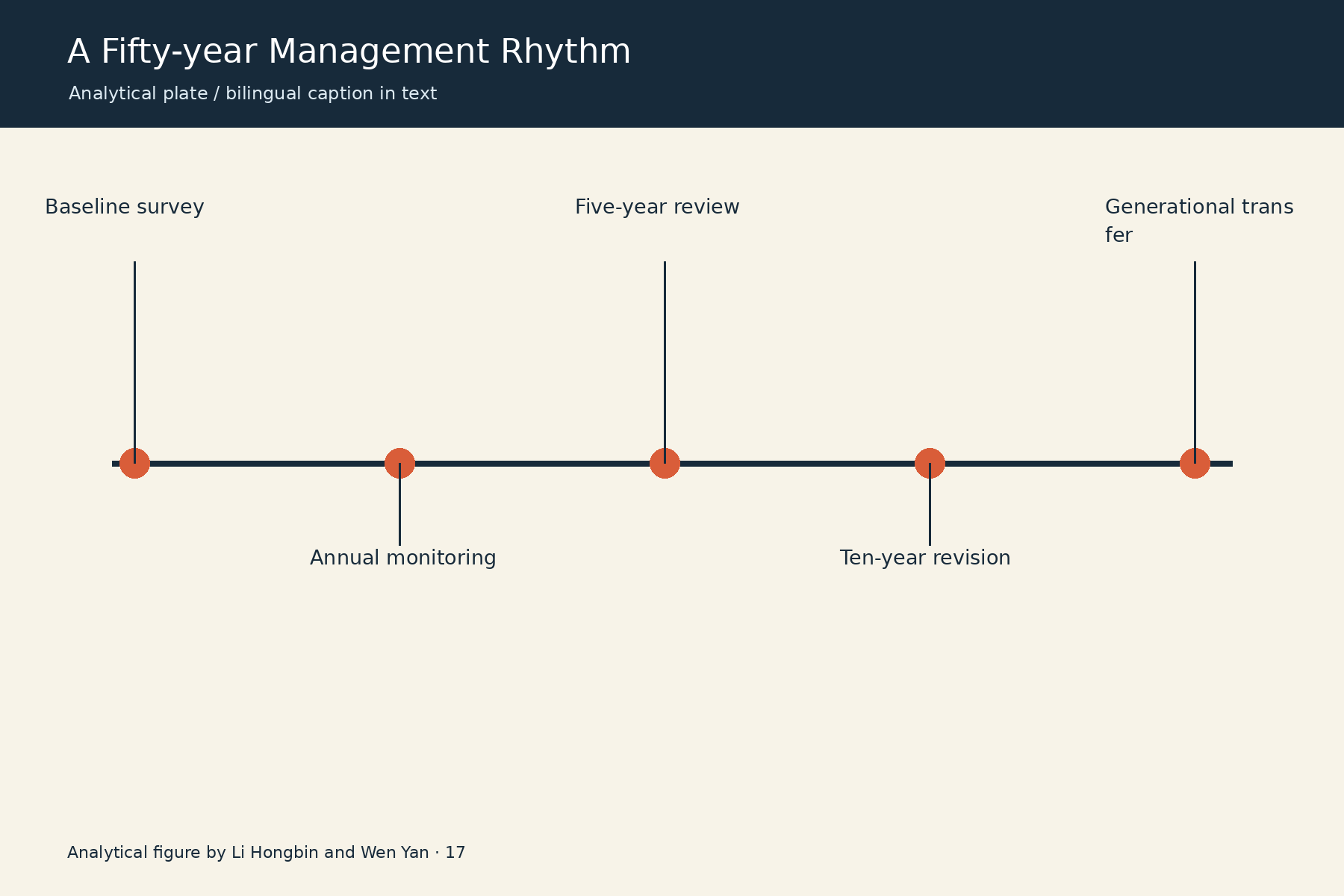
图 84 五十年管理节奏 / Figure 84 A Fifty-year Management Rhythm
图解说明:五十年管理节奏由作者依据本章所引官方档案、历史地图与机构资料绘制,用于呈现材料之间的空间或时间关系;原始地图、照片与档案出处见图注及章末文献。 Figure note: A Fifty-year Management Rhythm was drawn by the authors from the official archives, historical maps and institutional sources cited in this chapter. It visualises spatial or temporal relations; references to the original maps, photographs and files appear in the caption and chapter sources.
7. 真实性不是复原旧貌 / Authenticity Is Not Recreating an Old Appearance
考察“真实性不是复原旧貌”时,最值得注意的是地方历史只有通过清楚的遗产要素、空间范围与保护责任,才能进入国际比较。提名文件、比较研究、规划文本、现场调查与管理记录把宏观制度同地方经验连接起来,使变化的路径可以追索。 The significance of Authenticity Is Not Recreating an Old Appearance emerges from the relationship between buildings, routes, uses and associations, present and custodians, architects and users. condition survey and historical documentation makes it possible to trace how truthfulness may reside in use and relation as well as fabric, but each dimension needs evidence.
“真实性不是复原旧貌”在不同载体中呈现出不同时间尺度。把形成日期、制作目的和保存路径交代清楚,比追求整齐一致的故事更重要。 The materials relating to Authenticity Is Not Recreating an Old Appearance work to different timescales. Date of creation, original purpose and custodial history therefore matter more than forcing the evidence into a single seamless account.
关于“真实性不是复原旧貌”,今天仍可追索的价值在于:价值陈述需要回到仍可辨认、能够保护并由社区持续使用的具体场所。场所、制度和社群实践之间的联系,比孤立保存某一件物证更能说明其历史深度。 In the case of Authenticity Is Not Recreating an Old Appearance, What survives is a relationship rather than an isolated relic. A statement of value remains credible only when it returns to identifiable places that can be protected and sustained, giving present-day places the capacity to explain their own history.
对“真实性不是复原旧貌”的解释,现有材料能够说明过程,却不能消除所有不确定性。文化重要性本身不能代替完整性、真实性和有效管理;相关结论因此只覆盖能够相互印证的部分。 For Authenticity Is Not Recreating an Old Appearance, The material establishes a process without resolving every uncertainty. Because cultural importance alone does not establish integrity, authenticity or effective management, the conclusion extends only as far as independently converging evidence allows.
主要资料 / Principal sources: UNESCO World Heritage Centre, Operational Guidelines (2025), https://whc.unesco.org/en/guidelines/
8. 完整性需要足够的整体 / Integrity Requires a Sufficient Whole
“完整性需要足够的整体”位于危机中的行政行动、公共传播与居民经验并不完全重合的交汇处。官方文件、新闻报道、影像与个人记忆各自保存一部分事实,合读之后才形成较完整的历史图景。 Within the history of proposed property and its setting, Integrity Requires a Sufficient Whole marks a point at which a nomination fails if necessary elements lie outside protection or if surviving fragments cannot express the proposed value. Produced during present, attribute map and threat analysis preserves the roles of planning and conservation authorities in that change.
有关“完整性需要足够的整体”的任何单一来源都只能照亮局部。只有把决策记录、空间证据与当事人的生活经验并置,才不会以一种声音代替整个街区。 No source represents the whole district in the history of Integrity Requires a Sufficient Whole. Decisions, spatial evidence and remembered experience have to be read together if one voice is not to stand for all others.
关于“完整性需要足够的整体”,这段历史与当下的联系并非象征性的;这些记录说明街区如何在紧张局势中维持生活,并在事后重新建立公共信任。能够指出这种联系落在何处,才使遗产解释具有公共意义。 In the case of Integrity Requires a Sufficient Whole, The link with the present is practical rather than symbolic. They show how ordinary life was sustained during crisis and how public confidence was rebuilt afterwards; archival evidence, physical setting and continuing use therefore have to support one another.
对“完整性需要足够的整体”的解释,需要谨慎之处在于,不同机构的统计口径、拍摄视角与事后回忆之间仍有差异。这不会削弱已经成立的事实,却限制了因果判断可以延伸的距离。 For Integrity Requires a Sufficient Whole, Caution is required because institutional counting, photographic framing and retrospective memory do not always coincide. This does not unsettle the documented facts, but it narrows the causal claims that may be drawn from them.
主要资料 / Principal sources: UNESCO World Heritage Centre, Operational Guidelines (2025), https://whc.unesco.org/en/guidelines/
9. 管理计划要进入日常行政 / A Management Plan Must Enter Everyday Administration
有关“管理计划要进入日常行政”的材料首先说明了地方历史只有通过清楚的遗产要素、空间范围与保护责任,才能进入国际比较。提名文件、比较研究、规划文本、现场调查与管理记录从不同方向进入同一问题,呈现了决定、执行与回应之间的距离。 A Management Plan Must Enter Everyday Administration draws together evidence from statutory plans, protocols and budgets around property, buffer zone and wider setting. The materials place agencies, owners, tenants and community bodies in the circumstances of five-to-ten-year cycles and reveal how coordination succeeds only when responsibilities, finance and decisions are operational.
“管理计划要进入日常行政”的史料并不总能完全吻合。日期、地名、统计范围或叙述立场出现差异时,应保留分歧,并说明各自能够支持的结论。 The record of A Management Plan Must Enter Everyday Administration is not always consistent. Disagreement over dates, names, statistical reach or causation is retained, with each source used only for what it can reasonably establish.
关于“管理计划要进入日常行政”,其遗产意义最终回到现实中的场所与责任:价值陈述需要回到仍可辨认、能够保护并由社区持续使用的具体场所。档案、建筑和持续使用由此形成相互印证的关系。 In the case of A Management Plan Must Enter Everyday Administration, Heritage value returns here to identifiable places and responsibilities. A statement of value remains credible only when it returns to identifiable places that can be protected and sustained, and the surviving setting gives that history a public form.
对“管理计划要进入日常行政”的解释,历史解释到证据停止之处为止。由于文化重要性本身不能代替完整性、真实性和有效管理,尚不能把局部经验概括为整个时期或全部社群的共同经历。 For A Management Plan Must Enter Everyday Administration, Historical interpretation stops where the record does. Since cultural importance alone does not establish integrity, authenticity or effective management, a local experience should not be made to represent every community or the entire period.
主要资料 / Principal sources: UNESCO World Heritage Centre, Operational Guidelines (2025), https://whc.unesco.org/en/guidelines/
图 85 从地方知识到国际审查 / Figure 85 From Local Knowledge to International Review
图解说明:从地方知识到国际审查由作者依据本章所引官方档案、历史地图与机构资料绘制,用于呈现材料之间的空间或时间关系;原始地图、照片与档案出处见图注及章末文献。 Figure note: From Local Knowledge to International Review was drawn by the authors from the official archives, historical maps and institutional sources cited in this chapter. It visualises spatial or temporal relations; references to the original maps, photographs and files appear in the caption and chapter sources.
10. 监测、参与与修订 / Monitoring, Participation and Revision
“监测、参与与修订”提供了观察地方历史只有通过清楚的遗产要素、空间范围与保护责任,才能进入国际比较的一扇窗口。提名文件、比较研究、规划文本、现场调查与管理记录并置之后,场所中的连续、断裂与重新适应均可辨认。 To read Monitoring, Participation and Revision historically is to connect living heritage system with the pressures of annual and periodic cycles. indicators, public reporting and review records how communities, managers and independent reviewers became involved in a process whereby management remains credible when change is measured, contested and corrected transparently.
“监测、参与与修订”所采用的资料来自不同制度环境。其可信度既取决于内容,也取决于谁制作、为何制作以及哪些经验未被记录。 The materials used for Monitoring, Participation and Revision arose in different institutional settings. Their force depends not only on content but also on authorship, purpose and the experiences left outside the record.
关于“监测、参与与修订”,这里值得保存的并不是抽象的怀旧,而是可辨认的历史关系。价值陈述需要回到仍可辨认、能够保护并由社区持续使用的具体场所,并使今日街区仍能解释其来路。 In the case of Monitoring, Participation and Revision, The object of conservation is not nostalgia but an intelligible historical relationship. A statement of value remains credible only when it returns to identifiable places that can be protected and sustained, provided that the relationship remains visible in the district today.
对“监测、参与与修订”的解释,可以确定的,是资料共同指向的关系;仍须保留的疑问,则来自文化重要性本身不能代替完整性、真实性和有效管理。二者在叙述中分别交代。 For Monitoring, Participation and Revision, What can be stated securely is separated from what remains uncertain. The principal reservation is that cultural importance alone does not establish integrity, authenticity or effective management.
主要资料 / Principal sources: UNESCO World Heritage Centre, Operational Guidelines (2025), https://whc.unesco.org/en/guidelines/
本章结论 / Chapter Conclusion
提名文件不是历史专著的缩写,而是把价值、属性、边界、法律和管理责任组织成一套可执行承诺。本书所能完成的是学术与空间基础;正式提名仍须由新加坡国家机构依法启动,并由居民、业主、商户和宗教社团共同参与。 A nomination dossier is not an abridged history book. It organises value, attributes, boundaries, law and management responsibility into an executable commitment. This volume establishes an academic and spatial foundation; formal nomination remains a matter for Singapore’s competent authorities, with participation by residents, owners, traders and religious associations.
附录一 芽笼士乃历史年表
Appendix I Historical Chronology of Geylang Serai
1819以前 / Before 1819
海岸、河道与海上流动构成东南部空间的基础;后来的地籍不能倒推出一个空白的前殖民地景观。 本阶段的地图、地契、报刊与机构记录应按制作目的分别解读,并与下一时期的空间变化相互校验。 Coasts, waterways and maritime mobility formed the spatial basis of the southeast; later cadastral order must not be projected backwards onto an empty pre-colonial landscape. Maps, deeds, newspapers and institutional records from this phase require separate readings according to their original purposes, followed by comparison with spatial change in the next period.
海岸、河道与海上流动构成东南部空间的基础;后来的地籍不能倒推出一个空白的前殖民地景观。 研究重点是把人口与制度变化放回道路、地块、市场和宗教设施的具体位置,而不是用后来的行政边界代替历史生活圈。 Coasts, waterways and maritime mobility formed the spatial basis of the southeast; later cadastral order must not be projected backwards onto an empty pre-colonial landscape. The analytical task is to relocate demographic and institutional change in roads, parcels, markets and sacred places rather than substituting later administrative boundaries for historical life-worlds.
海岸、河道与海上流动构成东南部空间的基础;后来的地籍不能倒推出一个空白的前殖民地景观。 对遗产保护最重要的是辨认哪些关系跨越阶段延续,哪些只留下档案记忆,以及哪些变化已经不可逆。 Coasts, waterways and maritime mobility formed the spatial basis of the southeast; later cadastral order must not be projected backwards onto an empty pre-colonial landscape. Conservation depends on distinguishing relations that continued across phases, those surviving only in documentary memory, and changes that have become irreversible.
1820—1860 / 1820–1860
道路、土地批租与种植活动逐步把水岸世界纳入殖民测量,但地名、使用权与实际占用仍可能错位。 本阶段的地图、地契、报刊与机构记录应按制作目的分别解读,并与下一时期的空间变化相互校验。 Roads, grants and cultivation gradually drew the littoral world into colonial survey, although names, rights and actual occupation did not always coincide. Maps, deeds, newspapers and institutional records from this phase require separate readings according to their original purposes, followed by comparison with spatial change in the next period.
道路、土地批租与种植活动逐步把水岸世界纳入殖民测量,但地名、使用权与实际占用仍可能错位。 研究重点是把人口与制度变化放回道路、地块、市场和宗教设施的具体位置,而不是用后来的行政边界代替历史生活圈。 Roads, grants and cultivation gradually drew the littoral world into colonial survey, although names, rights and actual occupation did not always coincide. The analytical task is to relocate demographic and institutional change in roads, parcels, markets and sacred places rather than substituting later administrative boundaries for historical life-worlds.
道路、土地批租与种植活动逐步把水岸世界纳入殖民测量,但地名、使用权与实际占用仍可能错位。 对遗产保护最重要的是辨认哪些关系跨越阶段延续,哪些只留下档案记忆,以及哪些变化已经不可逆。 Roads, grants and cultivation gradually drew the littoral world into colonial survey, although names, rights and actual occupation did not always coincide. Conservation depends on distinguishing relations that continued across phases, those surviving only in documentary memory, and changes that have become irreversible.
1860—1900 / 1860–1900
庄园、宗教基金、村落和通往东部的道路共同加密;私人土地制度开始产生长期城市形态。 本阶段的地图、地契、报刊与机构记录应按制作目的分别解读,并与下一时期的空间变化相互校验。 Estates, religious endowments, settlements and eastward roads became denser; private tenure began to produce enduring urban form. Maps, deeds, newspapers and institutional records from this phase require separate readings according to their original purposes, followed by comparison with spatial change in the next period.
庄园、宗教基金、村落和通往东部的道路共同加密;私人土地制度开始产生长期城市形态。 研究重点是把人口与制度变化放回道路、地块、市场和宗教设施的具体位置,而不是用后来的行政边界代替历史生活圈。 Estates, religious endowments, settlements and eastward roads became denser; private tenure began to produce enduring urban form. The analytical task is to relocate demographic and institutional change in roads, parcels, markets and sacred places rather than substituting later administrative boundaries for historical life-worlds.
庄园、宗教基金、村落和通往东部的道路共同加密;私人土地制度开始产生长期城市形态。 对遗产保护最重要的是辨认哪些关系跨越阶段延续,哪些只留下档案记忆,以及哪些变化已经不可逆。 Estates, religious endowments, settlements and eastward roads became denser; private tenure began to produce enduring urban form. Conservation depends on distinguishing relations that continued across phases, those surviving only in documentary memory, and changes that have become irreversible.
1900—1941 / 1900–1941
电车、店屋、学校、宗教建筑和市场网络扩大了道路公共生活,芽笼与芽笼士乃的功能差异逐渐清晰。 本阶段的地图、地契、报刊与机构记录应按制作目的分别解读,并与下一时期的空间变化相互校验。 Trams, shophouses, schools, sacred buildings and market networks enlarged public life along the roads, while functional differences within Geylang and Geylang Serai became clearer. Maps, deeds, newspapers and institutional records from this phase require separate readings according to their original purposes, followed by comparison with spatial change in the next period.
电车、店屋、学校、宗教建筑和市场网络扩大了道路公共生活,芽笼与芽笼士乃的功能差异逐渐清晰。 研究重点是把人口与制度变化放回道路、地块、市场和宗教设施的具体位置,而不是用后来的行政边界代替历史生活圈。 Trams, shophouses, schools, sacred buildings and market networks enlarged public life along the roads, while functional differences within Geylang and Geylang Serai became clearer. The analytical task is to relocate demographic and institutional change in roads, parcels, markets and sacred places rather than substituting later administrative boundaries for historical life-worlds.
电车、店屋、学校、宗教建筑和市场网络扩大了道路公共生活,芽笼与芽笼士乃的功能差异逐渐清晰。 对遗产保护最重要的是辨认哪些关系跨越阶段延续,哪些只留下档案记忆,以及哪些变化已经不可逆。 Trams, shophouses, schools, sacred buildings and market networks enlarged public life along the roads, while functional differences within Geylang and Geylang Serai became clearer. Conservation depends on distinguishing relations that continued across phases, those surviving only in documentary memory, and changes that have become irreversible.
1942—1945 / 1942–1945
战争、占领与物资短缺改变了人口、商业和家庭策略;日常生存资料应与宏观军事叙事并读。 本阶段的地图、地契、报刊与机构记录应按制作目的分别解读,并与下一时期的空间变化相互校验。 War, occupation and scarcity altered population, commerce and household strategies; evidence of daily survival must be read with, not beneath, military narrative. Maps, deeds, newspapers and institutional records from this phase require separate readings according to their original purposes, followed by comparison with spatial change in the next period.
战争、占领与物资短缺改变了人口、商业和家庭策略;日常生存资料应与宏观军事叙事并读。 研究重点是把人口与制度变化放回道路、地块、市场和宗教设施的具体位置,而不是用后来的行政边界代替历史生活圈。 War, occupation and scarcity altered population, commerce and household strategies; evidence of daily survival must be read with, not beneath, military narrative. The analytical task is to relocate demographic and institutional change in roads, parcels, markets and sacred places rather than substituting later administrative boundaries for historical life-worlds.
战争、占领与物资短缺改变了人口、商业和家庭策略;日常生存资料应与宏观军事叙事并读。 对遗产保护最重要的是辨认哪些关系跨越阶段延续,哪些只留下档案记忆,以及哪些变化已经不可逆。 War, occupation and scarcity altered population, commerce and household strategies; evidence of daily survival must be read with, not beneath, military narrative. Conservation depends on distinguishing relations that continued across phases, those surviving only in documentary memory, and changes that have become irreversible.
1946—1959 / 1946–1959
战后拥挤、火灾风险、请愿、卫生治理与政治动员把居住问题推入公共议程。 本阶段的地图、地契、报刊与机构记录应按制作目的分别解读,并与下一时期的空间变化相互校验。 Post-war crowding, fire risk, petitions, sanitation and political mobilisation moved housing conditions into the public agenda. Maps, deeds, newspapers and institutional records from this phase require separate readings according to their original purposes, followed by comparison with spatial change in the next period.
战后拥挤、火灾风险、请愿、卫生治理与政治动员把居住问题推入公共议程。 研究重点是把人口与制度变化放回道路、地块、市场和宗教设施的具体位置,而不是用后来的行政边界代替历史生活圈。 Post-war crowding, fire risk, petitions, sanitation and political mobilisation moved housing conditions into the public agenda. The analytical task is to relocate demographic and institutional change in roads, parcels, markets and sacred places rather than substituting later administrative boundaries for historical life-worlds.
战后拥挤、火灾风险、请愿、卫生治理与政治动员把居住问题推入公共议程。 对遗产保护最重要的是辨认哪些关系跨越阶段延续,哪些只留下档案记忆,以及哪些变化已经不可逆。 Post-war crowding, fire risk, petitions, sanitation and political mobilisation moved housing conditions into the public agenda. Conservation depends on distinguishing relations that continued across phases, those surviving only in documentary memory, and changes that have become irreversible.
1960—1965 / 1960–1965
征地、组屋、市场建设与族群冲突在短时期叠加;同一空间同时承受现代化、迁移和秩序修复。 本阶段的地图、地契、报刊与机构记录应按制作目的分别解读,并与下一时期的空间变化相互校验。 Acquisition, public housing, market construction and communal conflict converged within a short period; one place absorbed modernisation, displacement and the repair of public order. Maps, deeds, newspapers and institutional records from this phase require separate readings according to their original purposes, followed by comparison with spatial change in the next period.
征地、组屋、市场建设与族群冲突在短时期叠加;同一空间同时承受现代化、迁移和秩序修复。 研究重点是把人口与制度变化放回道路、地块、市场和宗教设施的具体位置,而不是用后来的行政边界代替历史生活圈。 Acquisition, public housing, market construction and communal conflict converged within a short period; one place absorbed modernisation, displacement and the repair of public order. The analytical task is to relocate demographic and institutional change in roads, parcels, markets and sacred places rather than substituting later administrative boundaries for historical life-worlds.
征地、组屋、市场建设与族群冲突在短时期叠加;同一空间同时承受现代化、迁移和秩序修复。 对遗产保护最重要的是辨认哪些关系跨越阶段延续,哪些只留下档案记忆,以及哪些变化已经不可逆。 Acquisition, public housing, market construction and communal conflict converged within a short period; one place absorbed modernisation, displacement and the repair of public order. Conservation depends on distinguishing relations that continued across phases, those surviving only in documentary memory, and changes that have become irreversible.
1966—1989 / 1966–1989
市场逐渐稳定,社区机构、道路商业和节庆经济扩展;1975年的升级标志管理制度进入新阶段。 本阶段的地图、地契、报刊与机构记录应按制作目的分别解读,并与下一时期的空间变化相互校验。 The market stabilised while community institutions, road commerce and festival economies expanded; the 1975 upgrading marked a new phase of management. Maps, deeds, newspapers and institutional records from this phase require separate readings according to their original purposes, followed by comparison with spatial change in the next period.
市场逐渐稳定,社区机构、道路商业和节庆经济扩展;1975年的升级标志管理制度进入新阶段。 研究重点是把人口与制度变化放回道路、地块、市场和宗教设施的具体位置,而不是用后来的行政边界代替历史生活圈。 The market stabilised while community institutions, road commerce and festival economies expanded; the 1975 upgrading marked a new phase of management. The analytical task is to relocate demographic and institutional change in roads, parcels, markets and sacred places rather than substituting later administrative boundaries for historical life-worlds.
市场逐渐稳定,社区机构、道路商业和节庆经济扩展;1975年的升级标志管理制度进入新阶段。 对遗产保护最重要的是辨认哪些关系跨越阶段延续,哪些只留下档案记忆,以及哪些变化已经不可逆。 The market stabilised while community institutions, road commerce and festival economies expanded; the 1975 upgrading marked a new phase of management. Conservation depends on distinguishing relations that continued across phases, those surviving only in documentary memory, and changes that have become irreversible.
1990—2003 / 1990–2003
保育、城市更新与国家文化表述同时增强,地方生活开始被重新包装为可参观的遗产。 本阶段的地图、地契、报刊与机构记录应按制作目的分别解读,并与下一时期的空间变化相互校验。 Conservation, redevelopment and national cultural representation intensified together, and everyday life was increasingly framed as visitable heritage. Maps, deeds, newspapers and institutional records from this phase require separate readings according to their original purposes, followed by comparison with spatial change in the next period.
保育、城市更新与国家文化表述同时增强,地方生活开始被重新包装为可参观的遗产。 研究重点是把人口与制度变化放回道路、地块、市场和宗教设施的具体位置,而不是用后来的行政边界代替历史生活圈。 Conservation, redevelopment and national cultural representation intensified together, and everyday life was increasingly framed as visitable heritage. The analytical task is to relocate demographic and institutional change in roads, parcels, markets and sacred places rather than substituting later administrative boundaries for historical life-worlds.
保育、城市更新与国家文化表述同时增强,地方生活开始被重新包装为可参观的遗产。 对遗产保护最重要的是辨认哪些关系跨越阶段延续,哪些只留下档案记忆,以及哪些变化已经不可逆。 Conservation, redevelopment and national cultural representation intensified together, and everyday life was increasingly framed as visitable heritage. Conservation depends on distinguishing relations that continued across phases, those surviving only in documentary memory, and changes that have become irreversible.
2003—2009 / 2003–2009
SERS与市场重建改变建筑载体和居民路线;新市场延续核心功能,也改变尺度、材料与记忆界面。 本阶段的地图、地契、报刊与机构记录应按制作目的分别解读,并与下一时期的空间变化相互校验。 SERS and market reconstruction changed buildings and resident routes; the new market retained central functions while altering scale, material and interfaces of memory. Maps, deeds, newspapers and institutional records from this phase require separate readings according to their original purposes, followed by comparison with spatial change in the next period.
SERS与市场重建改变建筑载体和居民路线;新市场延续核心功能,也改变尺度、材料与记忆界面。 研究重点是把人口与制度变化放回道路、地块、市场和宗教设施的具体位置,而不是用后来的行政边界代替历史生活圈。 SERS and market reconstruction changed buildings and resident routes; the new market retained central functions while altering scale, material and interfaces of memory. The analytical task is to relocate demographic and institutional change in roads, parcels, markets and sacred places rather than substituting later administrative boundaries for historical life-worlds.
SERS与市场重建改变建筑载体和居民路线;新市场延续核心功能,也改变尺度、材料与记忆界面。 对遗产保护最重要的是辨认哪些关系跨越阶段延续,哪些只留下档案记忆,以及哪些变化已经不可逆。 SERS and market reconstruction changed buildings and resident routes; the new market retained central functions while altering scale, material and interfaces of memory. Conservation depends on distinguishing relations that continued across phases, those surviving only in documentary memory, and changes that have become irreversible.
2010—2019 / 2010–2019
节庆灯饰、文化机构和遗产步道强化公共识别,Wisma Geylang Serai成为新的组织节点。 本阶段的地图、地契、报刊与机构记录应按制作目的分别解读,并与下一时期的空间变化相互校验。 Festival lighting, cultural institutions and heritage trails strengthened public recognition, with Wisma Geylang Serai becoming a new organisational node. Maps, deeds, newspapers and institutional records from this phase require separate readings according to their original purposes, followed by comparison with spatial change in the next period.
节庆灯饰、文化机构和遗产步道强化公共识别,Wisma Geylang Serai成为新的组织节点。 研究重点是把人口与制度变化放回道路、地块、市场和宗教设施的具体位置,而不是用后来的行政边界代替历史生活圈。 Festival lighting, cultural institutions and heritage trails strengthened public recognition, with Wisma Geylang Serai becoming a new organisational node. The analytical task is to relocate demographic and institutional change in roads, parcels, markets and sacred places rather than substituting later administrative boundaries for historical life-worlds.
节庆灯饰、文化机构和遗产步道强化公共识别,Wisma Geylang Serai成为新的组织节点。 对遗产保护最重要的是辨认哪些关系跨越阶段延续,哪些只留下档案记忆,以及哪些变化已经不可逆。 Festival lighting, cultural institutions and heritage trails strengthened public recognition, with Wisma Geylang Serai becoming a new organisational node. Conservation depends on distinguishing relations that continued across phases, those surviving only in documentary memory, and changes that have become irreversible.
2020—现在 / 2020–present
疫情、数字商业、租金压力与气候适应提醒我们,活态遗产保护必须管理变化而非复制旧貌。 本阶段的地图、地契、报刊与机构记录应按制作目的分别解读,并与下一时期的空间变化相互校验。 Pandemic disruption, digital commerce, rental pressure and climate adaptation show that living-heritage conservation must manage change rather than reproduce an old appearance. Maps, deeds, newspapers and institutional records from this phase require separate readings according to their original purposes, followed by comparison with spatial change in the next period.
疫情、数字商业、租金压力与气候适应提醒我们,活态遗产保护必须管理变化而非复制旧貌。 研究重点是把人口与制度变化放回道路、地块、市场和宗教设施的具体位置,而不是用后来的行政边界代替历史生活圈。 Pandemic disruption, digital commerce, rental pressure and climate adaptation show that living-heritage conservation must manage change rather than reproduce an old appearance. The analytical task is to relocate demographic and institutional change in roads, parcels, markets and sacred places rather than substituting later administrative boundaries for historical life-worlds.
疫情、数字商业、租金压力与气候适应提醒我们,活态遗产保护必须管理变化而非复制旧貌。 对遗产保护最重要的是辨认哪些关系跨越阶段延续,哪些只留下档案记忆,以及哪些变化已经不可逆。 Pandemic disruption, digital commerce, rental pressure and climate adaptation show that living-heritage conservation must manage change rather than reproduce an old appearance. Conservation depends on distinguishing relations that continued across phases, those surviving only in documentary memory, and changes that have become irreversible.
附录二 地点志:核心地点与关联空间
Appendix II Gazetteer of Key Places and Related Spaces
01. Geylang Road 芽笼路
Geylang Road 芽笼路在街区史中的意义来自它与道路、地权、市场和社区设施的联系。历史名称、现址、使用变化与周边路线需要在连续地图和现场观察中相互核对。 Geylang Road 芽笼路 matters to the district's history through its connections with roads, tenure, markets and community facilities. Historic names, present location, changing uses and surrounding routes are checked through successive maps and field observation.
Geylang Road 芽笼路现存的价值取决于历史关系是否仍能在空间、用途和管理中被辨认。新旧材料并非唯一尺度;更重要的是地点能否继续解释其形成过程。 The surviving value of Geylang Road 芽笼路 depends on whether historical relationships remain legible in space, use and stewardship. Age of fabric is not the only measure; the place must still explain how it was formed.
本条目采用历史地图、官方地址、规划资料、图像和现场记录交叉说明Geylang Road 芽笼路。如名称或边界在不同时期发生变化,正文保留其差异而不作强行合并。 This entry documents Geylang Road 芽笼路 through historic maps, official addresses, planning records, images and field notes. Where names or boundaries changed, the difference is retained rather than artificially harmonised.
02. Geylang Serai 芽笼士乃
阅读Geylang Serai 芽笼士乃,首先应把地点放回其周边网络,而不是只看一座建筑或一个地址。名称沿革、地块变化和通行方向共同说明它在不同时期的作用。 Geylang Serai 芽笼士乃 is read through its surrounding network rather than as a building or address in isolation. Changes of name, parcel and movement together explain its role over time.
Geylang Serai 芽笼士乃现存的价值取决于历史关系是否仍能在空间、用途和管理中被辨认。新旧材料并非唯一尺度;更重要的是地点能否继续解释其形成过程。 The surviving value of Geylang Serai 芽笼士乃 depends on whether historical relationships remain legible in space, use and stewardship. Age of fabric is not the only measure; the place must still explain how it was formed.
本条目采用历史地图、官方地址、规划资料、图像和现场记录交叉说明Geylang Serai 芽笼士乃。如名称或边界在不同时期发生变化,正文保留其差异而不作强行合并。 This entry documents Geylang Serai 芽笼士乃 through historic maps, official addresses, planning records, images and field notes. Where names or boundaries changed, the difference is retained rather than artificially harmonised.
03. Joo Chiat 如切
Joo Chiat 如切连接了芽笼士乃历史中的多种空间关系。旧地图、地籍、建筑沿革和今日使用相互参照,可以辨认哪些联系延续,哪些已经改变。 Joo Chiat 如切 connects several spatial relationships in the history of Geylang Serai. Historic maps, cadastral records, building history and present use reveal which connections endure and which have changed.
Joo Chiat 如切现存的价值取决于历史关系是否仍能在空间、用途和管理中被辨认。新旧材料并非唯一尺度;更重要的是地点能否继续解释其形成过程。 The surviving value of Joo Chiat 如切 depends on whether historical relationships remain legible in space, use and stewardship. Age of fabric is not the only measure; the place must still explain how it was formed.
本条目采用历史地图、官方地址、规划资料、图像和现场记录交叉说明Joo Chiat 如切。如名称或边界在不同时期发生变化,正文保留其差异而不作强行合并。 This entry documents Joo Chiat 如切 through historic maps, official addresses, planning records, images and field notes. Where names or boundaries changed, the difference is retained rather than artificially harmonised.
04. Kallang 加冷
作为地点志的一项,Kallang 加冷以可定位的空间关系为中心。其历史范围并不当然等同于今日地址,必须结合地图年代、道路变化与地方用法理解。 As a gazetteer entry, Kallang 加冷 is defined by locatable spatial relationships. Its historical extent is not assumed to match the present address and is interpreted through map dates, road changes and local usage.
Kallang 加冷现存的价值取决于历史关系是否仍能在空间、用途和管理中被辨认。新旧材料并非唯一尺度;更重要的是地点能否继续解释其形成过程。 The surviving value of Kallang 加冷 depends on whether historical relationships remain legible in space, use and stewardship. Age of fabric is not the only measure; the place must still explain how it was formed.
本条目采用历史地图、官方地址、规划资料、图像和现场记录交叉说明Kallang 加冷。如名称或边界在不同时期发生变化,正文保留其差异而不作强行合并。 This entry documents Kallang 加冷 through historic maps, official addresses, planning records, images and field notes. Where names or boundaries changed, the difference is retained rather than artificially harmonised.
05. Paya Lebar 巴耶利峇
Paya Lebar 巴耶利峇在街区史中的意义来自它与道路、地权、市场和社区设施的联系。历史名称、现址、使用变化与周边路线需要在连续地图和现场观察中相互核对。 Paya Lebar 巴耶利峇 matters to the district's history through its connections with roads, tenure, markets and community facilities. Historic names, present location, changing uses and surrounding routes are checked through successive maps and field observation.
Paya Lebar 巴耶利峇现存的价值取决于历史关系是否仍能在空间、用途和管理中被辨认。新旧材料并非唯一尺度;更重要的是地点能否继续解释其形成过程。 The surviving value of Paya Lebar 巴耶利峇 depends on whether historical relationships remain legible in space, use and stewardship. Age of fabric is not the only measure; the place must still explain how it was formed.
本条目采用历史地图、官方地址、规划资料、图像和现场记录交叉说明Paya Lebar 巴耶利峇。如名称或边界在不同时期发生变化,正文保留其差异而不作强行合并。 This entry documents Paya Lebar 巴耶利峇 through historic maps, official addresses, planning records, images and field notes. Where names or boundaries changed, the difference is retained rather than artificially harmonised.
06. Tanjong Katong 丹戎加东
阅读Tanjong Katong 丹戎加东,首先应把地点放回其周边网络,而不是只看一座建筑或一个地址。名称沿革、地块变化和通行方向共同说明它在不同时期的作用。 Tanjong Katong 丹戎加东 is read through its surrounding network rather than as a building or address in isolation. Changes of name, parcel and movement together explain its role over time.
Tanjong Katong 丹戎加东现存的价值取决于历史关系是否仍能在空间、用途和管理中被辨认。新旧材料并非唯一尺度;更重要的是地点能否继续解释其形成过程。 The surviving value of Tanjong Katong 丹戎加东 depends on whether historical relationships remain legible in space, use and stewardship. Age of fabric is not the only measure; the place must still explain how it was formed.
本条目采用历史地图、官方地址、规划资料、图像和现场记录交叉说明Tanjong Katong 丹戎加东。如名称或边界在不同时期发生变化,正文保留其差异而不作强行合并。 This entry documents Tanjong Katong 丹戎加东 through historic maps, official addresses, planning records, images and field notes. Where names or boundaries changed, the difference is retained rather than artificially harmonised.
07. Eunos 友诺士
Eunos 友诺士连接了芽笼士乃历史中的多种空间关系。旧地图、地籍、建筑沿革和今日使用相互参照,可以辨认哪些联系延续,哪些已经改变。 Eunos 友诺士 connects several spatial relationships in the history of Geylang Serai. Historic maps, cadastral records, building history and present use reveal which connections endure and which have changed.
Eunos 友诺士现存的价值取决于历史关系是否仍能在空间、用途和管理中被辨认。新旧材料并非唯一尺度;更重要的是地点能否继续解释其形成过程。 The surviving value of Eunos 友诺士 depends on whether historical relationships remain legible in space, use and stewardship. Age of fabric is not the only measure; the place must still explain how it was formed.
本条目采用历史地图、官方地址、规划资料、图像和现场记录交叉说明Eunos 友诺士。如名称或边界在不同时期发生变化,正文保留其差异而不作强行合并。 This entry documents Eunos 友诺士 through historic maps, official addresses, planning records, images and field notes. Where names or boundaries changed, the difference is retained rather than artificially harmonised.
08. Haig Road 海格路
作为地点志的一项,Haig Road 海格路以可定位的空间关系为中心。其历史范围并不当然等同于今日地址,必须结合地图年代、道路变化与地方用法理解。 As a gazetteer entry, Haig Road 海格路 is defined by locatable spatial relationships. Its historical extent is not assumed to match the present address and is interpreted through map dates, road changes and local usage.
Haig Road 海格路现存的价值取决于历史关系是否仍能在空间、用途和管理中被辨认。新旧材料并非唯一尺度;更重要的是地点能否继续解释其形成过程。 The surviving value of Haig Road 海格路 depends on whether historical relationships remain legible in space, use and stewardship. Age of fabric is not the only measure; the place must still explain how it was formed.
本条目采用历史地图、官方地址、规划资料、图像和现场记录交叉说明Haig Road 海格路。如名称或边界在不同时期发生变化,正文保留其差异而不作强行合并。 This entry documents Haig Road 海格路 through historic maps, official addresses, planning records, images and field notes. Where names or boundaries changed, the difference is retained rather than artificially harmonised.
09. Changi Road 樟宜路
Changi Road 樟宜路在街区史中的意义来自它与道路、地权、市场和社区设施的联系。历史名称、现址、使用变化与周边路线需要在连续地图和现场观察中相互核对。 Changi Road 樟宜路 matters to the district's history through its connections with roads, tenure, markets and community facilities. Historic names, present location, changing uses and surrounding routes are checked through successive maps and field observation.
Changi Road 樟宜路现存的价值取决于历史关系是否仍能在空间、用途和管理中被辨认。新旧材料并非唯一尺度;更重要的是地点能否继续解释其形成过程。 The surviving value of Changi Road 樟宜路 depends on whether historical relationships remain legible in space, use and stewardship. Age of fabric is not the only measure; the place must still explain how it was formed.
本条目采用历史地图、官方地址、规划资料、图像和现场记录交叉说明Changi Road 樟宜路。如名称或边界在不同时期发生变化,正文保留其差异而不作强行合并。 This entry documents Changi Road 樟宜路 through historic maps, official addresses, planning records, images and field notes. Where names or boundaries changed, the difference is retained rather than artificially harmonised.
10. Sims Avenue 沈氏道
阅读Sims Avenue 沈氏道,首先应把地点放回其周边网络,而不是只看一座建筑或一个地址。名称沿革、地块变化和通行方向共同说明它在不同时期的作用。 Sims Avenue 沈氏道 is read through its surrounding network rather than as a building or address in isolation. Changes of name, parcel and movement together explain its role over time.
Sims Avenue 沈氏道现存的价值取决于历史关系是否仍能在空间、用途和管理中被辨认。新旧材料并非唯一尺度;更重要的是地点能否继续解释其形成过程。 The surviving value of Sims Avenue 沈氏道 depends on whether historical relationships remain legible in space, use and stewardship. Age of fabric is not the only measure; the place must still explain how it was formed.
本条目采用历史地图、官方地址、规划资料、图像和现场记录交叉说明Sims Avenue 沈氏道。如名称或边界在不同时期发生变化,正文保留其差异而不作强行合并。 This entry documents Sims Avenue 沈氏道 through historic maps, official addresses, planning records, images and field notes. Where names or boundaries changed, the difference is retained rather than artificially harmonised.
11. Still Road 史蒂尔路
Still Road 史蒂尔路连接了芽笼士乃历史中的多种空间关系。旧地图、地籍、建筑沿革和今日使用相互参照,可以辨认哪些联系延续,哪些已经改变。 Still Road 史蒂尔路 connects several spatial relationships in the history of Geylang Serai. Historic maps, cadastral records, building history and present use reveal which connections endure and which have changed.
Still Road 史蒂尔路现存的价值取决于历史关系是否仍能在空间、用途和管理中被辨认。新旧材料并非唯一尺度;更重要的是地点能否继续解释其形成过程。 The surviving value of Still Road 史蒂尔路 depends on whether historical relationships remain legible in space, use and stewardship. Age of fabric is not the only measure; the place must still explain how it was formed.
本条目采用历史地图、官方地址、规划资料、图像和现场记录交叉说明Still Road 史蒂尔路。如名称或边界在不同时期发生变化,正文保留其差异而不作强行合并。 This entry documents Still Road 史蒂尔路 through historic maps, official addresses, planning records, images and field notes. Where names or boundaries changed, the difference is retained rather than artificially harmonised.
12. Onan Road 奥南路
作为地点志的一项,Onan Road 奥南路以可定位的空间关系为中心。其历史范围并不当然等同于今日地址,必须结合地图年代、道路变化与地方用法理解。 As a gazetteer entry, Onan Road 奥南路 is defined by locatable spatial relationships. Its historical extent is not assumed to match the present address and is interpreted through map dates, road changes and local usage.
Onan Road 奥南路现存的价值取决于历史关系是否仍能在空间、用途和管理中被辨认。新旧材料并非唯一尺度;更重要的是地点能否继续解释其形成过程。 The surviving value of Onan Road 奥南路 depends on whether historical relationships remain legible in space, use and stewardship. Age of fabric is not the only measure; the place must still explain how it was formed.
本条目采用历史地图、官方地址、规划资料、图像和现场记录交叉说明Onan Road 奥南路。如名称或边界在不同时期发生变化,正文保留其差异而不作强行合并。 This entry documents Onan Road 奥南路 through historic maps, official addresses, planning records, images and field notes. Where names or boundaries changed, the difference is retained rather than artificially harmonised.
13. Koon Seng Road 坤成路
Koon Seng Road 坤成路在街区史中的意义来自它与道路、地权、市场和社区设施的联系。历史名称、现址、使用变化与周边路线需要在连续地图和现场观察中相互核对。 Koon Seng Road 坤成路 matters to the district's history through its connections with roads, tenure, markets and community facilities. Historic names, present location, changing uses and surrounding routes are checked through successive maps and field observation.
Koon Seng Road 坤成路现存的价值取决于历史关系是否仍能在空间、用途和管理中被辨认。新旧材料并非唯一尺度;更重要的是地点能否继续解释其形成过程。 The surviving value of Koon Seng Road 坤成路 depends on whether historical relationships remain legible in space, use and stewardship. Age of fabric is not the only measure; the place must still explain how it was formed.
本条目采用历史地图、官方地址、规划资料、图像和现场记录交叉说明Koon Seng Road 坤成路。如名称或边界在不同时期发生变化,正文保留其差异而不作强行合并。 This entry documents Koon Seng Road 坤成路 through historic maps, official addresses, planning records, images and field notes. Where names or boundaries changed, the difference is retained rather than artificially harmonised.
14. Tanjong Katong Complex
阅读Tanjong Katong Complex,首先应把地点放回其周边网络,而不是只看一座建筑或一个地址。名称沿革、地块变化和通行方向共同说明它在不同时期的作用。 Tanjong Katong Complex is read through its surrounding network rather than as a building or address in isolation. Changes of name, parcel and movement together explain its role over time.
Tanjong Katong Complex现存的价值取决于历史关系是否仍能在空间、用途和管理中被辨认。新旧材料并非唯一尺度;更重要的是地点能否继续解释其形成过程。 The surviving value of Tanjong Katong Complex depends on whether historical relationships remain legible in space, use and stewardship. Age of fabric is not the only measure; the place must still explain how it was formed.
本条目采用历史地图、官方地址、规划资料、图像和现场记录交叉说明Tanjong Katong Complex。如名称或边界在不同时期发生变化,正文保留其差异而不作强行合并。 This entry documents Tanjong Katong Complex through historic maps, official addresses, planning records, images and field notes. Where names or boundaries changed, the difference is retained rather than artificially harmonised.
15. Geylang Serai Market
Geylang Serai Market连接了芽笼士乃历史中的多种空间关系。旧地图、地籍、建筑沿革和今日使用相互参照,可以辨认哪些联系延续,哪些已经改变。 Geylang Serai Market connects several spatial relationships in the history of Geylang Serai. Historic maps, cadastral records, building history and present use reveal which connections endure and which have changed.
Geylang Serai Market现存的价值取决于历史关系是否仍能在空间、用途和管理中被辨认。新旧材料并非唯一尺度;更重要的是地点能否继续解释其形成过程。 The surviving value of Geylang Serai Market depends on whether historical relationships remain legible in space, use and stewardship. Age of fabric is not the only measure; the place must still explain how it was formed.
本条目采用历史地图、官方地址、规划资料、图像和现场记录交叉说明Geylang Serai Market。如名称或边界在不同时期发生变化,正文保留其差异而不作强行合并。 This entry documents Geylang Serai Market through historic maps, official addresses, planning records, images and field notes. Where names or boundaries changed, the difference is retained rather than artificially harmonised.
16. Wisma Geylang Serai
作为地点志的一项,Wisma Geylang Serai以可定位的空间关系为中心。其历史范围并不当然等同于今日地址,必须结合地图年代、道路变化与地方用法理解。 As a gazetteer entry, Wisma Geylang Serai is defined by locatable spatial relationships. Its historical extent is not assumed to match the present address and is interpreted through map dates, road changes and local usage.
Wisma Geylang Serai现存的价值取决于历史关系是否仍能在空间、用途和管理中被辨认。新旧材料并非唯一尺度;更重要的是地点能否继续解释其形成过程。 The surviving value of Wisma Geylang Serai depends on whether historical relationships remain legible in space, use and stewardship. Age of fabric is not the only measure; the place must still explain how it was formed.
本条目采用历史地图、官方地址、规划资料、图像和现场记录交叉说明Wisma Geylang Serai。如名称或边界在不同时期发生变化,正文保留其差异而不作强行合并。 This entry documents Wisma Geylang Serai through historic maps, official addresses, planning records, images and field notes. Where names or boundaries changed, the difference is retained rather than artificially harmonised.
17. Kampong Ubi
Kampong Ubi在街区史中的意义来自它与道路、地权、市场和社区设施的联系。历史名称、现址、使用变化与周边路线需要在连续地图和现场观察中相互核对。 Kampong Ubi matters to the district's history through its connections with roads, tenure, markets and community facilities. Historic names, present location, changing uses and surrounding routes are checked through successive maps and field observation.
Kampong Ubi现存的价值取决于历史关系是否仍能在空间、用途和管理中被辨认。新旧材料并非唯一尺度;更重要的是地点能否继续解释其形成过程。 The surviving value of Kampong Ubi depends on whether historical relationships remain legible in space, use and stewardship. Age of fabric is not the only measure; the place must still explain how it was formed.
本条目采用历史地图、官方地址、规划资料、图像和现场记录交叉说明Kampong Ubi。如名称或边界在不同时期发生变化,正文保留其差异而不作强行合并。 This entry documents Kampong Ubi through historic maps, official addresses, planning records, images and field notes. Where names or boundaries changed, the difference is retained rather than artificially harmonised.
18. Kallang River
阅读Kallang River,首先应把地点放回其周边网络,而不是只看一座建筑或一个地址。名称沿革、地块变化和通行方向共同说明它在不同时期的作用。 Kallang River is read through its surrounding network rather than as a building or address in isolation. Changes of name, parcel and movement together explain its role over time.
Kallang River现存的价值取决于历史关系是否仍能在空间、用途和管理中被辨认。新旧材料并非唯一尺度;更重要的是地点能否继续解释其形成过程。 The surviving value of Kallang River depends on whether historical relationships remain legible in space, use and stewardship. Age of fabric is not the only measure; the place must still explain how it was formed.
本条目采用历史地图、官方地址、规划资料、图像和现场记录交叉说明Kallang River。如名称或边界在不同时期发生变化,正文保留其差异而不作强行合并。 This entry documents Kallang River through historic maps, official addresses, planning records, images and field notes. Where names or boundaries changed, the difference is retained rather than artificially harmonised.
19. Rochor–Kallang Basin
Rochor–Kallang Basin连接了芽笼士乃历史中的多种空间关系。旧地图、地籍、建筑沿革和今日使用相互参照,可以辨认哪些联系延续,哪些已经改变。 Rochor–Kallang Basin connects several spatial relationships in the history of Geylang Serai. Historic maps, cadastral records, building history and present use reveal which connections endure and which have changed.
Rochor–Kallang Basin现存的价值取决于历史关系是否仍能在空间、用途和管理中被辨认。新旧材料并非唯一尺度;更重要的是地点能否继续解释其形成过程。 The surviving value of Rochor–Kallang Basin depends on whether historical relationships remain legible in space, use and stewardship. Age of fabric is not the only measure; the place must still explain how it was formed.
本条目采用历史地图、官方地址、规划资料、图像和现场记录交叉说明Rochor–Kallang Basin。如名称或边界在不同时期发生变化,正文保留其差异而不作强行合并。 This entry documents Rochor–Kallang Basin through historic maps, official addresses, planning records, images and field notes. Where names or boundaries changed, the difference is retained rather than artificially harmonised.
20. Former coastal edge
作为地点志的一项,Former coastal edge以可定位的空间关系为中心。其历史范围并不当然等同于今日地址,必须结合地图年代、道路变化与地方用法理解。 As a gazetteer entry, Former coastal edge is defined by locatable spatial relationships. Its historical extent is not assumed to match the present address and is interpreted through map dates, road changes and local usage.
Former coastal edge现存的价值取决于历史关系是否仍能在空间、用途和管理中被辨认。新旧材料并非唯一尺度;更重要的是地点能否继续解释其形成过程。 The surviving value of Former coastal edge depends on whether historical relationships remain legible in space, use and stewardship. Age of fabric is not the only measure; the place must still explain how it was formed.
本条目采用历史地图、官方地址、规划资料、图像和现场记录交叉说明Former coastal edge。如名称或边界在不同时期发生变化,正文保留其差异而不作强行合并。 This entry documents Former coastal edge through historic maps, official addresses, planning records, images and field notes. Where names or boundaries changed, the difference is retained rather than artificially harmonised.
21. Lorong 1–44 Geylang
Lorong 1–44 Geylang在街区史中的意义来自它与道路、地权、市场和社区设施的联系。历史名称、现址、使用变化与周边路线需要在连续地图和现场观察中相互核对。 Lorong 1–44 Geylang matters to the district's history through its connections with roads, tenure, markets and community facilities. Historic names, present location, changing uses and surrounding routes are checked through successive maps and field observation.
Lorong 1–44 Geylang现存的价值取决于历史关系是否仍能在空间、用途和管理中被辨认。新旧材料并非唯一尺度;更重要的是地点能否继续解释其形成过程。 The surviving value of Lorong 1–44 Geylang depends on whether historical relationships remain legible in space, use and stewardship. Age of fabric is not the only measure; the place must still explain how it was formed.
本条目采用历史地图、官方地址、规划资料、图像和现场记录交叉说明Lorong 1–44 Geylang。如名称或边界在不同时期发生变化,正文保留其差异而不作强行合并。 This entry documents Lorong 1–44 Geylang through historic maps, official addresses, planning records, images and field notes. Where names or boundaries changed, the difference is retained rather than artificially harmonised.
22. Malay Village site
阅读Malay Village site,首先应把地点放回其周边网络,而不是只看一座建筑或一个地址。名称沿革、地块变化和通行方向共同说明它在不同时期的作用。 Malay Village site is read through its surrounding network rather than as a building or address in isolation. Changes of name, parcel and movement together explain its role over time.
Malay Village site现存的价值取决于历史关系是否仍能在空间、用途和管理中被辨认。新旧材料并非唯一尺度;更重要的是地点能否继续解释其形成过程。 The surviving value of Malay Village site depends on whether historical relationships remain legible in space, use and stewardship. Age of fabric is not the only measure; the place must still explain how it was formed.
本条目采用历史地图、官方地址、规划资料、图像和现场记录交叉说明Malay Village site。如名称或边界在不同时期发生变化,正文保留其差异而不作强行合并。 This entry documents Malay Village site through historic maps, official addresses, planning records, images and field notes. Where names or boundaries changed, the difference is retained rather than artificially harmonised.
23. Joo Chiat Complex
Joo Chiat Complex连接了芽笼士乃历史中的多种空间关系。旧地图、地籍、建筑沿革和今日使用相互参照,可以辨认哪些联系延续,哪些已经改变。 Joo Chiat Complex connects several spatial relationships in the history of Geylang Serai. Historic maps, cadastral records, building history and present use reveal which connections endure and which have changed.
Joo Chiat Complex现存的价值取决于历史关系是否仍能在空间、用途和管理中被辨认。新旧材料并非唯一尺度;更重要的是地点能否继续解释其形成过程。 The surviving value of Joo Chiat Complex depends on whether historical relationships remain legible in space, use and stewardship. Age of fabric is not the only measure; the place must still explain how it was formed.
本条目采用历史地图、官方地址、规划资料、图像和现场记录交叉说明Joo Chiat Complex。如名称或边界在不同时期发生变化,正文保留其差异而不作强行合并。 This entry documents Joo Chiat Complex through historic maps, official addresses, planning records, images and field notes. Where names or boundaries changed, the difference is retained rather than artificially harmonised.
24. Eunos Crescent
作为地点志的一项,Eunos Crescent以可定位的空间关系为中心。其历史范围并不当然等同于今日地址,必须结合地图年代、道路变化与地方用法理解。 As a gazetteer entry, Eunos Crescent is defined by locatable spatial relationships. Its historical extent is not assumed to match the present address and is interpreted through map dates, road changes and local usage.
Eunos Crescent现存的价值取决于历史关系是否仍能在空间、用途和管理中被辨认。新旧材料并非唯一尺度;更重要的是地点能否继续解释其形成过程。 The surviving value of Eunos Crescent depends on whether historical relationships remain legible in space, use and stewardship. Age of fabric is not the only measure; the place must still explain how it was formed.
本条目采用历史地图、官方地址、规划资料、图像和现场记录交叉说明Eunos Crescent。如名称或边界在不同时期发生变化,正文保留其差异而不作强行合并。 This entry documents Eunos Crescent through historic maps, official addresses, planning records, images and field notes. Where names or boundaries changed, the difference is retained rather than artificially harmonised.
25. Geylang East
Geylang East在街区史中的意义来自它与道路、地权、市场和社区设施的联系。历史名称、现址、使用变化与周边路线需要在连续地图和现场观察中相互核对。 Geylang East matters to the district's history through its connections with roads, tenure, markets and community facilities. Historic names, present location, changing uses and surrounding routes are checked through successive maps and field observation.
Geylang East现存的价值取决于历史关系是否仍能在空间、用途和管理中被辨认。新旧材料并非唯一尺度;更重要的是地点能否继续解释其形成过程。 The surviving value of Geylang East depends on whether historical relationships remain legible in space, use and stewardship. Age of fabric is not the only measure; the place must still explain how it was formed.
本条目采用历史地图、官方地址、规划资料、图像和现场记录交叉说明Geylang East。如名称或边界在不同时期发生变化,正文保留其差异而不作强行合并。 This entry documents Geylang East through historic maps, official addresses, planning records, images and field notes. Where names or boundaries changed, the difference is retained rather than artificially harmonised.
26. Kampong Melayu
阅读Kampong Melayu,首先应把地点放回其周边网络,而不是只看一座建筑或一个地址。名称沿革、地块变化和通行方向共同说明它在不同时期的作用。 Kampong Melayu is read through its surrounding network rather than as a building or address in isolation. Changes of name, parcel and movement together explain its role over time.
Kampong Melayu现存的价值取决于历史关系是否仍能在空间、用途和管理中被辨认。新旧材料并非唯一尺度;更重要的是地点能否继续解释其形成过程。 The surviving value of Kampong Melayu depends on whether historical relationships remain legible in space, use and stewardship. Age of fabric is not the only measure; the place must still explain how it was formed.
本条目采用历史地图、官方地址、规划资料、图像和现场记录交叉说明Kampong Melayu。如名称或边界在不同时期发生变化,正文保留其差异而不作强行合并。 This entry documents Kampong Melayu through historic maps, official addresses, planning records, images and field notes. Where names or boundaries changed, the difference is retained rather than artificially harmonised.
27. Alsagoff Estate area
Alsagoff Estate area连接了芽笼士乃历史中的多种空间关系。旧地图、地籍、建筑沿革和今日使用相互参照,可以辨认哪些联系延续,哪些已经改变。 Alsagoff Estate area connects several spatial relationships in the history of Geylang Serai. Historic maps, cadastral records, building history and present use reveal which connections endure and which have changed.
Alsagoff Estate area现存的价值取决于历史关系是否仍能在空间、用途和管理中被辨认。新旧材料并非唯一尺度;更重要的是地点能否继续解释其形成过程。 The surviving value of Alsagoff Estate area depends on whether historical relationships remain legible in space, use and stewardship. Age of fabric is not the only measure; the place must still explain how it was formed.
本条目采用历史地图、官方地址、规划资料、图像和现场记录交叉说明Alsagoff Estate area。如名称或边界在不同时期发生变化,正文保留其差异而不作强行合并。 This entry documents Alsagoff Estate area through historic maps, official addresses, planning records, images and field notes. Where names or boundaries changed, the difference is retained rather than artificially harmonised.
28. Former kampung compounds
作为地点志的一项,Former kampung compounds以可定位的空间关系为中心。其历史范围并不当然等同于今日地址,必须结合地图年代、道路变化与地方用法理解。 As a gazetteer entry, Former kampung compounds is defined by locatable spatial relationships. Its historical extent is not assumed to match the present address and is interpreted through map dates, road changes and local usage.
Former kampung compounds现存的价值取决于历史关系是否仍能在空间、用途和管理中被辨认。新旧材料并非唯一尺度;更重要的是地点能否继续解释其形成过程。 The surviving value of Former kampung compounds depends on whether historical relationships remain legible in space, use and stewardship. Age of fabric is not the only measure; the place must still explain how it was formed.
本条目采用历史地图、官方地址、规划资料、图像和现场记录交叉说明Former kampung compounds。如名称或边界在不同时期发生变化,正文保留其差异而不作强行合并。 This entry documents Former kampung compounds through historic maps, official addresses, planning records, images and field notes. Where names or boundaries changed, the difference is retained rather than artificially harmonised.
29. Festival bazaar routes
Festival bazaar routes在街区史中的意义来自它与道路、地权、市场和社区设施的联系。历史名称、现址、使用变化与周边路线需要在连续地图和现场观察中相互核对。 Festival bazaar routes matters to the district's history through its connections with roads, tenure, markets and community facilities. Historic names, present location, changing uses and surrounding routes are checked through successive maps and field observation.
Festival bazaar routes现存的价值取决于历史关系是否仍能在空间、用途和管理中被辨认。新旧材料并非唯一尺度;更重要的是地点能否继续解释其形成过程。 The surviving value of Festival bazaar routes depends on whether historical relationships remain legible in space, use and stewardship. Age of fabric is not the only measure; the place must still explain how it was formed.
本条目采用历史地图、官方地址、规划资料、图像和现场记录交叉说明Festival bazaar routes。如名称或边界在不同时期发生变化,正文保留其差异而不作强行合并。 This entry documents Festival bazaar routes through historic maps, official addresses, planning records, images and field notes. Where names or boundaries changed, the difference is retained rather than artificially harmonised.
30. Secondary-settlement shophouses
阅读Secondary-settlement shophouses,首先应把地点放回其周边网络,而不是只看一座建筑或一个地址。名称沿革、地块变化和通行方向共同说明它在不同时期的作用。 Secondary-settlement shophouses is read through its surrounding network rather than as a building or address in isolation. Changes of name, parcel and movement together explain its role over time.
Secondary-settlement shophouses现存的价值取决于历史关系是否仍能在空间、用途和管理中被辨认。新旧材料并非唯一尺度;更重要的是地点能否继续解释其形成过程。 The surviving value of Secondary-settlement shophouses depends on whether historical relationships remain legible in space, use and stewardship. Age of fabric is not the only measure; the place must still explain how it was formed.
本条目采用历史地图、官方地址、规划资料、图像和现场记录交叉说明Secondary-settlement shophouses。如名称或边界在不同时期发生变化,正文保留其差异而不作强行合并。 This entry documents Secondary-settlement shophouses through historic maps, official addresses, planning records, images and field notes. Where names or boundaries changed, the difference is retained rather than artificially harmonised.
附录三 机构、人物与社区角色
Appendix III Institutions, People and Community Roles
01. 国家档案馆 National Archives of Singapore
国家档案馆保存政府文件、讲话、照片、影音和口述历史,是重建芽笼士乃历史时最重要的公共资料机构之一。馆藏目录同时反映档案形成、移交与开放的制度过程,沉默之处亦须结合其他来源理解。 The National Archives of Singapore preserves government files, speeches, photographs, audiovisual records and oral histories central to this study. Its catalogues also reveal the institutional history of creation, transfer and access; archival silences are read alongside other sources.
02. 国家文物局 National Heritage Board
国家文物局通过研究、公共教育、遗产标志和文化机构参与地方历史的呈现。其公开资料为街区沿革提供重要线索,同时仍需同原始档案、现场调查和社区叙述互证。 The National Heritage Board shapes public understanding through research, education, heritage markers and cultural institutions. Its published accounts provide important leads, which are checked against primary records, field observation and community testimony.
03. 市区重建局 Urban Redevelopment Authority
市区重建局的规划图、保育制度与开发管制决定建成环境的变化范围。讨论街区完整性时,历史地块、现行用途和未来规划须放在同一空间框架内考察。 The Urban Redevelopment Authority's plans, conservation controls and development policies shape the permissible transformation of the built environment. Historical parcels, present uses and future planning are therefore considered together when assessing urban integrity.
04. 建屋发展局 Housing & Development Board
建屋发展局在征地后的住宅建设、居民安置和邻里设施配置中具有关键作用。相关图纸、项目文件与居民经验共同说明公共住房如何改变芽笼士乃的生活半径。 The Housing & Development Board played a central role in post-acquisition housing, resettlement and neighbourhood provision. Plans, project files and resident experience together show how public housing altered the everyday geography of Geylang Serai.
05. 新加坡土地管理局 Singapore Land Authority
新加坡土地管理局所保存和管理的地籍、国有土地及测量资料,为厘清地块沿革与现行权属提供基础。历史名称与当代地号之间的对应,需要借助连续测量资料建立。 The Singapore Land Authority's cadastral, survey and state-land records provide a basis for tracing parcels and present tenure. Continuous mapping is essential for relating historical place-names to current lot numbers.
06. 人民协会 People’s Association
人民协会及其基层网络参与社区活动、公共沟通和地方节庆的组织。其记录有助于理解国家制度如何在街区层面运作,也应与居民和民间团体的经验并读。 The People's Association and its grassroots network organise community programmes, public communication and local festivals. Their records illuminate the neighbourhood operation of national institutions and are read alongside resident and civic accounts.
07. 国家图书馆管理局 National Library Board
国家图书馆管理局保存报刊、出版物和地方文献,为多语种公共舆论与城市记忆提供连续资料。版面、版本和出版语境是引用这些材料时不可省略的组成部分。 The National Library Board preserves newspapers, publications and local collections that document multilingual public discourse and urban memory. Layout, edition and publishing context remain integral to their interpretation.
08. Wisma Geylang Serai
Wisma Geylang Serai兼具公共服务、文化活动与地方象征功能。其意义取决于建筑、机构安排和社区使用能否持续相互支持,而不能仅由造型或官方定位说明。 Wisma Geylang Serai combines public service, cultural programming and local symbolism. Its significance rests on the continuing relationship among building, institutional responsibility and community use, not on form or official description alone.
09. 市场与熟食中心管理机构
市场与熟食中心的管理机构通过摊位分配、卫生、租约和设施维护影响日常商业。制度记录与商户经验相互参照,才能说明管理改变对市场社会关系的实际作用。 Market and hawker-centre management shapes everyday commerce through tenancy, hygiene, allocation and maintenance. Administrative records must be read with traders' experience to understand how regulation changed market relations in practice.
10. 清真寺受托人与宗教领袖
清真寺受托人与宗教领袖连接宗教活动、资产管理、教育和社区照护。相关责任随法律和组织变化而调整,不能把今日架构直接投射到较早时期。 Mosque trustees and religious leaders connect worship with property, education and community care. Their responsibilities changed with law and organisation, so present structures are not projected unchanged into earlier periods.
11. 寺庙与会馆理事
寺庙与会馆理事承担祭祀、资产、互助和节庆组织等事务。名册、会议记录、碑刻与仪式路线能够共同呈现这些机构在地方社会中的实际位置。 Temple and association committees oversee worship, property, mutual aid and festivals. Membership lists, minutes, inscriptions and ritual routes together reveal their practical place in neighbourhood society.
12. 教会与学校管理者
教会与学校管理者通过教育、慈善和日常服务参与街区形成。校务记录、建筑沿革和校友记忆说明这些机构怎样超出宗派边界进入公共生活。 Church and school administrators contributed to neighbourhood formation through education, charity and daily service. Institutional records, building histories and alumni memory show how these places entered public life beyond denominational boundaries.
13. 街头摊贩与市场商户
街头摊贩与市场商户是商品网络、地方知识和市场信誉的主要承担者。执照与租约记录制度变化,口述史则补充迁移、合作和经营判断等日常经验。 Street hawkers and market traders carry commodity networks, local knowledge and commercial reputation. Licences and tenancies document regulation, while oral histories recover everyday decisions about movement, cooperation and trade.
14. 居民与前居民
居民与前居民的记忆保存居住路线、邻里关系和制度变化的生活尺度。个人叙述具有不可替代的价值,同时需要交代受访时间、迁居经历与记忆形成的背景。 Residents and former residents preserve the lived scale of housing, neighbourly relations and institutional change. Their accounts are indispensable, while interview date, relocation history and the circumstances of remembrance remain part of the evidence.
15. 妇女互助与照护组织
妇女互助与照护组织把家庭劳动同福利、教育和社区动员连接起来。正式档案往往低估这类工作,因而须从名册、活动记录与家庭口述中恢复其范围。 Women's mutual-aid and care organisations linked domestic labour with welfare, education and community mobilisation. Formal archives often understate this work, making membership records, programmes and family testimony especially important.
16. 青年、体育与文化团体
青年、体育与文化团体通过比赛、排练和公共活动创造跨越学校、族群与居住区的交往。节目单、照片和成员回忆有助于重建这些非正式联系。 Youth, sports and cultural groups created encounters across schools, communities and housing areas through games, rehearsals and public events. Programmes, photographs and members' recollections help reconstruct these informal ties.
17. 地产业主与租户
业主与租户分别承担产权、投资、维护和日常使用责任,其利益并不总是一致。保护措施只有回应租金、维修与经营现实,才可能维持活态街区。 Owners and tenants bear different responsibilities for property, investment, maintenance and everyday use, and their interests do not always coincide. Conservation can sustain a living district only when it addresses rent, repair and operating realities.
18. 规划师、建筑师与保育专业人员
规划师、建筑师与保育专业人员把历史判断转化为边界、设计和管理措施。专业意见应公开说明资料依据与取舍,使更新决策能够由社区和同行检验。 Planners, architects and conservation specialists translate historical understanding into boundaries, design and management. Their decisions should state evidence and trade-offs openly so that communities and peers can examine them.
19. 口述史访问者与受访者
口述史由访问者与受访者共同形成。提问方式、语言、录制时间和剪辑范围都会影响叙述,完整的访谈资料因此比孤立引语更能支持历史解释。 Oral history is co-produced by interviewer and interviewee. Questions, language, recording date and editing shape the account, making the full interview record more reliable than an isolated quotation.
20. 报刊编辑、记者与摄影者
编辑、记者与摄影者通过选题、版面和取景塑造公共事件的可见方式。报刊和照片既是事实来源,也是特定传播制度下形成的历史对象。 Editors, reporters and photographers shape public visibility through selection, layout and framing. Newspapers and photographs are therefore both sources of information and historical objects produced within particular media institutions.
附录四 世界遗产提名框架
Appendix IV World Heritage Nomination Framework
1. 遗产识别 / Identification of the Property
名称、位置、坐标、面积、权属与法定地位构成遗产识别的基础资料。正文、属性清单和编号地图之间应使用同一套地名与边界,所有数字以正式提交时有效的官方记录为准。 Identification begins with name, location, coordinates, area, ownership and statutory status. The narrative, attribute inventory and numbered maps should use one consistent geography, with all figures drawn from official records current at submission.
2. 说明与历史 / Description and History
说明与历史部分应把场所现状同形成过程连接起来,既交代街区的主要阶段,也说明每一阶段在今日留下何种可辨认的痕迹。 Description and history should connect present condition with the process of formation, identifying both the district's principal phases and the traces through which each remains legible today.
3. 提名理由 / Justification for Inscription
提名理由应把申报标准、比较研究、真实性、完整性与保护管理汇成一项连贯论证。每一项价值判断都要能够返回具体场所和相应资料。 The justification for inscription should bring criteria, comparative analysis, authenticity, integrity and protection into one coherent argument. Every statement of value should return to an identifiable place and its supporting documentation.
4. 比较分析 / Comparative Analysis
比较分析既要选择具有相似历史功能的遗产地,也要说明政治制度、城市尺度和保存状况的差别。比较的目的不是寻找表面相似,而是检验芽笼士乃是否填补了已有名录中的实质空白。 Comparative analysis should consider places with related historical functions while distinguishing political setting, urban scale and state of survival. Its purpose is not superficial resemblance but testing whether Geylang Serai fills a substantive gap in the List.
5. 真实性 / Authenticity
真实性应分别讨论形制、材料、用途、传统、位置、精神联系与管理连续。重建或材料更新并不自动否定真实性,但需要清楚说明哪些关系延续、哪些已经改变。 Authenticity should be considered through form, material, use, tradition, location, association and continuity of stewardship. Reconstruction or renewed fabric does not automatically negate authenticity, but continuities and changes must be stated precisely.
6. 完整性 / Integrity
完整性取决于表达拟议价值所必需的要素是否齐全、范围是否足够,以及开发压力是否已经使关键关系难以辨认。零散地标不能自行组成完整的文化景观。 Integrity depends on whether the elements necessary to express the proposed value are present, whether the area is adequate and whether development has made essential relationships illegible. Dispersed landmarks do not by themselves constitute an integral cultural landscape.
7. 保护状况 / State of Conservation
保护状况部分应如实记录建筑、道路、市场、机构和公共空间的现状,包括已经消失、迁移或重建的要素。只有准确呈现损失,才能判断现存整体是否足以表达价值。 The state of conservation should record the present condition of buildings, streets, markets, institutions and public spaces, including elements lost, relocated or rebuilt. An honest account of loss is necessary to judge whether the surviving ensemble can express the proposed value.
8. 法律保护 / Legal Protection
法律保护须逐项对应遗产要素,说明现行规划、保育、土地和建筑制度能够控制何种变化。政策意向与具有约束力的保护措施应清楚区分。 Legal protection should be matched to individual attributes, showing which changes are controlled by current planning, conservation, land and building provisions. Policy intention should be distinguished from binding protection.
9. 管理体制 / Management System
管理体制应明确跨机构协调、决策权限、经费来源和争议处理方式。正式提名以前,这些安排需要取得主管机关、业主、租户和社区组织的共同承诺。 The management system should define inter-agency coordination, decision-making authority, finance and dispute resolution. Before nomination, these arrangements require the commitment of authorities, owners, tenants and community organisations.
10. 社区参与 / Community Participation
社区参与贯穿资料核对、价值阐释、边界选择与管理评估。居民、商户和宗教或文化团体不仅提供记忆,也应参与决定遗产保护如何影响日常生活。 Community participation extends through source checking, interpretation, boundary selection and management review. Residents, traders and religious or cultural groups contribute not only memory but also decisions about how conservation affects daily life.
11. 风险准备 / Risk Preparedness
风险准备同时面对灾害与缓慢累积的社会经济压力。风险清单应说明火灾、洪水、气候、租金、行业更替和开发项目对不同遗产要素的影响及应对次序。 Risk preparedness addresses both sudden hazards and cumulative social or economic pressure. The register should show how fire, flooding, climate, rent, commercial turnover and development affect particular attributes and set priorities for response.
12. 监测指标 / Monitoring Indicators
监测指标应能够反映场所、使用者与制度关系的变化,而不只统计访客或修缮项目。基准年份、资料来源、责任单位和公开频率需要保持一致。 Monitoring indicators should track change in the relationship among place, users and institutions, not merely visitor totals or repair projects. Baseline year, source, responsible body and reporting interval require consistency.
13. 访客管理 / Visitor Management
访客管理的目标是在公共理解、居民生活和商业承载之间取得平衡。节庆高峰、交通、噪声、垃圾、租金和传统商户的经营条件应纳入评估。 Visitor management seeks a balance among public understanding, resident life and commercial capacity. Festival peaks, transport, noise, waste, rent and the operating conditions of established traders should form part of the assessment.
14. 文献与档案 / Documentation
文献与档案部分应列明原始来源、馆藏信息、版本、访问日期和复制条件,并使正文注释、图版说明与参考文献可以相互追溯。 Documentation should state primary source, repository, edition, access date and reproduction conditions, allowing notes, captions and bibliography to be traced across the volume.
15. 地图与边界 / Maps and Boundaries
提名地图应使核心区、缓冲区、地块、主要遗产要素和法定保护范围能够相互核对。图例、比例尺、坐标系统与数据日期须完整标示。 Nomination maps should allow the property, buffer zone, parcels, principal attributes and statutory protection to be cross-checked. Legend, scale, coordinate system and date of data must be stated in full.
附录五 四十四项档案与史料说明
Appendix V Forty-four Archival and Documentary Notes
01. 1955年居民请愿 / Residents’ Petition, 1955
1955年居民请愿应先作为一份在特定制度环境中形成的文件来阅读。请愿书及其收文、批办与答复链条应连同形成日期、制作者、原始用途、附件和后续处置一并阅读;任何摘录均保留页码、版面与档案层级。 Residents’ Petition, 1955 is first read as a record created for a particular administrative or social purpose. Date, authorship, original function, attachments and subsequent handling remain part of its meaning.
1955年居民请愿所呈现的是特定制作者的观察范围,须同地图、同期报刊、执行记录或口述资料对读。材料之间若有差异,差异本身予以说明。 Residents’ Petition, 1955 reflects the scope and viewpoint of its creator and is read with maps, contemporary reporting, implementation files or testimony. Where the records diverge, the divergence is explained rather than concealed.
正文只采用1955年居民请愿能够直接支持的事实与解释。档案图像或大段原文的复制,仍分别遵守馆藏机构和版权人的条件。 The main text uses Residents’ Petition, 1955 only for claims it directly supports. Reproduction of archival images or substantial extracts remains subject to repository and copyright conditions.
02. 1962年征地公告 / Land-acquisition Notice, 1962
理解1962年征地公告,不能把正文同形成和流转过程分开。宪报公告、地块号与补偿文件应连同形成日期、制作者、原始用途、附件和后续处置一并阅读;任何摘录均保留页码、版面与档案层级。 Land-acquisition Notice, 1962 cannot be separated from the circumstances of its creation and circulation. The full record, including attachments, pagination and later action, provides the basis for interpretation.
1962年征地公告所呈现的是特定制作者的观察范围,须同地图、同期报刊、执行记录或口述资料对读。材料之间若有差异,差异本身予以说明。 Land-acquisition Notice, 1962 reflects the scope and viewpoint of its creator and is read with maps, contemporary reporting, implementation files or testimony. Where the records diverge, the divergence is explained rather than concealed.
正文只采用1962年征地公告能够直接支持的事实与解释。档案图像或大段原文的复制,仍分别遵守馆藏机构和版权人的条件。 The main text uses Land-acquisition Notice, 1962 only for claims it directly supports. Reproduction of archival images or substantial extracts remains subject to repository and copyright conditions.
03. 1962年芽笼士乃照片 / Geylang Serai Photograph, 1962
1962年芽笼士乃照片的价值不仅在文字内容,也在文件如何形成、接收与保存。NAS照片记录、原始图注与拍摄机构应连同形成日期、制作者、原始用途、附件和后续处置一并阅读;任何摘录均保留页码、版面与档案层级。 The value of Geylang Serai Photograph, 1962 lies not only in its wording but also in how the record was created, received and preserved. Quotations therefore retain their documentary context.
1962年芽笼士乃照片所呈现的是特定制作者的观察范围,须同地图、同期报刊、执行记录或口述资料对读。材料之间若有差异,差异本身予以说明。 Geylang Serai Photograph, 1962 reflects the scope and viewpoint of its creator and is read with maps, contemporary reporting, implementation files or testimony. Where the records diverge, the divergence is explained rather than concealed.
正文只采用1962年芽笼士乃照片能够直接支持的事实与解释。档案图像或大段原文的复制,仍分别遵守馆藏机构和版权人的条件。 The main text uses Geylang Serai Photograph, 1962 only for claims it directly supports. Reproduction of archival images or substantial extracts remains subject to repository and copyright conditions.
04. 1963年HDB项目文件 / HDB Project Files, 1963
作为历史来源,1963年HDB项目文件需要连同原始用途和行政层级考察。总平面、招标、工程进度与租赁安排应连同形成日期、制作者、原始用途、附件和后续处置一并阅读;任何摘录均保留页码、版面与档案层级。 As a historical source, HDB Project Files, 1963 is examined with its original purpose and archival hierarchy. Layout, date and related papers are retained wherever they affect interpretation.
1963年HDB项目文件所呈现的是特定制作者的观察范围,须同地图、同期报刊、执行记录或口述资料对读。材料之间若有差异,差异本身予以说明。 HDB Project Files, 1963 reflects the scope and viewpoint of its creator and is read with maps, contemporary reporting, implementation files or testimony. Where the records diverge, the divergence is explained rather than concealed.
正文只采用1963年HDB项目文件能够直接支持的事实与解释。档案图像或大段原文的复制,仍分别遵守馆藏机构和版权人的条件。 The main text uses HDB Project Files, 1963 only for claims it directly supports. Reproduction of archival images or substantial extracts remains subject to repository and copyright conditions.
05. 市场开幕报道 / Reports on the Market Opening
市场开幕报道应先作为一份在特定制度环境中形成的文件来阅读。开幕日期、摊位数、致辞与现场报道应连同形成日期、制作者、原始用途、附件和后续处置一并阅读;任何摘录均保留页码、版面与档案层级。 Reports on the Market Opening is first read as a record created for a particular administrative or social purpose. Date, authorship, original function, attachments and subsequent handling remain part of its meaning.
市场开幕报道所呈现的是特定制作者的观察范围,须同地图、同期报刊、执行记录或口述资料对读。材料之间若有差异,差异本身予以说明。 Reports on the Market Opening reflects the scope and viewpoint of its creator and is read with maps, contemporary reporting, implementation files or testimony. Where the records diverge, the divergence is explained rather than concealed.
正文只采用市场开幕报道能够直接支持的事实与解释。档案图像或大段原文的复制,仍分别遵守馆藏机构和版权人的条件。 The main text uses Reports on the Market Opening only for claims it directly supports. Reproduction of archival images or substantial extracts remains subject to repository and copyright conditions.
06. 1964年7月21日报刊 / Newspapers of 21 July 1964
理解1964年7月21日报刊,不能把正文同形成和流转过程分开。冲突发生前后的版面与不同语种叙述应连同形成日期、制作者、原始用途、附件和后续处置一并阅读;任何摘录均保留页码、版面与档案层级。 Newspapers of 21 July 1964 cannot be separated from the circumstances of its creation and circulation. The full record, including attachments, pagination and later action, provides the basis for interpretation.
1964年7月21日报刊所呈现的是特定制作者的观察范围,须同地图、同期报刊、执行记录或口述资料对读。材料之间若有差异,差异本身予以说明。 Newspapers of 21 July 1964 reflects the scope and viewpoint of its creator and is read with maps, contemporary reporting, implementation files or testimony. Where the records diverge, the divergence is explained rather than concealed.
正文只采用1964年7月21日报刊能够直接支持的事实与解释。档案图像或大段原文的复制,仍分别遵守馆藏机构和版权人的条件。 The main text uses Newspapers of 21 July 1964 only for claims it directly supports. Reproduction of archival images or substantial extracts remains subject to repository and copyright conditions.
07. 1964年7月22日广播 / Radio Broadcast of 22 July 1964
1964年7月22日广播的价值不仅在文字内容,也在文件如何形成、接收与保存。李光耀广播讲话lky19640722及其播出语境应连同形成日期、制作者、原始用途、附件和后续处置一并阅读;任何摘录均保留页码、版面与档案层级。 The value of Radio Broadcast of 22 July 1964 lies not only in its wording but also in how the record was created, received and preserved. Quotations therefore retain their documentary context.
1964年7月22日广播所呈现的是特定制作者的观察范围,须同地图、同期报刊、执行记录或口述资料对读。材料之间若有差异,差异本身予以说明。 Radio Broadcast of 22 July 1964 reflects the scope and viewpoint of its creator and is read with maps, contemporary reporting, implementation files or testimony. Where the records diverge, the divergence is explained rather than concealed.
正文只采用1964年7月22日广播能够直接支持的事实与解释。档案图像或大段原文的复制,仍分别遵守馆藏机构和版权人的条件。 The main text uses Radio Broadcast of 22 July 1964 only for claims it directly supports. Reproduction of archival images or substantial extracts remains subject to repository and copyright conditions.
08. 警方行动报告 / Police Operational Reports
作为历史来源,警方行动报告需要连同原始用途和行政层级考察。部署、时间、地点、命令链与事后总结应连同形成日期、制作者、原始用途、附件和后续处置一并阅读;任何摘录均保留页码、版面与档案层级。 As a historical source, Police Operational Reports is examined with its original purpose and archival hierarchy. Layout, date and related papers are retained wherever they affect interpretation.
警方行动报告所呈现的是特定制作者的观察范围,须同地图、同期报刊、执行记录或口述资料对读。材料之间若有差异,差异本身予以说明。 Police Operational Reports reflects the scope and viewpoint of its creator and is read with maps, contemporary reporting, implementation files or testimony. Where the records diverge, the divergence is explained rather than concealed.
正文只采用警方行动报告能够直接支持的事实与解释。档案图像或大段原文的复制,仍分别遵守馆藏机构和版权人的条件。 The main text uses Police Operational Reports only for claims it directly supports. Reproduction of archival images or substantial extracts remains subject to repository and copyright conditions.
09. 宵禁令与豁免 / Curfew Orders and Exemptions
宵禁令与豁免应先作为一份在特定制度环境中形成的文件来阅读。法令文本、时段、区域与必要服务例外应连同形成日期、制作者、原始用途、附件和后续处置一并阅读;任何摘录均保留页码、版面与档案层级。 Curfew Orders and Exemptions is first read as a record created for a particular administrative or social purpose. Date, authorship, original function, attachments and subsequent handling remain part of its meaning.
宵禁令与豁免所呈现的是特定制作者的观察范围,须同地图、同期报刊、执行记录或口述资料对读。材料之间若有差异,差异本身予以说明。 Curfew Orders and Exemptions reflects the scope and viewpoint of its creator and is read with maps, contemporary reporting, implementation files or testimony. Where the records diverge, the divergence is explained rather than concealed.
正文只采用宵禁令与豁免能够直接支持的事实与解释。档案图像或大段原文的复制,仍分别遵守馆藏机构和版权人的条件。 The main text uses Curfew Orders and Exemptions only for claims it directly supports. Reproduction of archival images or substantial extracts remains subject to repository and copyright conditions.
10. 医院与伤亡记录 / Hospital and Casualty Records
理解医院与伤亡记录,不能把正文同形成和流转过程分开。入院、死亡、伤情分类与统计口径应连同形成日期、制作者、原始用途、附件和后续处置一并阅读;任何摘录均保留页码、版面与档案层级。 Hospital and Casualty Records cannot be separated from the circumstances of its creation and circulation. The full record, including attachments, pagination and later action, provides the basis for interpretation.
医院与伤亡记录所呈现的是特定制作者的观察范围,须同地图、同期报刊、执行记录或口述资料对读。材料之间若有差异,差异本身予以说明。 Hospital and Casualty Records reflects the scope and viewpoint of its creator and is read with maps, contemporary reporting, implementation files or testimony. Where the records diverge, the divergence is explained rather than concealed.
正文只采用医院与伤亡记录能够直接支持的事实与解释。档案图像或大段原文的复制,仍分别遵守馆藏机构和版权人的条件。 The main text uses Hospital and Casualty Records only for claims it directly supports. Reproduction of archival images or substantial extracts remains subject to repository and copyright conditions.
11. 善意委员会名册 / Goodwill Committee Rosters
善意委员会名册的价值不仅在文字内容,也在文件如何形成、接收与保存。委员身份、代表范围与任期应连同形成日期、制作者、原始用途、附件和后续处置一并阅读;任何摘录均保留页码、版面与档案层级。 The value of Goodwill Committee Rosters lies not only in its wording but also in how the record was created, received and preserved. Quotations therefore retain their documentary context.
善意委员会名册所呈现的是特定制作者的观察范围,须同地图、同期报刊、执行记录或口述资料对读。材料之间若有差异,差异本身予以说明。 Goodwill Committee Rosters reflects the scope and viewpoint of its creator and is read with maps, contemporary reporting, implementation files or testimony. Where the records diverge, the divergence is explained rather than concealed.
正文只采用善意委员会名册能够直接支持的事实与解释。档案图像或大段原文的复制,仍分别遵守馆藏机构和版权人的条件。 The main text uses Goodwill Committee Rosters only for claims it directly supports. Reproduction of archival images or substantial extracts remains subject to repository and copyright conditions.
12. 善意委员会会议记录 / Goodwill Committee Minutes
作为历史来源,善意委员会会议记录需要连同原始用途和行政层级考察。议题、出席、决议与执行回报应连同形成日期、制作者、原始用途、附件和后续处置一并阅读;任何摘录均保留页码、版面与档案层级。 As a historical source, Goodwill Committee Minutes is examined with its original purpose and archival hierarchy. Layout, date and related papers are retained wherever they affect interpretation.
善意委员会会议记录所呈现的是特定制作者的观察范围,须同地图、同期报刊、执行记录或口述资料对读。材料之间若有差异,差异本身予以说明。 Goodwill Committee Minutes reflects the scope and viewpoint of its creator and is read with maps, contemporary reporting, implementation files or testimony. Where the records diverge, the divergence is explained rather than concealed.
正文只采用善意委员会会议记录能够直接支持的事实与解释。档案图像或大段原文的复制,仍分别遵守馆藏机构和版权人的条件。 The main text uses Goodwill Committee Minutes only for claims it directly supports. Reproduction of archival images or substantial extracts remains subject to repository and copyright conditions.
13. 马来文报刊 / Malay-language Newspapers
马来文报刊应先作为一份在特定制度环境中形成的文件来阅读。用词、社论、读者来函与社区信息应连同形成日期、制作者、原始用途、附件和后续处置一并阅读;任何摘录均保留页码、版面与档案层级。 Malay-language Newspapers is first read as a record created for a particular administrative or social purpose. Date, authorship, original function, attachments and subsequent handling remain part of its meaning.
马来文报刊所呈现的是特定制作者的观察范围,须同地图、同期报刊、执行记录或口述资料对读。材料之间若有差异,差异本身予以说明。 Malay-language Newspapers reflects the scope and viewpoint of its creator and is read with maps, contemporary reporting, implementation files or testimony. Where the records diverge, the divergence is explained rather than concealed.
正文只采用马来文报刊能够直接支持的事实与解释。档案图像或大段原文的复制,仍分别遵守馆藏机构和版权人的条件。 The main text uses Malay-language Newspapers only for claims it directly supports. Reproduction of archival images or substantial extracts remains subject to repository and copyright conditions.
14. 华文报刊 / Chinese-language Newspapers
理解华文报刊,不能把正文同形成和流转过程分开。标题结构、消息来源与社团反应应连同形成日期、制作者、原始用途、附件和后续处置一并阅读;任何摘录均保留页码、版面与档案层级。 Chinese-language Newspapers cannot be separated from the circumstances of its creation and circulation. The full record, including attachments, pagination and later action, provides the basis for interpretation.
华文报刊所呈现的是特定制作者的观察范围,须同地图、同期报刊、执行记录或口述资料对读。材料之间若有差异,差异本身予以说明。 Chinese-language Newspapers reflects the scope and viewpoint of its creator and is read with maps, contemporary reporting, implementation files or testimony. Where the records diverge, the divergence is explained rather than concealed.
正文只采用华文报刊能够直接支持的事实与解释。档案图像或大段原文的复制,仍分别遵守馆藏机构和版权人的条件。 The main text uses Chinese-language Newspapers only for claims it directly supports. Reproduction of archival images or substantial extracts remains subject to repository and copyright conditions.
15. 淡米尔文报刊 / Tamil-language Newspapers
淡米尔文报刊的价值不仅在文字内容,也在文件如何形成、接收与保存。报道选取、翻译与社群立场应连同形成日期、制作者、原始用途、附件和后续处置一并阅读;任何摘录均保留页码、版面与档案层级。 The value of Tamil-language Newspapers lies not only in its wording but also in how the record was created, received and preserved. Quotations therefore retain their documentary context.
淡米尔文报刊所呈现的是特定制作者的观察范围,须同地图、同期报刊、执行记录或口述资料对读。材料之间若有差异,差异本身予以说明。 Tamil-language Newspapers reflects the scope and viewpoint of its creator and is read with maps, contemporary reporting, implementation files or testimony. Where the records diverge, the divergence is explained rather than concealed.
正文只采用淡米尔文报刊能够直接支持的事实与解释。档案图像或大段原文的复制,仍分别遵守馆藏机构和版权人的条件。 The main text uses Tamil-language Newspapers only for claims it directly supports. Reproduction of archival images or substantial extracts remains subject to repository and copyright conditions.
16. 英文报刊 / English-language Newspapers
作为历史来源,英文报刊需要连同原始用途和行政层级考察。官方消息、现场报道与编辑框架应连同形成日期、制作者、原始用途、附件和后续处置一并阅读;任何摘录均保留页码、版面与档案层级。 As a historical source, English-language Newspapers is examined with its original purpose and archival hierarchy. Layout, date and related papers are retained wherever they affect interpretation.
英文报刊所呈现的是特定制作者的观察范围,须同地图、同期报刊、执行记录或口述资料对读。材料之间若有差异,差异本身予以说明。 English-language Newspapers reflects the scope and viewpoint of its creator and is read with maps, contemporary reporting, implementation files or testimony. Where the records diverge, the divergence is explained rather than concealed.
正文只采用英文报刊能够直接支持的事实与解释。档案图像或大段原文的复制,仍分别遵守馆藏机构和版权人的条件。 The main text uses English-language Newspapers only for claims it directly supports. Reproduction of archival images or substantial extracts remains subject to repository and copyright conditions.
17. 宗教机构记录 / Religious Institutional Records
宗教机构记录应先作为一份在特定制度环境中形成的文件来阅读。通告、讲道、会议簿与救济活动应连同形成日期、制作者、原始用途、附件和后续处置一并阅读;任何摘录均保留页码、版面与档案层级。 Religious Institutional Records is first read as a record created for a particular administrative or social purpose. Date, authorship, original function, attachments and subsequent handling remain part of its meaning.
宗教机构记录所呈现的是特定制作者的观察范围,须同地图、同期报刊、执行记录或口述资料对读。材料之间若有差异,差异本身予以说明。 Religious Institutional Records reflects the scope and viewpoint of its creator and is read with maps, contemporary reporting, implementation files or testimony. Where the records diverge, the divergence is explained rather than concealed.
正文只采用宗教机构记录能够直接支持的事实与解释。档案图像或大段原文的复制,仍分别遵守馆藏机构和版权人的条件。 The main text uses Religious Institutional Records only for claims it directly supports. Reproduction of archival images or substantial extracts remains subject to repository and copyright conditions.
18. 社团与会馆档案 / Association and Clan Records
理解社团与会馆档案,不能把正文同形成和流转过程分开。会员、地址、互助与公共声明应连同形成日期、制作者、原始用途、附件和后续处置一并阅读;任何摘录均保留页码、版面与档案层级。 Association and Clan Records cannot be separated from the circumstances of its creation and circulation. The full record, including attachments, pagination and later action, provides the basis for interpretation.
社团与会馆档案所呈现的是特定制作者的观察范围,须同地图、同期报刊、执行记录或口述资料对读。材料之间若有差异,差异本身予以说明。 Association and Clan Records reflects the scope and viewpoint of its creator and is read with maps, contemporary reporting, implementation files or testimony. Where the records diverge, the divergence is explained rather than concealed.
正文只采用社团与会馆档案能够直接支持的事实与解释。档案图像或大段原文的复制,仍分别遵守馆藏机构和版权人的条件。 The main text uses Association and Clan Records only for claims it directly supports. Reproduction of archival images or substantial extracts remains subject to repository and copyright conditions.
19. 居民口述史 / Residents’ Oral Histories
居民口述史的价值不仅在文字内容,也在文件如何形成、接收与保存。居住路线、恐惧、互助与迁移记忆应连同形成日期、制作者、原始用途、附件和后续处置一并阅读;任何摘录均保留页码、版面与档案层级。 The value of Residents’ Oral Histories lies not only in its wording but also in how the record was created, received and preserved. Quotations therefore retain their documentary context.
居民口述史所呈现的是特定制作者的观察范围,须同地图、同期报刊、执行记录或口述资料对读。材料之间若有差异,差异本身予以说明。 Residents’ Oral Histories reflects the scope and viewpoint of its creator and is read with maps, contemporary reporting, implementation files or testimony. Where the records diverge, the divergence is explained rather than concealed.
正文只采用居民口述史能够直接支持的事实与解释。档案图像或大段原文的复制,仍分别遵守馆藏机构和版权人的条件。 The main text uses Residents’ Oral Histories only for claims it directly supports. Reproduction of archival images or substantial extracts remains subject to repository and copyright conditions.
20. 摊贩口述史 / Hawkers’ Oral Histories
作为历史来源,摊贩口述史需要连同原始用途和行政层级考察。入场、租金、供应、顾客与行业传承应连同形成日期、制作者、原始用途、附件和后续处置一并阅读;任何摘录均保留页码、版面与档案层级。 As a historical source, Hawkers’ Oral Histories is examined with its original purpose and archival hierarchy. Layout, date and related papers are retained wherever they affect interpretation.
摊贩口述史所呈现的是特定制作者的观察范围,须同地图、同期报刊、执行记录或口述资料对读。材料之间若有差异,差异本身予以说明。 Hawkers’ Oral Histories reflects the scope and viewpoint of its creator and is read with maps, contemporary reporting, implementation files or testimony. Where the records diverge, the divergence is explained rather than concealed.
正文只采用摊贩口述史能够直接支持的事实与解释。档案图像或大段原文的复制,仍分别遵守馆藏机构和版权人的条件。 The main text uses Hawkers’ Oral Histories only for claims it directly supports. Reproduction of archival images or substantial extracts remains subject to repository and copyright conditions.
21. 市场租赁名册 / Market Tenancy Registers
市场租赁名册应先作为一份在特定制度环境中形成的文件来阅读。摊位、类别、租期与经营者变化应连同形成日期、制作者、原始用途、附件和后续处置一并阅读;任何摘录均保留页码、版面与档案层级。 Market Tenancy Registers is first read as a record created for a particular administrative or social purpose. Date, authorship, original function, attachments and subsequent handling remain part of its meaning.
市场租赁名册所呈现的是特定制作者的观察范围,须同地图、同期报刊、执行记录或口述资料对读。材料之间若有差异,差异本身予以说明。 Market Tenancy Registers reflects the scope and viewpoint of its creator and is read with maps, contemporary reporting, implementation files or testimony. Where the records diverge, the divergence is explained rather than concealed.
正文只采用市场租赁名册能够直接支持的事实与解释。档案图像或大段原文的复制,仍分别遵守馆藏机构和版权人的条件。 The main text uses Market Tenancy Registers only for claims it directly supports. Reproduction of archival images or substantial extracts remains subject to repository and copyright conditions.
22. 卫生检查与牌照 / Sanitation Inspections and Licences
理解卫生检查与牌照,不能把正文同形成和流转过程分开。执照条件、处罚、设施与整改应连同形成日期、制作者、原始用途、附件和后续处置一并阅读;任何摘录均保留页码、版面与档案层级。 Sanitation Inspections and Licences cannot be separated from the circumstances of its creation and circulation. The full record, including attachments, pagination and later action, provides the basis for interpretation.
卫生检查与牌照所呈现的是特定制作者的观察范围,须同地图、同期报刊、执行记录或口述资料对读。材料之间若有差异,差异本身予以说明。 Sanitation Inspections and Licences reflects the scope and viewpoint of its creator and is read with maps, contemporary reporting, implementation files or testimony. Where the records diverge, the divergence is explained rather than concealed.
正文只采用卫生检查与牌照能够直接支持的事实与解释。档案图像或大段原文的复制,仍分别遵守馆藏机构和版权人的条件。 The main text uses Sanitation Inspections and Licences only for claims it directly supports. Reproduction of archival images or substantial extracts remains subject to repository and copyright conditions.
23. 1975年市场升级 / Market Upgrading, 1975
1975年市场升级的价值不仅在文字内容,也在文件如何形成、接收与保存。工程范围、预算、营业安排与完成记录应连同形成日期、制作者、原始用途、附件和后续处置一并阅读;任何摘录均保留页码、版面与档案层级。 The value of Market Upgrading, 1975 lies not only in its wording but also in how the record was created, received and preserved. Quotations therefore retain their documentary context.
1975年市场升级所呈现的是特定制作者的观察范围,须同地图、同期报刊、执行记录或口述资料对读。材料之间若有差异,差异本身予以说明。 Market Upgrading, 1975 reflects the scope and viewpoint of its creator and is read with maps, contemporary reporting, implementation files or testimony. Where the records diverge, the divergence is explained rather than concealed.
正文只采用1975年市场升级能够直接支持的事实与解释。档案图像或大段原文的复制,仍分别遵守馆藏机构和版权人的条件。 The main text uses Market Upgrading, 1975 only for claims it directly supports. Reproduction of archival images or substantial extracts remains subject to repository and copyright conditions.
24. 商品供应记录 / Commodity Supply Records
作为历史来源,商品供应记录需要连同原始用途和行政层级考察。来源地、批发节点、运输与季节波动应连同形成日期、制作者、原始用途、附件和后续处置一并阅读;任何摘录均保留页码、版面与档案层级。 As a historical source, Commodity Supply Records is examined with its original purpose and archival hierarchy. Layout, date and related papers are retained wherever they affect interpretation.
商品供应记录所呈现的是特定制作者的观察范围,须同地图、同期报刊、执行记录或口述资料对读。材料之间若有差异,差异本身予以说明。 Commodity Supply Records reflects the scope and viewpoint of its creator and is read with maps, contemporary reporting, implementation files or testimony. Where the records diverge, the divergence is explained rather than concealed.
正文只采用商品供应记录能够直接支持的事实与解释。档案图像或大段原文的复制,仍分别遵守馆藏机构和版权人的条件。 The main text uses Commodity Supply Records only for claims it directly supports. Reproduction of archival images or substantial extracts remains subject to repository and copyright conditions.
25. 节庆市集许可 / Festival-bazaar Permits
节庆市集许可应先作为一份在特定制度环境中形成的文件来阅读。摊位布局、消防、交通与营业时段应连同形成日期、制作者、原始用途、附件和后续处置一并阅读;任何摘录均保留页码、版面与档案层级。 Festival-bazaar Permits is first read as a record created for a particular administrative or social purpose. Date, authorship, original function, attachments and subsequent handling remain part of its meaning.
节庆市集许可所呈现的是特定制作者的观察范围,须同地图、同期报刊、执行记录或口述资料对读。材料之间若有差异,差异本身予以说明。 Festival-bazaar Permits reflects the scope and viewpoint of its creator and is read with maps, contemporary reporting, implementation files or testimony. Where the records diverge, the divergence is explained rather than concealed.
正文只采用节庆市集许可能够直接支持的事实与解释。档案图像或大段原文的复制,仍分别遵守馆藏机构和版权人的条件。 The main text uses Festival-bazaar Permits only for claims it directly supports. Reproduction of archival images or substantial extracts remains subject to repository and copyright conditions.
26. 节庆灯饰设计 / Festival-lighting Designs
理解节庆灯饰设计,不能把正文同形成和流转过程分开。路线、主题、结构安全与公共传播应连同形成日期、制作者、原始用途、附件和后续处置一并阅读;任何摘录均保留页码、版面与档案层级。 Festival-lighting Designs cannot be separated from the circumstances of its creation and circulation. The full record, including attachments, pagination and later action, provides the basis for interpretation.
节庆灯饰设计所呈现的是特定制作者的观察范围,须同地图、同期报刊、执行记录或口述资料对读。材料之间若有差异,差异本身予以说明。 Festival-lighting Designs reflects the scope and viewpoint of its creator and is read with maps, contemporary reporting, implementation files or testimony. Where the records diverge, the divergence is explained rather than concealed.
正文只采用节庆灯饰设计能够直接支持的事实与解释。档案图像或大段原文的复制,仍分别遵守馆藏机构和版权人的条件。 The main text uses Festival-lighting Designs only for claims it directly supports. Reproduction of archival images or substantial extracts remains subject to repository and copyright conditions.
27. 历史地形图 / Historical Topographical Maps
历史地形图的价值不仅在文字内容,也在文件如何形成、接收与保存。地貌、水系、道路与聚落符号应连同形成日期、制作者、原始用途、附件和后续处置一并阅读;任何摘录均保留页码、版面与档案层级。 The value of Historical Topographical Maps lies not only in its wording but also in how the record was created, received and preserved. Quotations therefore retain their documentary context.
历史地形图所呈现的是特定制作者的观察范围,须同地图、同期报刊、执行记录或口述资料对读。材料之间若有差异,差异本身予以说明。 Historical Topographical Maps reflects the scope and viewpoint of its creator and is read with maps, contemporary reporting, implementation files or testimony. Where the records diverge, the divergence is explained rather than concealed.
正文只采用历史地形图能够直接支持的事实与解释。档案图像或大段原文的复制,仍分别遵守馆藏机构和版权人的条件。 The main text uses Historical Topographical Maps only for claims it directly supports. Reproduction of archival images or substantial extracts remains subject to repository and copyright conditions.
28. 地籍与测量图 / Cadastral and Survey Plans
作为历史来源,地籍与测量图需要连同原始用途和行政层级考察。地块界线、编号、面积与测量日期应连同形成日期、制作者、原始用途、附件和后续处置一并阅读;任何摘录均保留页码、版面与档案层级。 As a historical source, Cadastral and Survey Plans is examined with its original purpose and archival hierarchy. Layout, date and related papers are retained wherever they affect interpretation.
地籍与测量图所呈现的是特定制作者的观察范围,须同地图、同期报刊、执行记录或口述资料对读。材料之间若有差异,差异本身予以说明。 Cadastral and Survey Plans reflects the scope and viewpoint of its creator and is read with maps, contemporary reporting, implementation files or testimony. Where the records diverge, the divergence is explained rather than concealed.
正文只采用地籍与测量图能够直接支持的事实与解释。档案图像或大段原文的复制,仍分别遵守馆藏机构和版权人的条件。 The main text uses Cadastral and Survey Plans only for claims it directly supports. Reproduction of archival images or substantial extracts remains subject to repository and copyright conditions.
29. 海岸与填海图 / Coastal and Reclamation Plans
海岸与填海图应先作为一份在特定制度环境中形成的文件来阅读。岸线基准、工程阶段与新生土地应连同形成日期、制作者、原始用途、附件和后续处置一并阅读;任何摘录均保留页码、版面与档案层级。 Coastal and Reclamation Plans is first read as a record created for a particular administrative or social purpose. Date, authorship, original function, attachments and subsequent handling remain part of its meaning.
海岸与填海图所呈现的是特定制作者的观察范围,须同地图、同期报刊、执行记录或口述资料对读。材料之间若有差异,差异本身予以说明。 Coastal and Reclamation Plans reflects the scope and viewpoint of its creator and is read with maps, contemporary reporting, implementation files or testimony. Where the records diverge, the divergence is explained rather than concealed.
正文只采用海岸与填海图能够直接支持的事实与解释。档案图像或大段原文的复制,仍分别遵守馆藏机构和版权人的条件。 The main text uses Coastal and Reclamation Plans only for claims it directly supports. Reproduction of archival images or substantial extracts remains subject to repository and copyright conditions.
30. 道路与电车资料 / Road and Tramway Records
理解道路与电车资料,不能把正文同形成和流转过程分开。线路、站点、路幅与沿街活动应连同形成日期、制作者、原始用途、附件和后续处置一并阅读;任何摘录均保留页码、版面与档案层级。 Road and Tramway Records cannot be separated from the circumstances of its creation and circulation. The full record, including attachments, pagination and later action, provides the basis for interpretation.
道路与电车资料所呈现的是特定制作者的观察范围,须同地图、同期报刊、执行记录或口述资料对读。材料之间若有差异,差异本身予以说明。 Road and Tramway Records reflects the scope and viewpoint of its creator and is read with maps, contemporary reporting, implementation files or testimony. Where the records diverge, the divergence is explained rather than concealed.
正文只采用道路与电车资料能够直接支持的事实与解释。档案图像或大段原文的复制,仍分别遵守馆藏机构和版权人的条件。 The main text uses Road and Tramway Records only for claims it directly supports. Reproduction of archival images or substantial extracts remains subject to repository and copyright conditions.
31. 排水与水患记录 / Drainage and Flood Records
排水与水患记录的价值不仅在文字内容,也在文件如何形成、接收与保存。积水点、工程方案与维护责任应连同形成日期、制作者、原始用途、附件和后续处置一并阅读;任何摘录均保留页码、版面与档案层级。 The value of Drainage and Flood Records lies not only in its wording but also in how the record was created, received and preserved. Quotations therefore retain their documentary context.
排水与水患记录所呈现的是特定制作者的观察范围,须同地图、同期报刊、执行记录或口述资料对读。材料之间若有差异,差异本身予以说明。 Drainage and Flood Records reflects the scope and viewpoint of its creator and is read with maps, contemporary reporting, implementation files or testimony. Where the records diverge, the divergence is explained rather than concealed.
正文只采用排水与水患记录能够直接支持的事实与解释。档案图像或大段原文的复制,仍分别遵守馆藏机构和版权人的条件。 The main text uses Drainage and Flood Records only for claims it directly supports. Reproduction of archival images or substantial extracts remains subject to repository and copyright conditions.
32. 学校注册与校史 / School Registers and Histories
作为历史来源,学校注册与校史需要连同原始用途和行政层级考察。校址、语言、师生与制度变迁应连同形成日期、制作者、原始用途、附件和后续处置一并阅读;任何摘录均保留页码、版面与档案层级。 As a historical source, School Registers and Histories is examined with its original purpose and archival hierarchy. Layout, date and related papers are retained wherever they affect interpretation.
学校注册与校史所呈现的是特定制作者的观察范围,须同地图、同期报刊、执行记录或口述资料对读。材料之间若有差异,差异本身予以说明。 School Registers and Histories reflects the scope and viewpoint of its creator and is read with maps, contemporary reporting, implementation files or testimony. Where the records diverge, the divergence is explained rather than concealed.
正文只采用学校注册与校史能够直接支持的事实与解释。档案图像或大段原文的复制,仍分别遵守馆藏机构和版权人的条件。 The main text uses School Registers and Histories only for claims it directly supports. Reproduction of archival images or substantial extracts remains subject to repository and copyright conditions.
33. 宗教基金与地契 / Endowment and Title Deeds
宗教基金与地契应先作为一份在特定制度环境中形成的文件来阅读。受托、收益、用途限制与产权变化应连同形成日期、制作者、原始用途、附件和后续处置一并阅读;任何摘录均保留页码、版面与档案层级。 Endowment and Title Deeds is first read as a record created for a particular administrative or social purpose. Date, authorship, original function, attachments and subsequent handling remain part of its meaning.
宗教基金与地契所呈现的是特定制作者的观察范围,须同地图、同期报刊、执行记录或口述资料对读。材料之间若有差异,差异本身予以说明。 Endowment and Title Deeds reflects the scope and viewpoint of its creator and is read with maps, contemporary reporting, implementation files or testimony. Where the records diverge, the divergence is explained rather than concealed.
正文只采用宗教基金与地契能够直接支持的事实与解释。档案图像或大段原文的复制,仍分别遵守馆藏机构和版权人的条件。 The main text uses Endowment and Title Deeds only for claims it directly supports. Reproduction of archival images or substantial extracts remains subject to repository and copyright conditions.
34. 墓地与迁葬文件 / Cemetery and Exhumation Files
理解墓地与迁葬文件,不能把正文同形成和流转过程分开。范围、名册、通知与安置地点应连同形成日期、制作者、原始用途、附件和后续处置一并阅读;任何摘录均保留页码、版面与档案层级。 Cemetery and Exhumation Files cannot be separated from the circumstances of its creation and circulation. The full record, including attachments, pagination and later action, provides the basis for interpretation.
墓地与迁葬文件所呈现的是特定制作者的观察范围,须同地图、同期报刊、执行记录或口述资料对读。材料之间若有差异,差异本身予以说明。 Cemetery and Exhumation Files reflects the scope and viewpoint of its creator and is read with maps, contemporary reporting, implementation files or testimony. Where the records diverge, the divergence is explained rather than concealed.
正文只采用墓地与迁葬文件能够直接支持的事实与解释。档案图像或大段原文的复制,仍分别遵守馆藏机构和版权人的条件。 The main text uses Cemetery and Exhumation Files only for claims it directly supports. Reproduction of archival images or substantial extracts remains subject to repository and copyright conditions.
35. 住房合作社资料 / Housing Co-operative Records
住房合作社资料的价值不仅在文字内容,也在文件如何形成、接收与保存。成员、融资、选址与单位分配应连同形成日期、制作者、原始用途、附件和后续处置一并阅读;任何摘录均保留页码、版面与档案层级。 The value of Housing Co-operative Records lies not only in its wording but also in how the record was created, received and preserved. Quotations therefore retain their documentary context.
住房合作社资料所呈现的是特定制作者的观察范围,须同地图、同期报刊、执行记录或口述资料对读。材料之间若有差异,差异本身予以说明。 Housing Co-operative Records reflects the scope and viewpoint of its creator and is read with maps, contemporary reporting, implementation files or testimony. Where the records diverge, the divergence is explained rather than concealed.
正文只采用住房合作社资料能够直接支持的事实与解释。档案图像或大段原文的复制,仍分别遵守馆藏机构和版权人的条件。 The main text uses Housing Co-operative Records only for claims it directly supports. Reproduction of archival images or substantial extracts remains subject to repository and copyright conditions.
36. SERS公告与居民文件 / SERS Notices and Resident Records
作为历史来源,SERS公告与居民文件需要连同原始用途和行政层级考察。资格、补偿、迁移选择与时间表应连同形成日期、制作者、原始用途、附件和后续处置一并阅读;任何摘录均保留页码、版面与档案层级。 As a historical source, SERS Notices and Resident Records is examined with its original purpose and archival hierarchy. Layout, date and related papers are retained wherever they affect interpretation.
SERS公告与居民文件所呈现的是特定制作者的观察范围,须同地图、同期报刊、执行记录或口述资料对读。材料之间若有差异,差异本身予以说明。 SERS Notices and Resident Records reflects the scope and viewpoint of its creator and is read with maps, contemporary reporting, implementation files or testimony. Where the records diverge, the divergence is explained rather than concealed.
正文只采用SERS公告与居民文件能够直接支持的事实与解释。档案图像或大段原文的复制,仍分别遵守馆藏机构和版权人的条件。 The main text uses SERS Notices and Resident Records only for claims it directly supports. Reproduction of archival images or substantial extracts remains subject to repository and copyright conditions.
37. 2003年市场设计档案 / Market Design Files, 2003
2003年市场设计档案应先作为一份在特定制度环境中形成的文件来阅读。设计说明、平面、材料与使用者咨询应连同形成日期、制作者、原始用途、附件和后续处置一并阅读;任何摘录均保留页码、版面与档案层级。 Market Design Files, 2003 is first read as a record created for a particular administrative or social purpose. Date, authorship, original function, attachments and subsequent handling remain part of its meaning.
2003年市场设计档案所呈现的是特定制作者的观察范围,须同地图、同期报刊、执行记录或口述资料对读。材料之间若有差异,差异本身予以说明。 Market Design Files, 2003 reflects the scope and viewpoint of its creator and is read with maps, contemporary reporting, implementation files or testimony. Where the records diverge, the divergence is explained rather than concealed.
正文只采用2003年市场设计档案能够直接支持的事实与解释。档案图像或大段原文的复制,仍分别遵守馆藏机构和版权人的条件。 The main text uses Market Design Files, 2003 only for claims it directly supports. Reproduction of archival images or substantial extracts remains subject to repository and copyright conditions.
38. 建筑审批与修缮记录 / Building Approvals and Alteration Records
理解建筑审批与修缮记录,不能把正文同形成和流转过程分开。用途、加建、立面与审批条件应连同形成日期、制作者、原始用途、附件和后续处置一并阅读;任何摘录均保留页码、版面与档案层级。 Building Approvals and Alteration Records cannot be separated from the circumstances of its creation and circulation. The full record, including attachments, pagination and later action, provides the basis for interpretation.
建筑审批与修缮记录所呈现的是特定制作者的观察范围,须同地图、同期报刊、执行记录或口述资料对读。材料之间若有差异,差异本身予以说明。 Building Approvals and Alteration Records reflects the scope and viewpoint of its creator and is read with maps, contemporary reporting, implementation files or testimony. Where the records diverge, the divergence is explained rather than concealed.
正文只采用建筑审批与修缮记录能够直接支持的事实与解释。档案图像或大段原文的复制,仍分别遵守馆藏机构和版权人的条件。 The main text uses Building Approvals and Alteration Records only for claims it directly supports. Reproduction of archival images or substantial extracts remains subject to repository and copyright conditions.
39. 保育区图则 / Conservation-area Plans
保育区图则的价值不仅在文字内容,也在文件如何形成、接收与保存。法定边界、建筑分类与修复准则应连同形成日期、制作者、原始用途、附件和后续处置一并阅读;任何摘录均保留页码、版面与档案层级。 The value of Conservation-area Plans lies not only in its wording but also in how the record was created, received and preserved. Quotations therefore retain their documentary context.
保育区图则所呈现的是特定制作者的观察范围,须同地图、同期报刊、执行记录或口述资料对读。材料之间若有差异,差异本身予以说明。 Conservation-area Plans reflects the scope and viewpoint of its creator and is read with maps, contemporary reporting, implementation files or testimony. Where the records diverge, the divergence is explained rather than concealed.
正文只采用保育区图则能够直接支持的事实与解释。档案图像或大段原文的复制,仍分别遵守馆藏机构和版权人的条件。 The main text uses Conservation-area Plans only for claims it directly supports. Reproduction of archival images or substantial extracts remains subject to repository and copyright conditions.
40. 航拍与街景序列 / Aerial and Streetscape Sequences
作为历史来源,航拍与街景序列需要连同原始用途和行政层级考察。同点位、同尺度与跨期比较应连同形成日期、制作者、原始用途、附件和后续处置一并阅读;任何摘录均保留页码、版面与档案层级。 As a historical source, Aerial and Streetscape Sequences is examined with its original purpose and archival hierarchy. Layout, date and related papers are retained wherever they affect interpretation.
航拍与街景序列所呈现的是特定制作者的观察范围,须同地图、同期报刊、执行记录或口述资料对读。材料之间若有差异,差异本身予以说明。 Aerial and Streetscape Sequences reflects the scope and viewpoint of its creator and is read with maps, contemporary reporting, implementation files or testimony. Where the records diverge, the divergence is explained rather than concealed.
正文只采用航拍与街景序列能够直接支持的事实与解释。档案图像或大段原文的复制,仍分别遵守馆藏机构和版权人的条件。 The main text uses Aerial and Streetscape Sequences only for claims it directly supports. Reproduction of archival images or substantial extracts remains subject to repository and copyright conditions.
41. 人口与职业统计 / Population and Occupational Statistics
人口与职业统计应先作为一份在特定制度环境中形成的文件来阅读。统计区、分类定义与人口流动应连同形成日期、制作者、原始用途、附件和后续处置一并阅读;任何摘录均保留页码、版面与档案层级。 Population and Occupational Statistics is first read as a record created for a particular administrative or social purpose. Date, authorship, original function, attachments and subsequent handling remain part of its meaning.
人口与职业统计所呈现的是特定制作者的观察范围,须同地图、同期报刊、执行记录或口述资料对读。材料之间若有差异,差异本身予以说明。 Population and Occupational Statistics reflects the scope and viewpoint of its creator and is read with maps, contemporary reporting, implementation files or testimony. Where the records diverge, the divergence is explained rather than concealed.
正文只采用人口与职业统计能够直接支持的事实与解释。档案图像或大段原文的复制,仍分别遵守馆藏机构和版权人的条件。 The main text uses Population and Occupational Statistics only for claims it directly supports. Reproduction of archival images or substantial extracts remains subject to repository and copyright conditions.
42. 商业名录与广告 / Directories and Advertisements
理解商业名录与广告,不能把正文同形成和流转过程分开。地址、行业、商品与经营持续时间应连同形成日期、制作者、原始用途、附件和后续处置一并阅读;任何摘录均保留页码、版面与档案层级。 Directories and Advertisements cannot be separated from the circumstances of its creation and circulation. The full record, including attachments, pagination and later action, provides the basis for interpretation.
商业名录与广告所呈现的是特定制作者的观察范围,须同地图、同期报刊、执行记录或口述资料对读。材料之间若有差异,差异本身予以说明。 Directories and Advertisements reflects the scope and viewpoint of its creator and is read with maps, contemporary reporting, implementation files or testimony. Where the records diverge, the divergence is explained rather than concealed.
正文只采用商业名录与广告能够直接支持的事实与解释。档案图像或大段原文的复制,仍分别遵守馆藏机构和版权人的条件。 The main text uses Directories and Advertisements only for claims it directly supports. Reproduction of archival images or substantial extracts remains subject to repository and copyright conditions.
43. 仪式路线与活动单 / Ritual Routes and Programmes
仪式路线与活动单的价值不仅在文字内容,也在文件如何形成、接收与保存。起讫点、时段、组织者与参与方式应连同形成日期、制作者、原始用途、附件和后续处置一并阅读;任何摘录均保留页码、版面与档案层级。 The value of Ritual Routes and Programmes lies not only in its wording but also in how the record was created, received and preserved. Quotations therefore retain their documentary context.
仪式路线与活动单所呈现的是特定制作者的观察范围,须同地图、同期报刊、执行记录或口述资料对读。材料之间若有差异,差异本身予以说明。 Ritual Routes and Programmes reflects the scope and viewpoint of its creator and is read with maps, contemporary reporting, implementation files or testimony. Where the records diverge, the divergence is explained rather than concealed.
正文只采用仪式路线与活动单能够直接支持的事实与解释。档案图像或大段原文的复制,仍分别遵守馆藏机构和版权人的条件。 The main text uses Ritual Routes and Programmes only for claims it directly supports. Reproduction of archival images or substantial extracts remains subject to repository and copyright conditions.
44. 当代管理与监测数据 / Current Management and Monitoring Data
作为历史来源,当代管理与监测数据需要连同原始用途和行政层级考察。建筑状况、行业变化、租金、访客与社区参与应连同形成日期、制作者、原始用途、附件和后续处置一并阅读;任何摘录均保留页码、版面与档案层级。 As a historical source, Current Management and Monitoring Data is examined with its original purpose and archival hierarchy. Layout, date and related papers are retained wherever they affect interpretation.
当代管理与监测数据所呈现的是特定制作者的观察范围,须同地图、同期报刊、执行记录或口述资料对读。材料之间若有差异,差异本身予以说明。 Current Management and Monitoring Data reflects the scope and viewpoint of its creator and is read with maps, contemporary reporting, implementation files or testimony. Where the records diverge, the divergence is explained rather than concealed.
正文只采用当代管理与监测数据能够直接支持的事实与解释。档案图像或大段原文的复制,仍分别遵守馆藏机构和版权人的条件。 The main text uses Current Management and Monitoring Data only for claims it directly supports. Reproduction of archival images or substantial extracts remains subject to repository and copyright conditions.
本版新增主要资料 / Principal Sources Added in This Edition
NAS. National Archives of Singapore, Archives Online, https://www.nas.gov.sg/archivesonline/
Roots. National Heritage Board, Roots.sg, Geylang Serai heritage resources, https://www.roots.gov.sg/
URA. Urban Redevelopment Authority, Conservation Guidelines, https://www.ura.gov.sg/guidelines/conservation/
UNESCO. UNESCO World Heritage Centre, Operational Guidelines (2025), https://whc.unesco.org/en/guidelines/
NLB. National Library Board, NewspaperSG and Infopedia, https://eresources.nlb.gov.sg/newspapers/ ; https://www.nlb.gov.sg/main/article-detail
HDB. Housing & Development Board, historical and estate resources, https://www.hdb.gov.sg/
SLA. Singapore Land Authority, OneMap and historical-map services, https://www.onemap.gov.sg/
PA. People’s Association, Wisma Geylang Serai, https://www.pa.gov.sg/
ICOMOS. ICOMOS, doctrinal texts and guidance, https://www.icomos.org/
网络资料访问日期统一列于书末。档案影像、历史照片、报刊版面及第三方作品的复制遵守各馆藏机构与权利人的许可条件;李宏斌编著《Geylang Serai Heritage Trail 2025 Edition》中的自有图像经作者授权使用,原始馆藏号、摄影者和机构署名均予保留。 Access dates for online sources are consolidated at the end of the volume. Reproduction of archival images, historical photographs, newspaper pages and third-party works follows the permission conditions of each repository and rightsholder. Images from Li Hongbin’s Geylang Serai Heritage Trail 2025 Edition are used by authorial permission, with original catalogue numbers, photographers and institutional credits retained.
资料、文献与图像来源 / Sources, Bibliography and Image Credits
以下条目是本书实际使用的主要原始记录与官方资料。本版图版主要取自李宏斌编著《Geylang Serai Heritage Trail 2025 Edition》,经作者授权使用,页内原始馆藏与摄影署名均予保留。 / The following records are the principal primary and official sources actually used in this volume. The illustrated record pages reproduced in this edition are taken from Li Hongbin’s Geylang Serai Heritage Trail 2025 Edition with the author’s permission; original credits contained within those pages are retained.
1. The Straits Times, 12 December 1955, “40,000 may protest in Empress Place.” https://eresources.nlb.gov.sg/newspapers/digitised/article/straitstimes19551212-1.2.19
2. The Straits Times, 24 October 1962, “Government scheme at Geylang: Hawkers give views.” https://eresources.nlb.gov.sg/newspapers/digitised/article/straitstimes19621024-1.2.134
3. The Straits Times, 21 April 1963, report on the 400,000-square-foot Geylang Serai HDB scheme. https://eresources.nlb.gov.sg/newspapers/digitised/issue/straitstimes19630421-1
4. The Straits Times, 14 November 1963, HDB tender for Geylang Serai Shopping Centre, Contract II. https://eresources.nlb.gov.sg/newspapers/digitised/issue/straitstimes19631114-1
5. National Archives of Singapore, PressR19640414b, opening of Geylang Serai Market, 17 April 1964. https://www.nas.gov.sg/archivesonline/data/pdfdoc/PressR19640414b.pdf
6. National Archives of Singapore, PressR19640506b, ballot arrangements for market stalls, 6 May 1964. https://www.nas.gov.sg/archivesonline/data/pdfdoc/PressR19640506b.pdf
7. National Archives of Singapore, lky19640722, Radio Singapore broadcast, 22 July 1964. https://www.nas.gov.sg/archivesonline/data/pdfdoc/lky19640722.pdf
8. National Archives of Singapore, lky19640724, Radio Singapore broadcast, 24 July 1964. https://www.nas.gov.sg/archivesonline/data/pdfdoc/lky19640724.pdf
9. National Archives of Singapore, lky19640726, Radio Singapore broadcast, 26 July 1964. https://www.nas.gov.sg/archivesonline/data/pdfdoc/lky19640726.pdf
10. National Archives of Singapore, PressR19640929c, Emergency Civil Disturbance Plan, 29 September 1964. https://www.nas.gov.sg/archivesonline/data/pdfdoc/PressR19640929c.pdf
11. National Library Board, “Communal riots of 1964.” https://www.nlb.gov.sg/main/article-detail?cmsuuid=3cb72867-1eec-4caa-96b2-365e1301cbb1
12. UK Parliament, House of Lords, “Riots in Singapore,” 29 July 1964. https://hansard.parliament.uk/lords/1964-07-29/debates/5365d8b4-9203-46e4-b648-0b4374bbf949/RiotsInSingapore
13. Housing & Development Board, “Geylang.” https://www.hdb.gov.sg/about-us/our-towns-and-estates/geylang
14. National Archives of Singapore, News 5 Tonight, 4 October 2003, accession 2003000277 (SERS compensation). https://www.nas.gov.sg/archivesonline/audiovisual_records/record-details/57d88c4b-1164-11e3-83d5-0050568939ad
15. National Archives of Singapore, News record, 1 March 2006, accession 2006003248 (market closure). https://www.nas.gov.sg/archivesonline/audiovisual_records/record-details/5ceb660b-1164-11e3-83d5-0050568939ad
16. NHB Roots, “Geylang Serai Market and Food Centre.” https://www.roots.gov.sg/stories-landing/stories/Hawker-Centres/Geylang-Serai-Market-Food-Centre
17. NHB Roots, “Geylang Serai” historic site. https://www.roots.gov.sg/places/places-landing/places/historic-sites/geylang-serai
18. NHB Roots, “Geylang Serai Heritage Gallery.” https://www.roots.gov.sg/stories-landing/stories/Geylang-Serai-Heritage-Gallery
19. National Library Board, “Geylang Serai.” https://www.nlb.gov.sg/main/article-detail?cmsuuid=4d7a5b2d-f5ce-4a72-a68c-9e7291aec21e
20. National Library Board, “Geylang.” https://www.nlb.gov.sg/main/article-detail?cmsuuid=aa3343ff-a6b1-4754-aeb1-6130d18bec08
21. National Library Board, “Jalan Eunos.” https://www.nlb.gov.sg/main/article-detail?cmsuuid=1d48db31-1bbc-42b0-91db-614c1e10515d
22. Singapore High Court, [2009] SGHC 281. https://www.elitigation.sg/gd/s/2009_SGHC_281
23. PUB, “About Floods.” https://www.pub.gov.sg/Public/KeyInitiatives/Flood-Resilience/About-Floods
24. URA, Geylang Conservation Area and Secondary Settlement Guidelines. https://www.ura.gov.sg/conservation/find-a-building/conservation-portal/gylg/
25. URA, “Historic East.” https://www.ura.gov.sg/land-planning/shaping-our-city/identity-corridors/historic-east/
26. People’s Association, “About Wisma Geylang Serai.” https://www.pa.gov.sg/our-network/wisma-geylang-serai/about-us/
27. Archnet, “Geylang Serai Mixed Development.” https://www.archnet.org/sites/6938?media_content_id=78179
28. UNESCO World Heritage Centre, Operational Guidelines for the Implementation of the World Heritage Convention. https://whc.unesco.org/en/guidelines/
29. UNESCO World Heritage Centre, “The Nomination Process.” https://whc.unesco.org/en/nominations/
30. UNESCO World Heritage Centre, “Melaka and George Town, Historic Cities of the Straits of Malacca.” https://whc.unesco.org/en/list/1223/
31. UNESCO World Heritage Centre, Managing World Heritage (2026). https://whc.unesco.org/en/managing-world-heritage/
网址最后核对日期:2026年9月4日。 / URLs last verified 4 September 2026.